
Best All Season Hiking Boots: A Practical Buying Checklist for 2026
Disclosure: We may earn a commission when you buy through links on this page, at no extra cost to you. As an Amazon Associate I earn from qualifying purchases. Learn more

Use this buying checklist to compare the best all season hiking boots by fit, waterproofing, traction, and support for trails in every season.
A single pair of boots that handles spring mud, summer heat, fall rain, and light winter snow has to balance qualities that pull in opposite directions. Waterproofing fights breathability, and stiff support fights low weight. A clear checklist works better than brand claims, so this guide walks through the checks that matter when you compare best all season hiking boots for trails you walk across the whole year. Start with the comparison table below, then test your shortlist against each section here.
One honest limit helps before you begin. All season in this guide means three full seasons plus mild winter days, not deep snow or technical mountaineering, which need insulated boots instead. Within that range, the right pair depends on your foot shape, your pack weight, and your wettest conditions.
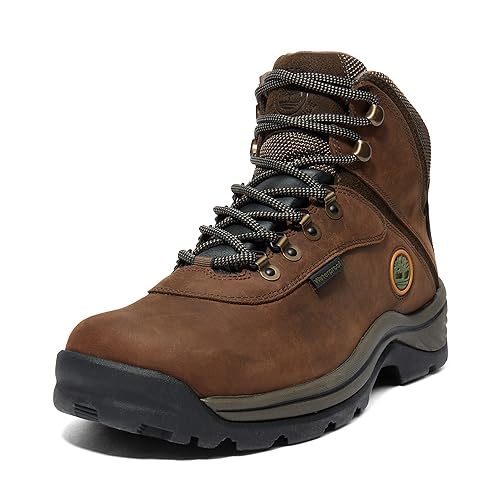

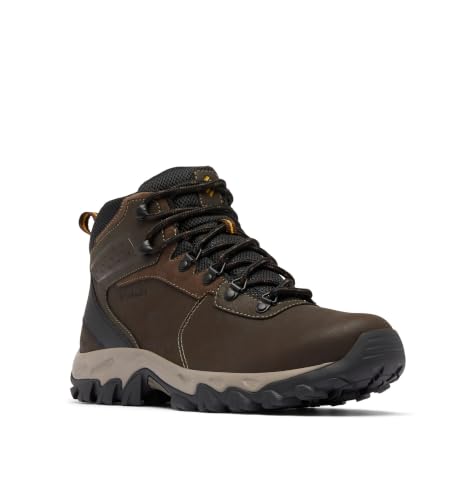

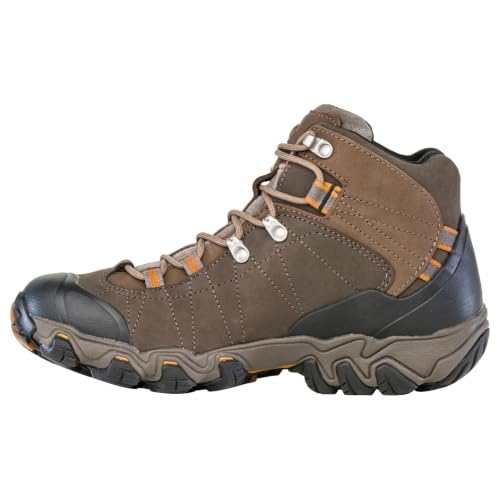

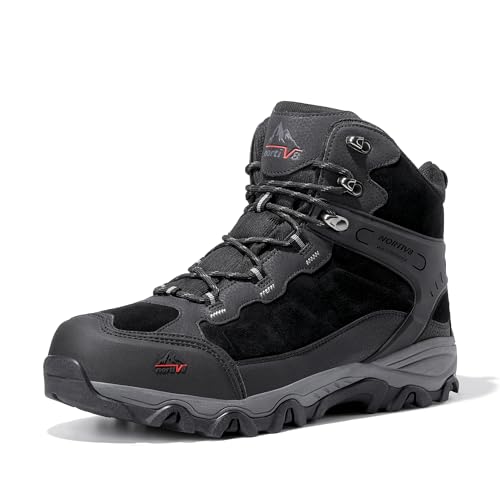
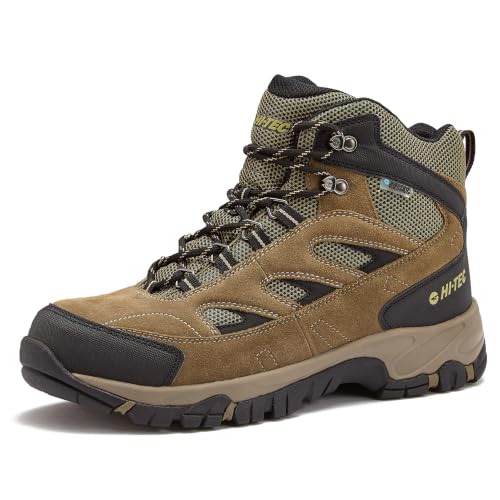

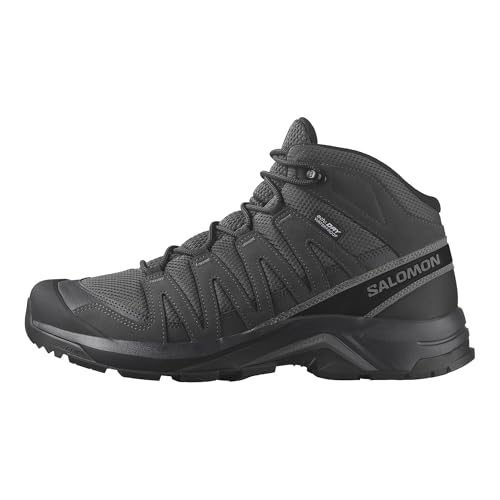
Who Should Buy Boots Built for Every Season
Day Hikers Who Walk Trails All Year
You hike a few hours at a time, in every month your local trails stay open, and you want one pair that never forces a second purchase when weather changes. A mid height boot with moderate cushioning suits this pattern, protecting your ankles on rough descents without feeling heavy on easy paths. On smooth and dry summer trails you may prefer the lighter feel covered in our guide to the best hiking shoes, but boots earn their place once rain, mud, or cold enters the forecast.
Backpackers Carrying Loads Across the Seasons
Once your pack reaches about 25 to 40 pounds, your feet and ankles need more structure than a light day boot provides. Look for a firmer midsole, a supportive shank, and an upper that holds your heel firmly under load. Stability matters more than softness here, because a sole that twists under a pack tires your legs and raises the chance of a rolled ankle.
Hikers in Wet and Changeable Climates
If your region serves rain in spring, storms in summer, and slush in late fall, your boots spend much of the year wet on the outside. A waterproof membrane, a cuff that keeps out debris, and lugs that clear mud quickly matter more to you than maximum airflow. You will dry your boots often, so an upper that tolerates repeated wetting should rank high on your list.
Key Features to Compare Before You Buy
Fit, Sizing, and Toe Box
Measure both feet late in the day, wearing the socks you hike in, because feet swell with heat and miles. You want about a thumb width of space in front of your longest toe, since feet slide forward on descents and toes that strike the front bruise quickly. Your heel should lift only slightly, and the toe box should let your toes spread without pressing the sides. Lasts and widths differ between ranges, so compare the notes in our guide to the best hiking boots for men and our guide to the best ladies hiking boots before settling on a size.
Waterproofing and Membranes
Most waterproof boots rely on a membrane bootie inside the upper, and Gore Tex is the best known of these, though many brands use their own membranes. A membrane keeps ground water out, yet it slows the escape of sweat vapor, so waterproof models feel warmer than open mesh models in summer. For a deeper look at membranes and treatments, see our guide to the best waterproofing for hiking boots before deciding how much protection your climate demands.
Upper Materials and Breathability
Full grain leather uppers resist abrasion and shed water well, but they weigh more and need a longer break in period. Split leather paired with synthetic panels cuts weight and price, while mesh heavy uppers breathe best and dry fastest after a soaking, at the cost of durability against rock and brush. Most year round hikers land on leather and synthetic combinations, which balance airflow, toughness, and drying time.
Arch Support and Foot Type
Your arch shape decides how a boot should support you. Flat feet tend to roll inward, a pattern called overpronation, and they usually feel better with a firmer midsole and structured heel cup. High arches absorb shock poorly on their own, so they often need more cushioning and sometimes a softer aftermarket insole. If foot pain, numbness, or tingling persists despite a good fit, talk with a doctor or podiatrist rather than trying to solve it with footwear alone.
Break In Period and Comfort Out of the Box
Modern synthetic boots often feel comfortable within a few short walks, while stiff full leather models can need several weeks before the upper flexes where your foot bends. A boot that pinches or creates a hot spot in the store rarely becomes kind after twenty miles, because breaking in softens materials but does not change the underlying shape.
Cushioning, Support, and the Outsole
Cushioning comes mainly from the midsole foam, and thicker midsoles soften rocky ground but reduce your feel for the trail. Heel to toe drop, the height difference between heel and forefoot, usually runs about 8 to 12 mm, and a higher drop shifts work toward your calves while a lower drop spreads it toward your ankles. The outsole decides grip, so look for lugs about 4 to 5 mm deep with wide spacing that sheds mud and snow.
Matching Boots to Season, Terrain, and Load
By now you have a working shortlist of the best all season hiking boots for your trails, and the next step is matching it to your calendar of hikes. Name your hardest regular conditions, not your easiest, and let those set your minimums. If your days mix work, town errands, and only light paths rather than real trails, our guide to the best all season boots covers that broader category.
Warm and Dry Conditions
For hot and mostly dry hiking, breathability comes first and a waterproof membrane becomes a liability, because it traps heat around your feet. Choose mesh panels or light synthetic uppers, a lower cuff that lets ankles vent, and moderate lugs suited to dusty ground rather than mud. A non waterproof pair also dries by the next morning after a rare rainy day.
Wet Trails and Cold Months
When rain, wet grass, and slush dominate, pick a waterproof membrane, a higher cuff that seals better under rain pants, and lugs deep enough to bite into slick mud and packed snow. True winter insulation is rare in this category, so warmth comes from thick wool socks and steady movement, and you should leave extra room for those socks when sizing. On ice, removable traction devices that strap over the outsole add security no lug pattern can match.
Rough Terrain and Heavy Packs
Rocky, root filled, or off trail routes reward a stiffer shank, a protective toe cap, and abrasion resistant panels. Under a heavy pack, that stiffness keeps the sole from twisting on angled rocks and reduces strain over long descents. Accept the extra weight here, because underbuilt boots on rough ground wear out faster.
Quick Buyer Checklist
Run through these questions before you order, and treat any no as a reason to keep looking.
- Did you measure both feet in the afternoon in your hiking socks?
- Is there a thumb width of space ahead of your longest toe?
- Does your heel stay nearly still on a slope or on stairs?
- Does the waterproofing match the wettest month you hike in?
- Are the lugs deep and widely spaced enough for mud or light snow?
- Do boot height and stiffness match your heaviest pack?
- Can you exchange the pair after indoor wear if hot spots appear?
- Does the price, often around $180 for this category, fit the miles you expect?
Red Flags to Watch For
Weak boots often reveal themselves in the listing and the warranty. Watch for these signs while you compare options in the product table above.
- The listing claims waterproof performance but never names a membrane, which usually means a light coating that wears off quickly.
- No weight is published for the pair, which often signals a heavy boot the seller would rather not advertise.
- The outsole is one flat piece of foam with no real lugs, so grip on wet rock will be poor.
- The warranty covers only a few months, which suggests the maker expects seams to age fast.
- Many buyer reports describe the same failure, such as soles separating, which points to a design flaw rather than bad luck.
How to Make Your Boots Last Longer
Brush off mud and grit after muddy hikes, because dried dirt works into seams and stitching. Pull the insoles out after wet days so air can reach the inside, and loosen the laces fully. Air dry boots at room temperature, away from direct heat, since radiators and campfires can crack leather and weaken sole glues.
As water stops beading on the upper, renew the surface treatment with a spray or wax made for that material, following the maker directions. Check laces for fraying and replace them early, because a snapped lace far from the trailhead is an avoidable problem. Some leather models can be resoled by a cobbler when the lugs wear down, extending the life of an upper that still fits well.
Frequently Asked Questions
Can you wear all season hiking boots all day?
Yes, most people can wear them all day once the fit and break in are right. The limiting factor is usually heat and moisture rather than support, so on long days change into dry socks at midday to cut friction and blister risk. If you stand on hard floors for hours, add a cushioned insole, because trail midsoles feel firm on concrete.
How long is the break in period for all season hiking boots?
Most synthetic and mixed material boots settle within about 10 to 20 miles of walking, while stiff leather models can take twice that distance. One trick the mileage numbers hide is heel lock lacing, where the top eyelets form a loop that pulls the heel down and back, stopping much of the rubbing people blame on sizing.
How often should you replace all season hiking boots?
Most pairs last about 500 to 800 miles before the midsole loses its cushioning and support. A simple home test is to press your thumb into the heel of the midsole and compare it with a new boot, since a tired midsole feels packed and unyielding. Worn lugs at the heel are another sign that replacement time has arrived.
How should all season hiking boots fit?
They should feel snug through the heel and midfoot, with clear space ahead of your toes and no pressure on top. One detail many buyers miss is volume, the height inside the boot, which matters if you use thick socks or custom insoles. Bring those insoles when you try sizes, because a boot that fits with the stock insole can turn tight with your own insole.
Are expensive all season hiking boots worth the money?
They can be, when the extra cost buys better leather, a licensed membrane, and resoleable construction. A pair at around $220 that lasts 800 miles often costs less per mile than a pair at around $110 that gives up at 350 miles. A costly boot that rubs your heel is still a worse buy than a modest boot that fits perfectly.
Do you need waterproof all season hiking boots?
You need them if most of your hiking involves rain, wet grass, slush, or shallow crossings in cool weather. In hot and dry regions, a non waterproof boot is often smarter, because once water comes over the cuff, the membrane slows drying and your feet stay wet for hours. Non waterproof models that soak at a crossing can dry as you walk.
Final Thoughts
Fit, the waterproofing and breathability balance, and outsole grip decide almost everything about how a year round boot performs. Use the product table above to compare pairs that pass your checklist, then match your choice to your heaviest pack and wettest month. Chosen that way, the best all season hiking boots for you are simply the pair your feet forget about, mile after mile, in every season you hike.


