Best All Mattresses: Every Type Explained Side by Side for 2026
Disclosure: We may earn a commission when you buy through links on this page, at no extra cost to you. As an Amazon Associate I earn from qualifying purchases. Learn more
Confused by all the options? We compare every type of mattress side by side so you can choose the best all mattresses for your space and budget.
Mattress shopping feels confusing because every type promises better sleep in different words. When you compare best all mattresses side by side, the differences are simple: how the bed supports your body, how it handles heat and how long it keeps its shape. The product table above groups current options so you can see the main types at a glance.
This guide explains each major type in plain language, then walks through firmness, sleep position, cooling, certifications and care. You do not need to master every term, only match a few honest facts about how you sleep to the construction that handles them well.
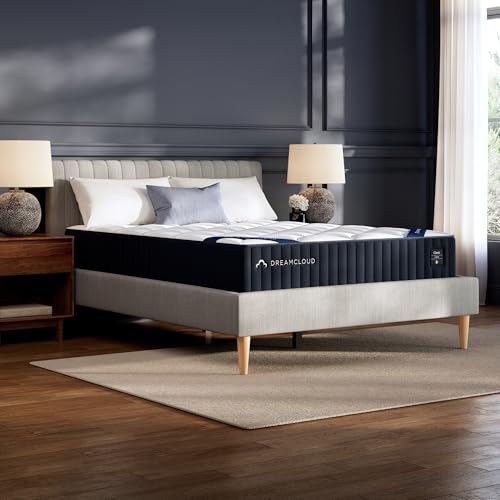

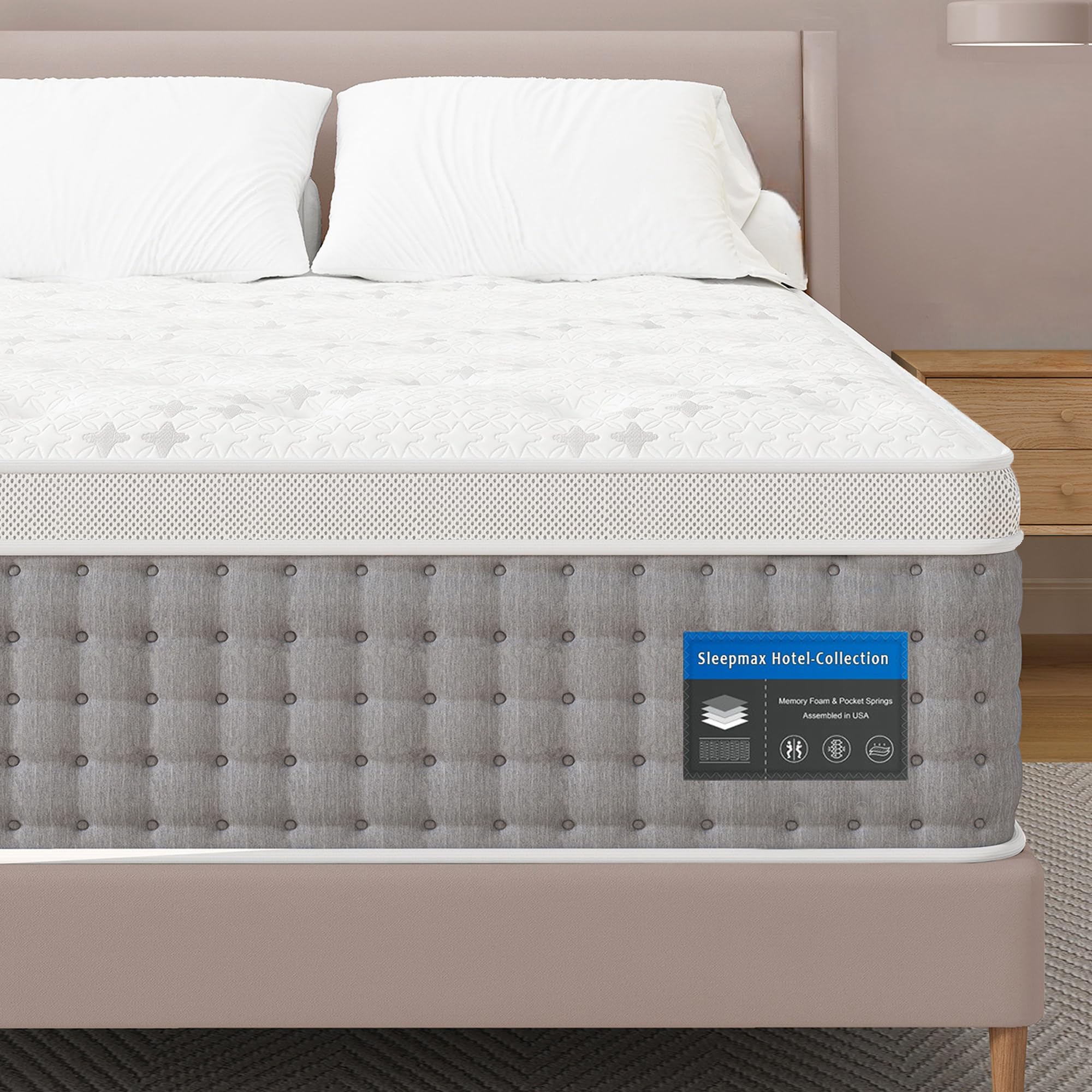
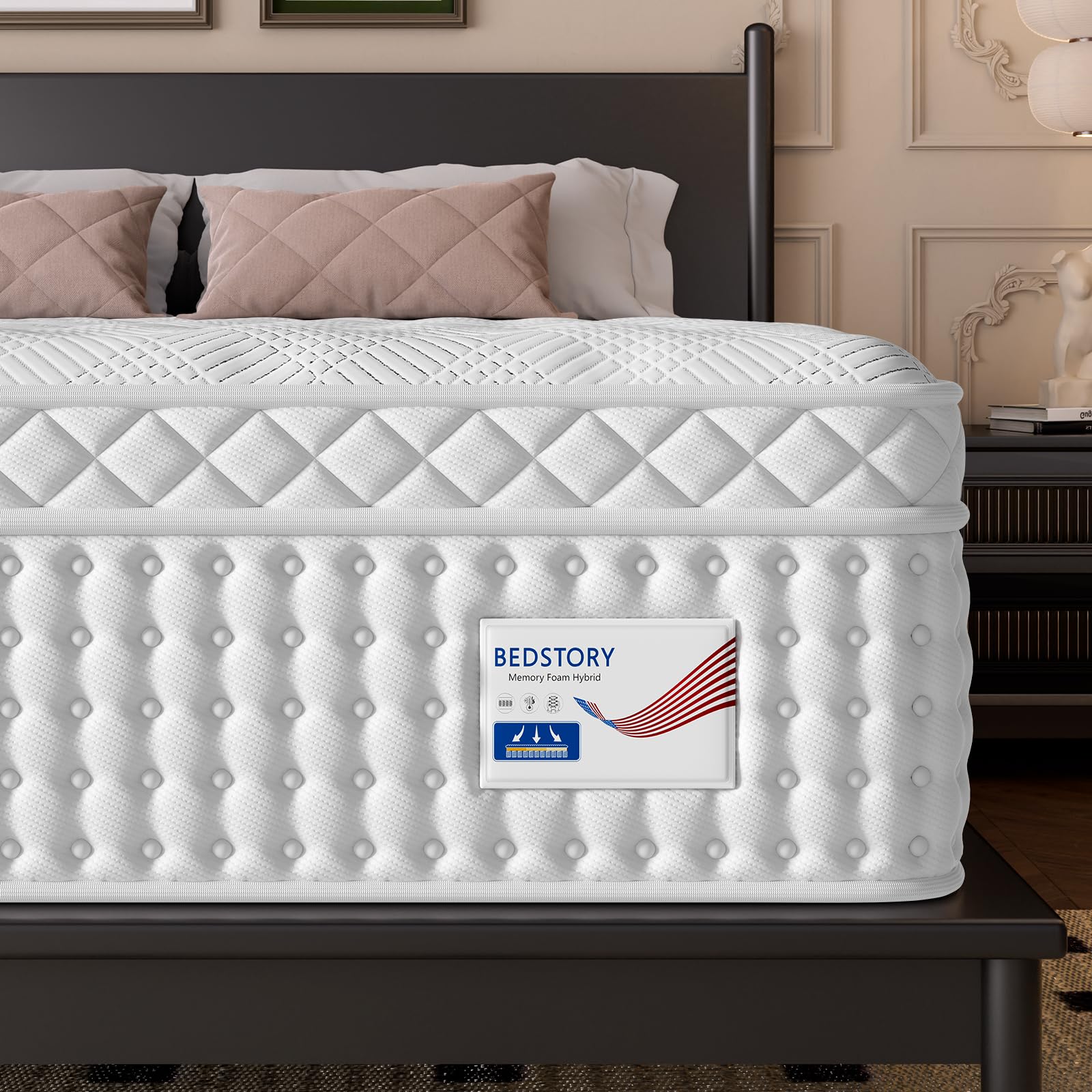

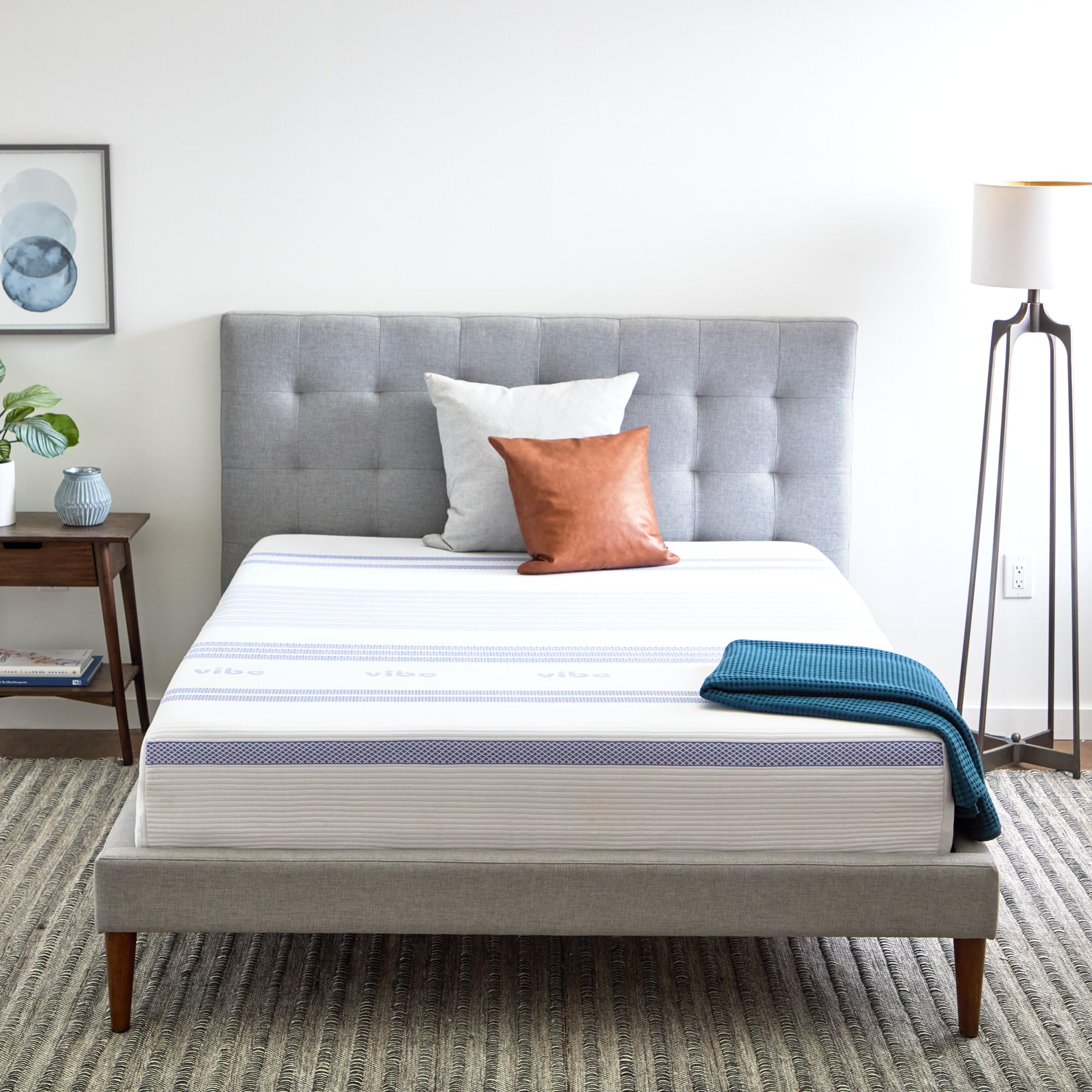
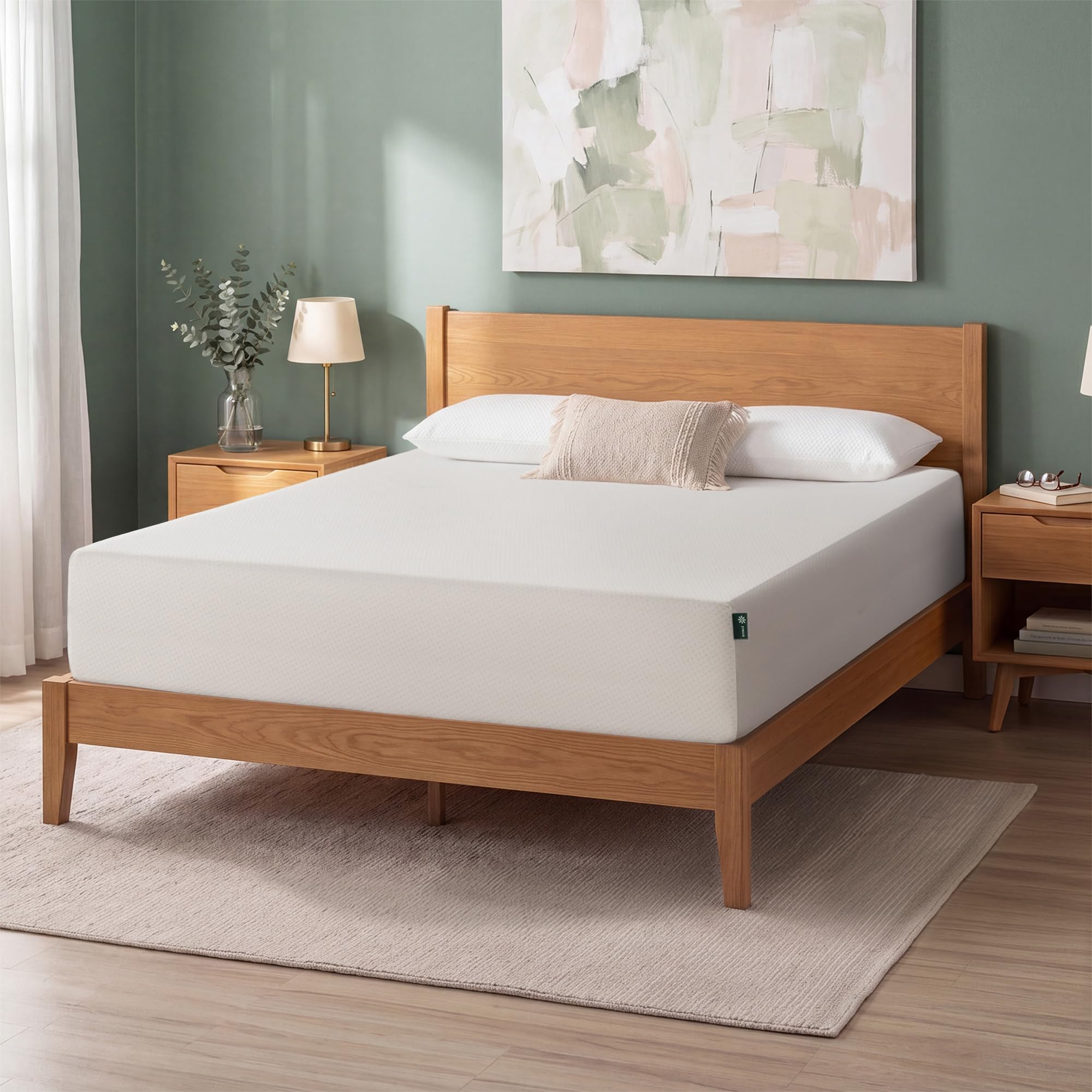
Types of Mattresses Compared
Foam beds contour closely, latex beds feel responsive and bouncy, innerspring beds feel springy and cool, and hybrids combine coils with foam or latex. Prices run from about $300 for basic foam to $1,500 or more for large latex and hybrid designs.
Memory Foam
Memory foam softens with body heat and contours to your shape, easing pressure at shoulders and hips and absorbing motion, which helps couples. The trade off is heat retention and a slow feel when you change position. Gel infusions and open cell designs help, but airflow is still limited compared with coils.
Innerspring
Traditional coil beds use a layer of springs with a thin comfort layer. They sleep cool, feel bouncy and cost less, but offer less pressure relief and tend to transfer more motion. They suit hot sleepers and people who like a firmer, traditional feel.
Hybrid
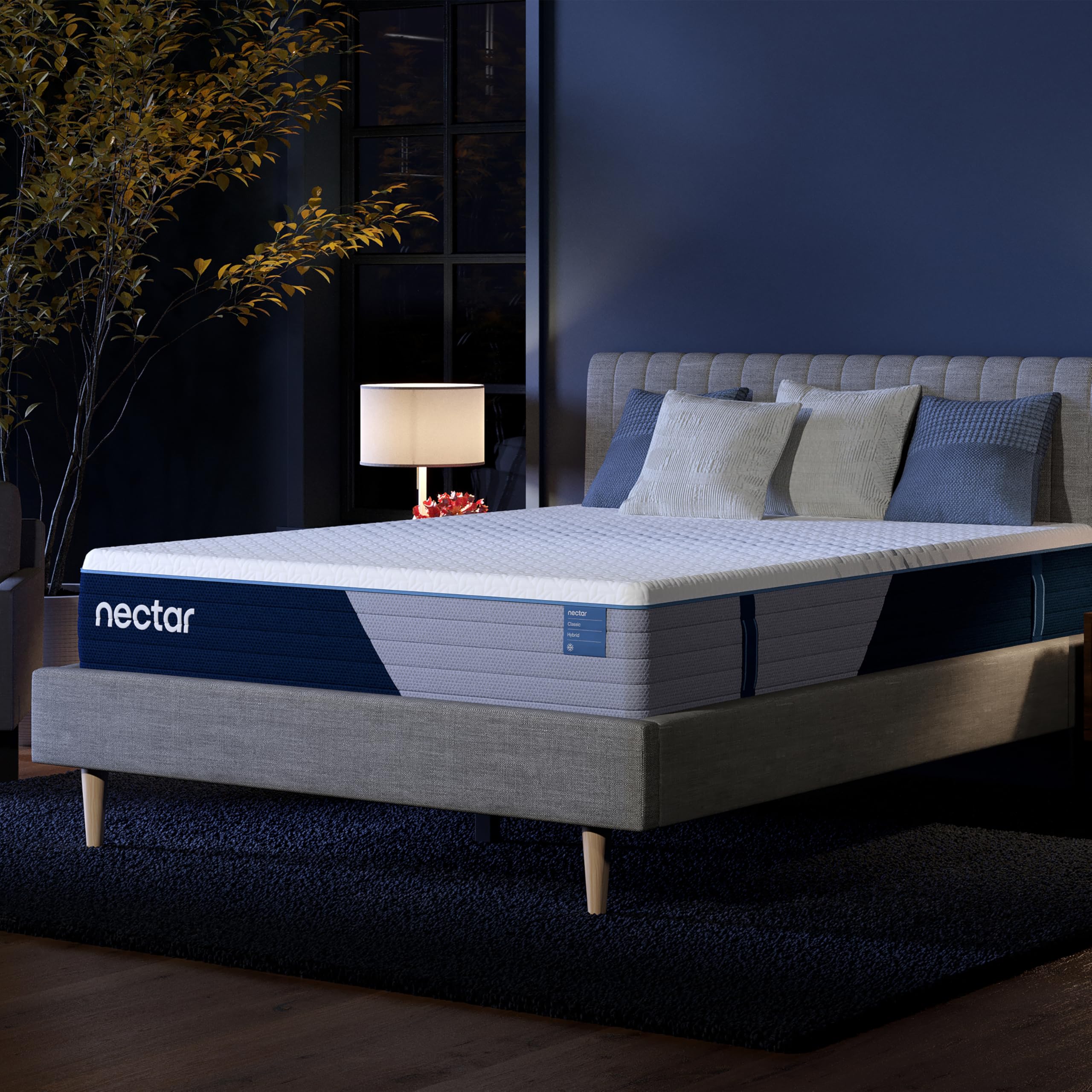
Hybrid mattresses pair pocketed coils with foam or latex on top. The coils give lift, airflow and edge support, while the upper layers soften pressure points. This balance makes hybrids a safe middle choice for couples with different preferences and for heavier sleepers who sink too deeply in plain foam. They cost more than basic foam and can be heavy to move.
Latex
Latex mattresses use natural, synthetic or blended rubber foam. They push back as you move, so you rest on top of the bed more than in it, and they sleep relatively cool and last a long time. The downsides are weight and price.
Memory Foam Versus Hybrid
Choose by feel and heat. Memory foam wins on pressure relief and motion isolation, and usually costs less. Hybrids win on airflow, edge support and bounce. Side sleepers who want deep cushioning often prefer foam, while combination sleepers and hot sleepers often prefer a hybrid.
How to Choose the Best All Mattresses
Firmness and Sleep Position
Side sleepers usually need a medium surface that lets shoulders and hips sink enough to keep the spine level. Back sleepers often do well in medium firm, which supports the lower back without pushing it flat. Stomach sleepers generally need a firmer bed so hips do not dip. Heavier bodies compress foam more, so the same bed feels softer to them.
Cooling and Breathability
Gel infusions and open cell foams can feel cooler early in the night, but airflow through coils and latex matters more over eight hours. Hot sleepers should favor hybrids, innersprings or latex, and breathable bedding. Check whether the seller describes the full layer stack, since vague cooling language without construction details is a warning sign.
Certifications
CertiPUR US applies to foam and covers limits on certain chemicals and emissions. OEKO TEX labels focus on certified textiles. Treat these as safety and sourcing evidence, not comfort scores.
Size and Thickness
Twin and twin XL suit single sleepers and kids, full suits one person with room to spare, queen is the most popular for couples, and king gives the most space. Thickness between 10 and 14 inches suits most sleepers. Make sure your frame or foundation supports the type you choose.
Trial Period and Warranty
Many online brands offer sleep trials of 100 nights or more and warranties of ten years. Read the return terms in writing, including who pays for pick up and any restocking fee.
Mattresses for Couples and Different Needs
Couples with different preferences often do well with a hybrid in medium firm, which balances support for one partner and cushioning for the other. Strong motion isolation helps light sleepers, and good edge support makes the full surface usable. Split firmness options exist in some adjustable and larger sizes, and a king or split king gives each person more control. Heavier sleepers should look for thicker coils and higher density foams, which resist sagging.
Shopping Online or in Store
Online brands ship compressed mattresses in a box, offer long trials and often cost less. Store shopping lets you lie on beds, but short tryouts can mislead, so give yourself at least ten minutes in your normal sleep position. Whichever route you use, plan to give a new mattress several weeks to settle, since both your body and the materials need time to adjust.
Care and Lifespan
Rotate your mattress every three to six months unless the maker says it is one sided. Use a washable protector from the first night, since sweat and spills break foam down faster than weight does. Vacuum the surface, spot clean with mild detergent and let the bed dry fully. Most mattresses last seven to ten years, and sooner if you wake with new aches or see visible sagging.
It is worth remembering that the best all mattresses for one person can be wrong for another. Body weight, sleep position, temperature preference and a partner all change the answer, so treat reviews as a guide rather than a verdict. If possible, choose a brand with a generous trial and a clear return process, then give the bed at least a few weeks before you decide. Write down how you feel in the morning, whether you wake hot or sore, and how well you sleep next to a partner. That record is far more reliable than first impressions on the first night.
Common Mistakes to Avoid
- Choosing by firmness label alone, since brands rate firmness differently.
- Skipping the return policy and getting stuck with a bed that does not suit you.
- Ignoring the foundation, which can void a warranty if it does not support the bed.
- Replacing too early or too late, instead of watching for sagging and morning stiffness.
If you have persistent back pain, numbness or pain that wakes you at night, see a doctor or physical therapist, and treat any mattress change as one part of a wider plan.
Related Guides
For related choices, see our guides to the best memory mattresses, the best mattresses for back problems and the best boxed mattresses.
Frequently Asked Questions
What firmness is best for back pain?
A medium firm mattress is the common starting point, because it supports the spine without creating new pressure points. Pain has many causes, so see a doctor if it persists.
How do I clean a mattress safely?
Vacuum the surface, spot clean stains with mild detergent and blot rather than soak. Never machine wash a mattress, and rely on a washable protector.
How often should I replace my mattress?
About every seven to ten years, sooner if you see sagging or wake up stiff.
Are cooling mattresses worth it?
They can be, when the cooling comes from real airflow and breathable layers rather than a thin gel layer over dense foam.
Do I need a box spring?
Most modern mattresses need a solid foundation or a slatted base with close spacing. Check the maker guidance.
Final Thoughts
Match the core to your sleep position first, check certifications and layer details second, and let the cover and feel refine the choice. The best all mattresses are not the most advertised beds, but the ones whose construction fits your body and room. Compare your shortlist in the product table above and confirm the trial and return terms in writing.