
Best All Mountain Bike under 2500 at Every Price: What Your Money Really Gets You in 2026
Disclosure: We may earn a commission when you buy through links on this page, at no extra cost to you. As an Amazon Associate I earn from qualifying purchases. Learn more

Learn what the best all mountain bike under 2500 should include at each price tier, from brakes and suspension to fit, sizing and long term costs.
The gap between a trail bike at around $900 and one near the top of this budget is real, but it is not evenly spread. Shoppers hunting the best all mountain bike under 2500 need to know which upgrades change the ride and which ones mostly change the brochure.
This guide walks through three budget profiles, what each price tier normally delivers, and the features worth paying for at this ceiling. The comparison table below gives you a quick view of how typical builds divide.
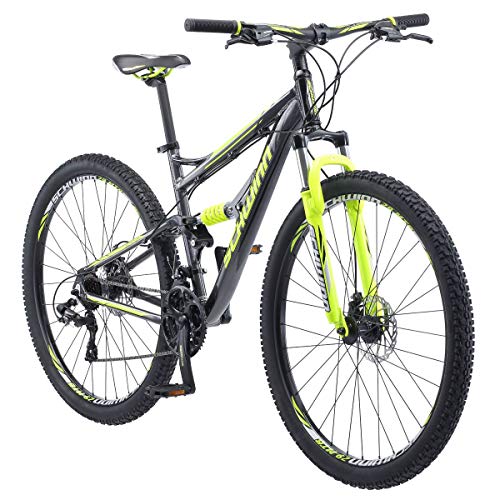
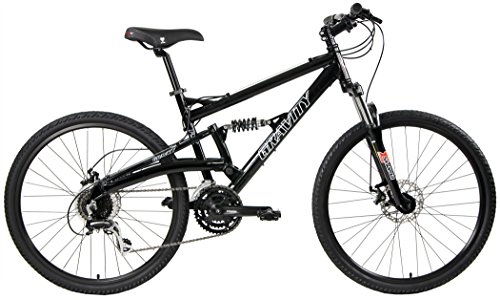
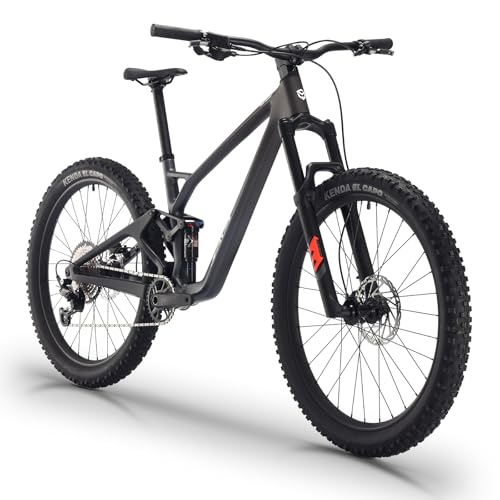

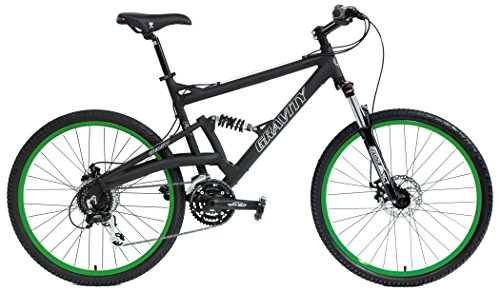
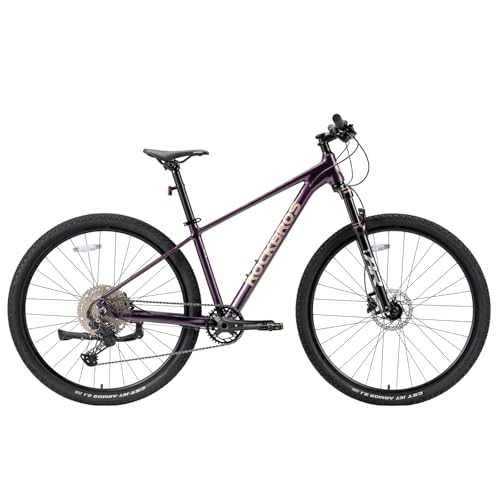
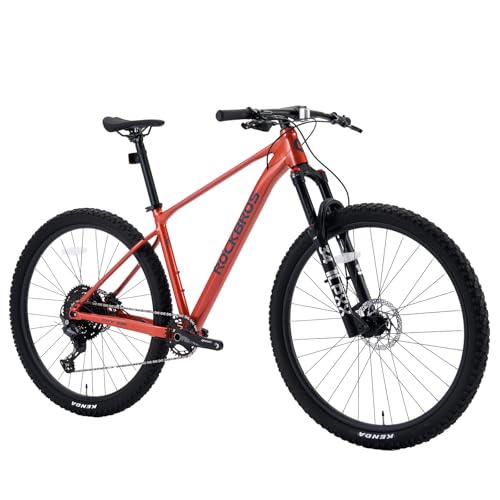

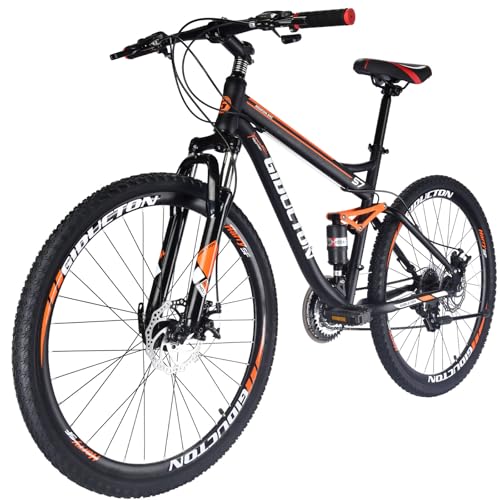

All mountain here means a bike that climbs respectably and descends with confidence on varied trails. That balance, not the longest travel number, is what your money should protect.
Three Budget Profiles by Price Tier
Use these profiles to recognize a sensible build at each level in the product table above. They describe component levels and trade offs, not specific models, so you can apply them to any brand on sale.
Best Budget Profile
The budget profile, around $900 to $1,400, suits riders entering the sport or returning after years away. Expect an aluminum hardtail or a basic full suspension frame, a 1x drivetrain with a wide range cassette, hydraulic disc brakes, and a coil or entry air fork with about 120 to 130 mm of travel. Its strengths are simplicity and value, and the geometry on modern budget bikes is genuinely capable. The limit is weight and fork refinement, since budget forks feel harsh on repeated hits and budget wheels dent more easily.
Best Midrange Profile
The midrange profile, around $1,400 to $2,000, is where most riders should aim. Expect a full suspension aluminum frame with about 130 to 150 mm of travel, a quality air fork and rear shock with rebound adjustment, stronger wheels that are often tubeless ready, and a dropper post included rather than sold separately. Brakes gain larger rotors and better lever feel. Its strength is that nothing on the bike urgently needs upgrading, so you can spend the next season on tires and maintenance. The trade off is that you still get aluminum rather than carbon, and drivetrain parts sit a tier below premium.
Best Premium Profile
The premium profile, around $2,000 to $2,500, suits experienced riders who know their trails and want a bike to keep for years. Expect refined suspension with more damping adjustment, lighter and stronger wheels, a smoother drivetrain with a wider gear range, and sometimes a carbon front triangle or carbon wheels on the pricier builds. Its strength is control at speed and on long descents, where better suspension stays calm. The limit is diminishing returns, because the jump from midrange buys refinement rather than a new capability, and premium parts cost more to replace after a crash.
What Your Money Gets You at Each Price Tier
Budget Tier: What to Expect
At the budget tier, your money buys safe fundamentals: hydraulic brakes that actually stop in the wet, a clutch drivetrain that keeps the chain on, and modern slack geometry that feels stable downhill. What it does not buy is plush suspension, light weight, or a dropper post on every build. This tier suits riders on smoother trail networks and anyone unsure how often they will ride. If your local trails are mostly climbs and gentle descents, you may also want to compare the builds in our guide to the best hardtail mountain bike under 2500, since a hardtail at this price often beats a cheap full suspension bike.
Midrange Tier: The Sweet Spot for Most Buyers
The midrange tier is the sweet spot because it fixes the budget tier weaknesses in the right order. Suspension becomes adjustable air sprung units front and rear, wheels go tubeless ready so you can run lower pressures for grip, and a dropper post becomes standard. Riders on mixed terrain, from forest singletrack to rocky descents, feel these gains every ride. If your riding leans toward smoother marked trails, our guide to the best trail mountain bike under 2500 shows how trail focused builds at this level differ from burlier all mountain builds.
Premium Tier: When Spending More Pays Off
At the premium tier under this ceiling, spending more pays off in suspension damping, wheel strength, and small weight savings across many parts rather than one headline upgrade. You also tend to get better tires, which is an underrated gain, since premium rubber transforms grip more than most frame changes. This tier suits riders tackling steep, rough terrain weekly and those light enough or skilled enough to feel subtle suspension differences. Riders focused on bike park style descents should also read our guide to the best enduro mountain bike under 2500 to see whether longer travel suits them more than all mountain balance.
Features Worth Paying For (and Ones to Skip)
Sizing and Fit
Fit is worth every dollar of attention, because a correctly sized midrange bike beats an expensive bike in the wrong size. Use the maker size chart with your height and inseam, and check standover height so you can step off safely on a slope. Reach should let you ride with a slight elbow bend and no stretch, and most brands offer four or five sizes, so being between sizes is normal. When between sizes, riders who value climbing comfort often size down, while descent focused riders often size up for stability.
Bike Type and Riding Style
All mountain bikes sit between cross country bikes, which climb fast but descend nervously, and enduro bikes, which descend brilliantly but pedal heavily. Trail bikes overlap heavily with all mountain and suit most riders. Before paying for travel you may not need, be honest about your trails: if ninety percent of your riding is local singletrack, a shorter travel build will feel livelier and lighter. Reserve longer travel for regular rock gardens, drops, and steep chutes, where the extra forgiveness prevents mistakes from becoming crashes.
Suspension (Hardtail vs Full Suspension) and Travel
Suspension choice shapes the whole purchase. A hardtail is lighter, simpler, and cheaper to maintain, and at this budget a good hardtail can outperform a poor full suspension bike on climbs and smooth trails. Full suspension adds traction, comfort, and control on rough descents, at the cost of pivot maintenance and weight. For all mountain use, look for about 130 to 160 mm of travel, with the lower end suiting smoother regions and the higher end suiting mountain terrain. More travel than your trails demand only adds pedal bob and weight.
What You Can Realistically Get Under $2500
Under this ceiling you can realistically expect a strong aluminum full suspension bike with good air suspension, a reliable 1x drivetrain, hydraulic brakes, tubeless ready wheels, and a dropper post. You should not expect a full carbon frame with premium wheels and electronic shifting at once, and listings promising all of that deserve suspicion. Do not cut corners on brakes or fork quality to afford cosmetic extras, because those two parts decide safety and control. Electric versions exist at this price but with smaller batteries and heavier frames, as our guide to the best electric mountain bike under 2500 explains in more detail.
Long Term Costs to Factor In
The purchase price is only the start. Budget around $150 to $300 a year for wear items and servicing with regular use, covering tires, brake pads, chains, and an annual suspension service that keeps forks and shocks working as designed. Add a helmet, gloves, a floor pump, a multitool, and a hydration pack or bottles in the first month, which can total about $200 to $400. A mid drive motor or battery on electric models adds eventual replacement cost, and even on standard bikes a worn drivetrain cassette can cost over $100. Keeping a small yearly reserve prevents a fine bike from sitting broken in the garage each spring.
Mountain Bikes: Your Questions Answered
Can you get a good mountain bike under $2500?
Yes, you can get a genuinely good mountain bike under this budget, especially in the midrange tier where modern geometry, air suspension, and a dropper post come together. The key is to spend on brakes, suspension, and fit rather than on a carbon badge. Riders who buy at the sweet spot usually upgrade only tires and contact points over the next two seasons.
What size bike do I need?
You need the size whose reach and standover match your body, which most size charts estimate from height and then refine with inseam. As a rough guide, riders around 5 ft 6 in to 5 ft 10 in often fit a medium, but proportions vary enough that the chart for your exact model rules. If possible, sit on the bike and confirm you can stand over the top tube with clearance and reach the bars without locking your elbows.
Hardtail or full suspension for beginners?
Full suspension is more forgiving for beginners on rough trails, but a hardtail teaches cleaner line choice and costs less to maintain. If your budget sits near the bottom of this range and your trails are smooth, a quality hardtail is the smarter first bike. If your trails are rocky and rooty, stretching to a midrange full suspension bike will likely keep you riding longer with more confidence.
How much should I spend on my first bike?
Most first time buyers should spend around $1,200 to $2,000 within this budget, which lands in the range where brakes, suspension, and a dropper post are all competent. Spending less risks buying twice when weak parts frustrate you, while spending the full amount before you know your riding style can lock money into the wrong travel or size. Keep some budget aside for a helmet, pedals, and a first service.
The Bottom Line
Fit, suspension quality, and brakes are the three decisions that matter most at this budget, and the midrange tier gets all three right for most riders. Use the comparison table above to test any listing against those priorities before you fall for a paint scheme.
Chosen with those filters, the best all mountain bike under 2500 is not the bike with the longest parts list, but the one whose strengths match your trails and whose weaknesses you will never notice. Ride it often, service it yearly, and it will repay the investment for seasons.


