Best All Mountain Bike Helmet for 2026: Every Type Explained Side by Side
Disclosure: We may earn a commission when you buy through links on this page, at no extra cost to you. As an Amazon Associate I earn from qualifying purchases. Learn more

One helmet for long climbs and rough descents. See how open face, convertible and full face types compare for the best all mountain bike helmet.
All mountain riding asks one helmet to do two jobs that pull in opposite directions. You climb for a long time in warm air, then descend rough, steep ground where a fall can come from speed, loose rock, or a root you never saw. Choosing the best all mountain bike helmet means balancing coverage and protection against ventilation and weight, and that balance changes with your trails.
This guide compares the main helmet types side by side, then walks through fit, safety systems, visors, and care. Use the comparison table below to see how the types differ at a glance before you decide.





Who Should Choose an All Mountain Helmet?
Trail Riders Who Climb and Descend in Equal Measure
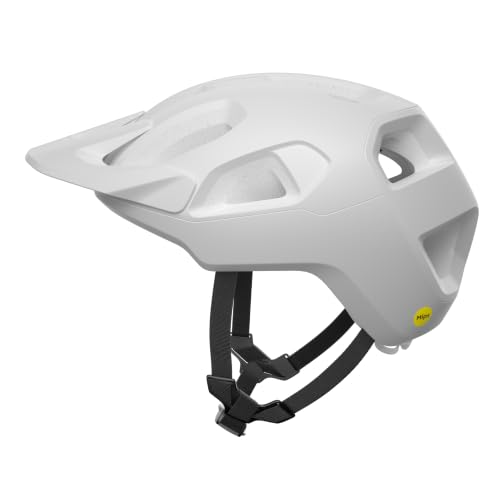
You earn your descents, often spending as much time pedaling up as riding down. An open face all mountain helmet suits you because it adds coverage at the back and sides while keeping enough vents for slow climbing. You get real protection on rocky descents without carrying downhill weight on every climb.
Riders Stepping Up from Cross Country Trails
If your rides are getting rougher, with rock gardens, small drops, and faster corners, your old cross country helmet may leave the back of your head feeling exposed. An all mountain model adds deeper coverage and a larger visor, while the weight stays close enough that you will not notice it on familiar loops.
Aggressive Riders Who Push Hard on Steep Ground
You ride steep, technical trails, visit bike parks, or race enduro stages where crashes happen at higher speeds. A convertible or fixed full face model protects your jaw and face as well as your head, which an open face helmet cannot do. If that sounds like your riding, see our guide to the best mountain bike enduro helmet.
Key Features to Compare
Coverage at the Back and Sides of the Head
Coverage describes how far the shell extends down at the back and around the temples. All mountain helmets wrap lower than road or cross country designs because trail falls often throw you backward or sideways onto rock. Deeper coverage protects more of the skull, but it can feel warmer and may push against sunglasses arms. Favor the deeper shell for rough ground, and accept a shallower cut only if your trails are mellow.
Rotational Impact Systems and Safety Certification
Every helmet sold for cycling in the United States must meet the CPSC standard, so treat that label as the baseline, not a bonus. Many models add a low friction layer such as MIPS, which can reduce rotational forces in angled impacts. After any fall where your head strikes the ground, watch for confusion, repeated vomiting, a worsening headache, slurred speech, or loss of consciousness, and seek emergency care at once if any appear. Talk with your clinician about personal needs before riding again.
Fit, Sizing, and the Retention Dial
Measure around your head just above your eyebrows and ears, then match that number in centimeters to the size chart, because sizing varies between brands. A good fit feels even all around, with no single pressure point, and the helmet stays put when you shake your head with the straps undone. A dial at the back fine tunes tension.
Ventilation and Weight on Long Climbs
Vent count alone tells you little, because large, well placed openings with internal channels move more air than many small holes. All mountain helmets typically weigh about 300 to 450 grams in open face form, and each added feature adds grams you feel on long climbs. In hot weather, prioritize airflow over a warmer, heavier shell.
Visor Adjustment and Room for Goggles and Sunglasses
A visor shields your eyes from sun, rain, and low branches, and it should tilt up far enough to rest goggles on the front of the helmet during climbs. Check that it moves without tools and stays where you set it on rough descents. Sunglass wearers should also check that deeper temple coverage does not press the arms into your head.
Shell Construction and Mounts for Lights and Cameras
Most models fuse a thin polycarbonate outer shell to an EPS foam liner in the mold, which keeps weight low while the foam absorbs impact energy by crushing. Breakaway mounts for a camera or a light add versatility for dawn and dusk rides, and for options built for that job, see our guide to the best helmet light mountain bike setups.
Helmet Types Compared for All Mountain Riding
That balance between protection and pedal friendliness is what defines the best all mountain bike helmet category, and the three types below strike it in different places. Pick by the hardest trail you ride regularly.
Open Face Helmets for Everyday Trail Riding
The open face design is the default choice for most trail riders. It vents well, weighs the least, and leaves your face free for easy breathing on climbs. Prices commonly run about $60 to $180. Its limit is simple: it offers no protection for your teeth, jaw, or face in a forward fall.
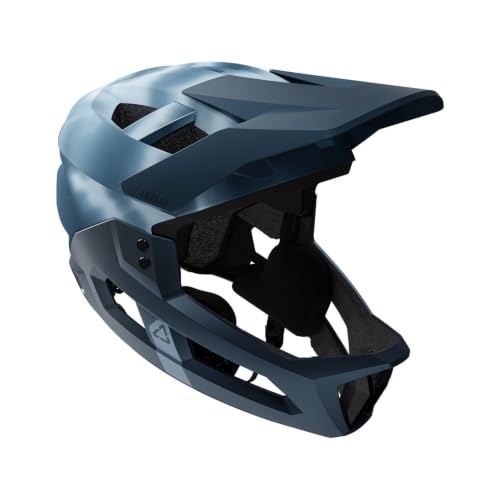
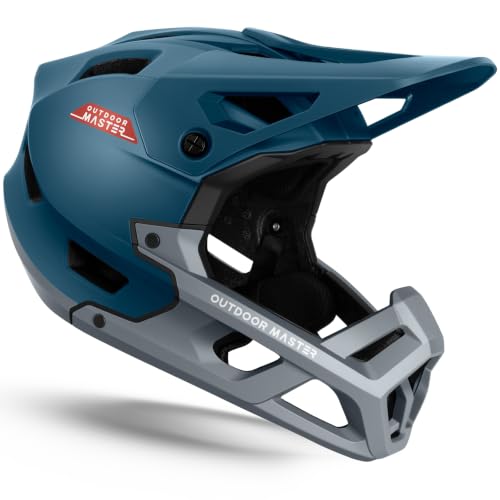
Convertible Helmets with a Removable Chin Bar
A convertible helmet adds a chin bar you can remove for climbing and clip on for descending, giving you two helmets in one for about $180 to $350. Good designs let you attach the bar without tools in under a minute. The compromise is weight and warmth on the way up, plus a bar you must carry in a pack when it is off.
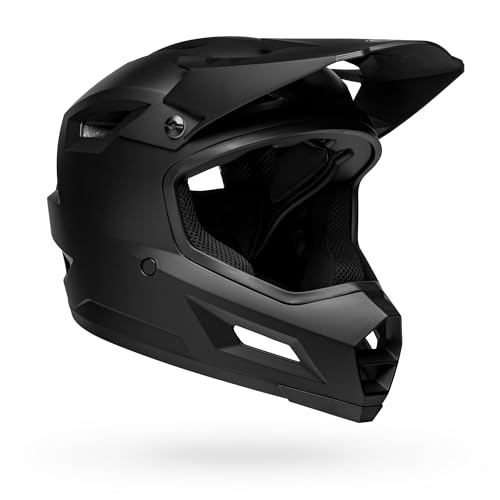
Fixed Full Face Helmets for Bike Park and Shuttle Days
A fixed full face helmet gives the strongest protection, with a rigid chin bar and, on downhill rated models, certification to the ASTM downhill standard. Expect about $150 to $400 and noticeably less airflow. Choose one when lifts or shuttles do the climbing, or when your trails involve jumps and sustained high speed. For a deeper look, see our guide to the best downhill mountain bike helmet options.
Choosing an All Mountain Helmet for Your Situation
Best XC All Mountain Bike Helmet: Which Type Works Best
If your rides lean cross country, with long climbs and moderate descents, choose a light open face model at the ventilated end of this category, roughly 300 to 350 grams, with a compact visor. Prioritize airflow and a secure dial fit over maximum coverage, and skip a chin bar you will rarely use. For the lighter category in full, see our guide to the best xc mountain bike helmet.
Common Mistakes to Avoid
- Buying by size label alone without measuring your head, because a loose helmet can shift in a fall and leave your head unprotected.
- Choosing the deepest, heaviest shell for gentle trails, because excess heat and weight make you less likely to wear it.
- Wearing the helmet tilted back, because that position exposes your forehead and temples to a frontal impact.
- Leaving the chin strap loose, because the helmet can lift or roll off during a crash.
- Keeping a helmet after a crash because the shell looks fine, because the foam inside may be crushed even when the outside shows no damage.
- Storing a helmet on a car dashboard or near solvents, because heat and chemicals weaken the foam over time.
Care and Maintenance for an All Mountain Helmet
Before each ride, check that the dial still holds tension, the straps are untwisted, and the visor sits firm. Wash sweat and trail dust out with cool water and mild soap, rinse well, and air dry away from direct heat, since high heat can damage foam. Removable pads can go in a laundry bag on a gentle cycle. Never use solvent cleaners on the shell or liner. Store the helmet indoors, out of sunlight, on a shelf rather than hanging by its straps.
Frequently Asked Questions
How do I choose the right size for an all mountain bike helmet?
Start with your head measurement in centimeters and the brand size chart, then wear the helmet for at least ten minutes. A point many buyers miss is hairstyle: thick hair worn up, a cap underneath, or a winter liner can shift you up a size. If it rocks side to side once the dial is snug, try the smaller size.
What certifications should an all mountain bike helmet carry?
An all mountain bike helmet should carry the CPSC label inside the liner, which is required for bicycle helmets sold in the United States. Look for the sticker itself rather than trusting a listing, because listings sometimes describe standards loosely. Only models also marked to the ASTM downhill standard have passed the tougher test covering chin bar strength.
How often should I replace an all mountain bike helmet?
Replace an all mountain bike helmet about every three to five years even without a crash, following the maker guidance for your model. Sweat, sunlight, and skin oils slowly break down foam and straps, and that wear is hard to judge by eye. Crumbling pads, frayed straps, or a slipping dial are signs its service life is ending.
Can I ride downhill bike park laps in an all mountain bike helmet?
You can ride park laps in an open face all mountain helmet at many parks, but park and race rules sometimes require a full face model, so check before you travel. Park trails also sustain higher speeds than most pedal accessed trails, which raises the chance of a face first fall. Many riders rent a full face helmet just for park trips.
Should an all mountain bike helmet feel tight when it is new?
An all mountain bike helmet should feel snug and even when new, but it should not create a sore spot or a headache within fifteen minutes. Pads soften only slightly with use, so do not count on a painful fit breaking in. Pain at the forehead or temples usually means the shape is wrong for your head.
Final Thoughts
Start with the type that matches your hardest regular trail, then judge fit, coverage, and ventilation in that order, because a helmet that fits poorly protects poorly no matter how strong its shell is. Prices span about $60 to $400, and spending more mainly buys lower weight, better airflow, and convertible features. When you are ready, compare the best all mountain bike helmet options for your riding in the product table above.