
Best All Leather Hunting Boots for 2026: What Actually Matters Before You Buy
Disclosure: We may earn a commission when you buy through links on this page, at no extra cost to you. As an Amazon Associate I earn from qualifying purchases. Learn more

Compare all leather hunting boots by leather quality, fit, insulation, traction and weight, with a clear checklist for choosing the right pair for your hunt.
You feel leather quality in the first mile and again in the third season. A stiff sole, a tight toe box or a wet sock can end a hunt early, while a boot that fits and grips lets you stay focused. The best all leather hunting boots match leather, support and insulation to your terrain and weather, not just to a price tag.
This guide gives you a clear checklist for that choice. You will compare fit, leather grade, waterproof protection, traction and care needs. Keep your terrain, season and socks in mind as you review the comparison table below.

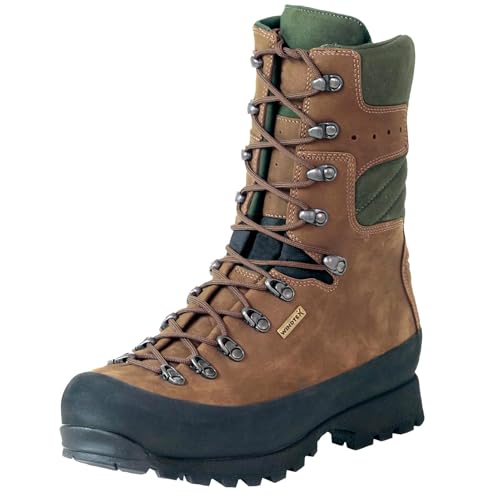

Who Should Buy Which All Leather Hunting Boots?
Start with the hunt you repeat most often, because the right boot for steep rock is a poor choice for a cold sit. That is why the best all leather hunting boots for a mountain hunter differ from a pair built for flat, wet fields. If you are weighing leather against other uppers, see our guide to the best hunting boots.
Mountain Hunters Who Climb Steep and Rocky Ground
You sidehill, cross loose rock and carry weight on uneven trails, so you need ankle support and a stiff shank that keeps your foot stable under a pack. Choose a taller shaft, deep lugs and full grain leather that resists scrapes. A snug heel with room in the toes helps on descents, where a loose fit lets your foot slide and bruise your toes.
Stand Hunters Who Sit in Cold Weather for Hours
You walk a short distance, then sit still while your feet cool fast. Choose an insulated leather boot with space for a thick wool sock, because tight boots restrict blood flow and feel colder. A taller shaft keeps shallow snow off your socks on the walk in. Traction still matters on frosty steps, so do not trade the outsole away for warmth alone.
Upland and Ranch Hunters Who Walk Open Country All Day
You cover long, fairly flat miles through grass, stubble and light brush, and you value a boot that feels steady rather than stiff. Choose lighter uninsulated leather, a moderate shaft and a flexible sole that rolls with each step. This group often hunts in mild weather, so breathability and lower weight matter more than heavy insulation or a very aggressive lug pattern.
Key Features to Compare
Work through these factors in order, so a low price cannot hide weak leather or the wrong insulation.
Leather Quality, Thickness and Boot Construction
Full grain leather is the top layer of the hide, and it resists abrasion and shapes to your foot over time. Look for leather around 2 to 2.4 mm thick, with few seams on the upper, because each seam is a place that can leak or wear. Stitched welt construction can often be resoled, while cemented soles cost less but are harder to repair. For leather grades in everyday styles, see our guide to the best leather boots.
Fit, Sizing and Toe Box Room for Hunting Socks
Measure both feet late in the day, when they are slightly swollen, and try boots with the socks you hunt in. You want a thumb width of space in front of your longest toe, a heel that stays put uphill, and no pinch across the forefoot. Width matters as much as length for wide feet. Readers comparing fit options for men can see our guide to the best hunting boots for men.
Waterproof Protection and Breathability in Leather Boots
Most leather hunting boots pair treated leather with a waterproof membrane such as Gore Tex, which blocks outside water while letting some vapor escape. That balance suits creek crossings and wet grass, but no membrane feels cool on a hot early season walk. Check that seams and the tongue gusset are sealed, because water often enters there first. For flooded timber where leather stays soaked for days, see our guide to the best rubber hunting boots.
Insulation, Shaft Height and Total Boot Weight
Uninsulated leather suits mild weather and active hunts where your feet warm up as you move. Insulated models use about 200 to 800 grams of insulation, with higher amounts meant for cold, low activity sits. Shaft height runs about 6 to 10 inches, and taller shafts support the ankle and block debris. A pair often weighs about 3 to 5 pounds, so match weight to the miles you truly walk.
Outsole Lugs, Shank Stiffness and Traction on Wet Ground
Deep, widely spaced lugs shed mud and grip on slopes, while shallow lugs feel smoother on hard, flat ground. Look for lugs around 4 to 6 mm deep for mixed terrain, a firm heel brake for descents, and rubber that stays grippy on wet rock. A stiff nylon or steel shank bridges gaps between stones and reduces foot fatigue under a pack. Very soft soles wear fast on rock.
Cushioning and Arch Support for Long Miles on Foot
A cushioned midsole and a shaped footbed soften impact on frozen or rocky ground, but support matters more than softness alone. Flat feet usually need a firmer footbed and a stable heel cup, while high arches often need more cushion under the forefoot. If you use your own insoles, bring them when you try boots, because they change the fit.
A Quick Buyer Checklist for Leather Hunting Boots
Run through these questions before you order, and treat any no answer as a reason to choose a different style.
- Can you wiggle your toes freely while wearing your hunting socks?
- Does the heel cup hold firm when you climb a ridge in thick socks?
- Is the leather full grain, with few seams across the upper?
- Does the insulation level match your coldest planned hunt?
- Are the lugs deep enough for mud, snow or loose rock on your ground?
- Can you flex the forefoot while the midfoot still feels firm and stable?
- Are you willing to clean and condition leather after wet hunts?
Price fits this checklist too. Simple uninsulated leather boots often cost about $150 to $250, while insulated mountain models often cost about $250 to $450. Pay for leather quality and fit before extra height or insulation you may never need.
Common Mistakes to Avoid
These errors are common with leather boots, and each one costs comfort or shortens boot life.
- Buying your street shoe size leaves no room for thick socks and swollen feet, so your toes bruise on descents.
- Wearing a new leather pair on opening day without a break in period invites blisters and sore ankles.
- Choosing heavy insulation for active early season hunts makes your feet sweat and feel cold later.
- Drying wet leather beside a hot stove or radiator cracks the surface and loosens sole glue.
- Skipping conditioning for a full season lets the leather dry out, stiffen and split at the flex points.
- Picking shallow lugs for steep, muddy ground leaves you sliding on slopes you must cross safely.
Care and Maintenance for All Leather Hunting Boots
Brush mud off after each hunt, rinse with plain water if needed, and let the boots air dry at room temperature with the insoles removed. Stuffing them loosely with newspaper helps hold the shape as moisture leaves. Slow drying protects both the leather fibers and the membrane inside.
Once the leather looks dry or pale, work in a conditioner made for hunting boots and follow the maker directions for any water repellent treatment. Check laces, eyelets and sole edges each month in season, and store the dry pair upright in a cool place. A stitched welt pair with worn lugs is often worth a resole.
FAQ
How should all leather hunting boots fit?
All leather hunting boots should fit snug at the heel and midfoot, with room for your toes to spread. Try them late in the day with hunting socks, then walk downhill on a ramp if the store has one. Your toes should not hit the front. Leather gives a little across the width, but it does not add length, so never count on stretch to fix a short boot.
Can you wear all leather hunting boots all day?
Yes, you can wear all leather hunting boots all day once they are broken in and matched to the weather. The main limit is heat and weight on warm, active days. Change into dry socks at midday if your feet sweat, because dry socks cut friction and lower blister risk. Loosen laces during a long sit and retighten them before you walk out.
How long is the break in period for all leather hunting boots?
The break in period for all leather hunting boots is usually about two to three weeks of short, regular wear. Start with walks around home, then add short scouting trips before any long hunt. Thick full grain leather softens at the ankle and forefoot first. If a spot rubs, adjust socks and lacing there rather than pushing through pain.
How often should you condition all leather hunting boots?
You should condition all leather hunting boots whenever the surface looks dry, pale or stiff, often every few weeks in heavy use. Test any new product on a small hidden area first, because many conditioners darken light leather. Apply a thin coat and let it soak in overnight. Heavy coats can soften leather too much and reduce support.
Are expensive all leather hunting boots worth the extra cost?
Expensive all leather hunting boots can be worth the cost if the extra money buys thicker leather, better construction and a resole option. Judge value by cost per season, not by the first price. A well kept premium pair can serve through several sole changes. If you hunt only a few mild days a year, a simpler pair usually gives better value.
The Bottom Line
Put fit and leather quality first, then choose insulation, shaft height and lugs for your terrain and season. A boot that fits with your hunting socks and grips your ground will serve longer than a costly pair chosen for looks. Use the product table above to compare weight, height and insulation.
When you shop for best all leather hunting boots with this checklist in hand, the right pair is usually the one that matches your hunt most closely, not the heaviest or most expensive. Take time with sizing and break the pair in early.


