
Best All Leather Hiking Boots: A Buying Guide for 2026
Disclosure: We may earn a commission when you buy through links on this page, at no extra cost to you. As an Amazon Associate I earn from qualifying purchases. Learn more

Compare leather grains, fit, break in time, and lifespan so you can choose all leather hiking boots that match your trails, loads, and budget.
A leather upper is still the benchmark for hikers who want one pair of boots to survive years of rough trails. Shoppers comparing best all leather hiking boots usually care less about trends and more about which grain, fit, and sole will hold up season after season. This guide explains those choices in plain terms.
The comparison table below lines up the key specs side by side. The sections after it explain what those specs mean on the trail and which details are worth paying for.
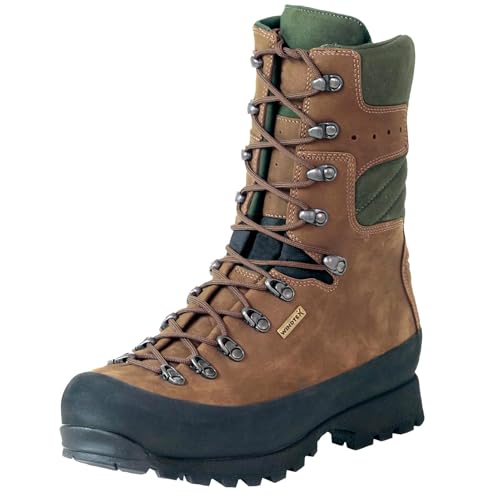


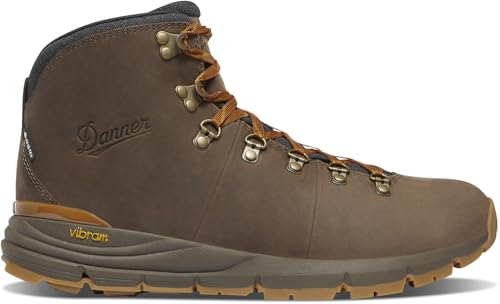
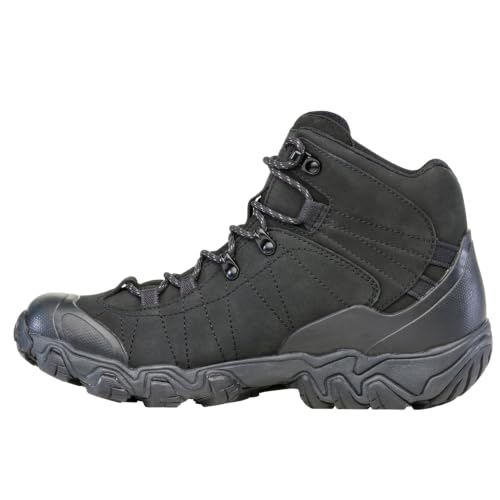


Choosing at a Glance: Where the Money Goes
Price in this category mostly buys leather quality, sole construction, and how much boot surrounds your foot. The three groups below show what each spending level usually delivers.
Durability First Builds
These boots use thick full grain uppers, firm midsoles, and soles built to be replaced when they wear down. They suit hikers who keep one pair for many seasons and walk rocky or muddy ground most weekends. Expect to pay about $250 to $400, and expect real weight on your feet.
Lighter Day Hiking Builds
Thinner leather, more flexible soles, and lower cuffs make these boots easier on short trails and travel days. They give up some ankle support and some lifespan compared with heavy builds. Most fall around $130 to $220, a fair price for moderate trails.
Heavy Load and Rough Trail Builds
Tall cuffs, stiff shanks, and deep lugs define this group, made for multi day packs and loose or steep ground. Prices run about $280 to $450, and the break in period is the longest of the three groups.
How to Choose Leather Hiking Boots
Choosing the best all leather hiking boots comes down to a short list of factors: the grain of the leather, the break in you are willing to accept, fit, weight, waterproofing, traction, and support. Each factor below explains what to check.
Leather Grain and Upper Construction
Full grain leather is the durable class in this category, because it keeps the tight outer surface of the hide and shrugs off scrapes and water. Split leather is the light class: it comes from the lower layers of the hide, costs less, and flexes sooner, but it wears faster and needs more care. Nubuck sits between the two, with a brushed surface that still handles trail abuse well. If you want one boot for many years, pay for full grain; if weight and price matter more, split leather is a fair trade.
Break In and Early Comfort
The break in period governs early comfort more than any other factor, because a leather upper starts stiff and only shapes itself to your foot through repeated flexing. Full grain boots may need several weeks of short walks before a long hike feels safe. Split leather and nubuck usually soften faster. Plan your first outings close to home and stop at the first hot spot, so a small rub never becomes a blister.
Fit, Sizing, and Toe Box
Try boots late in the day, when your feet have swollen slightly, and wear the socks you hike in. You want about a thumb width of space ahead of your toes for descents, plus a heel that stays put when you walk uphill on a ramp or stairs. Shoppers comparing men fits can start with the guide to best leather hiking boots men's, while the guide to best leather hiking boots women's covers the narrower heel and lower volume shapes many women need.
Weight and Flexibility
Every extra ounce costs energy on long climbs, though a heavy boot protects your foot and ankle on rough ground. Light leather hikers feel closer to sturdy shoes and suit groomed trails and fast day hikes. Flex the boot by hand before buying: a sole that bends only near the toes gives support under load, while one that twists easily suits light use.
Waterproofing and Wet Weather
Leather sheds light rain on its own, but long wet grass and stream crossings call for a waterproof membrane inside the boot. Boots built that way are covered in the guide to best waterproof leather hiking boots, which explains the trade off: membranes keep water out yet slow drying once the inside gets wet. Hikers in dry climates often prefer plain leather, since it breathes better and dries faster overnight.
Outsole Traction and Terrain
Lug depth is the quickest read on traction: lugs around 4 to 5 mm grip mud and loose dirt, while shallower lugs roll more smoothly on rock and packed trails. Rubber hardness matters too, since softer rubber grips wet rock better but wears down sooner on pavement and gravel.
Cushioning, Support, and Foot Type
Leather boots carry much of their support in the upper and the shank rather than in thick foam, so they feel firmer than fabric hikers at first. Flat feet usually do well with a structured insole and a boot that resists twisting, while high arches often need added cushioning under the heel. Replaceable insoles let you tune the fit without changing boots.
Types of Leather Hiking Boots
Most leather hikers fall into three builds, and the right one depends on pack weight and terrain more than on brand or price. If the care routine in this guide sounds like more upkeep than you want, the guide to best non leather hiking boots covers the fabric and synthetic route instead.
Heavy Backpacking Boots
These are the tall, stiff boots made for multi day trips with a loaded pack. The rigid sole spreads pressure on rocky ground and the high cuff guards your ankles on uneven descents. They are the slowest to break in and the heaviest to carry.
Midweight Trail Boots
Midweight boots balance support and comfort for day hikes and light overnight trips. A mid height cuff protects the ankle without the bulk of a backpacking boot, and the sole flexes enough for natural strides on rolling terrain.
Lightweight Leather Day Hikers
Low or mid cut leather shoes with flexible soles suit short trails, travel, and everyday wear in wet seasons. They break in quickly and feel comfortable almost immediately. The trade off is less protection and less support when the trail turns rough.
How to Make Your Leather Hiking Boots Last Longer
Conditioning governs leather life more than anything you do after purchase, because dry leather cracks at the flex points and cracked leather leaks and tears. A well kept leather boot commonly covers about 800 to 1,000 miles before the sole or upper gives out, while a fabric hiker usually lasts about 400 to 600 miles. The guide to best waterproofing for leather hiking boots explains which treatments suit each finish.
- Brush off dirt and rinse mud away after wet hikes, since grit left in the seams grinds the stitching as the boot flexes.
- Condition the leather whenever it looks pale or feels stiff, and let the treatment soak in overnight before the next hike.
- Air dry wet boots at room temperature away from direct heat, because heaters and campfires dry leather too fast and crack it.
- Loosen the laces fully when you take boots off, so the heel counter keeps its shape instead of folding inward.
- Rotate two pairs if you hike daily, giving each pair a full day to dry out.
Frequently Asked Questions
Can I wear all leather hiking boots all day?
Yes, once they are broken in, all leather boots are comfortable for full days on the trail. The mistake is wearing a brand new stiff pair on an all day hike, since the upper has not yet shaped to your foot. Build up with short walks over two or three weeks. If you stand on hard floors all day, choose a lighter build with a cushioned insole.
How long is the break in period for leather hiking boots?
Most leather boots need about two to four weeks of regular short walks before they feel fully yours, and heavy full grain pairs can take longer. A useful target is roughly 30 to 50 miles of easy walking before a demanding trip. Wear your hiking socks during break in, and use moleskin on any spot that warms up. Boots that still pinch after that mileage are probably the wrong size or shape, not just stiff.
Do I need waterproof leather hiking boots?
You need waterproofing if your trails involve stream crossings, snow, or long hours in wet grass, because soaked leather gets heavy and slow to dry. In dry regions, plain leather usually serves better since it breathes more and dries overnight in camp. One middle path is a plain boot treated with a quality wax or oil, which sheds light rain while keeping most of that breathability.
Are expensive all leather hiking boots worth it?
Expensive leather boots are worth it when you hike often enough to use their longer lifespan, since a full grain pair that lasts about 1,000 miles can cost less per mile than two cheaper pairs. The extra money also buys replaceable soles on some builds. If you hike a few weekends a year, a mid priced boot gives you most of the durability without the premium. Fit should always outrank price tier.
How often should I replace leather hiking boots?
Replace leather boots when the tread wears smooth at the heel or ball, when the midsole feels dead and harsh, or when the upper cracks through at the flex point despite conditioning. Many hikers get about 800 to 1,000 miles from a quality pair. A worn sole alone does not end a good boot: many leather builds can be resoled once, which costs far less than a new pair.
How should leather hiking boots fit?
Leather hiking boots should feel snug through the heel and midfoot with clear space ahead of the toes, about a thumb width when you stand. Your toes should never press the front when you kick a step or walk down a slope in the shop. Width matters as much as length, since leather stretches only slightly with wear. If your heel lifts more than a small amount with each step, try a different lacing pattern before changing sizes.
Final Thoughts
Grain, break in, and fit decide whether a leather boot becomes a long term trail partner or a costly mistake. Full grain uppers reward hikers who want maximum lifespan, lighter leather suits shorter trails, and conditioning keeps either choice alive for years. Compare your shortlist against the product table above, and you will land on the best all leather hiking boots for the way you actually hike.


