Best All Day Work Shoes 2026 Guide for Long Shifts
Disclosure: We may earn a commission when you buy through links on this page, at no extra cost to you. As an Amazon Associate I earn from qualifying purchases. Learn more

Find all day work shoes that stay comfortable through long shifts, with advice on cushioning, arch support, slip resistance, fit, and breaking in new pairs.
Work shoes fail in the third hour, not the first, which is why the best all day work shoes must be judged on how they feel at the end of a shift. Cushioning that feels soft in the shop can flatten by lunchtime, and a shoe that fits standing still may pinch once you have walked miles of corridors or concrete. The comparison table below is a starting point, and this guide focuses on lasting comfort.
All day work covers standing, walking, lifting, and quick direction changes, often on hard floors. The right shoe balances cushioning, support, grip, and weight for your specific job, rather than chasing a single feature. Start with your floor and your shift, not with the shoe that looks most comfortable on a shelf.

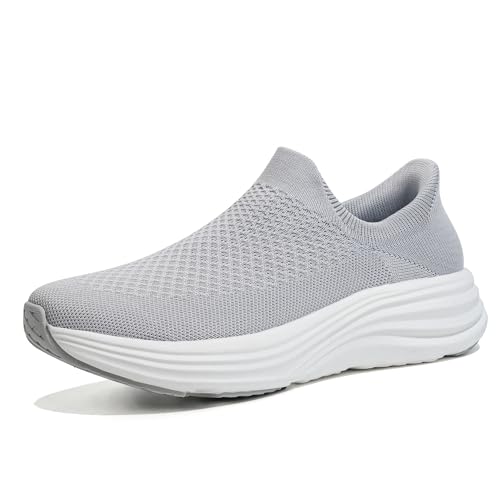


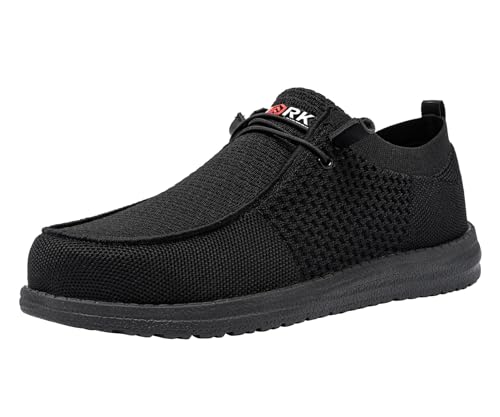
Who Should Buy All Day Work Shoes
For Workers Who Stand All Day
Standing workers need cushioning that resists flattening and a stable platform that does not roll inward. A firm but forgiving midsole, good arch support, and a roomy toe box help feet stay comfortable through a static shift. Anti fatigue mats help too, but they cannot rescue a shoe that collapses under your weight by midday.
For Workers Who Walk All Day
Walking workers need lighter shoes with flexible forefoots and reliable grip on varied floors. Breathability matters more when you are moving, since feet sweat more with activity. Look for a shoe that bends where your foot bends, with a heel that absorbs impact without feeling mushy on turns.
For Workers Who Stand and Walk
Most jobs mix standing and walking, which calls for a balanced shoe rather than a specialist. A stable heel, moderate cushioning, and a slip resistant outsole cover both patterns reasonably well. If your job also involves wet floors or dropped objects, add safety features to the brief rather than treating comfort as the only requirement.
Key Features to Compare
Cushioning That Lasts
Foam softness in the shop tells you little about hour eight. Denser foams and well designed midsoles hold their shape longer, while very soft foam can bottom out and leave feet aching. If possible, wear the shoes for a full shift at home before committing, and notice whether your feet feel fresher than in your old pair at the same point in the day.
Arch Support and Foot Type
Flat feet, high arches, and neutral feet need different support, and the wrong support causes as much pain as none at all. Removable insoles let you fit custom orthotics or aftermarket insoles, which matters if you already know what your feet need. A shoe with a stable heel counter and a supportive shank resists rolling better than a very soft, unstructured shoe.
Slip Resistance and Outsole Grip
Slip resistant outsoles use rubber compounds and tread patterns designed for wet and greasy floors, but no shoe grips every surface perfectly. Check the outsole pattern for channels that clear water, and replace shoes when the tread wears smooth. Even the best outsole needs sensible walking on wet floors, so treat grip as protection, not permission to rush.
Fit, Weight, and Breathability
Fit work shoes in the afternoon, wearing work socks, with room for toes to spread and no heel slip. Heavy shoes tire legs over a long shift, so favor the lightest shoe that still gives the support and protection your job needs. Breathable uppers reduce sweat and blister risk, while leather uppers offer more protection and durability in tougher environments.
Mistakes to Avoid
Choosing Softness Over Support
The softest shoe in the shop often feels best for five minutes and worst by the end of a shift. Support and stability keep feet aligned hour after hour, while pure softness can let feet roll and arches collapse. Look for a shoe that feels cushioned and stable together, not one that simply sinks under your foot.
Wearing New Shoes for a Full Shift
New work shoes need a gradual break in, even when they feel comfortable at first. Wear them for a few hours at home, then for a shorter shift, before trusting them for a full day. Keep your old pair available during the transition, and carry blister care until you are sure the new shoes suit your feet.
A Final Check Before You Order
Test Across a Whole Day
Wear the shoes for progressively longer periods, on the floors you actually work on, and compare evening foot fatigue with your old pair. Check for pressure points, heel slip, and hot spots before the return window closes. The product table above helps you compare, but comfort at the end of a real shift is the only test that counts.
Making the Most of Your Choice
Daily Foot Recovery
Feet recover better when you change out of work shoes promptly, stretch calves and arches, and elevate feet for a few minutes after a long shift. Rolling a ball under the foot gently loosens tight arches, and alternating shoes across days lets foam recover fully. If foot pain persists despite good shoes and recovery, see a podiatrist, since persistent pain can signal a problem that shoes alone cannot fix.
Keeping Work Shoes Fresh
Air work shoes after every shift, removing insoles to speed drying, and rotate at least two pairs if your budget allows. Washable insoles and odor control sprays help, but drying matters most, since damp shoes breed odor and break down faster. Replace insoles before replacing shoes, since worn insoles often explain new discomfort in an otherwise sound pair.
Workplace Safety Reminders
Check your workplace safety requirements regularly, since rules about slip resistance, toe protection, and electrical hazard ratings change with roles. Inspect shoes weekly for worn tread, split uppers, and loose soles, and retire pairs that no longer meet the required standard. Comfort matters, but a comfortable shoe that fails a safety requirement puts you and your employer at risk.
Before You Buy: A Quick Recap
Insoles and Fit Adjustments
If a work shoe feels close but not perfect, try a different insole before giving up on the pair, since insoles change arch support, heel cushioning, and internal volume significantly. Thinner socks can relieve tightness, while a heel grip insert can fix minor heel slip. Small adjustments often rescue an otherwise good shoe, but persistent pain after adjustments means the shoe shape is wrong for your foot.
Planning Shoe Rotation
Rotation extends shoe life more than any cleaning product, because foam and leather recover between wears and moisture dries fully. Two pairs alternated daily last considerably longer than one pair worn every day, and the cost per wear often ends up similar. Keep the second pair in a different style if your job varies, such as a lighter pair for walking days and a sturdier pair for standing days.
For a related option, our guide to best work shoes for standing all day looks at how that choice compares for everyday use and value.
You may also find our guide to best work shoes for walking all day helpful, since it covers a closely related option with different strengths.
If you want to compare a neighboring option, see our guide to best men's work shoes for standing all day for practical differences worth knowing.
A related choice worth a look is covered in our guide to best women's work shoes for standing all day, which explains where it fits best.
For more on a similar option, our guide to best work shoes for standing and walking all day sets out the key trade offs in plain terms.
Frequently Asked Questions
How should work shoes fit?
Fit work shoes in the afternoon when feet are slightly swollen, wearing your work socks and any insoles you use. Your toes should have room to spread without touching the front, and your heel should stay put when you walk. A shoe that pinches or slips in the shop will cause more trouble after hours on your feet.
Are cushioned shoes always better for standing all day?
Cushioning helps, but support matters just as much for standing work. Very soft foam can flatten and let feet roll inward, causing arch and knee pain over time. A shoe with resilient cushioning and a stable platform usually outperforms a purely soft shoe across a full shift. A short trial in your own routine usually reveals more than any specification sheet or shop demonstration.
How often should all day work shoes be replaced?
Replace work shoes when the midsole feels flat, the outsole tread wears smooth, or the upper loses support at the heel. Persistent foot, knee, or back pain that improves with new shoes is another sign of retirement. Daily wear on hard floors often wears shoes out within a year, though lighter use extends their life.
Do I need slip resistant shoes?
Slip resistant shoes are wise for kitchens, hospitals, warehouses, and any workplace with wet or greasy floors. Their outsoles use compounds and tread patterns designed to grip in those conditions. Check your workplace safety rules too, since some jobs require specific safety ratings beyond slip resistance alone. Comparing two or three options on these points, rather than on price alone, usually leads to a happier purchase.
Can I use insoles in work shoes?
Yes, and removable insoles make work shoes far more versatile for people with flat feet, high arches, or orthotics. Remove the factory insole before fitting your own, and refit the shoe with the insole in place. A shoe that fits well with its own insole may feel tight once a thicker insole is added.
Final Thoughts
The best all day work shoes are the ones that still feel supportive when your shift ends, not just when you first try them on. Use the product table above to compare cushioning, support, and grip, then test shoes across real working days. Feet that finish a shift comfortable are worth far more than a shoe that merely looked comfortable in the shop.
The best choice is rarely the most expensive or the most featured option, but the one that matches your needs without fuss. Use the product table above for a last comparison, trust the practical checks in this guide, and buy with confidence.