
Best All Black Luxury Watches: Every Type Explained Side by Side for 2026
Disclosure: We may earn a commission when you buy through links on this page, at no extra cost to you. As an Amazon Associate I earn from qualifying purchases. Learn more

Black finish, very different machines. This guide sorts the best all black luxury watches by type, movement, coating and wrist fit.
An all black watch looks simple from a distance, yet the category covers very different machines. Solar models, smartwatches, dive watches, and automatics all wear the same dark color while behaving in completely different ways on your wrist and in your budget.
This guide compares the best all black luxury watches by type, so you can match the movement, case, and features to how you actually live. Use the comparison table below to see the main types at a glance, then read on for the details that separate a smart purchase from an expensive regret. If you want the wider category first, start with our guide to the best luxury watches and come back here for the black finished options.

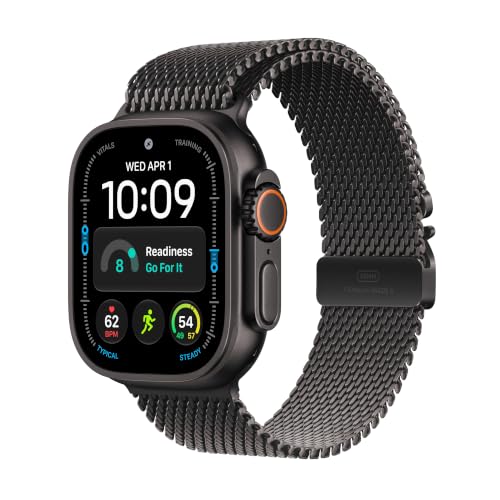
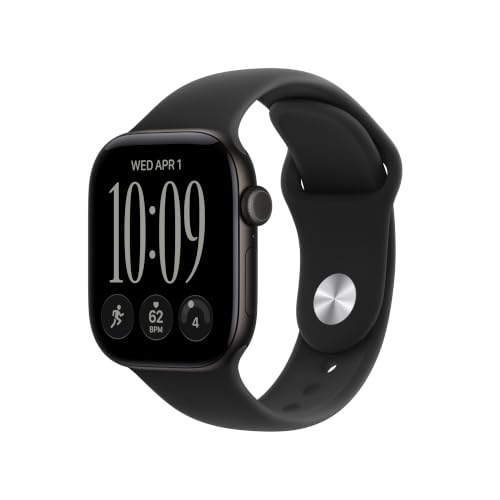

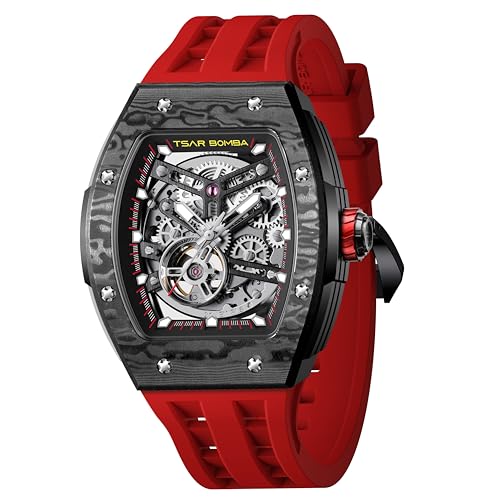

Types of Black Luxury Watches Compared
Price alone tells you little in this category, because a black coating can sit on a fashion grade case or on a serious dive instrument. The four types below cover nearly every luxury option you will find. As a rough map, solar and smart models often start around $300 to $800, field and dive models run about $500 to $3,000, and fine automatics commonly range from about $1,000 to well past $10,000. What changes with price is finishing, movement quality, coating durability, and service support.
Solar Watches
A solar watch charges a rechargeable cell from light that passes through the dial, so it can run for months on a full charge and rarely needs a battery swap. In black, solar models pair well with titanium cases because the pairing stays light on the wrist and the dark finish hides small scuffs from daily wear.
The trade off is choice. Fewer luxury solar models exist than quartz or automatic ones, and the cell will eventually lose capacity after many years, at which point a service center replaces it. Choose solar if you want grab and go accuracy, low upkeep, and a watch that is ready every morning without winding or charging cables.
Smartwatches
A luxury smartwatch adds notifications, GPS tracking, health sensors, and changeable faces to the all black look. Battery life is the defining limit, ranging from about one day to roughly two weeks depending on the screen and how much GPS you use. You will charge it often, and that habit suits some owners and annoys others.
Software support also has a lifespan, so a smartwatch rarely becomes a long term heirloom the way a mechanical watch can. Choose one if fitness data, phone alerts, and quick release strap swaps matter more to you than decades of service life. The bright lume free screen is easy to read, but it will never glow in the dark without power.
Dive and Field Watches
Dive and field watches are the tool watches of the group, built around legibility, strong lume, and water resistance of 100 m or 200 m. Black coatings on these models are usually DLC or PVD over steel, and the coating protects the look while the case underneath handles knocks, grit, and salt water.
They wear larger and thicker than dress styles, and the rotating bezel or bold markers can look sporty with formal clothing. Choose this type if you swim, travel, work outdoors, or simply want one watch that shrugs off hard use. A screw down crown and a solid case back matter more here than a display window.
Automatic Watches
An automatic movement winds itself from the motion of your wrist and stores power for roughly 38 to 80 hours in most luxury models. This is the classic luxury choice, with smooth sweeping seconds, sapphire crystal on most examples, and movements that a good watchmaker can service for decades.
The costs are accuracy and upkeep. Expect a few seconds of drift per day and a full service about every 5 to 7 years. Choose an automatic if you value craft, long service life, and resale strength, and if you will wear the watch often enough to keep it running. If dial design is your main interest, our guide to the best black dial luxury watches explains matte, sunray, and textured finishes in depth.
Solar Watches vs Smartwatches: Which Should You Choose?
These two types solve the same problem, a watch that asks little of you, in opposite ways. A solar watch wins on upkeep, since light keeps it running for months and there is no screen to fade or software to age out. A smartwatch wins on information, giving you GPS routes, messages, and health data that no solar model can match.
Battery reality decides for many buyers. Solar means no charger on your nightstand, while a smartwatch means a regular charging routine and a battery that slowly wears down. Looks matter too, because a solar watch keeps a classic dial and hands, while a smartwatch face changes with your settings. Pick solar for a true watch that happens to be low effort. Pick smart if the watch is really a second screen for your phone. Shoppers who want the dark look without the luxury price can also browse our guide to the best black watches for the broader market.
How to Choose the Right Black Luxury Watch
Once you know your type, five decisions shape how happy you will be in a year. Work through them in order, because case size and water resistance are hard to change after purchase, while straps are easy. Women comparing smaller cases and slimmer profiles will also find useful sizing notes in our guide to the best luxury watches for women.
Crystal and Case Materials
Sapphire crystal is the luxury standard because it resists scratches from almost everything except diamond, while mineral glass costs less and can scuff over time. For the case, 316L steel is tough and easy to refinish, but black coatings complicate polishing, since a deep scratch can show bright metal underneath. Titanium weighs far less and suits larger cases, and ceramic resists scratches best of all, though it can crack under a hard impact. Ask how the black finish is applied, because DLC generally outlasts basic PVD.
Water Resistance Rating
Ratings describe static pressure in a lab, not real world swimming forces, so read them with care. A 30 m rating means splash resistance only, fine for rain and hand washing but not for a shower or pool. At 100 m you can swim and snorkel with confidence, and 200 m with a screw down crown suits recreational diving. Gaskets age, so have the seals checked every couple of years if you swim often. A luxury watch you cannot wear near water will spend many summer days in a drawer.
Case Size and Wrist Fit
Most all black luxury models run from 38 to 44 mm, and black cases wear visually smaller than steel ones, so a 42 mm black case can look like a 40 mm steel case. Measure your wrist, then check the lug to lug length, because that span decides whether the case overhangs. Thickness matters under a shirt cuff, where anything past about 13 mm starts to catch. Sizing advice aimed at men, including lug to lug charts, appears in our guide to the best men's luxury watches.
Brand Reputation, Warranty, and Value
A luxury price should buy you a warranty of at least two years, a service network you can actually reach in the US, and spare parts support for many years. Established makers hold value better because demand for their used watches stays strong and independent watchmakers know the movements. Check what a routine service costs before you buy, since a $700 service bill changes the true price of a $2,000 watch. Keep the box, papers, and service records, because complete sets sell faster and for more money later.
Movement Type (Quartz, Automatic, Solar, Smart)
Quartz is the accuracy champion, drifting only seconds per month, and it keeps luxury cases slim, but it needs a battery change about every 2 to 3 years. Automatic movements trade a little accuracy for craft and longevity, with service every 5 to 7 years. Solar removes battery changes almost entirely, while smart movements add features at the cost of charging and eventual software limits. Match the movement to your habits, because the best movement is the one whose upkeep you will actually accept without resentment.
How to Make Your Black Luxury Watch Last Longer
Care for a black watch focuses on the coating, because the finish is what makes it special. Service automatic watches every 5 to 7 years even if they seem fine, since old lubricants thicken and wear the movement. Rinse any watch after saltwater exposure with fresh water and dry it with a soft cloth, and never operate the crown while the watch is wet.
Store the watch away from magnets, which can speed up a mechanical movement, and keep it out of prolonged direct sun if it has a coated case you want to stay deep black. Use a soft brush for the bracelet, avoid harsh chemicals on the coating, and swap straps with care so the spring bar tool does not slip and scar the lugs.
Black Luxury Watches: Your Questions Answered
What case size fits my wrist?
Most wrists between 6 and 7 inches suit a 38 to 42 mm case. Measure your wrist with a soft tape, then compare it with the lug to lug length rather than diameter alone. If the lugs hang past your wrist edges, size down. Black cases look smaller than steel, so you can often wear one size up comfortably.
Is a smartwatch worth it over a classic watch?
It is worth it if you will use GPS, notifications, and health tracking every day. Those features earn their place only when they change what you do. If you mainly want time, style, and long service life, a classic watch serves you better, because software support ends long before a mechanical movement wears out.
Quartz or automatic: which is better?
Quartz is better for accuracy and low cost of ownership, while automatic is better for craft, smooth motion, and decades of service life. Neither wins in the abstract. Daily wearers who hate setting the time pick quartz or solar. Collectors who enjoy the mechanics and accept service costs pick automatic without regret.
How long does a watch battery last?
A standard quartz battery lasts about 2 to 3 years, and solar cells run far longer because light recharges them daily. Smartwatch batteries are measured in days per charge, not years. When a quartz watch starts losing time or the seconds hand jumps in steps, treat that as the low battery warning and plan a replacement with fresh seals.
How water resistant should a watch be?
Choose 100 m if you swim, and 30 m only if the watch will stay dry apart from rain and splashes. The rating counts lab pressure, and moving water adds force, so leave a margin. Divers need 200 m and a screw down crown. Whatever the rating, old gaskets fail first, so periodic seal checks protect the movement.
Our Verdict
Start with type, then fit, then finish. Solar and smart models reward busy owners, dive and field models reward active ones, and automatics reward anyone who values long service life. Whichever route you take, the best all black luxury watches share sapphire crystal, an honest water rating, and a case that fits your wrist. Compare the finalists in the product table above before you decide.


