
Best All Around Workout Shoes 2026: A Practical Buying Guide
Disclosure: We may earn a commission when you buy through links on this page, at no extra cost to you. As an Amazon Associate I earn from qualifying purchases. Learn more

Lifting on Monday, class on Wednesday, cardio on Friday? This guide shows how to choose the best all around workout shoes for a mixed week.
Choosing best all around workout shoes can feel confusing when every option claims to be the best choice for gym goers who lift, do classes, use cardio machines and want one pair that handles a mixed weekly routine. This guide cuts through that noise by explaining the types, the features that matter, and the trade offs in plain language, so you can shortlist with confidence. The comparison table below gives a quick overview, and the sections that follow help you match a model to your routine.
Start with how you will actually use it day to day, not with a feature list. A model that fits your space, your budget and your habits will serve you far better than a more expensive model built for a different routine. Keep that use in mind as you read, and note the questions that matter most for your home.

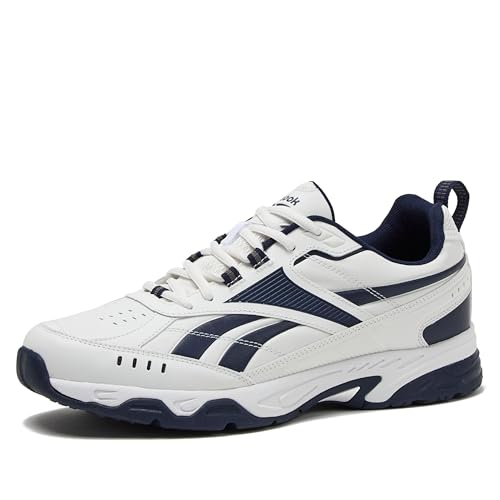
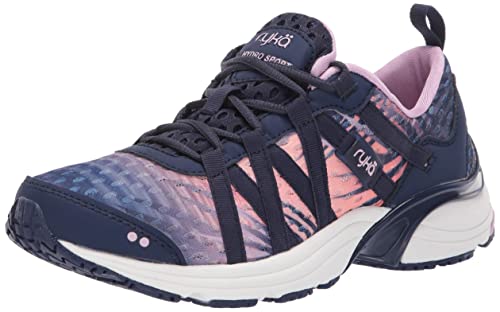
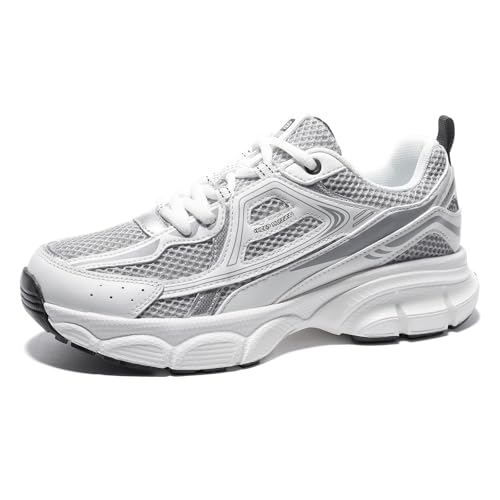
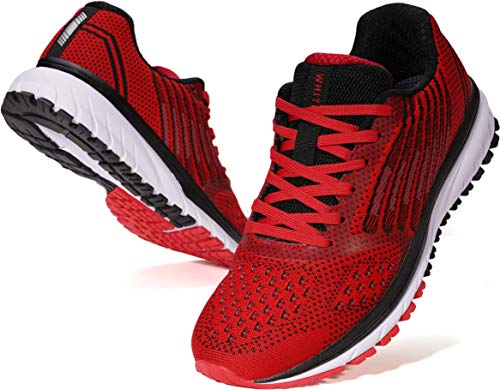
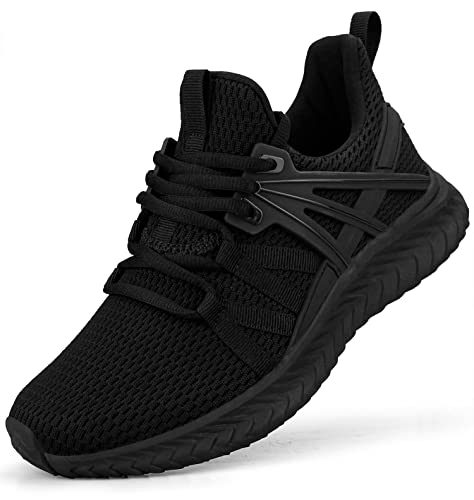
Who Should Buy Which Option
Different buyers need different strengths, and the right choice depends on your routine, your space and how often you will use it. The groups below cover the most common situations, so find the one closest to yours and use its priorities as a starting point.
Mixed routine gym goers
Mixed routine gym goers need one pair that handles weights, classes and cardio without a wardrobe of specialist shoes. A cross trainer with a stable base and moderate cushioning fits this week. Prioritize fit and stability over a single standout feature. Related reading includes our guide to best workout shoes for a closer look at that related guide.
Class lovers
Class lovers need lateral support, breathability and grip for fast footwork and direction changes. A light trainer with a secure midfoot suits this routine. If classes include heavy weights, look for a firmer heel rather than the softest available model. Related reading includes our guide to best all around shoes for a closer look at that related guide.
Home gym users
Home gym users need a shoe that works on a home floor, a mat and possibly outdoors for a short run. A versatile cross trainer covers most home sessions. Check the sole for your floor type, because a dark marking sole can mark a home gym floor.
Types Explained
Understanding the main types helps you rule out whole categories quickly. Each type below suits a different routine, and the trade offs are usually clear once you compare size, cost and everyday effort.
Cross training shoes
A cross training shoe balances lateral support, cushioning and a stable base, which suits a mixed routine of weights, classes and short cardio bursts. The sole is firmer than a running shoe, so it stays stable under a loaded squat. It will not match a specialist shoe in any one activity, but it covers many well.
Gym trainers with a flat base
A gym trainer with a flat, wide base suits lifting and stability work, because the foot stays planted and the heel does not sink. Cushioning is thinner than a running shoe, which helps balance. For long treadmill sessions, add a more cushioned pair or accept a firmer feel.
Light all around trainers
A light all around trainer suits classes, circuits and cardio machines, where breathability and flexibility matter more than maximum stability. The upper moves with the foot, and the sole grips studio floors. For heavy lifting, the softer sole is a trade off to consider.
Key Features to Compare
Once you know your type, compare these features side by side. A feature that matters greatly for one routine may matter little for another, so rank them for your own use before you compare prices.
Stability under load
A stable shoe keeps the foot level during squats, lunges and lateral moves, which protects the ankle and knee. Look for a firm heel, a wide base and a sole that does not compress unevenly. A very soft running sole can feel wobbly under a barbell.
Lateral support
Classes and court style drills involve side to side movement, so the upper must hold the foot without pinching. A secure lacing system and a structured midfoot help. A shoe built only for straight line running often feels loose on lateral moves.
Cushioning balance
Cushioning must absorb impact on jumps and cardio work without making the shoe unstable for lifting. A moderate midsole with a firmer heel area often strikes the best balance for a mixed routine. Very thick, soft cushioning feels comfortable walking but vague under load.
Grip and durability
Gym floors vary from rubber to wood to polished studio floors, so a sole that grips without squeaking excessively matters. Check the outsole rubber thickness, because studio and outdoor use wear soles at different rates. Reinforced toe areas last longer for burpees and rope work.
For a related choice, see our guide to best workout shoes for men, which covers a neighboring option that many buyers compare alongside this one.
What Your Money Gets You
At about $60 to $100, you can expect solid basics and reliable everyday performance, though materials and extra features stay modest. This tier suits buyers who want good value and do not need premium finishes or advanced extras. Focus on fit, core performance and running costs at this level.
At about $100 to $160, you gain better materials, stronger performance and more thoughtful details, such as quieter operation, easier cleaning or a wider range of sizes. This tier suits regular users who will notice the difference daily. It is often the sweet spot for a purchase you plan to keep for years.
At about $160 to $230, you pay for premium materials, the best performance and the longest expected life, plus design details that make daily use more pleasant. This tier suits buyers who use the product heavily or want a long term investment. Before paying this much, confirm that the extra features match your routine, not just your wish list.
Care, Maintenance and Common Mistakes
Air workout shoes after each session, and rotate pairs if you train daily, because cushioning recovers better with rest. Wipe the soles, check the laces and midsole for wear, and replace shoes when the heel leans or the cushioning feels flat on one side.
A common mistake is training in running shoes for heavy lifting, where a soft heel can feel unstable. Another mistake is wearing a new pair for a long class before breaking it in. Stop and seek clinician advice for persistent foot, ankle or knee pain, swelling or numbness that does not settle with rest.
Frequently Asked Questions
Can one shoe really handle lifting and cardio
One cross training shoe can handle a mixed routine well, though it will not match a specialist lifting shoe or a specialist running shoe in their own areas. For most gym goers, the versatility outweighs the compromise. If you lift very heavy or run long distances regularly, consider a second specialist pair.
What makes a workout shoe different from a running shoe
A workout shoe has a firmer, wider base and more lateral support for side to side movement and lifting. A running shoe prioritizes forward cushioning and a soft heel for impact. Wearing a running shoe for lateral drills can feel loose and less stable.
How should workout shoes fit
They should feel snug in the midfoot and heel without pinching the toes, with a thumb width of room ahead of the longest toe. Try them with your gym socks and do a few squats, lunges and side steps in the shop. Feet swell during a workout, so a very tight fit will feel worse later.
How long do workout shoes last
For regular gym use, many pairs last around six to twelve months, depending on frequency, body weight and surface. Replace them when cushioning feels flat, the heel leans inward, or the outsole wears smooth in key areas. Rotating two pairs can extend the life of each.
What should I check before ordering
Check the heel stability, lateral support, cushioning balance, grip for your gym floor, and the fit with your gym socks. Also consider whether your routine leans more toward lifting, classes or cardio, and let that lean guide the balance of the shoe you choose.
A useful test before you commit is to try the shoes through a short circuit that mirrors your week: a few squats, a set of lunges, side steps, a short jog in place and a balance hold. Note whether the heel stays planted during squats, whether the midfoot feels secure on side steps, and whether the cushioning feels comfortable for the cardio portion. A shoe that passes all three parts of that circuit will handle a mixed gym week far better than a shoe that excels at only one part.
Final Thoughts
The right best all around workout shoes is the one that fits your routine and your budget, and that you will enjoy using regularly. Compare the types and features above, check the size and running costs, and avoid paying for extras that do not serve your daily use. The product table above gives a quick recap, so revisit it once you have a shortlist.
Before you order, write down your last four workouts and the moves they included. If lifting dominates, lean toward a firmer base; if classes and cardio dominate, lean toward a lighter, more breathable trainer.


