Best All Around Slippers in 2026: Which Type Is Right for You?
Disclosure: We may earn a commission when you buy through links on this page, at no extra cost to you. As an Amazon Associate I earn from qualifying purchases. Learn more

Confused by all the options? We compare every type of around slipper side by side so you can choose the best all around slippers for your space and budget.
Slipper shopping looks simple until you face mules, clogs, booties, moccasins, and slide styles that all promise comfort. The right pair depends on your floors, your feet, and whether you step outside for mail or a quick trip to the garage. That is why the best all around slippers are not the softest pair on the shelf, but the pair that fits your whole day.
This guide compares each major type so you can see the tradeoffs clearly. Use the comparison table below to spot price tiers and sole styles, then read on for fit, support, and care advice that helps a pair last.



Types of Slippers Compared
Think of slipper types by how they hold the foot and where they work best. Open back styles are easy to step into but offer less stability on stairs. Closed back styles stay put and feel safer for busy homes. Soft soles suit carpet and quiet floors, while firm rubber outsoles handle tile, wood, and short outdoor trips. Price follows materials and construction. Basic fleece pairs often cost under $40, supportive leather or wool pairs often run about $60 to $120, and specialty supportive designs can cost more.
Sandals and Recovery Footwear
Sandal style slippers and recovery footwear use an open toe or slide shape with a thick, cushioned sole. They feel breathable in warm homes and work well after exercise, when feet run hot and swollen. The raised arch and rocker shape in many recovery designs can feel supportive for short indoor wear. Their limits are exposure and stability. Toes stay unprotected, the foot can slide on smooth floors, and a very soft sole can feel wobbly for anyone with balance concerns. Choose this type for warm climates, post workout comfort, and homes without stairs as a daily obstacle.
Neutral Shoes
In slipper terms, neutral cushioned slip on styles act like a middle path. They offer even cushioning without a strong corrective shape, a closed or partly closed upper, and a sole that bends naturally with your stride. They suit the widest range of feet because they neither push the foot inward nor outward. Look for a stable heel counter and a toe box that lets toes spread. Their weakness is that plain cushioning alone may not be enough for people who need firm arch support or who stand on hard kitchen floors for hours.
Waterproof Boots
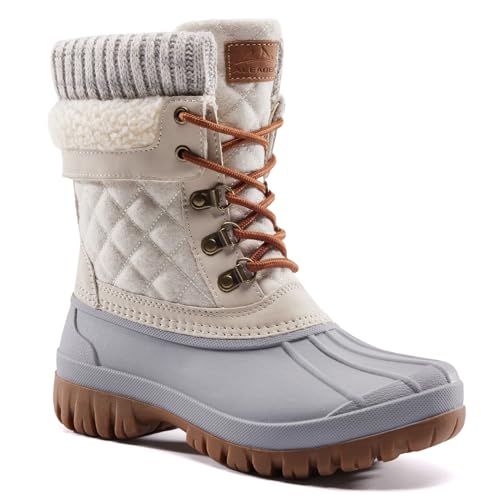
Boot style slippers answer a different problem, the quick step outside. A taller upper, a sealed or water resistant shell, and a lugged rubber outsole keep feet dry at the door, on a wet porch, or during a short dog walk in light rain. Some designs borrow membrane ideas similar to Gore Tex footwear, which block water while letting some vapor escape. The tradeoff is warmth and bulk. These pairs feel hot in summer and clumsy as all day house shoes. Treat them as a door side pair that complements a lighter indoor slipper, not always as your only pair.
Sandals and Recovery Footwear vs Neutral Shoes: Which Should You Choose?
Choose recovery sandals when breathability and easy entry matter most. They shine in warm rooms, after showers, and for short bursts of standing, and they rinse clean with little effort. Choose neutral cushioned slip ons when you need coverage, stair stability, and a sole that works on mixed floors throughout the day. On cost, basic slides often start lower, while well built closed styles cost more but usually last longer. On safety, a closed heel and a grippy outsole win for older adults and anyone carrying laundry or children up and down steps.
A practical know how point is to test both styles on your actual floors. Walk on tile, wood, and carpet, turn quickly, and climb a few stairs. A sole that feels plush on carpet may skate on wet tile, and an open back that feels fine standing still may slap and shift the moment you hurry.
How to Choose the Right Slipper
Arch Support and Foot Type
Start by knowing your arch. Flat feet often feel best with a firm, shaped footbed that supports the midfoot instead of letting it collapse into soft foam. High arches usually prefer cushioning that fills the gap under the arch so pressure spreads evenly. If you overpronate at home in bare feet, a stable heel cup helps the slipper track straight. Readers exploring firmer support can compare notes with the guide to best slippers for plantar support needs. See a doctor or podiatrist promptly if you have sharp heel pain, numbness, swelling that does not fade, or any foot sore that heals slowly, especially with diabetes.
Outsole Traction and Terrain
The outsole decides where a slipper is safe. Smooth fabric or suede soles belong on carpet only. Molded rubber with shallow tread suits wood and tile, while deeper lugs help on garage concrete and outdoor paths. Some outdoor leaning soles use rubber compounds similar in spirit to Vibram soles, valued for grip on wet stone. Check that the sole wraps slightly up at the heel and toe, because that shape resists stubbing and peeling. If your home has polished floors, grip matters more than extra cushioning thickness.
Waterproofing: Gore Tex and Membranes
Most slippers do not need full waterproofing. A membrane or sealed shell earns its cost only if you step outside often in rain or snow, or if you want a door side pair for winter. The tradeoff is breathability. Waterproof layers trap more heat and moisture, so feet can feel clammy during long indoor wear. For purely indoor use, a water resistant spray on treatment or a quick dry upper is usually the smarter balance. Save true waterproof builds for porch, patio, and short errand duty.
Fit, Sizing, and Toe Box
Measure your feet in the afternoon, when they are at their largest, and wear the socks you plan to use at home. Your heel should sit fully on the footbed without hanging off the back, and your toes should not press the front. A wide toe box helps bunions and lets toes splay for balance. Many slippers stretch, especially shearling and knit uppers, so a snug first fit is normal, but numbness or rubbing is not. If you fall between sizes, follow the maker guidance for that style rather than guessing, and check the return window before you wear them beyond a clean indoor trial.
Care and Maintenance Tips
- Air dry wet slippers away from direct heat, because radiators and dryers can crack leather and warp molded soles.
- Rotate two pairs for daily wear so foam and wool have a full day to recover shape and dry out.
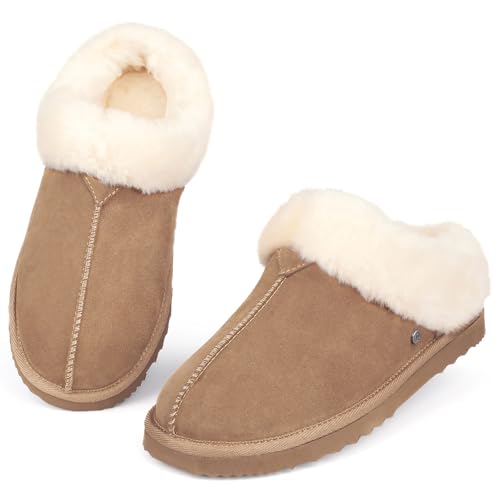
- Brush suede and shearling gently and spot clean fabric uppers, then let them dry fully before the next wear.
- Replace pairs when the outsole tread smooths out or the cushioning stays flat, often after a year or two of heavy daily use.
- Wash removable insoles separately and air them weekly if odor builds, which keeps the whole pair fresher for longer.
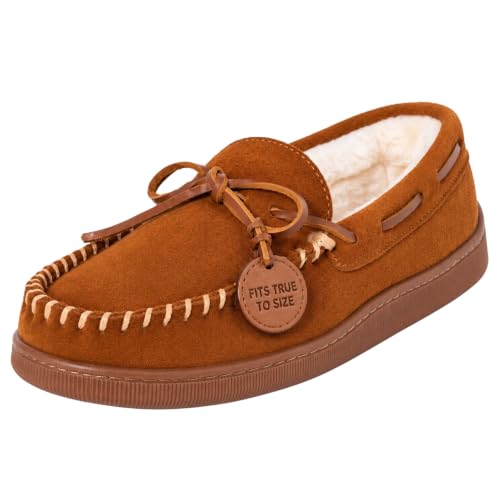
Care habits differ by material. Leather benefits from occasional conditioning, wool resists odor naturally but hates hot water, and memory foam should never be soaked for long. Readers who prioritize lasting construction can cross check materials against the roundup of best quality slippers before deciding how much to spend.
Around Slippers: Your Questions Answered
How should all around slippers fit?
All around slippers should fit snug at the heel and midfoot with clear space at the toes. Your foot should not slide forward when you walk downhill on a ramp or stairs, and the upper should not bite across the top of your foot. A useful check is the stair test. If you must grip with your toes to keep the slipper on, the fit or the style is wrong for daily wear.
How often should I replace my all around slippers?
Replace them when support or grip fades, not on a fixed calendar date. Signs include a sole that feels thin under the heel, tread worn smooth on tile, or an upper stretched so loose that your foot shifts. Heavy daily wear can wear out soft foam in under a year, while firm leather or wool pairs often last several years with rotation and basic care.
How long is the break in period for all around slippers?
Most soft slippers feel good within a day or two, while firm supportive footbeds and leather uppers can take one to two weeks of short wears. Start with an hour at a time and add time as your feet adapt. Pain is not part of a normal break in. Rubbing that causes blisters, or arch ache that grows each day, means the shape does not suit your foot.
Are expensive all around slippers worth it?
They can be, if the extra cost buys a durable outsole, real arch support, and natural materials that hold their shape. Shoppers comparing household budgets for different family members often start with the guide to best slippers for women and then weigh the same features for other adults. A high price alone guarantees nothing. Check return terms, sole construction, and whether replacement insoles are available before paying premium prices.
Do I need waterproof shoes as slippers?
You need waterproof construction only if your slippers regularly go outdoors in wet weather. For most homes, a rubber outsole and a water resistant upper handle splashes, pet bowls, and a damp bathroom floor. Full waterproof builds run warmer and cost more. Many households solve this with two pairs, a light indoor pair and a sturdy door side pair for wet trips outside.
Can I wear all around slippers all day?
You can wear supportive slippers for much of the day if they fit well and your floors demand footwear. Choose a closed back, a firm footbed, and a grippy sole, and take short barefoot or shoe breaks if your clinician advises variety for foot strength. Anyone with diabetes, poor circulation, or recurring foot pain should ask their clinician what daily footwear is safe for their personal needs.
Wrapping Up
Decide by type first, then by support and sole. Warm homes and quick wear favor open recovery styles, most households do best with a neutral cushioned closed style, and wet door duty calls for a boot style pair. Fit in the afternoon, test grip on your own floors, and do not ignore heel stability if stairs are part of your day.
Men comparing the same tradeoffs can also look at the guide to best male slippers for sizing notes by foot shape. When you are ready, check the product table above against your floor type, arch needs, and budget. The best all around slippers for you will feel secure, supportive, and easy to live in from morning coffee to the last trip to lock the door.