
Best All Around Sandals: A Buyer Checklist for 2026
Disclosure: We may earn a commission when you buy through links on this page, at no extra cost to you. As an Amazon Associate I earn from qualifying purchases. Learn more

Use this checklist to find the best all around sandals, covering fit, cushioning, arch support, materials, traction, and value for daily wear.
A sandal that works for a beach walk, a market run, and a full day of sightseeing has to do more than look good on a shelf. This checklist for best all around sandals shows you how to judge fit, support, and traction before you buy. Use it with the comparison table below to narrow your options with confidence.
The most common mistake is buying for one sunny afternoon. Think about your longest typical day on your feet, because that day reveals whether the footbed, straps, and outsole truly suit you.

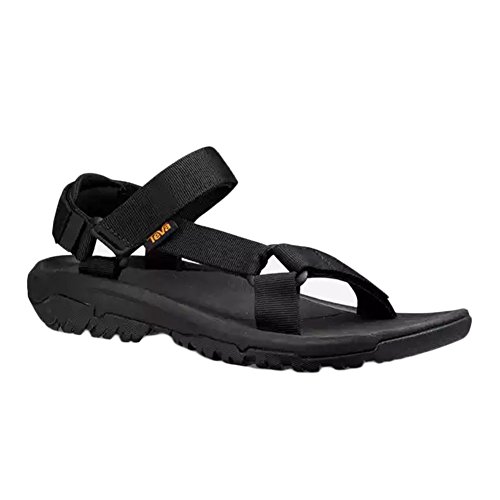


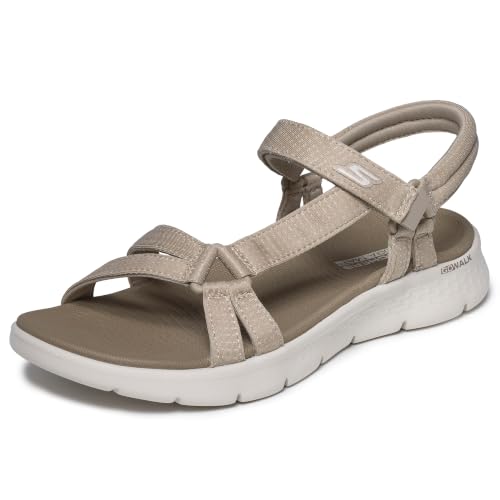


How to Evaluate All Around Sandals
Evaluate in this order: fit, support, outsole grip, strap comfort, then style. A beautiful sandal that slips at the heel or flattens by noon will sit in your closet while a plainer pair does all the work.
Fit, Sizing, and Toe Box
Measure your feet in the afternoon, when they are at their largest, and match the result to the brand size chart rather than assuming your shoe size transfers. Your heel should sit inside the footbed edge and your toes should not hang over the front. A roomy toe box lets toes spread on long walks, while adjustable straps help dial in fit across the day. If you are between sizes, most walkers do better sizing up when the straps adjust well.
Break In Period and Comfort Out of the Box
Quality sandals should feel comfortable on a short first walk with no strap digging or sharp edges. Leather straps and cork style footbeds mold over one to two weeks and improve with wear. Synthetic sport sandals usually need almost no break in time. Practical know how: wear new sandals at home for an hour before a big outing, and carry a small blister bandage on the first long day just in case.
Cushioning and Support
Cushioning absorbs impact, while support controls how your foot rolls and how tired your arches feel by evening. Look for a contoured footbed with clear arch support and a heel cup, plus enough midsole thickness to protect you on pavement. Heel to toe drop in sandals is subtle, but a slight rise at the heel often feels kinder during long standing. People who need stability should favor firmer support over pillowy softness that bottoms out.
If travel walking is your main use, compare notes with our guide to the best sandals for walking around europe, where cobblestones and museum days set a high bar.
Durability and Expected Lifespan
Expect a well made pair worn regularly to last one to three warm seasons, depending on mileage and surfaces. Outsole wear at the heel and forefoot tells the truth first, along with strap stitching and buckle strength. Unlike running shoes with a 300 to 500 mile foam life, sandals often fail at straps or tread before the footbed gives up. Rotating two pairs extends life and lets each pair dry fully between wears.
Weight and Flexibility
Light sandals reduce leg fatigue and pack easily, but paper thin soles transmit every pebble and offer little support. A good all around pair bends naturally at the forefoot while staying firm through the arch. Twist the shoe gently in store: it should flex where your foot flexes, not fold in the middle. For packers, a pair that weighs under about 1 lb total is easy to justify in a carry on bag.
Upper Materials and Breathability
Leather looks polished and molds to your foot, but it needs drying time after rain and can stain. Synthetic webbing dries fast, handles water days, and suits sport use, though it can look casual. Mesh and knit straps breathe well in heat but offer less structure. Breathability matters most between the straps and the footbed, so favor materials that do not trap sweat against your skin on humid days.
Waterproofing (Gore Tex and Membranes)
True waterproof membranes like Gore Tex belong to closed shoes, not open sandals, so for sandals the real question is water friendliness. Rubber footbeds, synthetic straps, and drainage friendly designs handle pools, boats, and sudden rain without damage. Leather and cork footbeds should be kept as dry as possible. Choose water ready construction if your days involve beaches or theme park water rides, a scenario covered in our guide to the best sandals for walking around disney.
Three Sandal Profiles That Pass the Checklist
Use these three tier profiles against the product table above rather than chasing named models. Each profile covers who it suits, what it does well, and its main compromise.
Balanced Profile
The balanced profile combines a contoured supportive footbed, adjustable straps, and a grippy rubber outsole, usually around $60 to $110. It suits daily errands, travel days, and casual work settings. Strengths are versatility and all day comfort. The compromise is weight and looks, since supportive builds rarely match the sleek profile of fashion slides that offer almost no support.
Value Profile
The value profile, often about $35 to $60, keeps arch support and adjustable straps while using simpler materials and thinner outsoles. It serves occasional wearers and growing teens well. Check strap padding carefully at this tier, because raw edges are the top complaint. For wider comparison, see how owners rate options in our guide to the best rated sandals before you settle.
Premium Profile
The premium profile, often about $110 to $160, adds full grain leather, replaceable or resoleable parts on some designs, and refined finishes that work with dressier outfits. It suits buyers who wear sandals daily for months and value longevity. You pay more upfront but often less per wear. The limit is care: premium leather and cork need drying time and protection from soaking.
Quick Buyer Checklist
- Does your heel stay inside the footbed with no sliding when you walk fast?
- Can you adjust at least two straps for swelling across a long day?
- Does the arch support meet your foot without a painful pressure point?
- Does the outsole grip on wet tile in the store or at home?
- Is the toe box wide enough for your toes to lie flat and spread?
- Will the materials handle the water exposure in your normal routine?
- Is the return window long enough to try them indoors first?
Red Flags to Watch For
Avoid completely flat, thin soles sold as healthy minimalism if you plan long pavement days, unless you already wear that style comfortably. Be cautious with non adjustable straps on wide or narrow feet, vague sizing charts, and glued strap joints with no stitching. Very short return windows are a warning for any fit critical footwear. Also skip pairs whose footbed feels slick when dry, because it will be worse with sweat or rain, a lesson echoed in our guide to the best sandals to walk around europe.
Choosing All Around Sandals for Your Situation
Your daily routes should decide the final call. Pavement commuters need cushioning and tread, beach regulars need water ready materials, and travelers need light weight plus support.
All Around Sandals for Women
Women choosing the best all around sandals often benefit from narrower heel cups, strap placements that avoid ankle bones, and footbeds shaped for varied arch heights. Adjustable straps matter even more because feet swell in heat and during travel. Look for polished finishes if the same pair must suit casual offices and dinners, and prioritize a secure heel strap for long walking days over slip on ease.
How to Make Your Sandals Last Longer
- Air dry wet sandals away from direct heat, which can crack leather and warp footbeds.
- Rotate two pairs for daily wear so foam and leather recover between outings.
- Clean footbeds weekly in summer to prevent odor and slippery buildup.
- Replace the pair when tread smooths at the heel or straps stretch beyond adjustment, and note that heavy walkers may reach that point near 300 to 500 miles of use.
Practical know how: rinse grit and sand off outsoles after beach days. Trapped grit grinds into strap joints and footbeds and quietly shortens the life of an otherwise sturdy pair. Theme park planners can find more mileage focused tips in our guide to the best sandals to walk around disney.
All Around Sandals: Your Questions Answered
Do I need waterproof shoes?
You do not need waterproof sandals in the membrane sense, because open designs cannot seal water out. You do need water friendly materials if your routine includes pools, rain, or beach days. Synthetic straps and rubber footbeds dry fast and resist damage, while leather and cork need protection and slow drying to stay in good shape.
How long is the break in period?
The break in period is usually a few short wears over one to two weeks for leather and cork footbeds, and almost none for synthetic sport sandals. Comfort should improve steadily, not worsen. If straps still cut or the arch still hurts after two weeks of gradual wear, the fit is wrong and more time will not fix it.
Can I wear them all day?
Yes, you can wear supportive sandals all day if the arch support, cushioning, and strap fit match your feet. Start with shorter days and build up, especially before travel. If you develop ongoing heel, arch, or joint pain, stop and talk with a clinician or footwear specialist about your personal needs rather than pushing through discomfort.
How often should I replace my sandals?
Replace your sandals when the outsole tread is smooth at the heel, the footbed no longer supports your arch, or straps cannot be tightened securely. For daily wearers that is often every one to two warm seasons. Worn tread raises slip risk on wet surfaces, so treat replacement as a safety choice, not just a comfort upgrade.
How should all around sandals fit?
Sandals should fit with your heel seated in the heel cup, toes lying flat without hanging over the edge, and straps snug without cutting. There should be a small margin of footbed visible at front and back. Walk, turn, and step down stairs in them before deciding, because heel slip often appears only when you change direction or descend.
Wrapping Up
Fit, real arch support, and honest traction matter more than style claims or soft first impressions. Match the tier to how many miles your weeks actually hold, then compare finalists in the product table above. When you choose best all around sandals by this checklist, one pair can carry you from morning errands to evening walks in comfort.


