
Best All Around Hiking Shoes 2026 Buying Guide for Trails
Disclosure: We may earn a commission when you buy through links on this page, at no extra cost to you. As an Amazon Associate I earn from qualifying purchases. Learn more

Compare all around hiking shoes for day walks and mixed trails, with advice on low cut comfort, grip, waterproofing, cushioning, and fit for long days outside.
Low cut hiking shoes have become the default for many walkers, because they feel lighter and more natural than boots on most trails. The best all around hiking shoes keep that freedom while adding the grip, protection, and durability that ordinary trainers lack. The comparison table below gives you a starting point, and this guide explains where shoes beat boots and where they do not.
Shoes suit smooth to moderately rough trails, fast walkers, and anyone who dislikes the weight and stiffness of boots. They give up ankle coverage and some protection on very rocky ground, so honest route assessment matters. If your walks stay on paths with occasional rough sections, a good hiking shoe is often the more enjoyable choice.
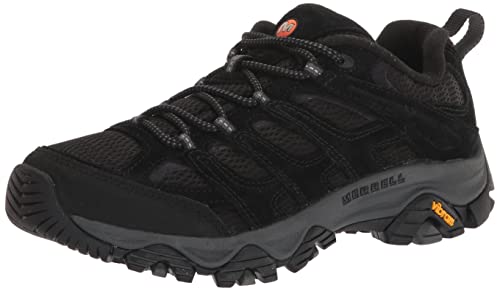

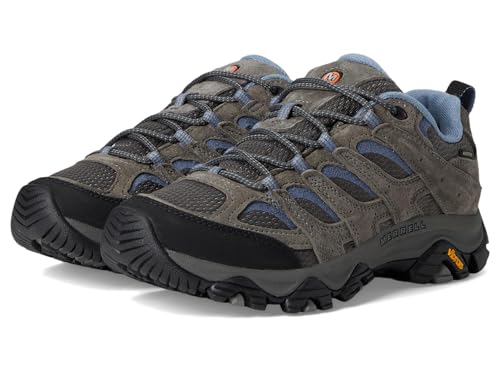

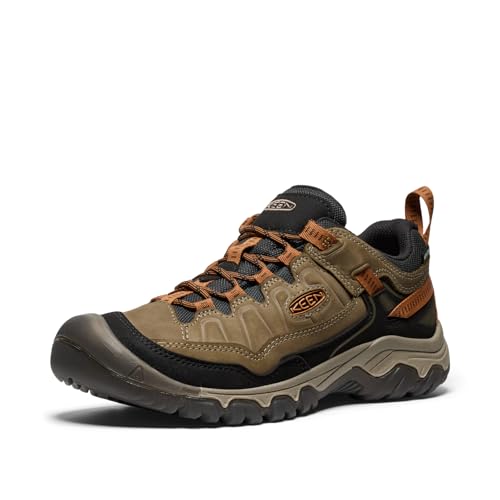


Who Should Buy Hiking Shoes
For Day Walkers and Fast Hikers
Day walkers who value speed and comfort usually prefer shoes over boots. A low cut shoe feels closer to a trainer, dries faster after stream crossings, and packs smaller for travel. Choose a model with a protective toe cap and a stable platform, since trail shoes still need to guard against roots and rocks.
For Travellers Who Walk Everywhere
Travellers need one pair that handles city streets, park trails, and light hikes without looking out of place. A hiking shoe with a restrained design and a grippy but quiet outsole covers that range well. Prioritise comfort over many miles and a sole that grips wet pavements as well as dirt paths.
For Walkers With Strong Ankles
Walkers with healthy, strong ankles and good balance often find shoes perfectly adequate, even on uneven ground. If you have a history of ankle sprains, however, the freedom of a shoe becomes a liability on rocky descents. Strengthening exercises and trekking poles can help, but they do not replace the support of a boot for vulnerable ankles.
Key Features to Compare
Fit, Sizing, and Toe Box
Fit hiking shoes the same way as boots: in the afternoon, in hiking socks, with room for toes to spread. A secure midfoot and heel prevent sliding on descents, while a roomy toe box reduces blisters on long walks. If you use insoles, remove the factory insole and test the fit with your own in place.
Outsole Traction and Terrain
Lug depth, spacing, and rubber softness decide grip across mud, rock, and wet wood. Widely spaced lugs shed mud, while softer rubber grips rock but wears faster on hard surfaces. For all round use, a medium depth lug in a balanced rubber compound handles the widest range of conditions without wearing out too quickly.
Weight, Flexibility, and Protection
Light shoes reduce fatigue over a long day, but very light shoes may skimp on toe protection and underfoot shielding. A rock plate or firm midsole protects against sharp stones, while a flexible forefoot keeps walking natural. Look for a shoe that flexes where your foot bends but still feels stable when you stand on an uneven edge.
Waterproofing and Drying Time
Waterproof hiking shoes keep feet dry in rain and shallow puddles, but they dry slowly once water gets in over the collar. Non waterproof shoes with mesh uppers drain and dry fast, which suits warm climates and stream crossings. Choose based on your climate: wet and cold favours waterproofing, warm and wet favours quick drying.
Mistakes to Avoid
Treating Them Like Road Trainers
Trail shoes look like trainers but face sharper rocks, mud, and side slopes that road shoes never meet. A road trainer sole may slip on wet rock and wear quickly on rough trails. Choose a shoe built for trails, with a lugged outsole and a protected toe, even if it costs a little more than a fashion trainer.
Ignoring Ankle History
The most common regret among new hiking shoe buyers is underestimating their ankles. A single bad twist can end a trip, and rocky descents expose weak ankles quickly. If you have any doubt, try shoes on rough ground first, use poles, or choose a mid cut boot for the rougher routes in your plans.
A Final Check Before You Order
Test on Varied Ground
Walk on pavement, grass, and a slope if you can, checking heel hold, toe room, and grip on turns. Notice whether the shoe feels stable when you stand on one foot on an uneven surface. The product table above will help you compare, but a shoe that feels secure and comfortable across surfaces is the right all round choice.
Making the Most of Your Choice
Keeping Shoes Grippy and Dry
Clean outsoles after muddy walks, since packed mud fills lugs and destroys grip on the next outing. A stiff brush and water restore tread quickly, and drying shoes naturally preserves adhesives better than direct heat. Stuff damp shoes with newspaper to absorb moisture, changing the paper once, and never dry trail shoes on a radiator, which hardens rubber and shrinks uppers.
Socks, Lacing, and Comfort Tweaks
Lacing technique solves many fit complaints: a heel lock lace pattern reduces heel slip on descents, while skipping a crossover over a pressure point relieves pain on the top of the foot. Try these adjustments before concluding that a shoe fits badly, and remember that sock thickness changes fit significantly. Carry a spare pair of socks on longer walks, since fresh socks at lunch revive tired feet noticeably.
When Shoes Reach Their Limit
Trail shoes wear out faster than boots, and the midsole often fails before the upper looks worn, leaving feet tired and knees aching. Watch for flattened cushioning, tread worn smooth at the heel or forefoot, and persistent new blisters in old shoes. Replacing shoes promptly protects joints and keeps walks enjoyable, and keeping the old pair for gardening avoids waste.
Before You Buy: A Quick Recap
Trail Etiquette and Safety
Good trail shoes support safe walking, but habits matter too: tell someone your route, carry water and a charged phone, and turn back if weather changes suddenly. Trekking poles reduce knee strain on descents and help on stream crossings, especially with a pack. A whistle and a basic first aid kit weigh little and can matter greatly if a walk goes wrong.
Comparing Shoes Across Brands
Sizing and fit vary between brands, so always compare by fit and feel rather than by your usual size label. One brand roomy fit may equal another snug fit, and toe box shape differs even at the same stated size. Try shoes late in the day, walk on varied surfaces, and use return policies to test properly at home before committing to a long hike.
For a related option, our guide to best hiking shoes looks at how that choice compares for everyday use and value.
You may also find our guide to best all around shoes helpful, since it covers a closely related option with different strengths.
If you want to compare a neighbouring option, see our guide to best ladies hiking shoes for practical differences worth knowing.
A related choice worth a look is covered in our guide to best hiking shoes for men, which explains where it fits best.
For more on a similar option, our guide to best waterproof hiking shoes sets out the key trade offs in plain terms.
Frequently Asked Questions
Are hiking shoes good enough for rough trails?
Hiking shoes handle moderately rough trails well, especially for walkers with strong ankles and a lighter pack. Very rocky, steep, or off trail terrain favours boots for ankle protection and stiffness. Judge your hardest regular route honestly: if it includes loose scree and steep descents, boots are the safer choice.
Do hiking shoes need breaking in?
Most modern hiking shoes need only a few short walks to confirm fit, unlike stiff leather boots. Wear them around the house and on a short local walk, watching for heel rub and toe pressure. If discomfort persists after a few outings, the fit is wrong rather than unbroken, and an exchange beats more suffering.
Should I choose waterproof hiking shoes?
Waterproof shoes suit rainy climates and muddy trails, keeping feet dry in shallow water and persistent rain. They dry slowly once flooded, so in warm weather or on routes with stream crossings, quick drying mesh shoes may feel better. Gaiters help waterproof shoes in deep mud, but nothing keeps feet dry if water pours in over the top.
How are hiking shoes different from trail running shoes?
Hiking shoes usually offer more protection, a stiffer platform, and more durable uppers than trail running shoes. Trail running shoes prioritise light weight and flexibility for speed, which suits fast walkers on smooth trails. For all round walking with a day pack, the extra protection and stability of a hiking shoe is usually worth the small weight penalty.
When should hiking shoes be replaced?
Replace hiking shoes when the lugs wear smooth, the midsole feels flat, or the upper tears at flex points. Persistent foot fatigue, new blisters in old shoes, and leaking waterproof membranes are also signs of retirement. Regular walkers often get a season or two of heavy use, depending on terrain and mileage.
Final Thoughts
The best all around hiking shoes are light enough to enjoy, grippy enough to trust, and protective enough for the trails you actually walk. Use the product table above to compare options, then test fit, stability, and grip on varied ground. A shoe that disappears on your feet while keeping you steady is the pair that will get worn week after week.


