Best Algae Remover Buying Guide and Checklist for 2026
Disclosure: We may earn a commission when you buy through links on this page, at no extra cost to you. As an Amazon Associate I earn from qualifying purchases. Learn more

Pick the best algae remover for your pond, pool, or patio with a simple checklist on surface fit, safety, and coverage.
Algae can turn a clear pond cloudy, make a patio slippery, and leave a pool looking neglected, so choosing the right treatment matters more than grabbing the first bottle you see. The best algae remover for your home depends on where the algae is growing, what surfaces and living things are nearby, and how much upkeep you are willing to do after treatment. This guide walks through those choices in plain language, so you can compare options with confidence.
You will learn how to match a formula to the surface, read a label for safety and coverage, and spot weak claims before you spend money. The product table shows the picks, and the checklist in this guide helps you confirm the fit before you order.

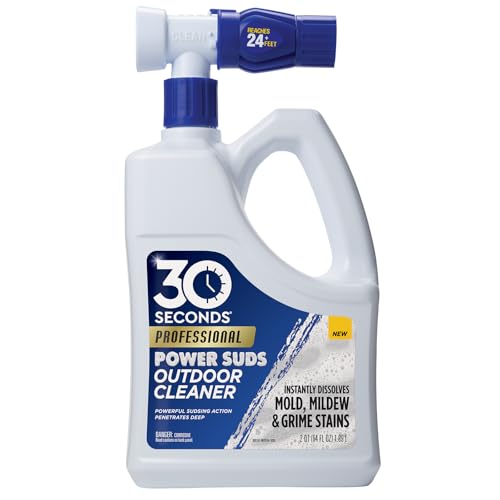
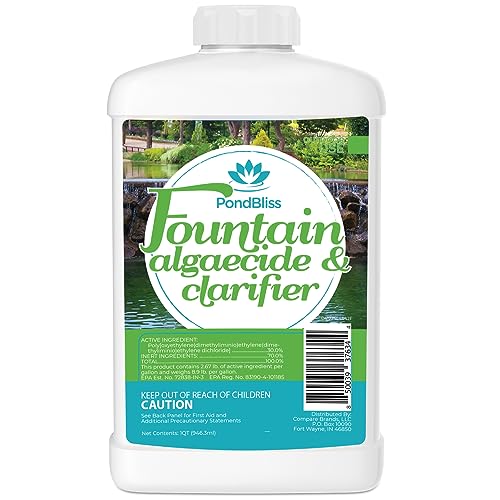


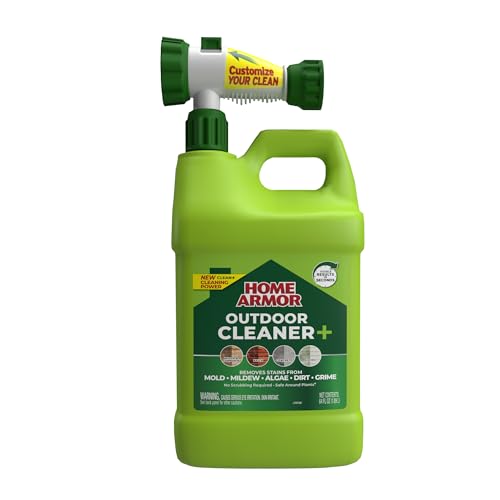
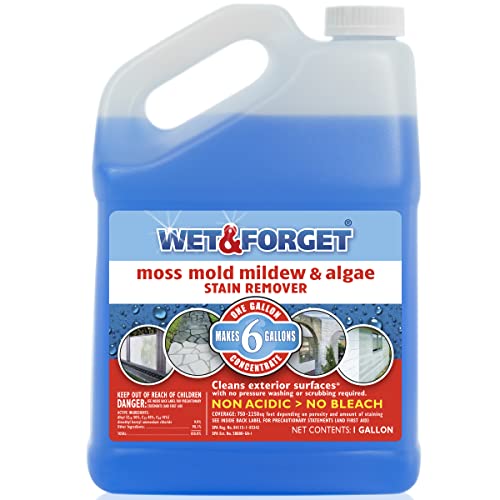


How to Choose the Best Algae Remover
Use this section as a checklist. Work through each point in order, and rule out any product that fails on surface fit, safety, or coverage. A strong choice should pass every point that matters for your setting, not just one or two.
Intended Use and Who It Is For
Start by naming the job clearly. A pond keeper needs a formula that suits fish, plants, and moving water, while a patio owner needs one that works on stone, concrete, or decking and rinses away cleanly. Pool owners have a separate set of needs, because pool water chemistry, filtration, and swimmer comfort all matter. If a label does not name your surface or setting, treat that as a warning sign and keep looking.
Price Versus Value
Budget options usually cost around $10 to $20 and suit a small patio or a single treatment of a modest pond. Mid range options, at about $20 to $40, often cover a larger area or include a measuring cap, a sprayer, or clearer dosing guidance. Premium options, at about $40 to $80, may suit large ponds, repeated treatments, or surfaces that need a gentler formula. Compare cost per treated area, not just bottle price, because a concentrated formula can work out cheaper than a large ready to use bottle.
Safety and Certifications
Read the label for warnings about fish, pets, plants, and children, and follow the manufacturer's instructions exactly. Ventilate enclosed spaces, wear gloves and eye protection when the label calls for them, and keep treated water away from children and pets until the label says it is safe. Never mix bleach with ammonia or acids, and never mix two treatments unless the label clearly says you can. Store the product out of reach of children and pets, and keep it away from food preparation areas.
Size, Weight, and Fit for Your Space
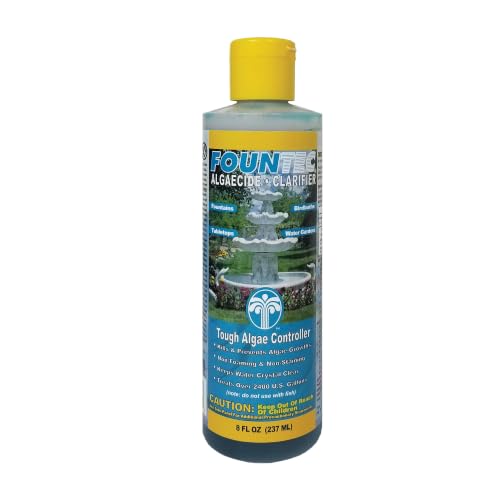
Coverage matters more than bottle size. Check how many square feet or gallons one bottle treats, then measure your pond, pool, or paved area before you order. A product that treats a small fountain will not stretch to a large pond, and a large container may be awkward to store if you only need a small amount. Also check whether you need a sprayer, a watering can, or a pump to spread the treatment evenly.
Maintenance and Long Term Costs
Algae control is rarely a one time job. Ask how often retreatment is needed, whether the product works in sun or shade, and whether rain or water changes dilute it quickly. Factor in the cost of repeat doses across a season, plus any cleaning tools or water testing supplies you may need. A cheaper bottle that needs frequent reapplication can cost more over a summer than a longer lasting option.
Warranty and Customer Support
Look for a maker that gives clear contact details, a readable label, and a plain statement about returns or satisfaction. A short or missing warranty is not always a deal breaker for a low cost consumable, but vague dosing instructions and no way to ask a question are.
Build Quality and Materials
For a liquid or granular treatment, quality shows up in packaging and instructions rather than in moving parts. A sturdy, leak resistant cap, a clear measuring mark, and a label that survives damp storage all help you dose correctly. If the product comes with a sprayer or spreader, check that the parts feel solid and are easy to clean, because clogged equipment leads to uneven treatment and wasted product.
Spending Levels Without Product Picks
At the budget level, expect a simple formula for a small area and straightforward instructions. This level suits a first attempt on a patio or a small water feature, provided the label confirms it is safe for nearby plants and animals. Spend a little more when you need wider coverage, clearer dosing tools, or a formula made for a sensitive setting such as a pond with fish.
At the premium level, you are usually paying for larger coverage, gentler ingredients for delicate settings, or more detailed guidance for repeated use. That extra cost makes sense for a large pond or a pool that sees regular use, but it does not guarantee faster results. The best algae remover is the one that matches your surface first, so treat price as a secondary filter.
Before you buy, compare two or three options at the same level using the checklist above, and keep algae products separate from general household cleaners so dosing and safety rules stay clear.
Quick Buyer Checklist
Answer each question before you order. A no on any safety or fit question means you should choose a different product or ask the maker for clarification.
- Does the label name your exact surface, such as pond, pool, patio, or roof?
- Is the product safe for fish, pets, plants, or children who use the area?
- Does one bottle cover your measured area at the stated dose?
- Are the dosing, waiting time, and retreatment steps clearly written?
- Do you have the gloves, sprayer, or measuring tools the label requires?
- Can you store the product safely away from children, pets, and food areas?
- Does the total seasonal cost fit your budget, including repeat doses?
- Is the maker easy to contact if you have a question about the label?
Red Flags to Watch For
Be cautious when a label promises instant results for every surface, because algae growth, shade, and water movement all affect timing. Vague ingredient or dosing information is another warning sign, as is a missing safety section for pets or aquatic life. If a claim sounds absolute, look for the conditions and limits that should sit beside it.
Related cleaning choices can also mislead. A product made for cars, toilets, or indoor stains may look similar on a shelf, but it is not made for ponds or patios, so do not substitute one cleaner for another.
Setup and Care Tips
Read the manual and label before first use, and measure the area or water volume so you dose correctly. Clean loose debris from the surface first, apply on a calm day when the label allows it, and keep children and pets away until the stated waiting time has passed. Clean and inspect sprayers and measuring caps after use, rinse them away from ponds and drains where the label requires it, and store the product in a dry place out of reach of children and pets.
Algae Removers: Your Questions Answered
How long does an algae remover last?
One treatment usually lasts from a few days to a few weeks, depending on sunlight, water movement, and how heavy the growth was at the start. A shaded pond with still water may stay clear longer than a sunny patio that gets frequent rain. Follow the label retreatment interval rather than reapplying early, and track the date of each dose so you can judge whether the interval fits your setting.
What features matter most when buying algae removers?
Surface fit matters most, followed by safety for nearby fish, pets, and plants, then coverage per bottle and clarity of dosing instructions. A product that suits your surface but lacks clear safety guidance is a poor choice for a pond or a family garden. Cost per treated area comes next, because it shows the true seasonal price better than the bottle price alone.
How much should I spend on an algae remover?
Most buyers spend about $10 to $40 for a small to medium job, while large ponds or repeated seasonal use can push the total higher. Start with the smallest size that covers your measured area, and only buy in bulk once you know the product works in your setting. Remember to include gloves, a sprayer, and any water testing supplies in the first season budget.
Are expensive algae removers worth it?
A higher price can be worth it when you need wide coverage, a gentler formula for fish or plants, or clearer dosing tools for repeated use. It is not worth it when the extra cost buys only a larger bottle of a formula that does not suit your surface. Compare coverage, safety fit, and instructions at each price level, and let those factors decide rather than price alone.
How do I maintain an algae remover?
Store the bottle upright in a cool, dry place, keep the cap tight, and check the label for a shelf life or storage limit. Clean sprayers and caps after each use so residue does not clog the next dose, and keep the label readable for future reference. If the product changes color, smell, or texture in a way the label does not describe, stop using it and contact the maker.
The Bottom Line
Choose by surface fit first, safety second, and coverage and seasonal cost third. Measure your area, read the full label, and use the checklist above to rule out any product that leaves a safety or dosing question unanswered. The best algae remover for you is the one that suits your pond, pool, or patio, protects the living things nearby, and fits the upkeep you can realistically sustain. Review the product table once more before you order, and follow the manufacturer's instructions for every dose.