
Best Alexa Smart Speakers: Every Type Explained Side by Side for 2026
Disclosure: We may earn a commission when you buy through links on this page, at no extra cost to you. As an Amazon Associate I earn from qualifying purchases. Learn more

Compare the best alexa smart speakers by type, sound, microphones and price to match one to your room.
Walk into any electronics aisle and the shelf of Alexa speakers looks like one product repeated at different sizes. In reality, the best alexa smart speakers for a kitchen counter, a gaming desk, and a covered patio are three quite different machines. Size, power source, microphone design, and weather sealing all change what a model does well.
This guide compares each type side by side so you can match the type to your room and habits first. Start with the product table, then use the sections that follow to check sound, microphones, and placement before you spend anything.


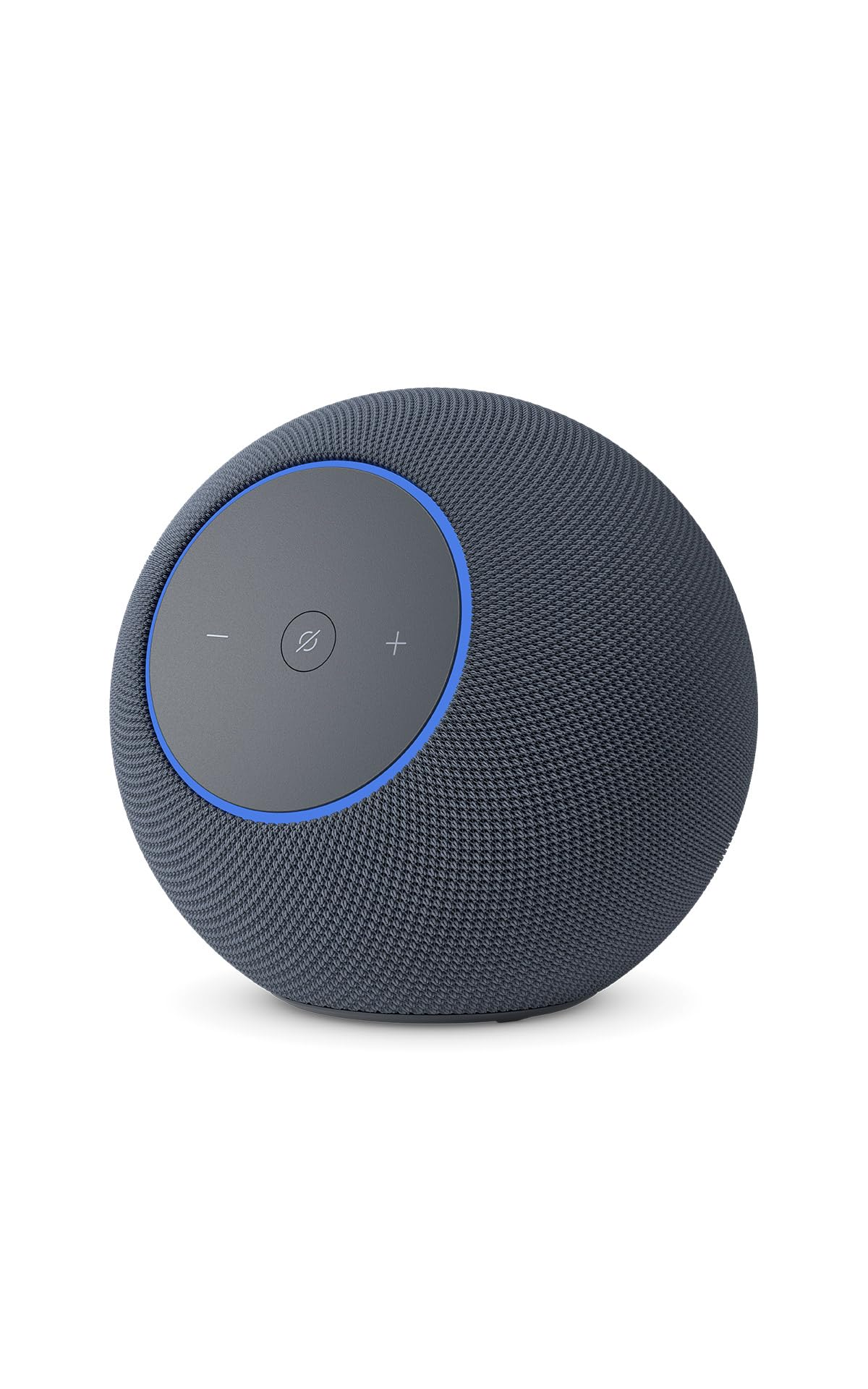


Types of Alexa Smart Speakers Compared
Most models fall into a few broad types. Compact plug in models cost the least, usually around $30 to $60, and suit timers, news, and smart home commands in small rooms. Standard models around $60 to $120 add fuller sound and stronger bass. Larger and premium models around $120 to $300 focus on music, with bigger drivers and better stereo separation.
Portable battery models add freedom to move between rooms or out to a patio, while models built for desks and gaming setups focus on low delay audio and clear voice pickup. If you are still deciding between voice platforms, our overview of the best smart speakers shows how Alexa compares with other assistants for music and home control.
Gaming Models
Gaming focused models are built for desks, where the speaker sits close and often doubles as the audio output for a computer or console. Their main advantage is connection choice. A wired input or a low delay Bluetooth link keeps dialogue and game sound in step with the picture, which matters far more at a desk than in a kitchen.
The trade off is size and features. Desk models are usually compact, so bass is modest and they rarely carry batteries or weather sealing. Choose this type if your speaker will live beside a monitor, you play games or watch video at that desk daily, and you value clear voices and simple volume control over room filling sound.
Noise Canceling Models
On a speaker, noise canceling usually refers to the microphones rather than your ears. These models use extra microphones and signal processing to separate your voice from a running dishwasher, a television in the next room, or street noise through an open window. That makes commands and calls more reliable in busy homes.
The benefit is real but narrow. Microphone noise reduction does not quiet your room, and it does not improve music by itself. Music quality still depends on driver size and tuning. Choose this type if your home is loud during the day, you make frequent calls through the speaker, or Alexa often mishears you from across a noisy kitchen.
Wired Models
Wired models plug into wall power and stay in one place, and many also accept a wired audio input from a television or computer. Constant power means no charging routine, no battery that fades after a few years, and usually a larger driver than a portable model at the same price. Sound per dollar is often the best in this group.
The limitation is obvious: the speaker only works near an outlet, within reach of its cord. That is fine for a living room shelf or bedside table and poor for a patio or bathroom shelf with no spare outlet. Choose a wired model if the speaker has a permanent home and you want the strongest sound and simplest daily use for your budget.
Gaming Models vs Noise Canceling Models: Which Should You Choose?
These two types solve different problems, so compare them on the job you actually need done. For delay, gaming models win because their wired or low delay links keep sound matched to the screen. For voice pickup in a loud room, noise canceling microphone models win because they are built to isolate your voice.
For music, neither label guarantees much, so judge driver size and tuning instead of the badge. For calls, the noise canceling type usually sounds clearer to the person on the other end. For price, gaming models often cost less because they skip batteries and sealing. Pick gaming if the desk is the main stage, and pick noise canceling if a busy, echoing room is where Alexa keeps misunderstanding you.
How to Choose the Best Alexa Smart Speakers for Your Room
Ecosystem and App Features
Every model here runs Alexa, but the app experience around it still matters. Look for an equalizer with bass, midrange, and treble controls, because small speakers often need a bass trim on a hard countertop. Check that the maker publishes firmware updates and supports routines, multi room groups, and pairing two units for stereo.
Think about the rest of your home too. A speaker is often the hub you talk to when you add lights and plugs later, so confirm the app supports the devices you plan to buy. If smart lighting is on your list, see our guide to the best smart bulbs for alexa for what to check before you commit to bulbs.
Microphone Quality
Microphone quality decides whether Alexa feels effortless or frustrating. Models with several microphones arranged around the top hear you from more directions and at greater distance. In a quiet bedroom almost any array works. In a kitchen with a range hood running, array design and voice processing matter much more.
For calls and voice chats, ask how the model handles echo and background noise, since the person you call hears the room as well as you. If you play games with friends, a speaker is rarely the best chat tool, but clear pickup still helps for quick calls between sessions. Place any model away from walls and noisy appliances to give the microphones a fair chance.
Sound Quality and Tuning
Driver size sets the ceiling for sound. Small drivers can sound clear for voices and podcasts but cannot move enough air for deep bass. Frequency response figures only help when a maker states them honestly, so treat a wide claimed range on a tiny speaker with doubt. Tuning matters just as much: some models push bass for impact, while others keep a flatter balance that suits speech and acoustic music.
Codec support affects Bluetooth sound from your phone. Standard codecs are fine for casual listening, while higher quality codecs can help when the speaker is your main music source and your phone supports them. If music is the main job, compare the music focused options in our guide to the best alexa speakers for music before you decide.
Placement and Room Size
Match speaker size to room size. A compact model covers a bathroom or small bedroom, a standard model suits a kitchen or study, and a large model or a stereo pair suits an open living area. Two smaller speakers in stereo often image better than one large speaker in a corner, because you can place them apart and aim the sound at your seats.
Surfaces change the result. A speaker on a wooden shelf sounds warmer than one on a stone counter, and corners boost bass whether you want it or not. Leave a little space behind and beside the unit, keep it near ear height for music, and avoid closed cabinets, which muffle both the sound and the microphones.
Battery Life and Charging
Only portable models have batteries, and their ratings assume moderate volume. Expect real listening time to fall as you turn the volume up, since bass at high volume draws far more power. A rating around eight to twelve hours covers a workday or a long afternoon outside. Short ratings around four to six hours suit short tasks only.
Charging details matter more than most buyers expect. USB C charging lets you share a charger with your phone, while a dock is simpler but adds one more item to store. Ask whether the speaker plays while charging and whether the battery can be replaced. A sealed battery that cannot be replaced shortens the useful life of an otherwise good speaker.
Tips to Get the Most From Your Alexa Smart Speaker
Small habits keep any type sounding its best. Keep firmware updated through the app, since updates often improve voice pickup and fix pairing faults. Give a portable model a simple case or sleeve when you carry it, because driver grilles dent easily in a bag. Wipe grilles and surfaces with a dry cloth, and keep plug in models away from steam and splashes unless their rating allows it.
Revisit placement after a week of listening. Moving a speaker even a foot away from a wall can clean up boomy bass, and turning down a loudness style setting often makes voices clearer. If you mostly listen to music across the whole home, the wider roundup of the best smart speakers for music can help you plan a multi room setup.
Alexa Smart Speakers: Your Questions Answered
What IP rating does an Alexa smart speaker need for outdoor use?
For covered patio use, look for at least IPX4, which resists splashes from any direction. For poolside or garden use where rain and hoses are likely, IP67 is the safer target because it also resists dust and brief immersion. Remember that the rating covers the speaker only. Keep the charger and any open port covers dry, and bring battery models inside to charge.
Do I need a special codec for an Alexa smart speaker?
No, you do not need a special codec for normal use. Alexa responses, radio, and most streaming reach the speaker over WiFi, where phone codecs do not apply. Codecs only matter when you stream from a phone over Bluetooth. There, a higher quality codec can preserve a little more detail, but speaker size and placement change the sound far more than the codec choice.
Wired or wireless: which Alexa smart speaker sounds better?
At the same price, a wired plug in model usually sounds better because none of its cost goes to a battery and its driver can be larger. Wireless portable models trade some sound for freedom of placement. Over WiFi both types receive the same stream quality, so the difference comes from hardware, not the connection. Choose based on where the speaker will actually live.
How long does an Alexa smart speaker battery last?
Most portable models play for about eight to twelve hours at moderate volume on one charge. Loud volume, heavy bass music, and cold outdoor weather can cut that figure sharply, sometimes close to half. Battery capacity also fades slowly over years of charging. If you need all day sound away from an outlet, favor a larger portable model and carry a USB power bank as backup.
Is noise canceling worth the extra cost on an Alexa smart speaker?
It is worth the cost only when it improves the microphones in a room where Alexa struggles to hear you. In a quiet home, the extra processing adds little and the money buys more sound elsewhere. Ask what problem you are solving. If missed commands and poor call quality are daily annoyances, microphone noise reduction is a sensible spend. If music quality is your complaint, spend on a bigger driver instead.
The Bottom Line
Start with type, then room, then sound. Decide whether the speaker is a plug in fixture, a portable companion, a desk partner, or a voice hub for a noisy room, and let that choice set your budget. Compare the best alexa smart speakers that fit your type, and if you want a broader look at voice first models, our roundup of the best alexa speakers is a helpful next stop.


