Best Alexa Enabled Portable Speakers by Budget: Smart Picks for 2026
Disclosure: We may earn a commission when you buy through links on this page, at no extra cost to you. As an Amazon Associate I earn from qualifying purchases. Learn more

Compare the best alexa enabled portable speakers by budget, with clear guidance on battery life, sound, water resistance and features at each price tier.
Prices for portable speakers with Alexa built in run from under $50 to well over $300, and the expensive models are not automatically the right buy for a kitchen counter or a patio. Knowing what each tier actually adds helps you spend on sound and battery instead of decoration. The best alexa enabled portable speakers for you depend on where you listen, how far the speaker travels, and how loud it needs to play outdoors.
Start with the product table for prices and headline features, then use the tier guide here to judge value. Battery claims and water ratings need a closer look than any single number suggests.
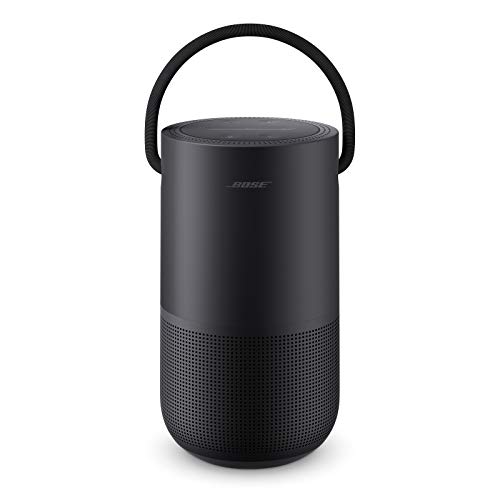


Three Budget Profiles
Use these three profiles as tier standards. Any speaker you consider should match or beat the profile for its price, and it should connect to Alexa in the way you expect, either built in directly or through a linked device, which the product details should state clearly.
Budget Profile
A strong budget profile, usually around $40 to $80, gives you clear voice responses, reliable Alexa commands indoors, Bluetooth 5.0 or newer, and about eight to twelve hours of play at moderate volume. Sound will be mono and modest in bass, which is fine for podcasts, kitchen timers, and news while you cook. Expect a splash resistant rating at best and a plastic body. The main limit is outdoor volume, because a small driver distorts when pushed to fill a yard, so buy this tier for rooms and small patios.
Midrange Profile
The midrange profile, usually around $90 to $180, is where most buyers should shop. You gain fuller sound with separate drivers or a passive radiator for bass, battery life around twelve to twenty hours, and a real water resistance rating such as IP67 for pool and beach use. Multipoint Bluetooth, which keeps two phones connected, appears here, as does pairing two units for stereo. Alexa responses stay quick on home WiFi, and the speaker still works as a plain Bluetooth speaker away from WiFi, which matters on trips.
Premium Profile
Premium models, usually around $200 to $350, add room filling output, deeper bass without distortion, finer tuning controls in the app, and stronger build quality with fabric and metal finishes. Some add WiFi streaming quality above Bluetooth and better microphones that hear commands over music and outdoor noise. This tier suits large gatherings and listeners who use one speaker as their main music system at home and away. The trade offs are size, weight, and price, because a premium portable can be as heavy as a small bag of groceries.
What Your Money Gets You at Each Price Tier
Budget Tier: What to Expect
At the budget tier, spend goes to the basics done competently: a single full range driver, simple controls, and a battery sized for a day of indoor listening. Alexa is the star here, handling music requests, smart home commands, and questions, while audio quality stays background level. Water resistance, stereo pairing, and app equalizers are often absent. This tier suits a bedside table, a dorm room, or a first smart speaker that can move to the bathroom or porch. Do not expect it to anchor a party.
Midrange Tier: The Sweet Spot for Most Buyers
Midrange money buys the upgrades you can hear and feel. Larger drivers and passive radiators give music body, sealed bodies survive rain and splashes, and batteries last a full weekend day. Features such as USB C charging, a battery indicator in the app, and speakerphone or voice pickup improvements show up here. For most households, this tier covers indoor music, garden work, and holiday travel without apology. If you buy only one portable speaker for several years, aim here and protect it with a case for transport.
Premium Tier: When Spending More Pays Off
Spending more pays off when you need volume without strain, because premium drivers and amplifiers stay clear at levels that make budget speakers shout. It also pays for listeners who hear the difference in tuning, with better separation and bass control, and for hosts who play music outdoors for hours. Premium battery systems often support faster charging and can sometimes charge a phone in a pinch. If your listening is mostly quiet indoor radio and voice commands, premium sound will rarely get a chance to justify its price.
For a wider view of home focused models, see our guide to the best alexa enabled speakers, and compare with our guide to the best alexa speakers if a mains powered smart speaker might suit some rooms better than a portable one.
Features Worth Paying For (and Ones to Skip)
Placement and Room Size (for Speakers)
Match output to the space. A small speaker fills a bedroom or office from a shelf corner, while open plan rooms and outdoor areas swallow sound and need more power and a driver that projects forward. Placing any portable speaker on a solid surface near a wall adds bass reinforcement for free, and raising it to ear level improves clarity. For large spaces, two midrange speakers paired in stereo often sound better than one premium unit alone, which is a useful budget comparison.
Sound Quality and Tuning
Driver size, amplifier power, and tuning decide sound more than watt claims on a box. Look for an app equalizer so you can trim bass indoors and lift vocals outdoors, and check whether the speaker holds its tuning at high volume or compresses everything into harshness. Neutral tuning suits speech and mixed listening, while bass heavy tuning suits dance and hip hop at gatherings. Codec support such as AAC helps Apple device users, though at portable speaker sizes, placement and volume level change sound far more.
Noise Cancellation and Isolation
True active noise cancellation belongs to headphones, not portable speakers, so be skeptical of any speaker that promises it. What matters here is microphone noise handling, because Alexa must hear you over music, wind, and kitchen noise. Better models use multiple microphones and processing that focuses on your voice, which you will appreciate daily. For listening comfort outdoors, simple volume headroom acts like isolation, letting music stay clear above background noise without you pushing the speaker to distortion.
Measuring for Size and Portability
Measure where the speaker will live and travel before buying. Check its footprint against your shelf or counter, its height against cupboard clearance, and its weight against what you will happily carry in a beach bag or backpack. A practical test is to picture carrying it plus a water bottle and towel for twenty minutes. Compact speakers win for travel and small rooms, while larger ones win for group listening, so decide which day matters more, an ordinary weekday or a weekend gathering.
If water exposure is central to your plans, our guide to the best alexa enabled waterproof speakers goes deeper on ratings and care. Shoppers who want portability first can also compare our guide to the best portable speakers with alexa for travel focused trade offs.
Long Term Costs to Factor In
The purchase price is most of the cost, but not all of it. Budget for a carry case if you travel often, a spare USB C cable for the car, and eventual battery wear, because lithium batteries lose capacity over years of charging cycles. A speaker with a replaceable battery is rare, so treat battery care as ownership care: avoid leaving it fully drained for months and store it partly charged. Warranty length varies from one to two years, and a longer warranty has real value on a device that goes to pools and parks. Electricity cost is trivial, usually pennies per charge.
Alexa Enabled Portable Speakers: Your Questions Answered
How long does the battery last on alexa enabled portable speakers?
Most models play for about eight to twenty hours per charge, depending on tier, volume, and whether WiFi and Alexa listening stay active. Manufacturer numbers usually assume moderate volume, so loud outdoor play can cut real life results by a third or more. A useful extra point is charge speed: some models regain several hours of play from a short USB C top up, which rescues a forgotten charge before guests arrive.
Is ANC worth the extra cost on a portable speaker?
No, because portable speakers do not offer true active noise cancellation for listeners in a room. That feature cancels noise at your ears in headphones, which a speaker across the room cannot do. Spend the money instead on better microphones for voice commands and more clean volume. If a listing uses cancellation language for a speaker, read it as microphone noise reduction for calls and Alexa pickup, and judge it on that narrower claim.
What IP rating do I need for outdoor use on a portable speaker?
For outdoor use, IP67 is the comfortable target, meaning the speaker resists dust and survives brief immersion in shallow water. IPX5 handles rain and splashes but not a drop in the pool, and a speaker with no rating should stay indoors. Ratings assume the charging port cover is closed, so check that detail before beach days. Rinse sand and salt water off with clean water afterwards and let the speaker dry fully before charging.
Do I need a special codec for alexa enabled portable speakers?
No special codec is required for good everyday listening. Standard Bluetooth audio works with every phone, and AAC can give a small quality lift with Apple devices, while some Android phones support other high quality codecs. At portable speaker sizes, driver quality, placement, and volume level matter much more than codec choice. Prioritise Bluetooth 5.3 or similar for stable range and multipoint connections, which you will notice every day.
Wired or wireless: which sounds better on a portable speaker?
A wired connection can sound slightly cleaner and removes any Bluetooth delay, which helps if you ever use the speaker with video. Wireless wins on convenience, weather sealing, and safety around water, and modern Bluetooth quality is close enough that most listeners cannot tell them apart in a blind comparison at normal volumes. Choose based on how you listen: desk users may value an auxiliary input, while outdoor users should value sealing and battery life more.
Wrapping Up
Set your tier by listening space first, then check battery life at realistic volume, water rating, and how Alexa works away from home WiFi. Compare models inside your tier rather than across the whole price range. That approach leads you to the best alexa enabled portable speakers for your rooms, your trips, and your budget, without paying premium prices for sound you will never turn up.