Best Alexa Enabled Waterproof Speakers: Matching the Right Model to Your Routine for 2026
Disclosure: We may earn a commission when you buy through links on this page, at no extra cost to you. As an Amazon Associate I earn from qualifying purchases. Learn more

Choose the best alexa enabled waterproof speakers by routine: water rating, battery life, sound and durability explained.
There is no single speaker that suits a poolside party, a quiet shower sing along, and a week of camping equally well. The best alexa enabled waterproof speakers for you depend on where the speaker will live, how loud it needs to play, and how often it will get wet. This guide sorts buyers by routine first, then explains the features that matter for each one, so you can match a model to your real life instead of a spec sheet.
As you read, keep the product table in mind and note which group below sounds like you. If voice control matters more to you than water protection, our guide to the best alexa enabled speakers covers the wider voice first category.


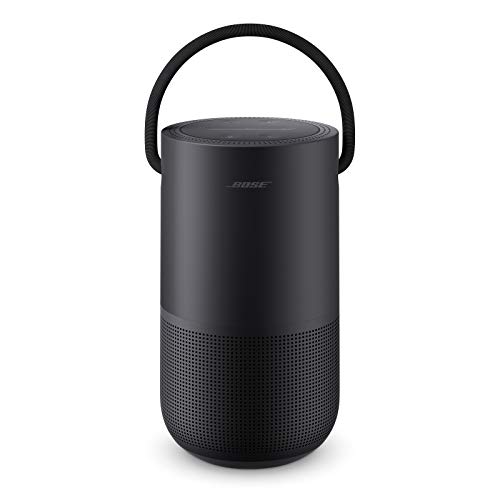
Who Should Buy Which Alexa Enabled Waterproof Speakers?
Start with your routine, because it decides the size, rating, and battery you actually need. A speaker that never leaves the bathroom shelf can trade portability for sound, while one that rides in a kayak needs the opposite balance.
For Remote Workers and Creators
If you work from a home office, a patio desk, or a garage studio, you need clear voice pickup and stable connections more than raw volume. Alexa commands should register over a fan or an open window, and Bluetooth multipoint lets the speaker stay linked to your laptop and phone at once. Look for a model with a good microphone array, a wired input for zero delay during video calls, and enough water resistance to survive a spilled drink or a sudden rain shower while you work outside.
For Students and Everyday Users
For dorm rooms, kitchens, and bathrooms, a mid size speaker with simple controls and a long battery life is the sweet spot. You will charge it less, move it more, and ask Alexa for timers, weather, and music while your hands are busy. Stability matters more than exotic features, so favor models with a track record of app updates and easy pairing. A price around $60 to $150 usually buys solid sound, an IP67 rating, and voice control that works from across the room.
For Travelers and Commuters
If the speaker rides in a backpack, a beach bag, or a bike basket, weight and toughness decide everything. Choose a compact model with a strap or carabiner loop, a sealed charging port, and a battery that lasts a full weekend of moderate use. Drop resistance matters as much as water resistance here, because travel speakers fall on concrete and gravel. Shoppers comparing travel first designs can also see our guide to the best portable waterproof speakers for size and weight benchmarks.
Key Features to Compare
Features only matter when they connect to a real situation. The five areas below explain what each spec means outdoors, in the shower, and around the pool, so you can weigh them against your own routine.
Placement and Room Size for Speakers
A small speaker fills a bathroom or a tent with ease but strains in a backyard, where sound escapes in every direction and wind steals the bass. Outdoors, you need more output and a driver that faces the listeners rather than the sky. Consider whether you will pair two speakers in stereo for a patio, which doubles cost but transforms coverage. Indoors, shelf placement near a wall adds free bass warmth, while a speaker in the middle of a large open room needs more power to sound full at low volume.
Sound Quality and Tuning
Driver size and frequency response hint at how a speaker handles bass, voices, and detail. Larger drivers and passive radiators move more air and give music weight at outdoor volumes, while small drivers keep speech clear for podcasts and calls. A neutral tune suits most listeners, though many waterproof models boost bass because bass feels thin outdoors. Check whether the companion app offers an equalizer, because a simple bass and treble control lets you fix a boomy patio sound or a flat shower sound in seconds.
Noise Handling and Voice Pickup
Unlike headphones, portable speakers do not use active noise cancellation, so judge them by output and clarity instead. What matters near a pool or a busy street is whether music stays clear at moderate volume without distortion, and whether the microphones hear your Alexa commands over running water or crowd noise. Far field microphone arrays with echo cancellation help a lot in echoing bathrooms and kitchens. If you often listen in loud places, favor a speaker with higher clean output over one with a longer feature list.
Battery Life and Charging
Battery claims are usually measured at half volume, so a speaker rated for twenty hours may give you ten to twelve at party volume. Voice listening also drains power faster than plain Bluetooth playback, because the microphones stay alert. Look for USB C charging, which lets you top up from the same cable as your phone, and check whether the speaker can play while it charges. A battery level readout in the app saves you from a silent speaker on the one day you promised music.
Durability and Water Resistance and IP Rating
The IP code tells you exactly what a speaker can survive. The first digit covers dust and the second covers water, so IP67 means fully dust tight and safe in one meter of water for thirty minutes, while IPX7 skips the dust test. IPX4 only resists splashes, which is fine for a bathroom shelf but risky at the pool edge. Salt water and chlorine are harsher than fresh water, so rinse the speaker after ocean or pool days. For a full breakdown of ratings across all designs, see our guide to the best waterproof speakers before you buy.
Common Mistakes to Avoid When Buying Alexa Enabled Waterproof Speakers
- Choosing by price alone and ending up with a speaker too quiet for outdoor use.
- Ignoring placement and room size, then blaming the speaker for weak sound in a huge backyard.
- Buying far more size and weight than your routine needs, so the speaker stays home.
- Skipping the IP rating details and treating a splash proof model like a pool float.
- Forgetting to check the warranty and the app update history before you pay.
Each of these mistakes is easy to avoid with five minutes of honest thinking about where the speaker will play most often.
Setup and Care Tips
Keep the firmware updated through the companion app, because updates improve voice response and Bluetooth stability over time. After beach or pool use, rinse the speaker with fresh water, shake out the speaker grille, and let the charging port dry fully before you plug in. Store the speaker in a padded case or bag to protect the drivers during travel, and avoid leaving it on a hot car dashboard, since heat shortens battery life. Charge it before long trips rather than at the last minute, and your speaker will be ready when the moment comes.
FAQs
What IP rating do I need for outdoor use with a waterproof speaker?
For outdoor use, choose at least IPX5 for rain and garden splashes, and IP67 if the speaker may fall into a pool or sit in wet grass. IP67 adds full dust protection, which matters at the beach where sand works into grilles and ports. Remember that the rating assumes all port covers are closed, so a speaker with an open charging cable loses its protection until you unplug and seal it again.
Do I need a special codec for a waterproof speaker?
No, you do not need a special codec for good sound from a waterproof speaker. The standard SBC codec sounds fine for music and podcasts, while AAC often performs well with Apple phones and aptX can reduce delay on supported Android phones. Water and distance affect Bluetooth stability far more than codec choice, so keep your phone within clear range of the speaker. If low delay matters for video, a wired input beats every wireless option.
Is active noise cancellation useful in a waterproof speaker?
Active noise cancellation is a headphone feature, so it is not useful to shop for it in a portable speaker. What replaces it here is clean output: a speaker that plays clearly at the volume you need will mask pool noise and street noise on its own. Spend the money instead on a better driver, a stronger battery, or a second speaker for stereo pairing. If you need quiet for calls, step away from the noise rather than raising the volume.
Wired or wireless: which sounds better for a waterproof speaker?
A wired connection can sound slightly cleaner and has no delay, but wireless Bluetooth is far more practical near water, where cables and phones do not belong. In blind listening at normal volumes, most people cannot tell a modern Bluetooth link from a cable with the same speaker. Choose wireless for safety and freedom around pools and showers, and use the wired input at a desk when you want the most stable link for calls or video.
How long does the battery last on a waterproof speaker?
Most models last about ten to twenty hours per charge at moderate volume, with smaller speakers at the low end and large party models at the high end. Loud volume, heavy bass, and always listening voice features shorten that range, sometimes by a third. A useful habit is to recharge after any full day of use rather than waiting for a low battery warning. For weekend trips, a speaker that charges over USB C lets you share a power bank with your phone.
The Bottom Line
Match the speaker to your routine first, then weigh the IP rating and battery life before sound extras. Travelers need small and tough, home users need clear voice pickup, and party hosts need output. The best alexa enabled waterproof speakers for your life are the ones whose strengths line up with where you actually listen. Compare your shortlist, confirm the rating and battery numbers, and choose with confidence.