Best Alexa Compatible Speakers 2026: Buying Guide
Disclosure: We may earn a commission when you buy through links on this page, at no extra cost to you. As an Amazon Associate I earn from qualifying purchases. Learn more

Compare the best alexa compatible speakers by sound, microphone pickup and smart home support to find one that fits your rooms.
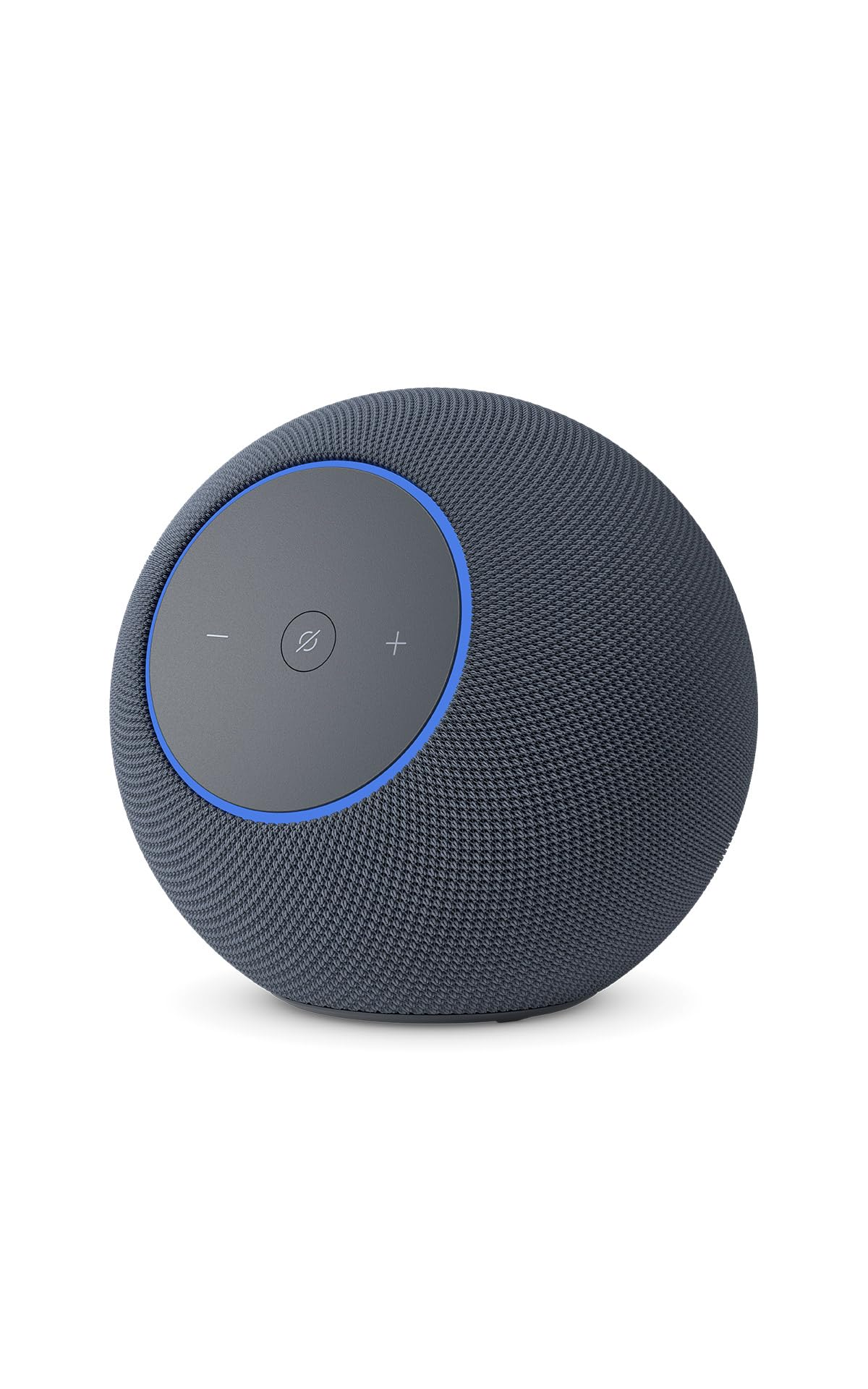
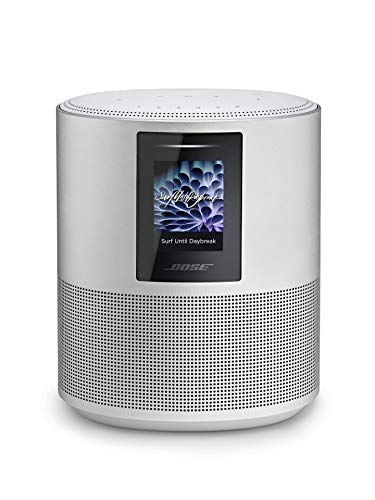
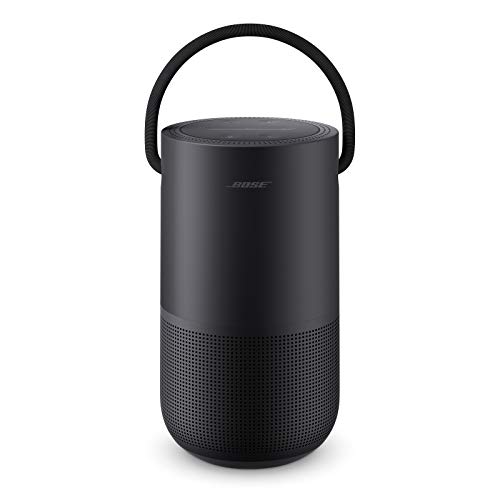
Best alexa compatible speakers let you control music, timers, and smart home devices with your voice, while still delivering sound worth listening to every day. The product table sets out the main types side by side so you can compare sound quality, voice accuracy, and room fit. A good Alexa speaker hears you reliably across a room, plays music clearly, and blends into your home without fuss.
Buyers often focus on smart features and forget sound quality, then live with thin audio for years. Others buy a great sounding speaker with weak voice pickup and shout at it daily. This guide balances both sides, so you choose a speaker that sounds good and listens well in your actual rooms.






Who Should Buy an Alexa Speaker
An Alexa speaker suits people who already use Alexa for timers, reminders, and smart home control. It also suits music lovers who want hands free playback while cooking, cleaning, or working. Households with smart lights, plugs, or thermostats gain the most, since voice control ties those devices together.
If you dislike voice assistants or worry about microphones in private rooms, a standard Bluetooth speaker may suit you better. People who prioritize pure sound quality above all may prefer a dedicated music speaker with Alexa as a secondary feature. Think about how you will actually use voice control daily before paying for it.
Sound Quality That Matters
Sound quality depends on driver size, cabinet design, and room placement more than marketing terms. A larger speaker usually gives fuller bass and louder volume, while a small speaker suits bedrooms and offices where volume stays modest. Listen for clear vocals, balanced bass, and detail at low volume, since most home listening happens quietly.
Room acoustics change sound greatly, so a speaker that shines in a shop may sound thin in a large, hard floored room. Place speakers away from corners when bass booms, and try different spots before judging sound. Stereo pairing suits music lovers with two speakers, while a single speaker suits kitchens and bedrooms. Music focused options appear in best alexa speakers for music, and best alexa speakers covers the broader Alexa range.
Voice Control and Microphone Pickup
Microphone pickup decides whether voice control feels magical or maddening. Good speakers hear normal speech across a room, even with music playing or a kettle boiling nearby. Check microphone arrays and noise reduction features, and place the speaker where it can hear you from your usual spots.
Privacy controls matter too, including a physical microphone mute button you can trust. Use the mute button in bedrooms or during private conversations, and review voice history settings in the app when you care about data. A speaker that listens well and respects privacy earns its place far more than one that merely shouts louder. Bluetooth models with Alexa appear in best bluetooth speakers with alexa, while best alexa enabled speakers covers enabled speakers generally.
Smart Home and Multi Room Use
Smart home control turns an Alexa speaker into a household hub, letting you switch lights, adjust heating, and check door cameras by voice. Check compatibility with your existing devices before you buy, since not every speaker controls every smart home standard. A speaker with a built in hub simplifies setup for Zigbee devices, while others need a separate hub.
Multi room audio lets several speakers play the same music through the house, which suits families and entertainers. Check that speakers you plan to group share the same multi room system, since mixed brands may not group smoothly. Start with one room, test voice and sound there, then expand only when the first speaker proves itself.
Budget Tiers and Value
At the lowest prices, expect a compact speaker with decent voice control and modest sound. These suit bedrooms, offices, and kitchens where volume stays low. They make excellent first Alexa speakers and affordable additions to a multi room setup.
In the middle range, you gain fuller sound, better microphones, and a larger room presence. This tier suits living rooms and daily music listening. Above it, you pay for premium sound, elegant design, and advanced smart home hubs, which matter most to music lovers and serious smart home users.
Mistakes to Avoid
The most common mistake is buying on smart features alone and living with poor sound for years. Another mistake is placing the speaker in a corner or behind furniture, which muffles microphones and muddies bass. Test placement in your room, and move the speaker when voice pickup or sound disappoints.
Many buyers also forget privacy and account setup, then feel uneasy about a microphone at home. Learn the mute button, review privacy settings, and set up voice profiles for household members. A speaker configured thoughtfully feels helpful rather than intrusive.
Placing Speakers for Better Sound and Voice Pickup
Speaker placement transforms both sound and voice pickup, so experiment with a few positions before settling on a permanent spot. A speaker on an open shelf at ear height usually hears you better and sounds clearer than one buried inside a cabinet or pushed into a corner. Keep the speaker away from direct heat and steam, and leave space around it so sound can spread naturally into the room.
Room by room thinking helps too, since kitchens need a speaker that hears over cooking noise while bedrooms need one that stays quiet and dim at night. Test voice commands from your usual cooking spot and from bed, noting where the speaker struggles, then move it a short distance and test again. Small moves often solve problems that seem like device faults.
Household routines grow around a well placed speaker, from morning news briefings to evening music and bedtime timers. Teach family members the wake word, the mute button, and a few favorite commands, so everyone benefits rather than one person acting as speaker operator. A speaker the whole household uses comfortably earns its place far more than one only its buyer understands.
Frequently Asked Questions
Do Alexa speakers work without wifi?
Alexa speakers need wifi for voice commands, streaming, and smart home control, since most processing happens online. Some models play Bluetooth audio without wifi, though voice features stay limited or unavailable. A stable home network matters more than raw internet speed for reliable voice pickup. When wifi drops, treat the speaker as a basic Bluetooth speaker until the connection returns.
Can Alexa speakers play music in multiple rooms?
Yes, Alexa speakers can play music in multiple rooms when you group compatible speakers in the app. Grouped speakers play the same music in sync, which suits parties and whole home listening. Check that all speakers in the group support multi room audio, since older or mixed models may not join smoothly. Start with two speakers in nearby rooms to test sync before expanding.
Are Alexa speakers always listening?
Alexa speakers listen locally for a wake word and send audio online only after hearing it, though privacy concerns remain valid for many households. Use the physical microphone mute button when you want no listening at all, and review voice recordings and privacy settings in the app. Place speakers thoughtfully, and avoid bedrooms or private spaces when microphone presence worries you. Informed setup keeps voice control helpful without feeling intrusive.
What is the difference between Alexa built in and Alexa compatible?
Alexa built in means the speaker itself runs Alexa and responds to voice commands directly. Alexa compatible means the speaker works with Alexa through another device or app, but may not listen for voice commands on its own. Built in models suit hands free control, while compatible models suit people who already own an Alexa device. Check the exact voice features before buying, since the labels confuse many shoppers.
Can I use Alexa speakers with other smart home devices?
You can use Alexa speakers with many smart home devices, including lights, plugs, thermostats, locks, and cameras, when those devices support Alexa. Check compatibility lists before buying new devices, since support varies by brand and model. A speaker with a built in hub simplifies some setups, while others need a separate hub or app. Test one device first, then expand your smart home gradually.
Final Thoughts
Best alexa compatible speakers balance clear sound with reliable voice control, so you enjoy music and smart home help without shouting or straining to hear. Compare sound, microphone pickup, smart home support, and room fit. The right speaker should feel helpful from the first day, not like a gadget you must learn to tolerate.
Test placement in your room, learn the mute button, and start with one speaker before expanding. With a careful choice, an Alexa speaker can simplify daily routines and fill your home with music you actually enjoy hearing.