
Best Alarm Watches 2026: A Practical Buying Guide
Disclosure: We may earn a commission when you buy through links on this page, at no extra cost to you. As an Amazon Associate I earn from qualifying purchases. Learn more

Compare alarm watches on vibration, sound, battery life, and everyday comfort, so you wake on time without disturbing anyone else in the same room.
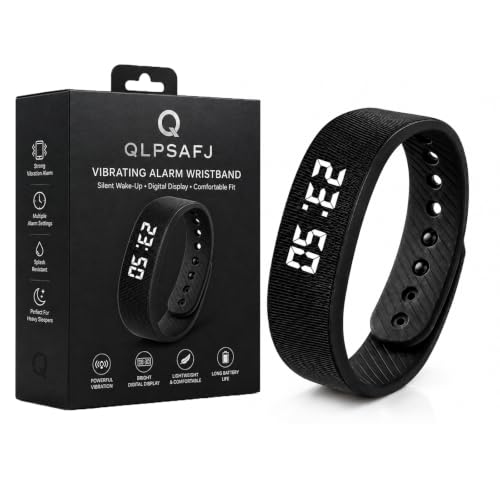
Best alarm watches wake you with a buzz on your wrist, which suits shift workers, couples, and anyone who needs a silent alarm that does not wake the whole room. The comparison table below sets out the main types side by side so you can compare vibration strength, sound, battery life, and comfort. A good alarm watch also tells the time clearly, survives daily wear, and stays comfortable overnight.
Alarm watches range from simple digital models to smart watches with multiple alarms, sleep tracking, and custom vibration patterns. Some people need a strong vibration for deep sleep, while others want a gentle nudge plus a soft tone. This guide explains the differences, so you pick a watch that wakes you reliably without annoying your partner or draining its battery daily.
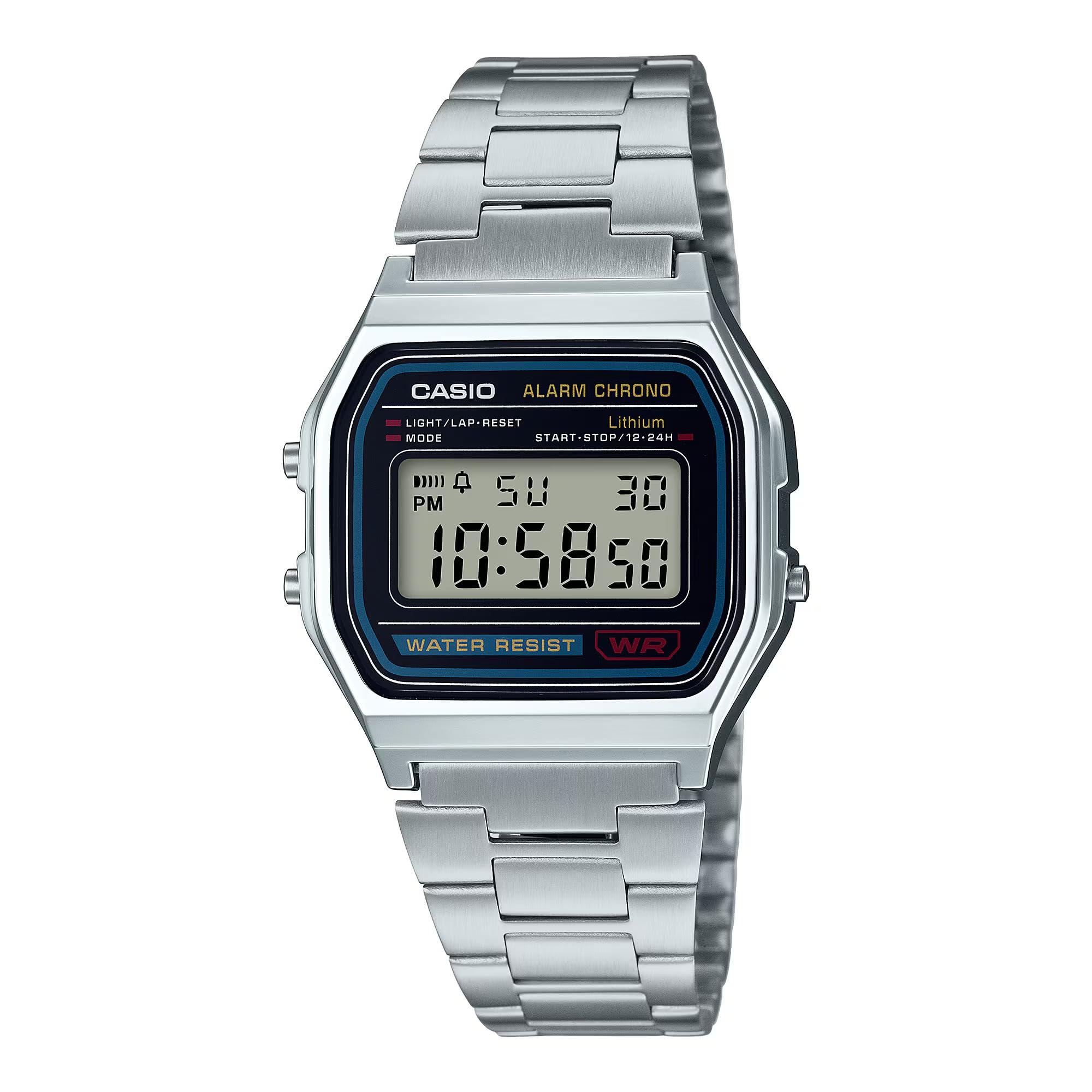


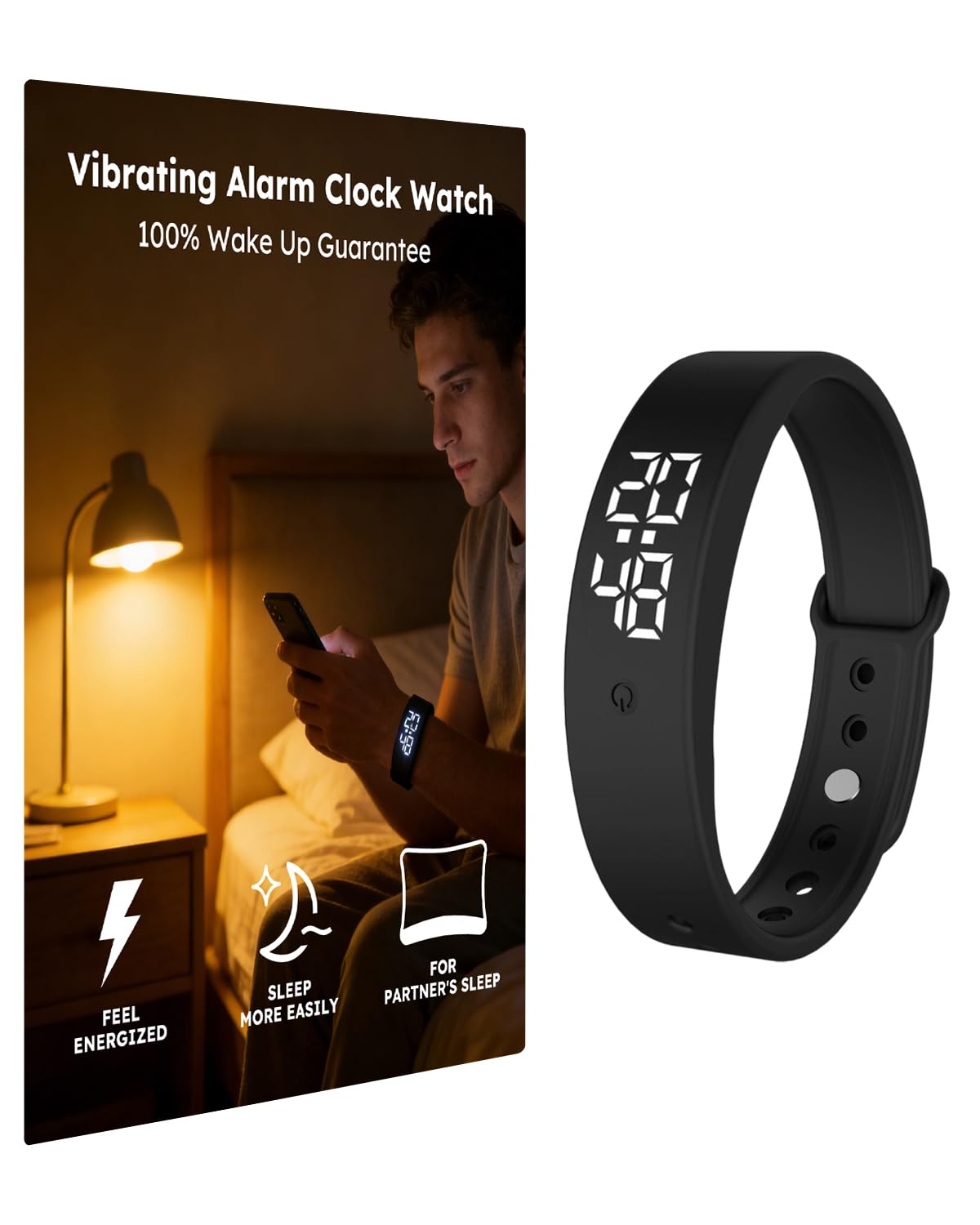
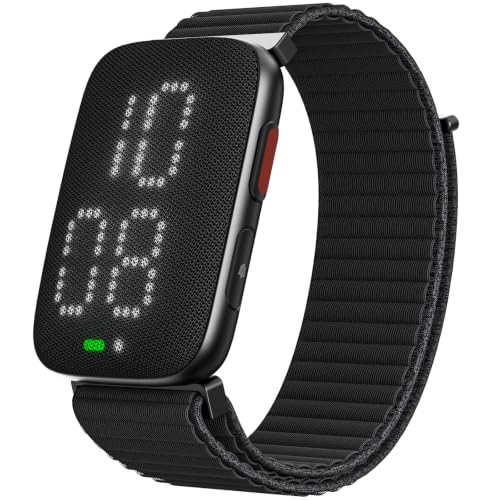
Who Should Buy an Alarm Watch
An alarm watch suits people who share a bedroom and want to wake without a loud alarm. It also suits shift workers, students in shared housing, and travelers who sleep in hostels or hotel rooms. Deaf and hard of hearing users often benefit most, since vibration provides a wake up signal that sound alone cannot guarantee.
If you sleep very deeply, a vibration alarm alone may not suffice, so look for models that combine strong vibration with sound. People who dislike wearing a watch in bed should test comfort first, since a bulky case can disturb sleep. For most shared sleeping situations, however, a wrist alarm proves kinder than any bedside buzzer.
Vibration Versus Sound Alarms
Vibration alarms wake you through touch, which keeps the room quiet and works well for couples and shared rooms. Vibration strength varies widely, from a gentle pulse to a firm buzz that most sleepers cannot ignore. Look for adjustable strength and patterns, since a pattern that repeats feels harder to sleep through than a single short buzz.
Sound alarms suit deep sleepers and people who sleep without a watch on the wrist during the day. Some watches combine both, starting with vibration and adding sound when you do not respond. Test the alarm while awake first, and set a backup alarm for critical mornings until you trust the vibration to wake you. Strong vibration options appear in best vibrating alarm watches, while best men's alarm watches and best watches for guys cover everyday styles.
Battery Life and Charging
Battery life decides whether an alarm watch helps or hassles you daily. Simple digital alarm watches often run for months or years on a small battery, which suits people who dislike charging. Smart alarm watches need charging every few days, though they offer more alarms, sleep tracking, and custom patterns in return.
Think about your charging routine, and choose a battery life that fits it without daily anxiety. A watch that dies overnight helps no one, so check low battery warnings and charging speed. Solar and long life models suit travelers and outdoor workers who cannot charge daily. Quality and workout focused models are covered in best quality watches and best workout watches.
Comfort for Overnight Wear
Comfort matters most for an alarm watch, since you wear it through the night. A light case, a soft strap, and a smooth back plate prevent pressure marks and itching. Silicone and fabric straps usually feel softer overnight than steel bracelets, though steel suits daytime dress better.
Try the watch on for a full night before relying on it, and adjust strap tightness so it stays in place without cutting circulation. A watch that slips around the wrist may vibrate weakly or miss your attention entirely. If wrist wear disturbs you, consider a slimmer model or a soft strap swap before giving up on wrist alarms.
Features Worth Paying For
Multiple alarms help shift workers and people with varied schedules, since you can set different times for work days, weekends, and reminders. A snooze function with a sensible interval helps heavy sleepers without letting them oversleep badly. Water resistance matters when you shower or swim with the watch, though alarm watches vary widely on this point.
Sleep tracking appeals to people curious about sleep patterns, though wrist estimates never replace medical sleep assessment. Backlighting helps night time checks, while a clear display matters for daytime use. Pay for features you will use weekly, and skip extras that only complicate a simple wake up tool.
Mistakes to Avoid
The most common mistake is trusting a new alarm watch for an important morning without testing it first. Wear it for several nights, test vibration strength, and keep a backup alarm until you know it wakes you reliably. Another mistake is choosing a bulky watch that disturbs sleep, then abandoning wrist alarms entirely.
Many buyers also ignore battery warnings and wake to a dead watch on a work morning. Check battery level nightly at first, and set a charging routine that fits your schedule. A reliable alarm habit matters more than any single feature on the box.
Making a Wrist Alarm Part of Your Routine
A wrist alarm works best when it becomes part of a consistent nightly routine, starting with charging or battery checks at the same time each evening. Place the watch on your wrist as part of getting ready for bed, and set the alarm before you lie down rather than trusting memory in the dark. This ritual prevents the classic failure of a watch left charging on a bedside table while you sleep unalarmed.
Multiple alarms suit varied schedules, so set a gentle first alarm for slow mornings and a firmer backup for critical days. Shift workers benefit from weekday and weekend patterns that avoid disturbing rest days, while students can set reminder alarms for classes and deadlines. A watch that handles your real schedule feels indispensable, while one set only for weekdays quickly feels limited.
Finally, review alarm effectiveness monthly, noting nights when vibration woke you promptly and nights when it failed. Adjust strength, pattern, or strap fit based on those notes, and replace straps that stretch or harden with wear. A wrist alarm tuned to your sleep becomes a trusted tool rather than a gadget you second guess each night.
Frequently Asked Questions
Do vibrating alarm watches wake heavy sleepers?
Vibrating alarm watches wake many heavy sleepers, especially models with strong, repeating vibration patterns. Vibration alone may not suffice for very deep sleepers, so combine it with sound or a bedside backup alarm at first. Test the watch for several nights and adjust strength and pattern until it wakes you consistently. A watch that pairs vibration with an audible alarm gives the most reliable wake up for deep sleep.
Can I wear an alarm watch all night comfortably?
You can wear most alarm watches all night comfortably when they use a light case and a soft strap. Silicone and fabric straps usually feel best overnight, while steel bracelets may feel heavy or cold. Adjust the strap so the watch stays in place without pressing tightly, and try a slimmer model when a bulky case disturbs you. Test overnight comfort for a few nights before relying on the watch daily.
How long do alarm watch batteries last?
Alarm watch battery life ranges from months on simple digital models to a few days on smart watches with screens and tracking. Simple models suit people who dislike charging, while smart models trade battery life for extra features. Check the maker battery claims for alarm use specifically, since tracking and bright screens drain power faster. Keep a charging routine that prevents overnight surprises.
Are alarm watches good for deaf users?
Alarm watches help many deaf and hard of hearing users, since vibration provides a wake up signal without relying on sound. Strong vibration models with repeating patterns work best, and some watches add flashing light for extra warning. Test vibration strength while awake, and combine the watch with a flashing alarm clock when you need extra assurance. Vibration watches offer independence that sound alarms cannot provide.
Should I choose a smart watch or a simple alarm watch?
Choose a smart watch when you also want fitness tracking, notifications, and multiple custom alarms in one device. Choose a simple alarm watch when you want long battery life, low cost, and a distraction free wake up. Smart watches need frequent charging and may tempt you with notifications at night. Simple watches do one job very well, which suits many sleepers better than a feature packed alternative.
Final Thoughts
Best alarm watches succeed when they wake you reliably without disturbing anyone else or complicating your nights. Use the product table above to compare vibration strength, sound, battery life, and overnight comfort. The best alarm watch is one you forget you are wearing until it gently wakes you on time.
Test the alarm for several nights, keep a backup for important mornings, and charge on a routine that never leaves you with a dead watch. With a careful choice, a wrist alarm can make mornings calmer for you and quieter for everyone else in the house.


