
Best Alarm Clocks for Students at Every Price: What Your Money Really Gets You for 2026
Disclosure: We may earn a commission when you buy through links on this page, at no extra cost to you. As an Amazon Associate I earn from qualifying purchases. Learn more

Compare the best alarm clocks for students by price, size, volume, charging ports, backup power, and durability for dorm rooms, shared flats, and early classes.
Student life runs on awkward hours: early lectures, late study sessions, part time shifts, and roommates who keep completely different schedules. A phone alarm fails more often than students admit, through flat batteries, silent modes, and updates that change settings overnight. Prices for a dedicated clock run from under $15 to over $100, and knowing what each tier buys keeps a tight budget safe.
This guide sorts the best alarm clocks for students by price, so you can see exactly where extra money helps and where it does not. Check the comparison table below first, then match your shortlist to the tier and feature advice that follows.


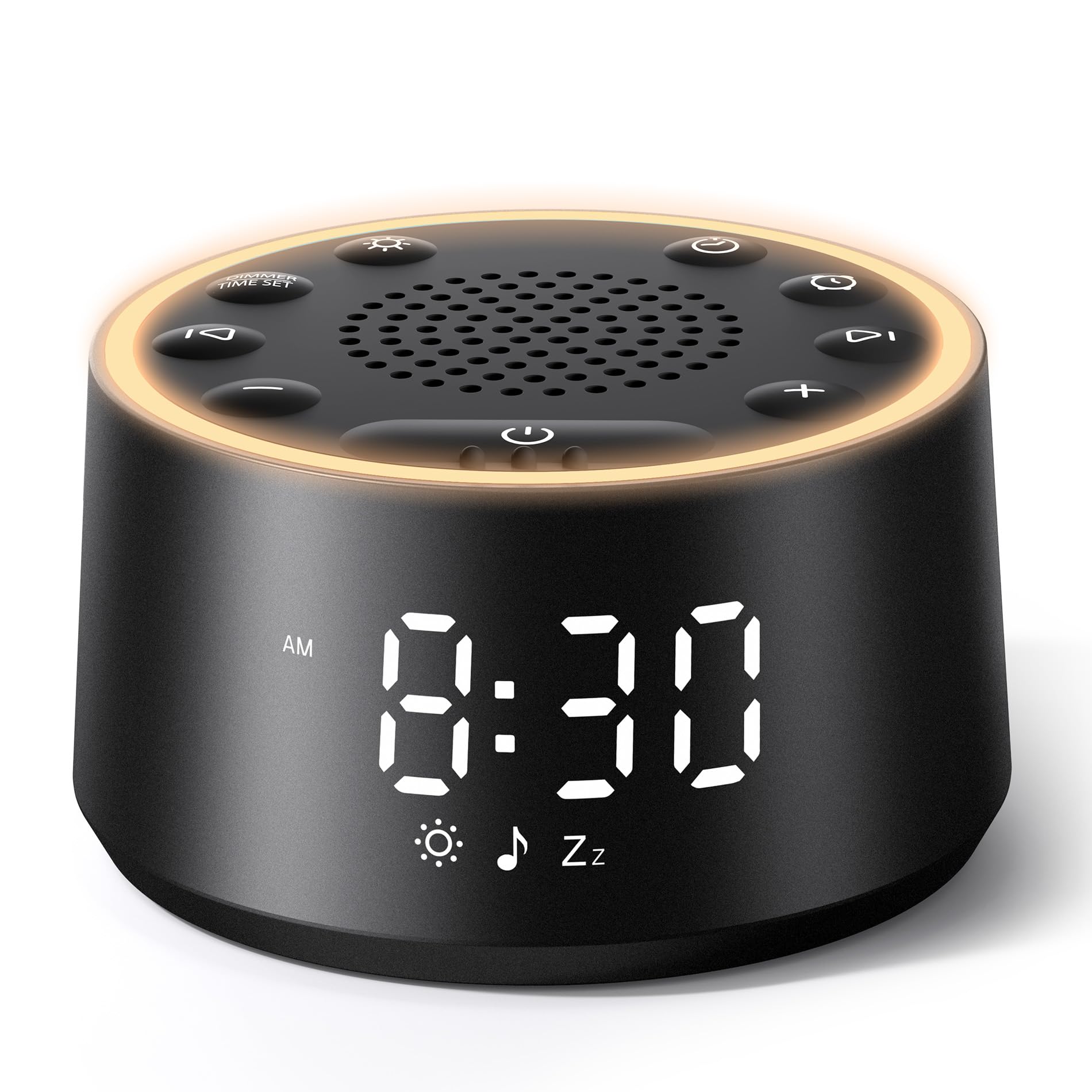
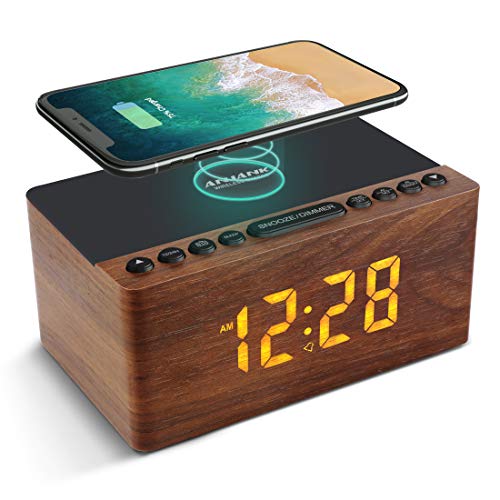
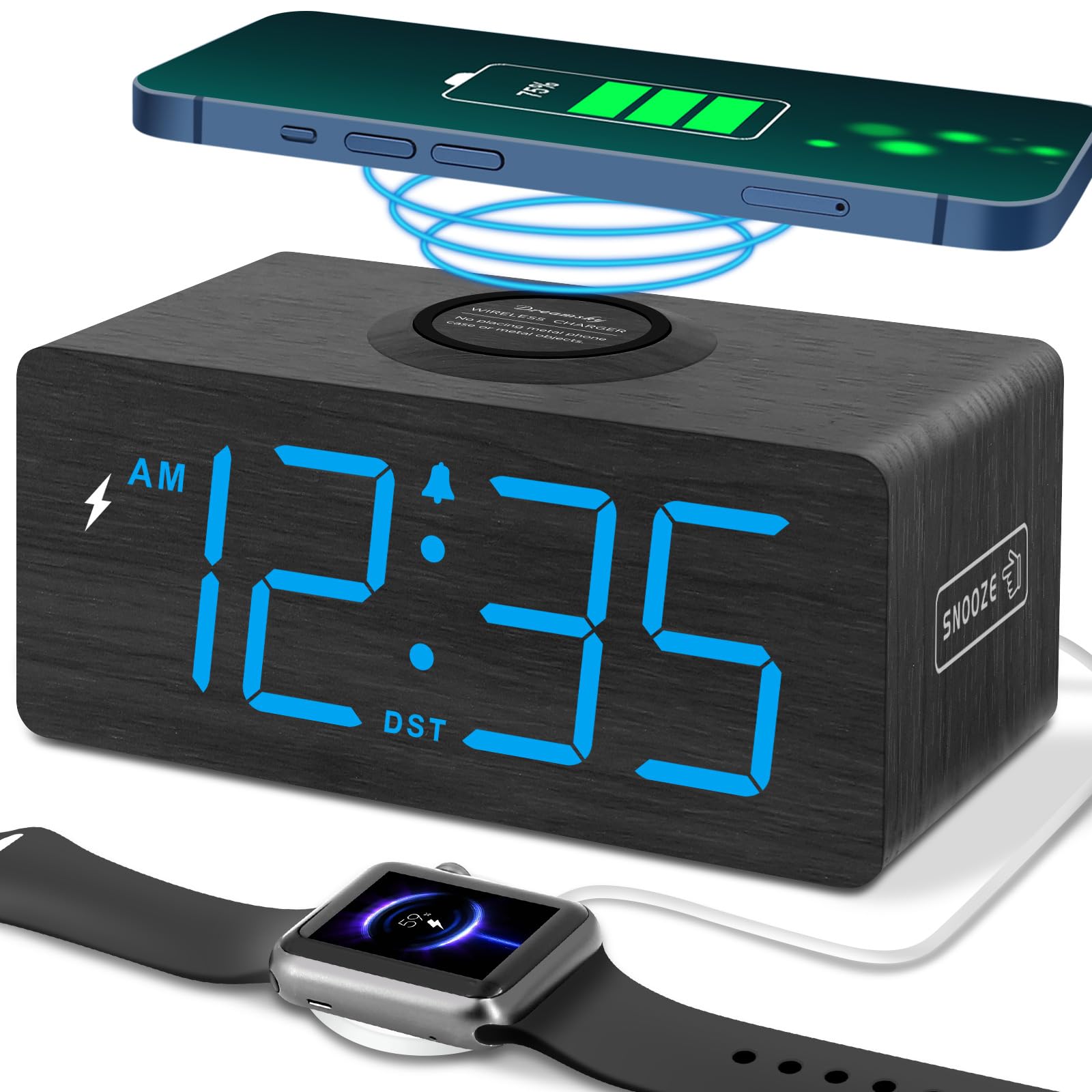


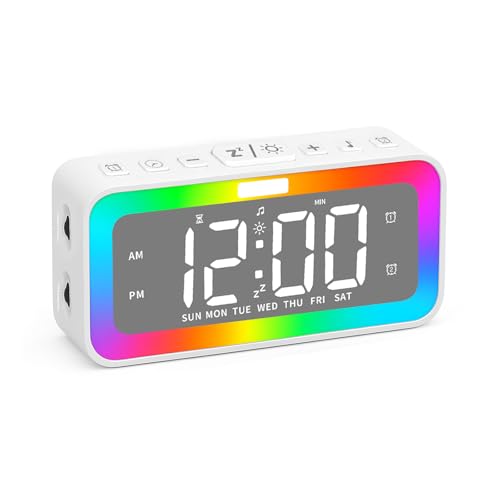
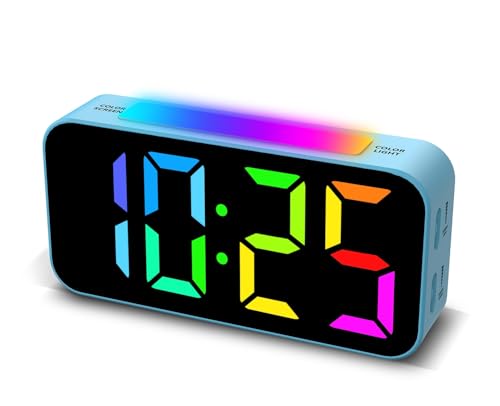
Budget Profiles to Compare
Use these profiles to judge any model in the product table above. Each one reflects a common student situation, from a first dorm room to a final year flat with a job attached.
Budget Profile
A budget profile, usually around $12 to $25, gives you a loud basic alarm, a clear display, and battery backup in a small case that fits a crowded dorm desk. It suits first year students who need reliability more than features. Expect one or two alarm sounds, a simple snooze, and plastic construction that feels light. The limits are a bright fixed display and no charging port for your phone. Test the volume during the return window, because cheap speakers vary widely and a weak one will not cut through exam week exhaustion.
Midrange Profile
The midrange profile, around $25 to $50, adds the features students actually use daily: a USB charging port, a dimmable display, dual alarms for class days and weekends, and better build quality. This tier suits most undergraduates, especially anyone sharing a room who needs a display that goes dark. Sound choice improves, and sunrise light appears on some models at the top of the range. Warranties usually reach one year here. For a shared room, a vibrating pad add on at this level can wake you without waking your roommate.
Premium Profile
A premium profile, often about $55 to $100, suits students with jobs, placements, or final year pressure where a missed start is costly. You gain stronger speakers, gradual light waking, multiple alarm memories for changing timetables, and materials that survive being packed and moved each term. Some models add Bluetooth speaker functions for study music, though that is a bonus rather than a need. Buy this tier for durability across a whole degree, not for a single term, and the cost per year becomes reasonable.
What Your Money Gets You at Each Price Tier
Budget Tier: What to Expect
Budget money buys the essentials and nothing more: a dependable alarm, a readable clock, and backup power if the listing confirms it. Displays are usually bright with one dim setting at best, and alarm tones are simple electronic sounds. Cases are light, which is handy for travel between home and campus but less reassuring when the clock falls off a bunk shelf. For a student whose only demand is a loud wake up for a fixed class time, this tier works. Verify battery backup before buying, because the cheapest models sometimes skip it.
Midrange Tier: The Sweet Spot for Most Buyers
Midrange is where student life gets easier. A USB port charges your phone overnight, freeing a socket in a room that never has enough. A dimmable or dark display respects a roommate sleep schedule, and dual alarms handle the weekday and weekend split without weekly resetting. Our guide to the best sunrise alarm clock shows how light based waking, common from this tier upward, helps with dark winter mornings. Most students should shop here first and only move up for a specific reason.
Premium Tier: When Spending More Pays Off
Premium spending pays off in three student situations. First, heavy sleepers gain real waking power from stronger speakers and vibration options. Second, students on placements or shift work gain multiple alarms and finer control. Third, anyone tired of replacing cheap clocks gains a build that lasts for years. What premium money should not buy is a huge feature list you will ignore by week three of term. If a feature does not serve your timetable, your room, or your sleep, it is not worth funding from a student budget.
Features Worth Paying For (and Ones to Skip)
Size and Design
Dorm desks and nightstands are small, so a compact clock with a footprint under about five inches wide leaves room for books, a lamp, and a laptop. A display that tilts or sits high enough to read from a bunk helps more than sheer screen size. Bright colors and fun shapes are fine, but check that the design does not make buttons hard to find in the dark. A clock you can operate by touch at 6 a.m. beats a beautiful one that needs a menu and a manual.
What Students Should Look For
Students should look for five things first: volume that beats a deep sleep, battery backup for dorm power cuts, a display dimmer for shared rooms, a USB port for phone charging, and controls simple enough to set when exhausted. A nap timer deserves a special mention, because library and pre exam naps are part of student life and a quick set nap alarm prevents a twenty minute rest becoming three hours. Lightweight design helps if you move rooms each year or travel home often.
Purpose and Who It Is For
Purpose decides the right clock faster than price. A student in a single room can choose pure loudness. A student sharing with a roommate needs vibration or a dim display and gentle controls. A student with early sports training needs reliability and a snooze limit, while a night owl needs help protecting a late but consistent schedule. Parents buying for a teen at home should favor simple controls and a sturdy case. For general context on styles, our guide to the best alarm clock range covers the main types side by side.
Price and Value
Value for a student means cost spread across years of use. A $15 clock replaced every year costs more than a $40 clock that lasts a whole degree, and it fails at the worst times. Look for a warranty, replaceable batteries rather than a sealed unit, and standard cables you can borrow or replace cheaply on campus. Avoid paying for radio, weather displays, or novelty sounds unless you know you will use them. The options in our best simple alarm clocks guide show how far a focused, low cost design can go.
Long Term Costs to Factor In
Ownership costs stay low if you choose well. Backup batteries need yearly replacement, and rechargeable models may need a new battery after a few years of nightly charging cycles. A replacement USB cable is cheap, while a maker specific charger can cost more and take days to arrive during term. Drops are the biggest hidden cost in student housing, so a sturdy case is a saving, not a luxury. Keep the box if you move rooms often, since a clock packed loose in a bag of books rarely survives the trip.
Frequently Asked Questions
What makes alarm clocks for students different from regular alarm clocks?
Student clocks must handle shared rooms, changing timetables, and tight budgets at once. That means dimmable displays, dual alarms, charging ports, and builds that survive moves between rooms and homes. A regular bedside clock assumes one stable routine in one quiet room. One extra difference is portability: students pack and unpack several times a year, so weight and a travel lock on the buttons matter more than they do at home.
Is an alarm clock for students a good gift?
Yes, it is a practical gift for a new student, especially before a first term away from home. Choose midrange, include batteries, and add a short note about setting a backup alarm for exam days. Keep the receipt, since volume and display brightness are personal. For younger teens still at home, calmer styles from our best bedside alarm clocks guide may suit better than the loudest dorm focused models.
Is it worth paying more for an alarm clock for students?
Paying more is worth it for a charging port, a dark display, and a build that lasts beyond one year. It is not worth it for decorative features or a long list of sounds you will never use. Think in cost per term: a midrange clock used for three years costs very little per month of reliable mornings. If money is tight, one strong budget clock plus a phone backup beats an expensive clock bought on credit.
What features matter most in alarm clocks for students?
Volume, backup power, and a dimmable display matter most. After those, a USB port and dual alarms solve the daily annoyances of shared student housing. A practical test before term starts is to set the clock in your actual room, with your actual bedding and roommate present, and confirm the sound reaches you without blasting the whole corridor. That five minute check prevents a semester of friction.
How long does an alarm clock for students last?
A midrange clock usually lasts three to five years, which covers most degrees. Budget models often manage one to two years before buttons wear or speakers weaken, especially with daily snooze use and frequent packing. Help any clock last by packing it in clothing when you move, keeping it away from drinks on the desk, and changing backup batteries each year at the start of term.
Our Verdict
Most students should buy in the midrange, where charging, dimming, and dual alarms solve real daily problems for a fair price. Budget models suit a single term or a spare room, and premium models suit heavy sleepers and students whose jobs punish a late start. Whichever tier you pick, test it in your room before the first big morning. Compare the best alarm clocks for students in the product table above against your timetable and your roommate, and you will choose well.


