
Best Alarm Clocks for Sleep by Budget: Smart Picks for 2026
Disclosure: We may earn a commission when you buy through links on this page, at no extra cost to you. As an Amazon Associate I earn from qualifying purchases. Learn more

Learn how alarm clocks for sleep support gentler waking with sunrise light, calm sounds, dim displays, and simple controls at every price tier.
An alarm clock should protect your sleep, not just end it. A display that glows all night, a harsh tone that jolts you upright, or controls so fiddly that you lie awake worrying about the setting can all chip away at rest. Prices range from under $20 to over $150, and paying more only helps when the money buys calmer nights and gentler mornings.
This guide sorts the best alarm clocks for sleep by budget, showing what each tier delivers and which upgrades are worth it. Start with the comparison table below, then check your shortlist against the feature guidance that follows.

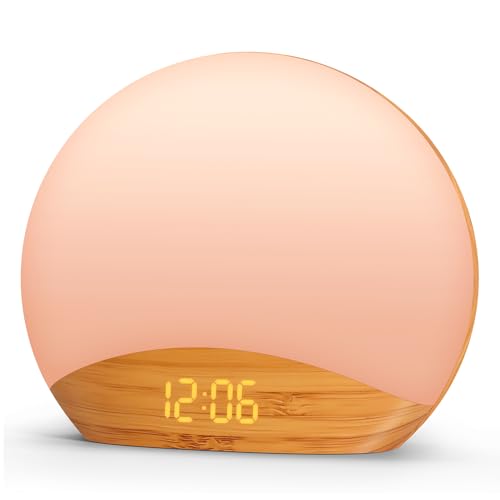


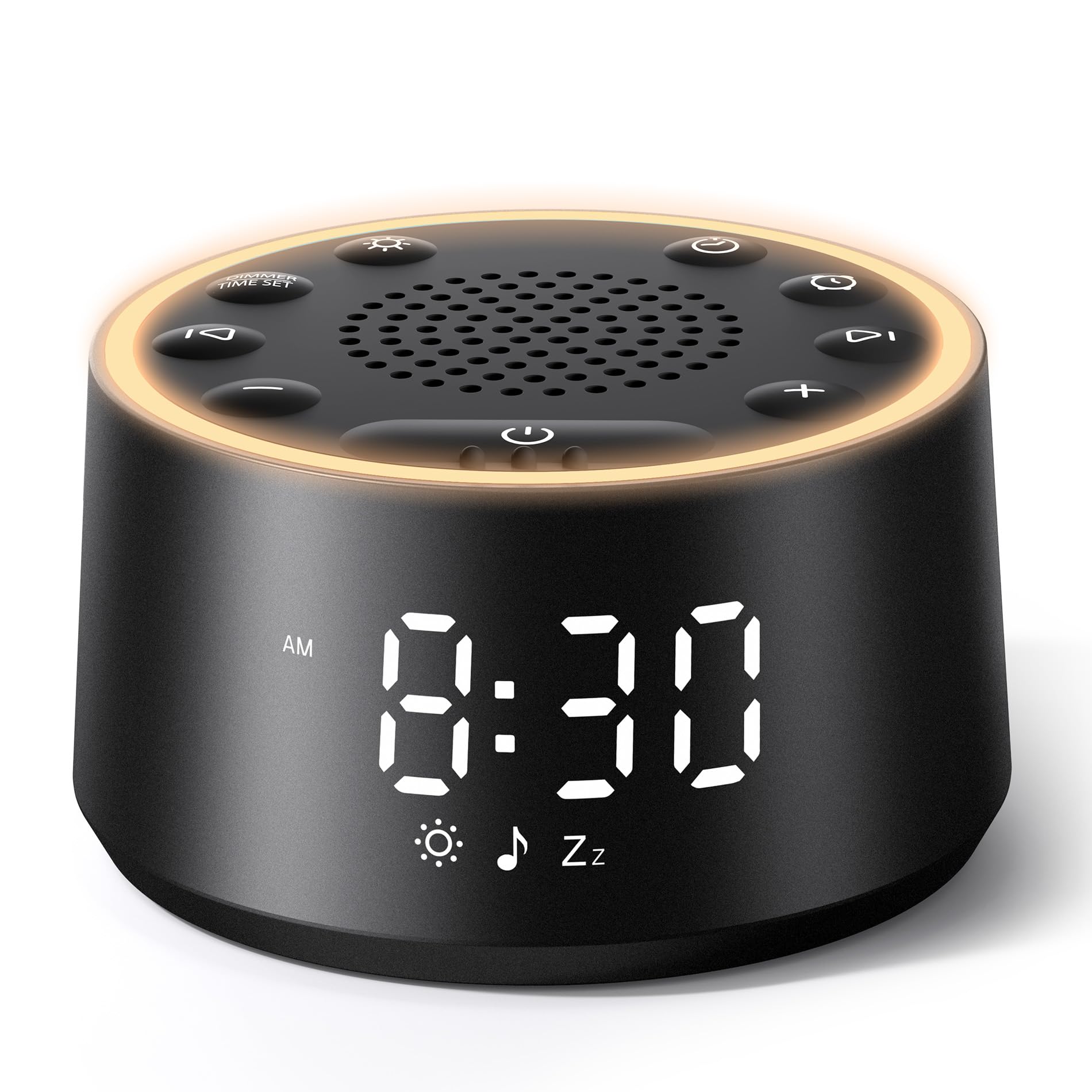
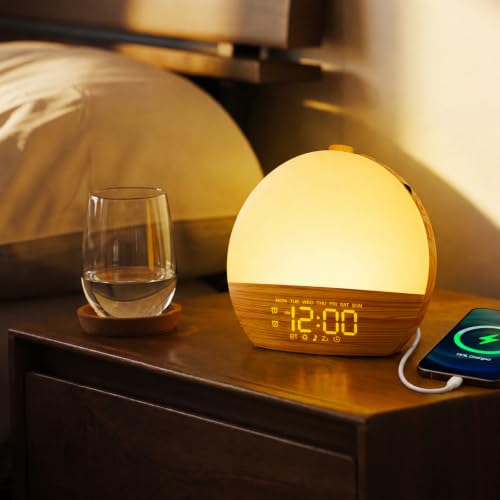

Budget Profiles to Compare
Use these profiles to judge any model in the product table above. Each describes who the tier suits, what it does well, and where it asks you to compromise.
Budget Profile
A budget profile, usually around $15 to $30, covers the sleep basics: a readable display with at least a simple dimmer, a choice of two or three alarm sounds, and a snooze button that is easy to find. It suits guest rooms, light sleepers who wake easily, and anyone replacing a phone alarm on a tight budget. The compromises are plain materials, limited light features, and a display that may not turn fully off. Check the dimmer range in the listing photos, because night brightness is the detail budget buyers regret most.
Midrange Profile
The midrange profile, around $35 to $70, is where sleep focused design begins. Expect a display that dims to black, sunrise light that grows before the alarm, and calmer sounds such as birdsong or soft chimes. Dual alarms and a weekend setting appear here, along with better speakers that sound pleasant at low volume. This tier suits most adults who want to wake feeling clear rather than startled. It also tends to bring a one or two year warranty, which the cheapest tier often skips.
Premium Profile
A premium profile, often about $80 to $150, adds a full wind down routine as well as a wake up one. Guided light fading at bedtime, a wide library of natural sounds, and very fine control over brightness and volume all live at this level. Materials improve, controls feel calmer to use in the dark, and some models track nothing at all, which privacy minded buyers prefer. You pay for the quality of the whole night, not only the alarm moment, so buy this tier if bedtime routine matters as much as waking.
What Your Money Gets You at Each Price Tier
Budget Tier: What to Expect
Budget money buys a dependable alarm and basic night manners. You get a clear time display, a small range of tones, and battery backup on many models. What you give up is refinement: light, if present, switches on rather than fading up, and sound quality can feel thin. The display dimmer is the feature to verify, because a fixed bright screen can disturb light sleepers all night. For a spare room or a first step away from a phone alarm, this tier does the job honestly.
Midrange Tier: The Sweet Spot for Most Buyers
Midrange models balance night comfort and morning reliability better than any other tier. Sunrise simulation is the headline feature, and our guide to the best sunrise alarm clock explains how gradual light eases the final stage of sleep before sound starts. You also gain displays that go fully dark, tap controls for snooze, and sounds recorded from nature rather than simple electronic beeps. For couples and light sleepers, this is usually the point where extra spending stops improving sleep in any way you can feel.
Premium Tier: When Spending More Pays Off
Premium spending pays off when your sleep is fragile or your routine is elaborate. The gains are finer steps of light and volume, bedtime fading routines, and speakers that stay warm and clear at very low levels. Build quality also improves, with weighted bases and quiet buttons that do not click through a quiet room. If you simply need to wake at seven on weekdays, premium features will sit unused. If you guard your sleep carefully because poor nights wreck your days, the control is worth the money.
Features Worth Paying For (and Ones to Skip)
Materials and Build Quality
Quality materials matter at night more than in daylight. A matte finish cuts glare from the display, a solid base stops the clock sliding when you tap snooze, and buttons with a soft press avoid clicks that wake a partner. Fabric covered or wood effect fronts also diffuse light more gently than glossy plastic. You do not need premium pricing for decent build, but avoid the lightest, hollow feeling units, because they rattle, tip, and make a small room feel more cluttered than calm.
Size and Design
Choose a size that fits your nightstand without crowding it. A display around two to four inches wide is readable from bed yet small enough to stay unobtrusive. Rounded shapes and warm light tones suit bedrooms better than sharp, office style designs. Think about viewing angle too, because a display you must sit up to read defeats its purpose at 3 a.m. If your nightstand is tiny, a compact clock leaves room for a book and a glass of water, which supports a calmer bedtime routine.
Purpose and Who It Is For
Match the clock to the sleeper. Light sleepers need the dimmest display and the softest start. Deep sleepers need a sunrise that begins early plus a sound backup with real volume. Couples need dual alarms and a screen that faces one side or goes dark. Children need simple controls and a gentle tone, while adults with irregular shifts need several alarm memories. Writing down who will use the clock, and what currently ruins their sleep, turns a long feature list into a short, clear decision.
Ease of Use
Easy to use controls protect sleep because you can set the alarm and stop thinking about it. Look for a dedicated alarm switch you can check by touch, a snooze area you can tap without looking, and menus with few layers. Voice or app control can help, but a clock that needs a phone at bedtime works against a screen free night. Our guide to the best alarm clock basics covers the control layouts that most people find calm and clear.
Features That Matter for Sleep
Sleep changes what an alarm clock must do. The display should dim fully, because even low light can lighten sleep for sensitive people. Light and sound should rise gradually over twenty to thirty minutes rather than switching on at full strength. A wind down timer helps you keep a steady bedtime, which matters more for sleep quality than any wake feature. Finally, the clock should stay silent all night: no hourly chimes, no bright status lights, and no fan like hum from a cheap power supply.
Picking the Right Alarm Clocks for Different Uses
Best Alarm Clocks for Sleep Deprivation: Where Your Money Goes
When sleep deprivation is the problem you are solving, spend on consistency: a reliable sunrise routine, a steady wake time setting, and a wind down timer that protects your total hours. An alarm cannot repay a sleep debt, so treat it as routine support only. If you fall asleep while driving, cannot stay awake at work, or feel unwell, see a doctor promptly rather than buying stronger alarms.
Best Alarm Clocks for Sleep Inertia: Where Your Money Goes
Sleep inertia is the heavy, foggy feeling after waking, and the right clock setup fights it with timing and light. Choose a sunrise that starts thirty minutes before your target, a tone that rises in steps, and a snooze that forces light to stay on while you snooze. Place the clock across the room and get bright light early. If morning fog lasts for hours most days, mention it to your clinician.
Long Term Costs to Factor In
Ongoing costs are small but real. Backup batteries need yearly replacement, and a clock with a built in rechargeable cell may need a battery service after several years. Light based models use a little more power than a basic clock, though the yearly cost stays modest. Factor in replacement if a cheap unit fails early: two budget clocks in three years can cost more than one midrange model with a two year warranty. For calmer bedside styles beyond light models, see our best bedside alarm clocks guide before you decide.
Alarm Clocks: Your Questions Answered
What features matter most in alarm clocks for sleep?
A fully dimmable display and a gradual wake up matter most. Light that rises over twenty to thirty minutes, paired with a calm sound, helps you surface slowly instead of jolting awake. One point many buyers overlook is the power supply: a silent unit matters, because a faint buzzing adapter on a quiet night can disturb light sleepers more than the alarm itself ever will.
Which alarm clock features are worth paying for to protect sleep?
Pay for fine brightness control, natural sounds, and a wind down timer. Skip decorative color changing light shows and large touch screens, which add glow and complexity at bedtime. A useful test is to ask whether a feature works while you are asleep or falling asleep. Features that only entertain you while awake rarely improve rest, however impressive they look in the listing.
Is an alarm clock for sleep a good gift?
Yes, a sleep friendly clock is a kind gift for someone who complains about harsh mornings or phone scrolling at night. Choose midrange, since the light and dimming features make the benefit obvious from the first night. Include a gift receipt, because display brightness taste varies. If the person prefers the plainest possible routine, the models in our best simple alarm clocks guide may fit better than a feature rich light clock.
Is it worth paying more for an alarm clock for sleep?
It is worth paying into the midrange for sunrise light and a display that goes dark. Premium prices add bedtime routines and finer control, which help fragile sleepers but change little for sound sleepers. Decide by your weak point: if mornings are the problem, midrange is enough. If falling asleep is equally hard, the wind down features at the premium tier can earn their keep across the whole night.
How long does an alarm clock for sleep last?
A decent model lasts four to six years, because it does little mechanical work each day. The display and light panel age slowly, and buttons see gentle use. Rechargeable models may lose battery capacity sooner. If light output fades unevenly or the clock drifts from the correct time, replace it. Keep the manual and warranty card, since a two year cover is common at midrange and repairs are rarely offered.
Our Verdict
For most people, the midrange delivers the sleep features that matter: gradual light, calm sound, and a dark display. Budget models suit spare rooms, and premium models suit fragile sleep and careful bedtime routines. Whatever tier you choose, keep a steady wake time and talk with your clinician if poor sleep persists, since no clock replaces medical advice. Compare the best alarm clocks for sleep in the product table above with those points in mind, and pick the one that guards your whole night.


