
Best Alarm Clocks for Seniors: Matching the Right Model to Your Routine for 2026
Disclosure: We may earn a commission when you buy through links on this page, at no extra cost to you. As an Amazon Associate I earn from qualifying purchases. Learn more

Discover the best alarm clocks for seniors for your needs. We match features to real use cases so you avoid overpaying and get the right fit the first time.
There is no single clock that suits every older adult. Vision, hearing, dexterity, and morning routines differ so much that the right choice depends on the person who will use it every day. This guide matches features to real situations, so you can find the best alarm clocks for seniors for your home without paying for extras nobody needs.
Start by identifying which user group below sounds most familiar. Then compare the key features with that group in mind, and use the comparison table below to build a shortlist.


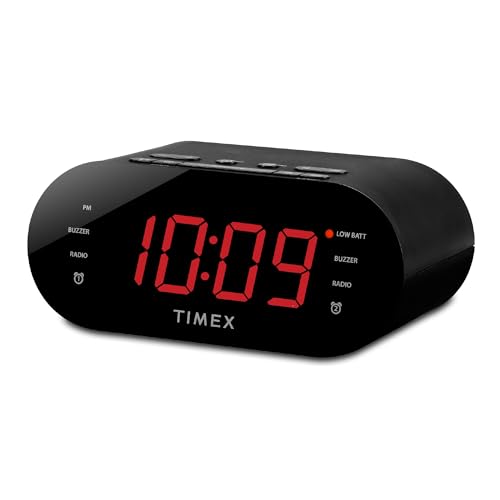
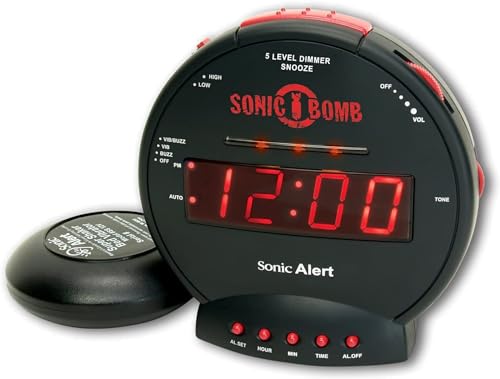
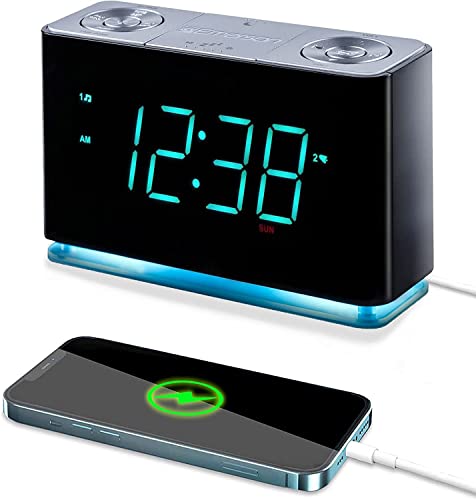
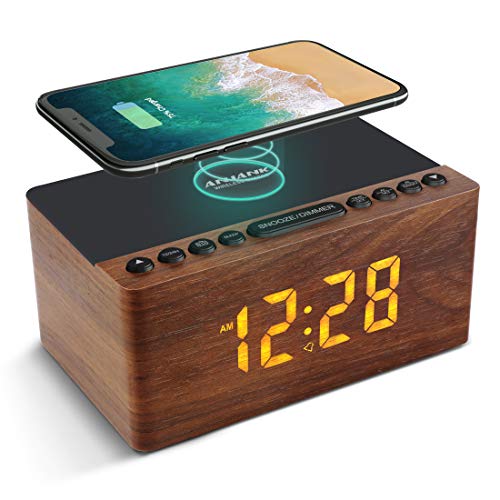


Who Should Buy Which Alarm Clocks?
The same clock can be perfect in one bedroom and frustrating in another. These four groups cover the most common buying situations for older adults and the people who shop for them.
For Value Seekers
Value seekers want a clock that does the basics well for years at a fair price, usually under $40. Prioritize a clear display, a reliable alarm, and battery backup for power outages. Skip smart features, app control, and decorative lighting that raise the price without helping the morning routine. Durability matters more than novelty here, so look for solid buttons that give a firm click and a case that feels dense rather than hollow. A simple model from a known maker with a real warranty beats a feature packed unknown at the same price.
For Gift Shoppers
Gift shoppers need a clock the recipient can use within minutes of opening the box. Choose large controls, an auto setting clock if available, and instructions printed in a readable size. Avoid anything that needs a smartphone, an account, or a WiFi password, since setup help may not be nearby later. A sunrise style model can be a thoughtful pick for someone who hates harsh sounds, and our guide to the best sunrise alarm clock explains that gentler approach. Include the receipt and set the time before you wrap it if you can.
For People Who Want the Best Performance
Performance buyers are paying for certainty. The alarm must sound every time, at a volume that truly wakes a deep sleeper or someone with hearing loss, and the display must stay readable in bright daylight and at night. Premium money is well spent on a bed shaker option, dual alarms for medication or appointments, and a display with automatic dimming. It is wasted on voice assistants and streaming extras that complicate the basics. If waking reliably is a safety issue, for example before early medical appointments, performance features stop being luxuries.
For First Time Buyers
First time buyers should keep the decision small. A basic digital clock with large numerals, one alarm, and a big snooze button covers most needs and teaches you what you actually miss. Live with it for a month before deciding that radio, projection, or extra alarms matter to you. Choose a seller with an easy return window so an exchange costs nothing but time. Many people discover that the simplest clock is the one they keep, which is why our guide to the best simple alarm clocks is a sensible place to compare basics.
Key Features to Compare
Features only matter when they connect to a daily moment. Read each one below against the routine of the person who will rely on the clock.
Purpose and Who It Is For
Start with the job the clock must do. For some seniors the job is simply waking at a set hour. For others it includes medication reminders during the day, a visible clock face for a living room, or a nightstand display that can be read without glasses at 3 a.m. Write the main job in one sentence before you shop. Every feature you consider should serve that sentence. This step prevents the common problem of buying a clock that does many things and the one needed thing poorly.
Ease of Use
Ease of use is the defining feature for this audience. Buttons should be large, raised, and spaced so fingers with limited dexterity can find them by touch. Setting the alarm should take a few clear steps, with no long press combinations to memorize. The snooze control deserves its own test, since it is the button used half asleep. A top mounted wide bar or button is far easier than a small dial. If a clock needs a manual open to set the time, it fails this test for most seniors.
Price and Value
Most dependable models for this audience cost about $25 to $80. Below that range, displays and buttons tend to shrink and backup power may be missing. Above it, you are usually paying for sunrise lighting, premium sound, or design rather than better waking. Value also includes the cost of mistakes. A clock with a generous return policy is worth a few dollars more, because fit for an older user is personal and hard to predict from photos. Budget for batteries or a spare adapter at purchase time, not after the first outage.
Key Features That Matter
Four features do most of the work. Display size and brightness decide whether the time can be read across the room and without glare at night. Alarm volume and tone decide whether the clock wakes the sleeper without startling a partner. Battery backup keeps the alarm alive through power cuts, which matters most in storm seasons. Dual alarms help couples with different schedules and anyone with a morning medication time. Radio, USB charging, and projection are pleasant extras, but they should never outrank those four basics when you compare models side by side.
What Seniors Should Look For
Seniors should look for a display with numerals at least an inch tall, a dimmer with more than two steps, and an alarm that rises in volume rather than blasting at full force. Weight matters too. A clock that slides when you press snooze will frustrate anyone, so a heavier base or rubber feet help. There is also a health point. If a clock that once worked no longer wakes you, or you snore loudly, gasp during sleep, or feel very sleepy in the daytime, treat that as a warning sign and talk with a doctor or hearing specialist rather than simply buying a louder clock.
Common Mistakes to Avoid When Buying Alarm Clocks
Most regrets with these clocks come from a handful of repeat errors.
- Judging by price alone and ending up with tiny buttons and a dim display that strain eyes and fingers.
- Ignoring the main purpose, then buying a travel sized clock for a bedside role it cannot fill.
- Choosing a display that is too bright for night use or too faint for a sunlit room.
- Skipping the warranty check, even though a clock runs every hour of every day and faults show up fast.
- Forgetting battery backup, so the first power outage turns into a missed appointment.
Setup and Care Tips
Set the clock up in daylight and test the alarm at the volume and tone you plan to use, ideally two days before it matters. Place it across the room only if the user can get up safely, and otherwise keep it within easy reach of the bed. Follow the care instructions in the manual, wipe the display with a dry cloth, and store the clock properly when not in use, for example during travel or a room change. Register the warranty if the maker offers it, and replace backup batteries once a year so they are fresh when an outage comes. Our guide to the best bedside alarm clocks has more placement ideas for small nightstands.
Alarm Clocks: Your Questions Answered
What makes alarm clocks for seniors different?
Clocks for seniors differ in scale and simplicity rather than in basic function. Numerals are larger, contrast is higher, buttons are bigger, and menus are shorter than on standard models. Many add louder top volumes and bed shaker options for hearing loss. One less obvious difference is support. Makers who design for this audience tend to print manuals in larger type and offer phone support, which matters when the buyer cannot easily search for help online at midnight.
Is a premium alarm clock for seniors worth paying more for?
Paying more is worth it when the premium buys waking reliability, such as a shaker, a stronger top volume, or automatic display dimming. It is not worth it when the extra cost funds entertainment features the user will never open. A useful test is to name the problem the extra money solves. If you cannot name one in a sentence, the basic model is the better buy. Keep in mind that a mid priced clock around $40 to $60 covers most senior needs fully.
How long does an alarm clock for seniors last?
A decent clock lasts five years or more of daily use, and simple models often run far longer. The parts that age first are backup batteries, button contacts, and display brightness. You can slow that wear by keeping the clock out of steamy bathrooms and direct sun on a windowsill. When alarms begin to fail or settings reset on their own, replace the unit rather than trusting it. A clock is a safety device for important mornings, not an item to nurse along.
Is an alarm clock a good gift for a senior?
Yes, an alarm clock makes a good gift when you match it to a known frustration, such as tiny numerals or a harsh alarm tone. It falls flat when it solves a problem the person does not have, or when setup needs skills they do not enjoy using. Add a personal touch by setting the time, alarm, and brightness before giving it, and tape a short note with the snooze instructions inside the card. That small step turns an appliance into a thoughtful, ready to use present.
What features matter most in an alarm clock for seniors?
Readable numerals, simple controls, dependable backup power, and an alarm suited to the sleeper hearing level matter most. Everything else is preference. If you are comparing general models beyond this audience, our guide to the best alarm clock options covers the wider market. One final tip for this question is to test at night. A display that looks perfect in a bright store can glow like a lamp at 2 a.m., so check the lowest brightness setting before the return window closes.
Wrapping Up
Match the clock to the person first, then insist on readable numerals, simple controls, and backup power that survives an outage. Value buyers and first timers rarely need more than the basics, while deep sleepers may truly need premium waking power. Compare your finalists in the product table above, and you will choose the best alarm clocks for seniors with far less guesswork. If ongoing sleep or hearing concerns affect waking, talk with their clinician about personal needs.


