
Best Alarm Clocks for Oversleepers: Which One Fits the Way You Use It for 2026
Disclosure: We may earn a commission when you buy through links on this page, at no extra cost to you. As an Amazon Associate I earn from qualifying purchases. Learn more
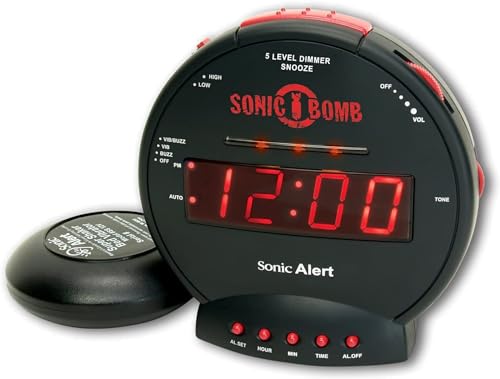
Use this guide to the best alarm clocks for oversleepers to compare volume, vibration, snooze limits, backup power, and placement for a more reliable wake up.
There is no single alarm clock that fixes oversleeping for everyone, because people oversleep for different reasons. Some sleep through sound entirely, some hit snooze on autopilot, and some wake fine until a power cut or a flat battery ruins the plan. The right clock is the one that attacks your specific weak point.
This guide matches the best alarm clocks for oversleepers to the way you actually use them, by sleeper type first and features second. Browse the comparison table below for a shortlist, then read the matching sections to confirm a clock covers the failure that keeps catching you out.


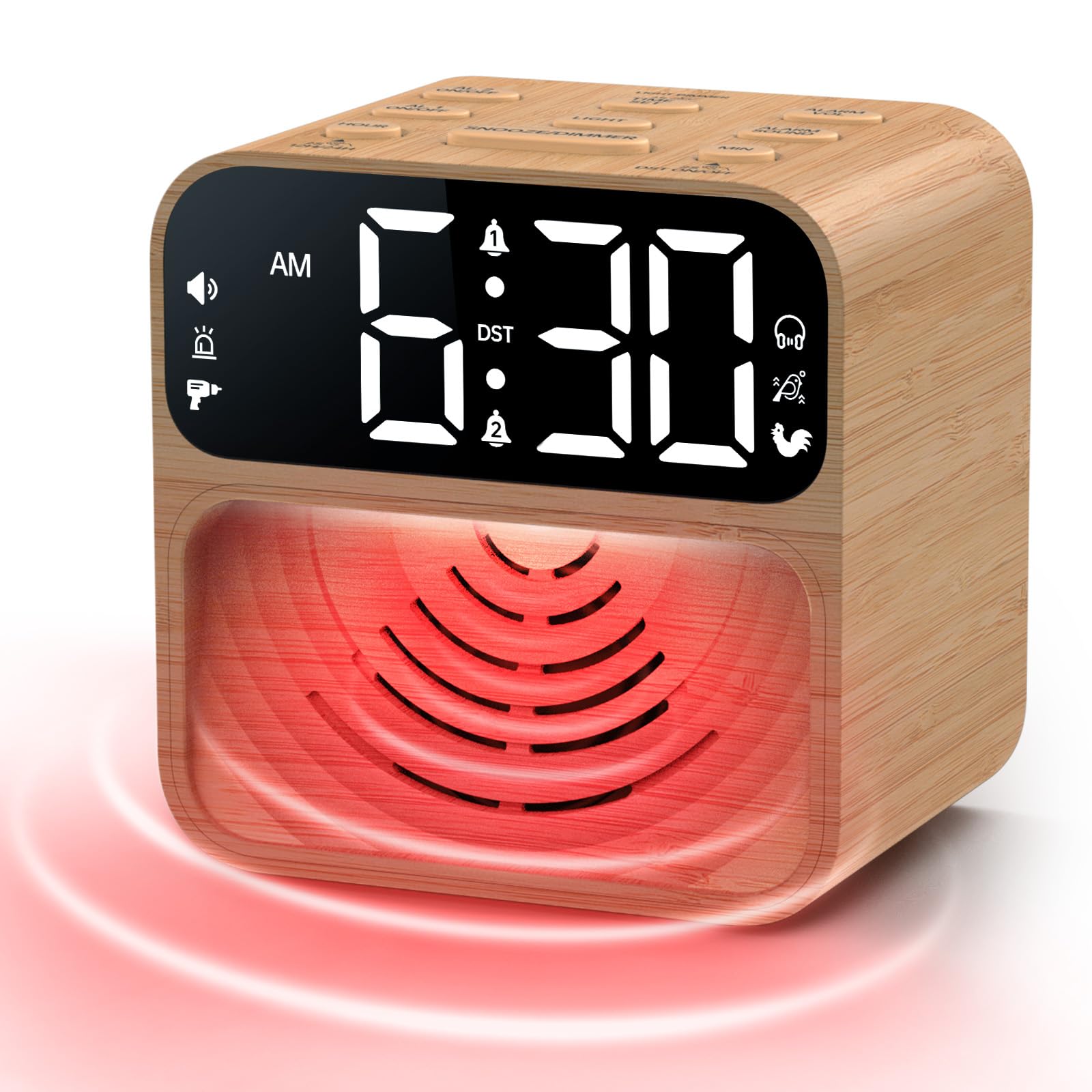
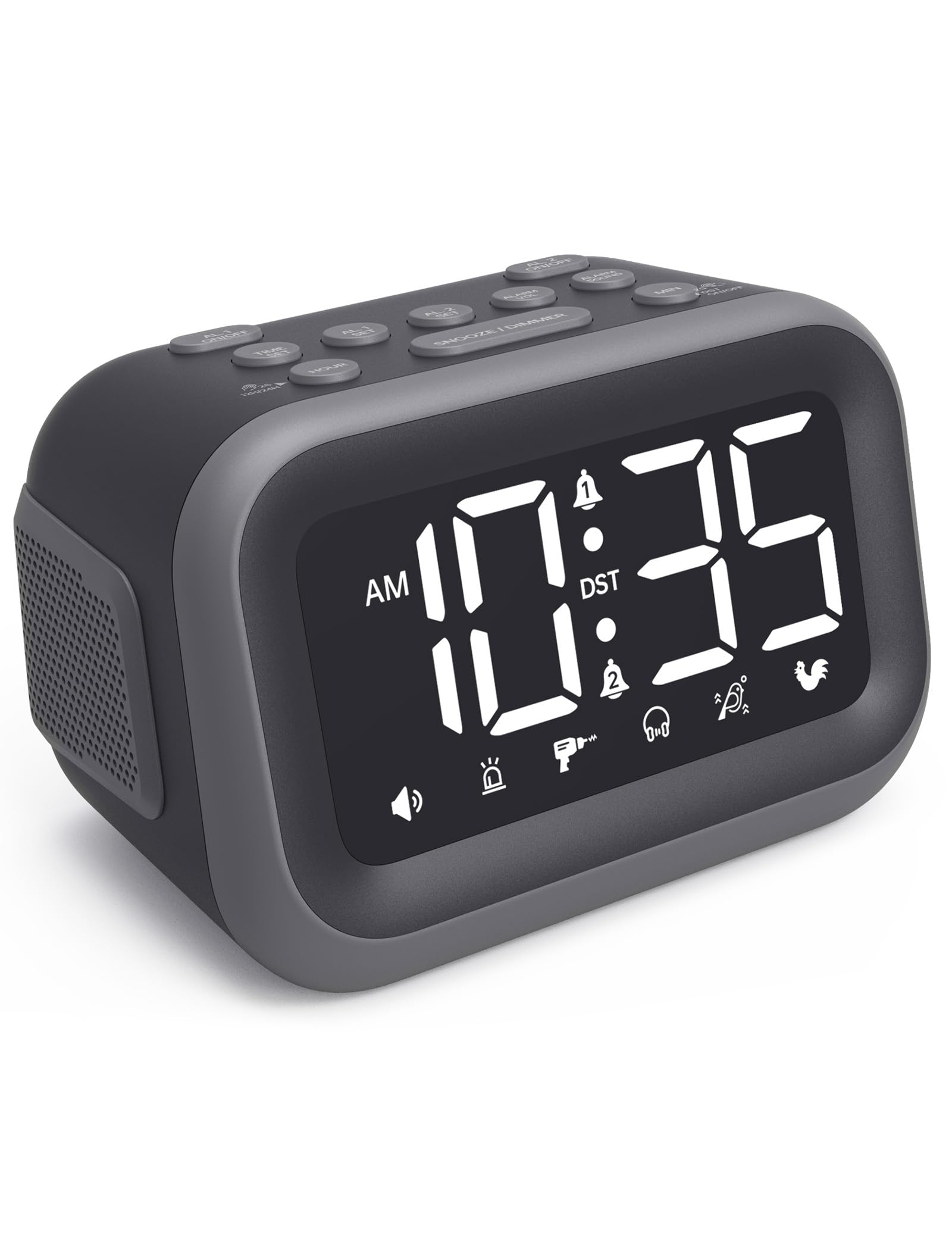


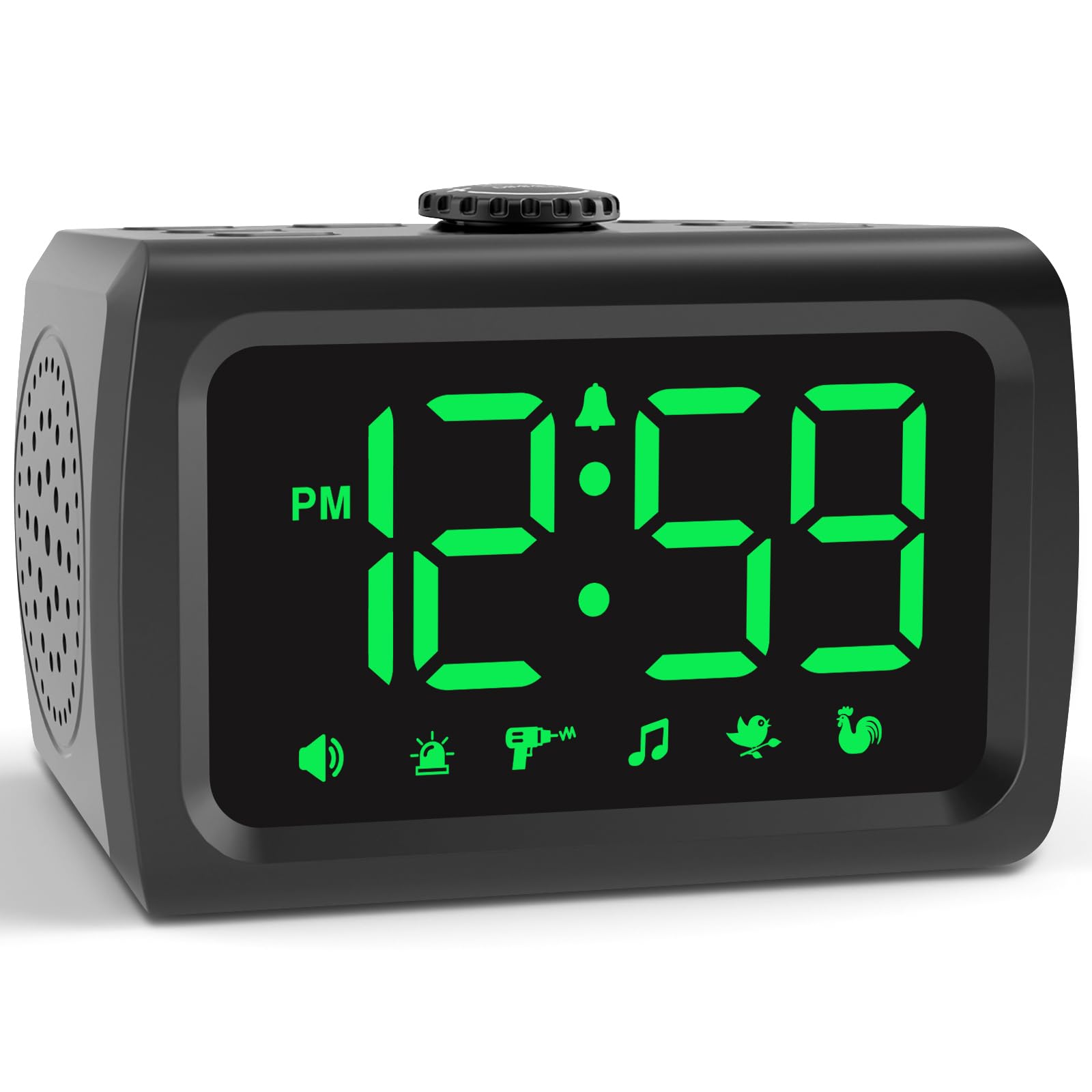
Who Should Buy Which Alarm Clocks?
For Value Seekers
Value seekers need waking power per dollar, not decoration. A plain clock with a loud alarm, a vibrating pad, and battery backup, often around $25 to $40, beats a stylish model with a weak speaker at twice the price. Prioritize a decibel figure stated in the listing, a warranty of at least one year, and controls you cannot set wrong. Durability matters more than extra sounds or radio features, because this clock must work every single morning. If the pad and speaker are strong, you have spent your money in the right place.
For People Who Want the Best Performance
If missing a start costs you pay, a flight, or a final warning at work, buy performance without apology. Premium oversleeper clocks, often about $60 to $100, layer several wake signals at once: loud sound, strong vibration, flashing light, and alarms that demand action, such as a pad you must stand on or a unit placed across the room. They also add tougher builds and longer warranties. The gain is redundancy, so one failed cue does not ruin the morning. For a broader sense of the category, our guide to the best alarm clock range shows where these heavy duty designs sit.
For Gift Shoppers
An alarm clock for an oversleeper makes a good gift when the person jokes about their own habit and wants help. Choose a model with simple setup, a clear display, and a return friendly retailer, because vibration strength and volume needs vary a lot. Include batteries and a short note explaining the pad placement, since that detail decides whether the gift works on night one. Avoid puzzle alarms that lock or throw pieces across the room unless you know the person well, because a gift that annoys stops being used within a week.
For First Time Buyers
First time buyers should start simple and strong. Pick a clock with one loud alarm, a vibrating pad, and a snooze you can limit, and skip app based models until you know what you need. Place it across the room from the start, not on the nightstand, so the habit forms correctly. Give any new clock two full weeks before judging it, because your body needs time to link the signal with standing up. A best simple alarm clocks style design keeps the learning curve low while you build the routine.
Key Features to Compare
Durability and Care
An oversleeper clock takes abuse: it gets slapped at dawn, knocked off tables, and unplugged by tired hands. Look for a sturdy case, recessed buttons that survive fumbling, and a pad cord with reinforced ends. Keep the unit on a stable surface, wipe it with a dry cloth, and check the cord monthly for fraying where it leaves the bed. Replace backup batteries yearly even if they still work. A clock that breaks in month three is worse than useless, because you will trust it right up to the morning it fails.
Purpose and Who It Is For
Define the job before you shop. A student who oversleeps lectures needs loud sound and a snooze limit. A new parent grabbing short sleep windows may need the opposite, a nap alarm that wakes gently but surely. A worker on rotating shifts needs several alarm memories and clear weekday settings. Writing your wake time pattern down, including weekends, quickly shows which features are essential and which are decoration. The clock that fits your pattern will outperform a stronger clock that fights it.
Price and Value
Price tiers in this category map closely to waking power. Under about $25 you get loud sound but often a weak pad or none at all. Between about $30 and $60 you gain real vibration, backup power, and better builds, which is where most oversleepers should shop. Above that, money buys layered signals and durability rather than basic loudness. Judge value by the cost of one missed morning, whether that is a lost shift or a missed exam, and the answer usually justifies the midrange on its own.
Features That Matter for Oversleepers
Oversleepers need an alarm that escalates and a snooze that cannot win. Look for volume around 100 decibels or more, a vibrating pad, and the option to disable snooze or cap it at one press. Alarms that grow louder over a minute wake deep sleepers more reliably than a flat tone. Placement features matter too: a long cord or a wireless pad lets you put the clock out of arm reach. A gradual light cue, like the approach in our best sunrise alarm clock guide, can also start the process before sound begins.
Common Mistakes to Avoid When Buying Alarm Clocks
- Buying on price alone and ending up with a speaker too weak to wake you.
- Ignoring the snooze design, then pressing it six times on autopilot each morning.
- Keeping the clock on the nightstand where you can silence it without opening your eyes.
- Skipping battery backup, so one power cut erases your alarm and your time setting.
- Choosing a size that crowds the nightstand or a display so bright it harms your night sleep.
- Never checking the warranty length before you need it.
Setup and Care Tips
Set the clock up on a free evening, not the night before a big day. Put it across the room, place the pad under your pillow, and run a full test alarm while you lie in bed to confirm both sound and vibration reach you. Follow the care instructions in the manual, store the clock and pad flat when you travel, and check your warranty registration details once. Recheck the alarm time after any power cut, even with backup batteries, and make standing up to silence it a rule you never break on weekdays.
Alarm Clocks: Your Questions Answered
What features matter most in alarm clocks for oversleepers?
Loud sound, vibration, and snooze control matter most. Choose volume around 100 decibels, a pad under your pillow, and a snooze you can limit or disable. A useful extra is an alarm that needs a physical action to stop, such as standing on a mat or scanning a code in another room. That action breaks the half asleep habit of silencing the clock and rolling over without ever truly waking.
How long does an alarm clock for oversleepers last?
Most last three to five years, with the pad cord and backup batteries wearing first. Heavy daily snooze pressing can wear buttons sooner, which is one more reason to limit snooze use. If volume drops, the pad weakens, or the clock loses time, replace it before it costs you a morning. Keeping the receipt and registering the warranty makes a claim simple if a unit fails inside its first year.
How does alarm clock placement affect oversleeping?
Placement changes everything. A clock within arm reach gets silenced by reflex, while one across the room forces you upright, and standing is the point where most people actually wake. Keep a clear, safe path so you are not stumbling over furniture in the dark. If your room is small, even the far side of a dresser helps. Pair distance with light, since switching on a lamp as you cross the room makes returning to bed far less tempting.
Is it worth paying more for an alarm clock for oversleepers?
Paying more is worth it when it buys layered signals, sound plus vibration plus light, and a build that survives daily use. It is not worth it for designer looks or extra entertainment features. Compare the price gap with the cost of one missed shift or exam and the midrange usually pays for itself at once. If a basic loud clock already wakes you reliably, save the money and keep the routine that works.
Is an alarm clock for oversleepers a good gift?
It is a good gift for someone who laughs about their oversleeping and has asked for help, such as a student starting early classes. Keep it practical: strong volume, a pad, simple controls, and a gift receipt. For children and teens sharing family mornings, the options in our best bedside alarm clocks guide may suit better than the loudest models. When in doubt, give a gift card and this checklist instead of guessing at volume tolerance.
The Bottom Line
Match the clock to your failure mode: sound and vibration if you sleep through noise, snooze limits and distance if you silence alarms on autopilot, and backup power if outages have caught you before. Test any new setup on a low stakes morning first. When you compare the best alarm clocks for oversleepers in the product table above, those three checks will point you to the right one far more reliably than the longest feature list.


