
Best Alarm Clocks for Narcolepsy: The Buyer Checklist We Use for 2026
Disclosure: We may earn a commission when you buy through links on this page, at no extra cost to you. As an Amazon Associate I earn from qualifying purchases. Learn more
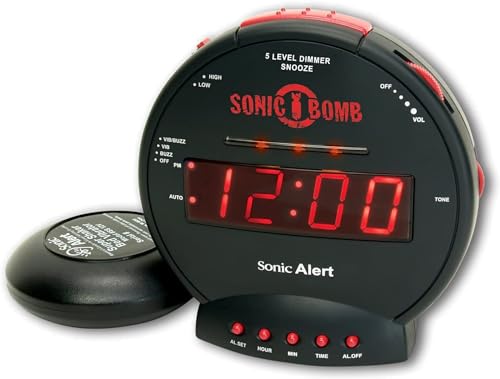
A buying checklist for the best alarm clocks for narcolepsy: loud sound, a vibrating pad, backup alarms and simple controls.
Waking on time with narcolepsy is not simply a matter of willpower, and a standard bedside beep often is not enough. Excessive daytime sleepiness, sudden sleep episodes, and deep morning grogginess can all defeat an alarm that works fine for someone else. That is why choosing the best alarm clocks for narcolepsy starts with a clear checklist rather than a pretty design or a low price.
This guide walks you through the exact criteria that matter, from sound output and vibration strength to backup alarms and snooze limits. Use the comparison table below to shortlist a few options, then check each one against the points that follow before you buy.


How to Evaluate Alarm Clocks
Think of this section as a scorecard you can apply to any model in the product table above. A clock earns its place only when it wakes you reliably, keeps working when power or routine fails, and stays simple enough to set correctly on a tired evening.
Features That Matter for Narcolepsy
Narcolepsy calls for an alarm that works through more than one sense at once. Look for high volume, ideally around 100 decibels or more at full setting, paired with a vibrating pad you place under your pillow or mattress. Sound alone can fade into a dream, while vibration adds a physical cue that is harder to sleep through. Multiple alarm times also help, because a second and third signal spaced ten minutes apart can catch you if the first one only half wakes you.
Purpose and Who It Is For
Match the clock to the job it must do each morning. If you must leave for work at a fixed time, reliability and backup power matter most. If your schedule changes between weekdays and weekends, you need separate weekday and weekend settings so you do not wake early on rest days. Students and shift workers may also want a nap alarm that is quick to set. A clock that tries to do everything but hides these basics in menus will frustrate you on the nights you can least afford a mistake.
Durability and Care
An alarm clock for daily use should survive years of button presses, knocks off the nightstand, and the odd splash of water. A solid case, buttons that feel firm rather than wobbly, and a vibration pad cord with strain relief all signal decent build. Wipe the unit with a dry or slightly damp cloth, keep the pad away from sharp bed frame edges, and replace backup batteries once a year. A clock that fails silently after a year is not a bargain at any price.
Materials and Build Quality
Quality materials show up in small details. The display lens should sit flush, the casing seams should be tight, and the buttons should not rattle when you shake the unit gently. A weighted base keeps the clock steady when you reach for it half asleep. The vibrating pad matters just as much, so look for a sealed unit with a cord long enough to reach from the nightstand to the middle of your bed without stretching. Cheap thin plastic cracks easily and often hides a weak speaker behind a flimsy grille.
Ease of Use
You will set this clock when you are already tired, so easy to use controls are a safety feature, not a luxury. Large buttons with distinct shapes, a clear time display, and a simple way to confirm the alarm is armed all reduce errors. Check how many steps it takes to change the alarm time and whether you can do it without the manual. If you often compare options, our guide to the best alarm clock explains the basic control layouts most brands use.
Key Features That Matter
Beyond volume and vibration, a few features consistently separate a dependable clock from a weak one. Battery backup keeps the alarm working during a power cut, and an automatic time setting feature restores the clock afterward. A limited snooze, or a snooze you can switch off entirely, stops you drifting back to sleep in small steps. A display you can dim or turn off protects your night sleep. Finally, a loudness control with several steps lets you start strong and adjust once you learn what actually wakes you.
Buyer Profiles That Pass the Checklist
Instead of chasing a single winner, match a clock profile to your mornings. The profiles below describe what to look for at each level, so you can judge any model in the comparison table above against them.
The All Round Profile
The all round profile combines a very loud alarm, a strong vibrating pad, and at least two separate alarm times in one unit, usually for about $40 to $70. It suits you if missing a wake up has real costs, such as a job, medication timing, or a school run. Expect battery backup, a dimmable display, and clear controls as standard at this level. The main trade off is size, because a bigger speaker and pad take more nightstand room than a basic clock.
The Value Profile
A value profile, often around $25 to $40, keeps the essentials and trims the extras. You still get strong volume and a vibrating pad, but you may give up a second alarm time or a fully dimmable display. This level suits you if your wake time rarely changes and your power supply is reliable. Read the listing closely, because some low price models quote peak volume that the speaker cannot sustain. A clear warranty of at least one year is a good sign the maker trusts the build.
The Compact Profile
A compact profile suits travel, small rooms, and anyone who naps away from home. Look for a small clock with a travel lock for the buttons, a vibrating pad that folds flat, and power from batteries or a USB cable so it works in a hotel or a spare room. Prices often sit around $20 to $35. The compromise is volume, since a small speaker rarely matches a full size unit, so pair it with vibration every time. If light matters more than space, a best sunrise alarm clock can add a gentle light cue before the sound begins.
Quick Buyer Checklist
Run through these questions before you order. A clock that answers yes to most of them is far more likely to serve you well.
- Does it offer both loud sound and a vibrating pad?
- Can you set at least two alarm times?
- Does battery backup keep the alarm working in a power cut?
- Can you limit or disable the snooze button?
- Is the display dimmable so it will not disturb your night?
- Can you confirm at a glance that the alarm is switched on?
- Is the warranty at least one year?
- Does the pad cord reach comfortably to your pillow?
Red Flags to Watch For
Some listings look impressive until you read them closely. Walk away from a clock with vague volume claims and no decibel figure, because a maker who hides the number usually has a reason. Be wary of a vibrating pad sold separately when the photos imply it is included. Very short warranties, often only a few months, suggest the maker expects early failure. Watch for listings with no clear returns policy, and for reviews that repeat the same phrases, which can signal padded ratings. Finally, avoid clocks that need a phone app for the basic alarm, since a flat phone battery then becomes one more way to oversleep.
Setup and Care Tips
Place the clock across the room if you can, so you must stand up to silence it, and put the vibrating pad under your pillow for the first week while you learn your response. Test the full setup on a free morning before you rely on it for work. Follow the care instructions in the manual, store the pad flat when you travel, and check your warranty registration and backup batteries every few months. If a gentler routine suits some mornings, a best bedside alarm clocks guide can help you compare calmer options for rest days.
FAQs
What features matter most in alarm clocks for narcolepsy?
Volume, vibration, and backup alarms matter most. Choose a clock with sound around 100 decibels, a vibrating pad, and at least two alarm times, plus battery backup. One extra point many buyers miss is alarm confirmation: a clear indicator light or icon that shows the alarm is armed saves you from the common error of setting the time but never switching the alarm on.
How loud should an alarm clock for narcolepsy be?
Most people with heavy morning sleepiness need far more than the 70 to 80 decibels of a standard clock. A model that reaches about 100 decibels or more, paired with vibration, gives you two chances to wake. Keep the volume adjustable, though, because a partner or housemate may not need the full blast, and a gradual volume rise can feel less jarring once you know the pad alone starts to rouse you.
Is an alarm clock for narcolepsy a good gift?
It can be a thoughtful gift when the person has mentioned struggling to wake, but ask first. Alarm needs are personal, and a very loud clock can feel like a judgment rather than support if it arrives unannounced. If you do give one, include the receipt, choose a model with simple controls, and let the person set their own volume and schedule rather than setting it up for them as a surprise.
How long does an alarm clock for narcolepsy last?
A well built clock usually lasts three to five years of daily use. The vibrating pad and backup batteries wear out first, so check the pad cord each month and change batteries yearly. Buttons can also lose their firm feel over time. If the alarm volume drops or the pad vibrates weakly even on a fresh battery, replace the unit rather than trusting a wake up call that is quietly fading.
Is it worth paying more for an alarm clock for narcolepsy?
Paying more is worth it when the extra money buys a second alarm channel, such as light or a stronger pad, and a longer warranty. It is not worth it for decorative finishes or extra radio features you will never use. If you prefer minimal controls, the options covered in our best simple alarm clocks guide show how much a plain, focused design can still deliver. Spend on waking power first, extras second.
Wrapping Up
The short version is simple: insist on loud sound plus vibration, protect yourself with backup alarms and battery power, and choose controls you can manage when tired. An alarm clock supports your routine, but it does not treat narcolepsy, so talk with your clinician about your personal needs, warning signs such as sleep attacks while driving, and whether your treatment plan needs review. When you compare the best alarm clocks for narcolepsy in the product table above, the right choice is the one that passes this checklist for your mornings.


