
Best Alarm Clocks for Hearing Impaired: A Buying Guide for 2026
Disclosure: We may earn a commission when you buy through links on this page, at no extra cost to you. As an Amazon Associate I earn from qualifying purchases. Learn more
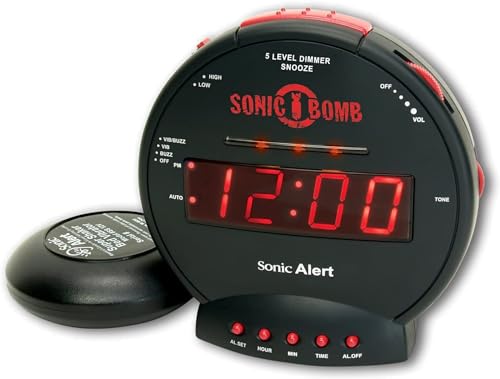
Bed shakers, flashing lights and backup power: how to choose the best alarm clocks for hearing impaired users.
For people with hearing loss, an alarm that relies on sound alone is not reliable. The best solutions use strong vibration, bright flashing light or both, so waking does not depend on hearing a tone. This guide explains how to choose the best alarm clocks for hearing impaired users by looking at bed shakers, flashing lights, adjustable volume, displays and backup power.
Use the product table above to shortlist options, then read the sections below to match a clock to your degree of hearing loss, your sleep and your home.


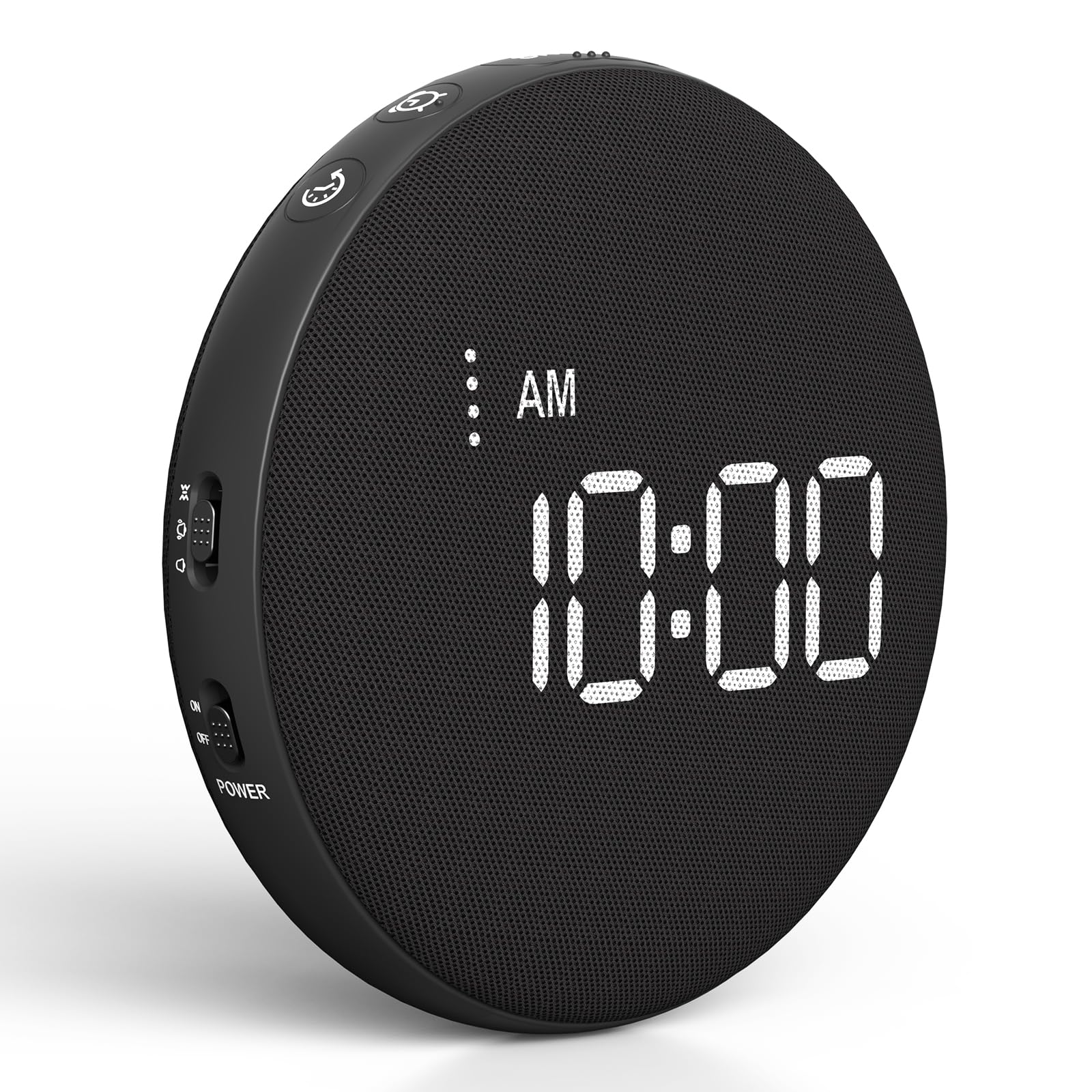


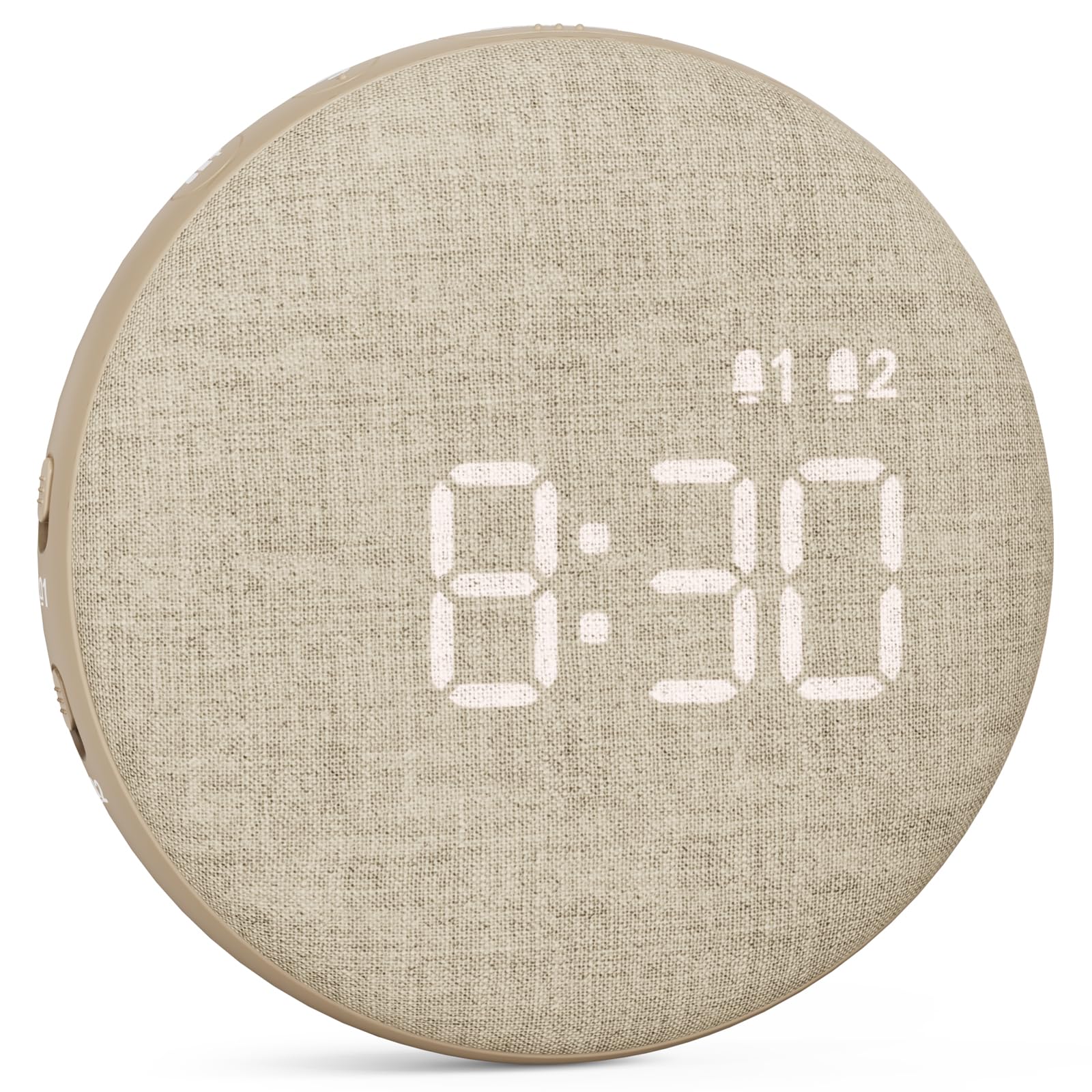

How Alarm Clocks for Hearing Impaired Users Work
These clocks add one or more non sound signals to a standard alarm. A bed shaker is a small vibrating disk that sits under the pillow or mattress. A flashing light unit blinks a bright lamp or the clock display. Many models combine a shaker, a flashing light and a very loud adjustable alarm with a low pitched tone, which some people with partial hearing loss find easier to hear. Because the signals are strong, check that you can adjust them, so a partner or housemate is not disturbed more than necessary.
Key Features to Compare
Bed Shaker Strength and Placement
The shaker is often the most dependable wake method. Look for adjustable strength, a cord long enough to reach the pillow or mattress, and a pad that stays put. Some people prefer the shaker between the mattress and the box spring, while others prefer it under the pillow. Try both positions in the first week.
Flashing Light Brightness and Pattern
A bright flashing light helps wake light sleepers and acts as a second signal for heavier sleepers. Check the brightness, the flash pattern and whether you can aim or shield the light. A light that is too weak is easy to sleep through, and one that is too bright can disturb a partner.
Vibration and Volume Adjustment
Adjustable levels let you tune each signal. A low pitched, loud tone can help people with high frequency hearing loss. Start at a moderate level and raise it until you wake reliably.
Large Clear Display for Low Light
A large display with high contrast digits lets you read the time at night without hearing or glasses. Look for dimmable brightness, so the display does not light the room all night. Warm colors are easier on the eyes.
Backup Power and Simple Controls
Battery backup keeps the alarm alive in a power cut. Simple physical controls beat touch screens and menus, and a clear indicator showing that the alarm is on prevents mistakes. Confirm that the shaker and light also work on backup power.
Styles and Options Compared
Bed Shaker Alarm Clocks
These combine a digital clock with a vibrating pad and a loud alarm. They are the most common choice, suit most sleepers, and cost about $20 to $50. Some use a wired shaker, and others use a wireless one that needs charging.
Flashing Light Alarm Clocks
These use a strong light signal and often a loud alarm as well. They suit people who sleep lightly or who want a visual signal in a shared room. Prices usually run from about $25 to $60.
Combined Vibration and Light Models
These offer the widest coverage, with shaker, light and sound together. They suit people who sleep deeply or need a high level of certainty. Prices run from about $30 to $80. For related ideas, see our guide to the best alarm clock range and the best sunrise alarm clock options for gentle light waking.
Other Alerts Around the Home
Many people with hearing loss also use visual or vibrating alerts for doorbells, smoke alarms and phones. An alarm clock does not replace a smoke alarm designed for deaf and hard of hearing users, which uses a strobe and a bed shaker. If you need these, look for dedicated products and follow the maker guidance. Some clocks can link to a doorbell or phone alert, but check compatibility before you rely on it.
Budget Guide
A basic shaker clock around $20 to $35 covers most needs for a person who sleeps alone. Midrange models around $35 to $60 add a stronger shaker, a flashing light and dual alarms, which suit couples and deeper sleepers. Premium units cost more and mainly add finer control, a more robust build and longer warranties. Because this clock is a safety tool for important mornings, buy from a seller with a clear return policy and a warranty of at least a year, and keep the receipt in case a motor or cord fails.
Common Mistakes to Avoid
- Choosing a clock that relies on sound alone.
- Placing the shaker where it cannot be felt, such as under a thick topper.
- Buying a flashing light that is too weak for daylight or too strong for a shared room.
- Skipping backup power, so a power cut cancels the signals.
- Ignoring the cord length, so the shaker cannot reach the bed.
- Failing to run a full check of every signal on the first evening.
Setup and Care
Set the clock up in the evening. Place the shaker, adjust the strength, aim the light and set the volume to a moderate level. Run a full alarm while you are awake, then raise or lower each signal until it feels right. Keep a spare set of batteries, replace backup batteries once a year and check the shaker cord for damage. If you share a room, agree the settings with your partner. Wipe the display with a dry cloth.
Choosing by Your Situation
If you live alone and sleep deeply, a combined shaker, light and loud tone gives the most certainty. If you share a bed, a shaker with the sound turned low avoids waking your partner. If you travel often, choose a compact clock with a shaker that folds flat and runs on batteries or a USB cable. If you use hearing aids, remember that they are usually off at night, so do not rely on a sound that depends on them. Whatever you choose, set a backup alarm, such as a phone vibration under the pillow, for important mornings.
Frequently Asked Questions
What is the best wake signal for hearing loss?
Strong vibration from a bed shaker is the most reliable for many people. Add flashing light for more certainty, and keep a loud low pitched tone as backup.
Can a shaker wake a very deep sleeper?
For many people, yes. Combine it with flashing light and a loud tone for the strongest wake, and place the shaker where you can feel it.
How much should I spend?
Basic shaker clocks cost about $20 to $40. Models with light and extra features cost about $30 to $80. Spend on a strong shaker and backup power first.
Do these clocks work in a power cut?
Many have battery backup, but check that it covers the alarm and the signals. See also our guide to the best simple alarm clocks for easy controls.
Final Thoughts
Choose a clock with a strong, adjustable shaker, a bright flashing light and backup power, and check every signal on the first evening. Compare your shortlist in the product table above and place the clock where you can reach it. Done well, the best alarm clocks for hearing impaired users wake you on time without depending on sound.


