
Best Alarm Clocks for Chronic Snoozers: Our 2026 Checklist
Disclosure: We may earn a commission when you buy through links on this page, at no extra cost to you. As an Amazon Associate I earn from qualifying purchases. Learn more
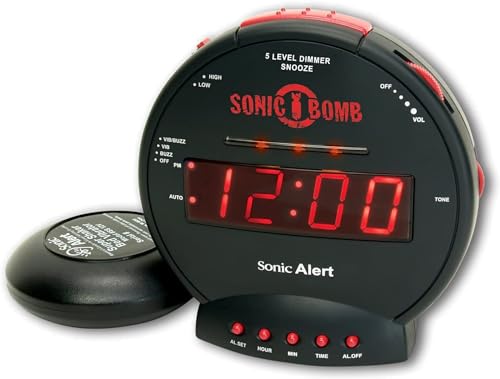
Use this checklist to choose the best alarm clocks for chronic snoozers, with guidance on volume, snooze limits, placement, build, and value.
If you tap snooze three or four times without really waking, the problem is rarely willpower alone. A weak tone, a clock within easy reach, and unlimited snooze cycles all train you to drift back to sleep. This checklist shows how to judge the best alarm clocks for chronic snoozers by the features that actually break that loop, from volume and placement to snooze limits you cannot override while half asleep.
Work through the criteria first, then use the comparison table below to spot designs that pass them. A short buyer checklist and a list of red flags follow, so you can screen any model in minutes.


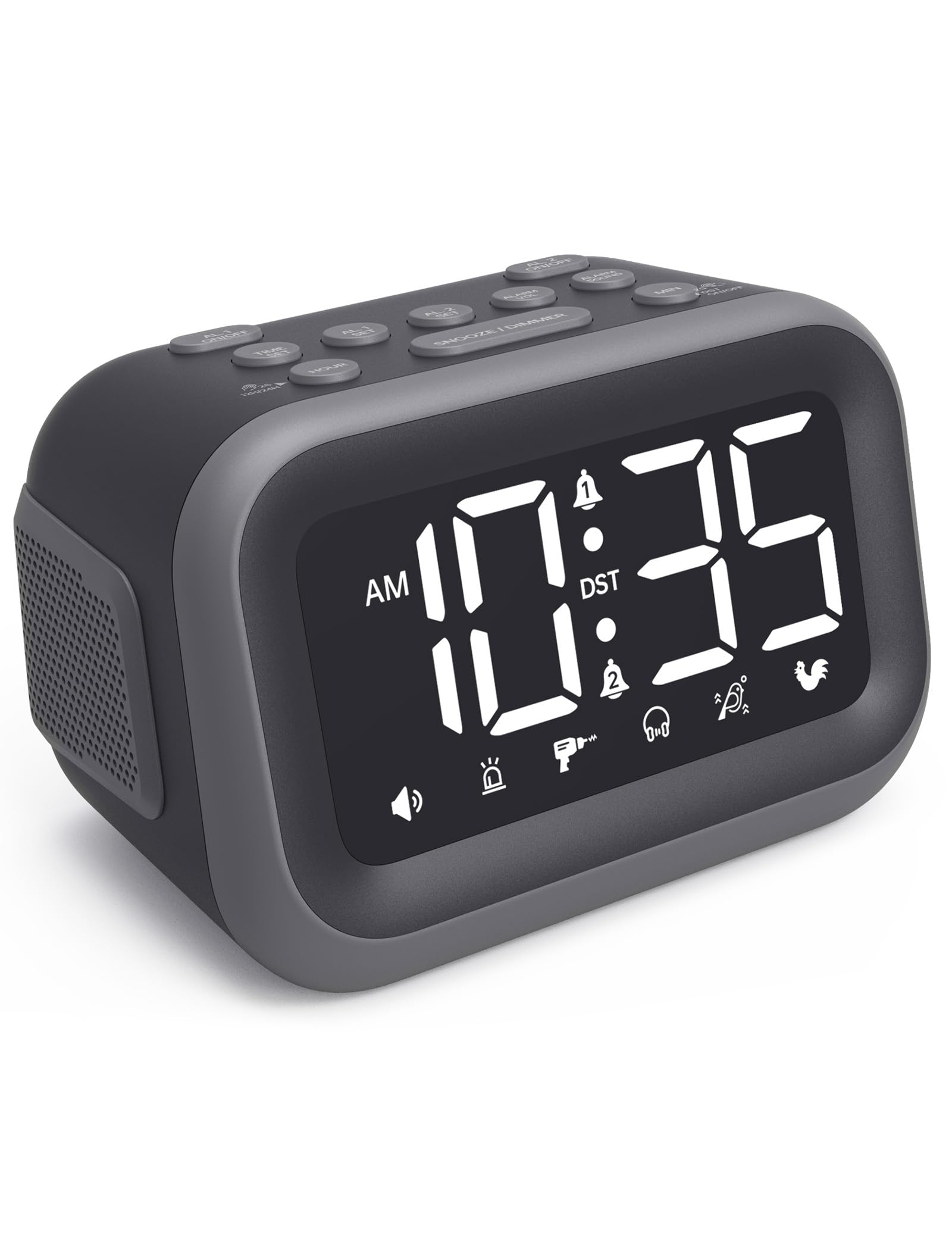

How We Evaluate Alarm Clocks
Chronic snoozing needs stricter tests than ordinary waking. Each criterion below includes a practical threshold, so you can mark a model as pass or fail instead of relying on vague claims about being loud or smart.
Features That Matter for Chronic Snoozers
Chronic snoozers need an alarm that escalates and a snooze system with a firm cap, ideally one to three snoozes before the alarm locks on. Look for volume that rises gradually to a strong peak, a tone you can change when you grow used to one sound, and a backup method such as a vibrating pad under the pillow or mattress. A model that lets you disable snooze entirely on workdays is a strong pass. Simple volume alone rarely solves the problem.
Purpose and Who It Is For
Purpose here is specific: getting a deep or reluctant sleeper upright, not merely making a sound at a set time. This category suits students, shift workers, and anyone whose partner wakes earlier or later. It suits light sleepers poorly, because maximum volume and vibration can disturb a whole household. Name the real barrier first, whether it is sleeping through sound, automatic snoozing by habit, or staying in bed after waking, because each barrier points to a different feature set.
Ease of Use
Ease of use means the opposite of convenience at dawn. Setting the alarm the night before should be simple, but silencing it in the morning should require thought or movement. Good designs place the off control away from the snooze control, use distinct shapes you can tell apart by touch, or require a small task to confirm you are awake. Avoid models where one large button stops everything, because a sleeping hand finds that button fast and remembers nothing later.
Price and Value
Prices run from under $25 for a loud basic clock to around $100 to $200 for models with vibration pads, gradual light, and strong controls over snooze behavior. Value depends on mornings saved, so a mid priced model that ends late arrivals is worth more than a cheap one you sleep through. Spend first on the wake method that matches your barrier. Spend last on app extras, radio, or decorative finishes, which do little for a snoozing habit.
Materials and Build Quality
Build quality matters because these clocks get grabbed, tapped, and occasionally knocked off the nightstand. Look for a weighted base, buttons rated for daily force, and a cord that can survive being pulled when you reach across in the dark. A vibrating pad should have a cord long enough to reach the bed without tension, or a wireless link with a clear low battery warning. When you weigh the best alarm clocks for chronic snoozers, treat sturdy controls as a core feature, not a luxury.
Key Features That Matter
Beyond snooze limits, the key features are dual alarms for different days, battery backup, and a display you can dim fully so light does not fragment your sleep before morning. A weekend and weekday split prevents the classic error of a Saturday alarm at work time. Backup power is essential because a missed alarm after an outage costs more than the clock itself. Set a phone alarm as a temporary safety net for the first week only, then remove it once the new routine holds.
Size and Design
Size should serve placement, and placement is a wake strategy. A clock small enough for a shelf or dresser across the room forces you to stand, which is the single most reliable change for habitual snoozers. A large display helps if you check the time from the bed without glasses. Keep the clock out of arm reach from the pillow, even if that means a longer cord or a battery powered model. Design that looks calm at night and clear at dawn beats novelty shapes.
Profiles That Pass the Checklist
Use these profiles to match a design in the product table above to your barrier and budget. Each profile lists the traits that must be present for it to count as a pass.
The All Round Profile
An overall profile combines a capped snooze, rising volume, and a second wake method such as vibration or light. It suits most chronic snoozers because it attacks both sleeping through sound and automatic snoozing. Expect dual alarms, full display dimming, and backup power as standard. The main trade off is setup time on the first evening, since you should test each wake stage while awake. Once configured, this profile asks the least daily effort and holds up across changing work schedules.
The Value Profile
A value profile keeps a loud tone, a snooze cap, and battery backup, and skips vibration and light extras. It suits buyers whose main problem is a clock within reach, because moving a basic loud clock across the room solves much of the habit at low cost, around $25 to $50. Check that the off button is small or placed on the back, a detail that matters more than extra tones. The limit is depth of sleep, since sound alone may not reach very heavy sleepers.
The Heavy Sleeper Profile
A heavy use profile adds a vibrating pad, a rugged case, and controls built for forceful morning handling. It suits very deep sleepers, people with hearing loss in one ear, and shared housing where a pad wakes one person without filling the home with sound. If you wake others often, start from our guide to the best alarm clocks for snoozers for related designs. Expect a higher price, around $75 to $200, and check pad cord length or wireless range before you buy.
Quick Buyer Checklist
Answer yes or no for any model you consider. More than two no answers means you should keep looking.
- Can you cap or disable snooze so the alarm eventually stays on?
- Does the volume rise to a level you cannot sleep through in a test?
- Can the clock sit across the room, away from your pillow?
- Is there a second wake method, such as vibration or gradual light?
- Does battery backup protect the alarm during an outage?
- Can you dim or turn off the display fully at night?
- Are weekday and weekend alarms separate?
- Is the off control distinct from the snooze control by touch?
Red Flags to Watch For
Weak models reveal themselves through vague claims and missing basics. Walk away when you spot several of these signs together.
- Unlimited snooze with a single large button that also stops the alarm, which trains the exact habit you want to break.
- Volume described only with words like powerful, with no tone choice, no rising pattern, and no second wake method.
- No battery backup, or backup that keeps the display but not the alarm itself, a distinction buried in fine print.
- A very short warranty paired with flimsy buttons, which signals the maker does not expect the clock to survive daily grabbing.
- App only controls with no physical off or snooze buttons, because a phone update or pairing failure can leave you without an alarm.
For a gentler starting point, compare these stricter designs with our general guide to the best alarm clock options, which suit ordinary sleepers better.
Setup and Care Tips
Place the clock across the room on the first night, not after a week of good intentions, and test the full alarm while awake so the peak volume does not startle a partner or a child. Follow the care instructions for the vibrating pad, store a spare clock properly with batteries removed, and register the warranty. Keep a consistent wake time on weekends within about an hour of your weekday time, because a shifting schedule makes any alarm feel harsher on Monday. If gradual light sounds kinder, see our guide to the best sunrise alarm clock designs as a complement.
Alarm Clocks: Your Questions Answered
What features matter most in alarm clocks for chronic snoozers?
A snooze cap and a second wake method matter most for chronic snoozers. Together they remove the endless snooze loop and give your body a signal that sound alone may not deliver. Placement across the room ranks close behind, because standing up ends most relapses into sleep. One point buyers miss is tone rotation. Changing the alarm tone every few weeks prevents your brain from treating a familiar sound as background noise and sleeping through it.
How long does an alarm clock for chronic snoozers last?
A sturdy model typically lasts four to eight years, with the vibrating pad cord and the snooze button wearing first. You can extend life by keeping the cord slack and by pressing controls firmly rather than striking them. If the pad weakens or the volume fades, check backup batteries and cord damage before replacing the whole unit. In shared rooms, our guide to the best children's alarm clocks may help families set calmer alarms for younger sleepers.
Is it worth paying more for an alarm clock for chronic snoozers?
Yes, paying more is worth it when the extra buys vibration, snooze control, or gradual light that matches your barrier. It is not worth it for extra radio stations or app charts you will never open. Judge the cost against what a late start costs you at work or school. One caution beyond price: if you regularly sleep through strong alarms, feel unrefreshed after long sleep, or snore heavily, talk with a clinician, because those signs can point to a sleep disorder that no clock can fix.
What features matter most in a standard alarm clock?
In a standard clock, reliable timekeeping, clear volume control, and battery backup matter most. Chronic snoozers need those basics plus stricter snooze rules, which is where the categories split. If your household includes someone who prefers minimal controls, our guide to the best simple alarm clocks covers that end of the range. For your own purchase, let your snoozing pattern, not a generic feature list, decide which group you shop in.
Is an alarm clock for chronic snoozers a good gift?
It can be a good gift for a student or a new graduate who jokes about oversleeping and wants help changing the habit. It is a poor gift when the person has not asked for one, because the message can feel critical. Choose a model with adjustable intensity so the recipient can start gentler and increase as needed. Include a kind note about setup, and suggest testing the alarm on a free morning before relying on it.
The Bottom Line
Cap the snooze, add a second wake method, and move the clock out of reach. Those three tests separate the best alarm clocks for chronic snoozers from loud but ineffective designs, and the product table above lets you apply them fast. If oversleeping persists despite a strong routine, talk with your clinician about your personal sleep needs rather than buying ever louder clocks.


