
Best Alarm Clocks for ADHD: A Buying Guide for 2026
Disclosure: We may earn a commission when you buy through links on this page, at no extra cost to you. As an Amazon Associate I earn from qualifying purchases. Learn more
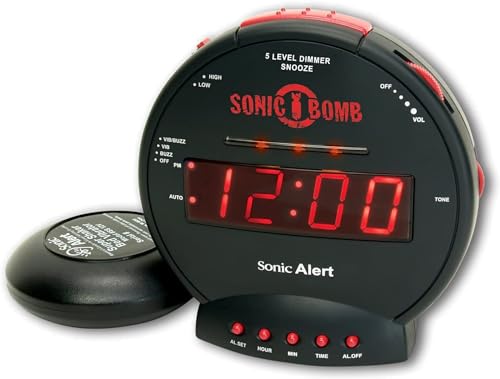
Loud sound, vibration, light cues and simple controls: how to choose the best alarm clocks for ADHD.
Mornings can be hard when focus and time awareness are difficult. A quiet beep is easy to ignore, and a phone alarm can lead straight to scrolling instead of getting up. This guide explains how to choose the best alarm clocks for ADHD by looking at loudness, vibration, light cues, simple controls and routines that help you actually leave the bed.
Use the product table above to shortlist options, then read the sections below to match a clock to your own pattern. This guide gives general buying information and is not medical advice.





What Makes an Alarm Clock Work for adhd Mornings
The goal is not just to make a noise at a set time. A useful clock gets you awake, keeps you from drifting back to sleep, and helps you start a routine. People with attention difficulties often do best with a clock that uses more than one cue at once, such as sound plus light or sound plus vibration, and that is simple enough to set correctly even on a bad night. A clock that needs a long menu to change the time can create the very mistakes it should prevent.
Key Features to Compare
Loudness and Vibration Options
A loud alarm helps, but variety matters too, because the brain can learn to ignore a repeated tone. Look for several tones, a rising volume and a vibrating bed shaker or wristband for a second signal. A shaker under the pillow wakes the body without adding noise for others in the home.
Simple Controls With Few Steps
Large buttons, a physical alarm switch and a clear on or off light make mistakes less likely. A dedicated switch you can check by touch is better than a touch screen. Avoid clocks that require an app for basic settings.
Sunrise Light or Color Cues
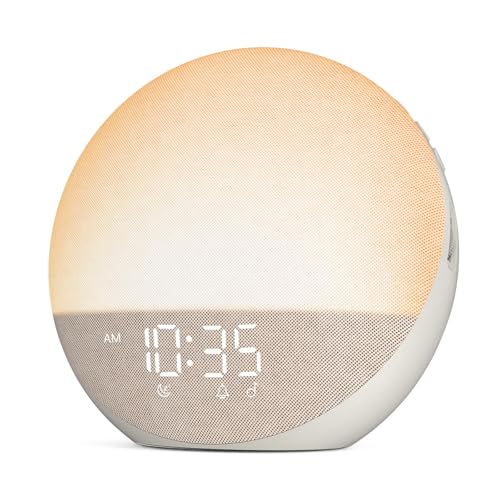
Gradual light can ease the transition to waking, and color cues can show the time in a way that is easy to read at a glance. Some clocks change color as the wake time approaches. Light works best together with sound, since light alone may not wake a heavy sleeper. Our guide to the best sunrise alarm clock explains how these clocks work.
Backup Battery for Power Cuts
A clock that loses its time in a power cut can ruin a morning. Battery backup keeps the alarm and the time. Check that the backup keeps the alarm and not just the display.
Snooze Limits and Placement
Unlimited snooze is a trap for many people. Look for a limit, a short snooze length or a clock that needs you to stand up to turn off the alarm. Place the clock across the room so you must get out of bed.
Types of Clocks Worth Considering
Loud Alarm Clocks With Bed Shakers
These pair a very loud alarm with a vibrating pad. They suit people who sleep through normal alarms and cost about $20 to $45. Look for adjustable volume, so the sound does not startle you or wake others.
Visual and Color Clocks
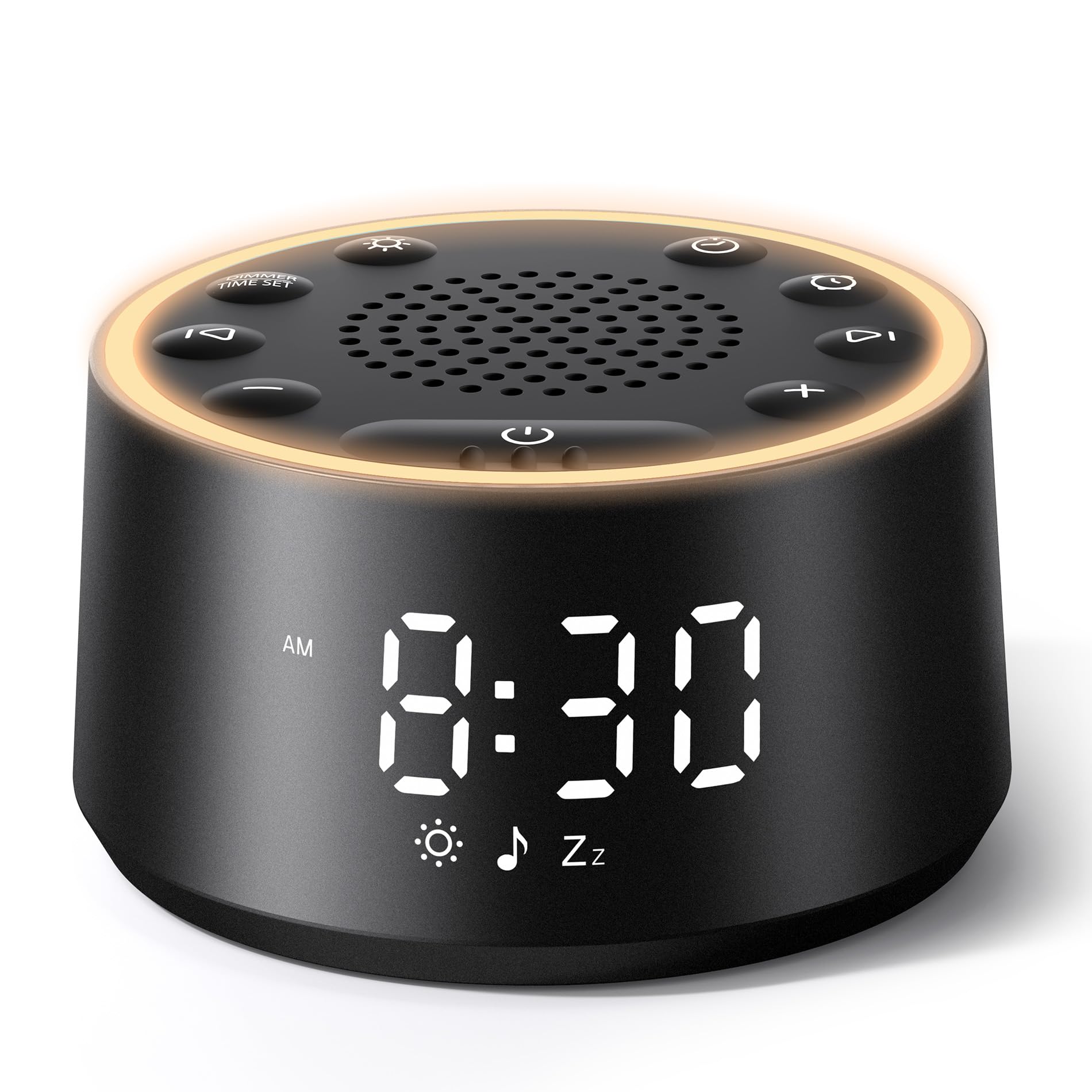
Large digit clocks with a color change or a bright, easy to read display suit people who need help sensing time. Some show a countdown to a wake or routine step. These often cost about $20 to $60, and they work well for kids and adults who struggle with time awareness.
Sunrise Clocks
Light based clocks wake you more gently and often include sound as backup. They suit people who want a calmer start and cost about $30 to $80.
Action Clocks
Some clocks run away, roll or require a task to stop the alarm. They force movement and can be effective, but check noise levels, and make sure the extra task does not cause stress on busy mornings.
Building a Morning Routine Around the Clock
A clock helps most when it is part of a routine. Put the clock across the room, set one main alarm and one backup, and decide the first three steps of the morning in advance, such as standing up, drinking water and opening the curtains. Keep clothes and bag in the same place each night. Use a second clock or a visual timer in the bathroom or kitchen to track the time you have left before you leave. Small, repeatable steps work better than a complicated plan.
If mornings remain hard despite good tools, or you feel very sleepy during the day, talk with your clinician about persistent sleep problems. A clock is a tool, not a treatment.
Choosing by Your Main Morning Problem
Match the clock to the problem you actually have. If you sleep through sound, put vibration and loud volume first. If you wake and then lose track of time, choose a clock with a large, easy to read display and a second timer for the routine. If you snooze on autopilot, choose a snooze limit and place the clock out of reach. If you share a room, pick a shaker or wristband so the sound stays low. Writing down which of these happens most often takes a minute and saves you from paying for features you will not use.
Common Mistakes to Avoid
- Choosing a quiet or gentle alarm for someone who sleeps through them.
- Buying a clock with a complicated menu that is hard to set at night.
- Leaving the clock on the nightstand where snooze is one reach away.
- Forgetting backup power, so a power cut cancels the alarm.
- Using the same tone for months, so the brain learns to ignore it.
- Setting too many early alarms, which can lead to more snoozing and less rest.
Setup and Care
Set up the clock on a calm evening. Choose the alarm sound, test the volume and the shaker, and write the wake time on a card near the clock. Change the tone every few weeks to keep it fresh. Replace backup batteries once a year and clean the display with a dry cloth. Keep a spare set of batteries with the clock. Ask a family member or roommate to check that the alarm is armed during the first week, then drop the check once the habit holds. A short note on the wall beside the bed with the first three morning steps can also help on groggy days, and it costs nothing to try.
Frequently Asked Questions
Do I need a special alarm clock for adhd?
No special device is required, but features such as loud sound, vibration, simple controls and a snooze limit make mornings easier for many people. Choose based on your own pattern.
Is a vibrating alarm clock better than a loud alarm?
Vibration works well for heavy sleepers and for shared rooms. Many people combine vibration with sound for a more reliable wake.
How much should I spend?
Basic loud clocks cost about $15 to $30, and models with shakers, light or color cues cost about $25 to $80. Spend on a second signal and simple controls before extras.
Can a sunrise clock help?
It helps some people wake more gently, but it works best with a sound or vibration backup. See our guide to the best simple alarm clocks if you prefer minimal controls.
Final Thoughts
Look for a second wake signal, controls you can set without effort and a snooze that does not win. Compare your shortlist in the product table above and build a short routine around the clock. Chosen this way, the best alarm clocks for ADHD become one reliable part of a morning system that works for you.


