
Best Alarm Clocks Ever: A Buying Guide for 2026
Disclosure: We may earn a commission when you buy through links on this page, at no extra cost to you. As an Amazon Associate I earn from qualifying purchases. Learn more

Learn how to choose the best alarm clocks ever with a clear guide to sound, controls, build quality, design, and value for daily use at home.
Some clocks stay on nightstands for years because they simply work every morning without fuss. Others fail within months because of a dim display, a weak speaker, or buttons that confuse you when you are half asleep. This guide explains what separates the best alarm clocks ever from forgettable ones, so you can judge any model by lasting traits rather than by launch hype.
You will learn how to weigh purpose, price, controls, size, and build quality in a sensible order. Once those basics are clear, the comparison table below becomes a quick way to spot which designs match your routine.
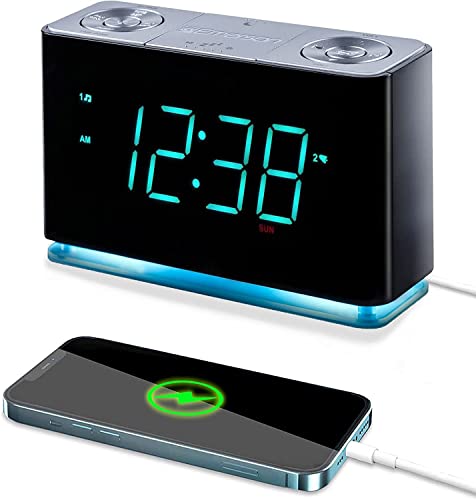
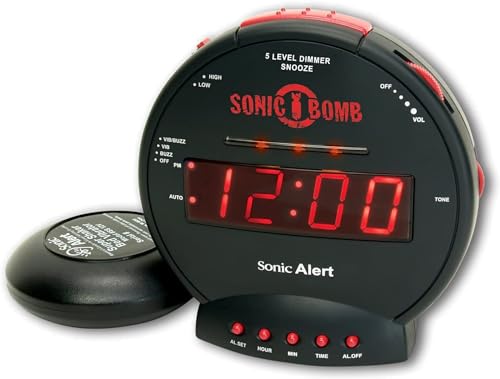
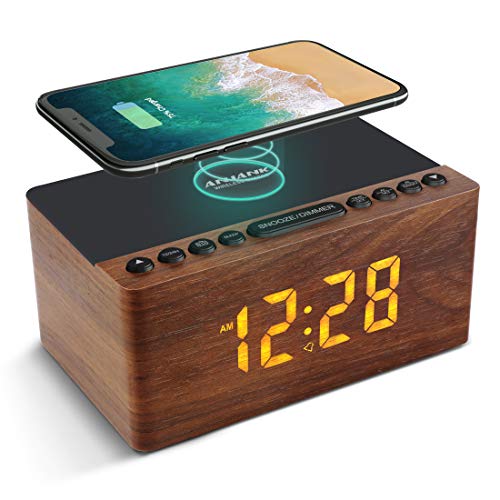
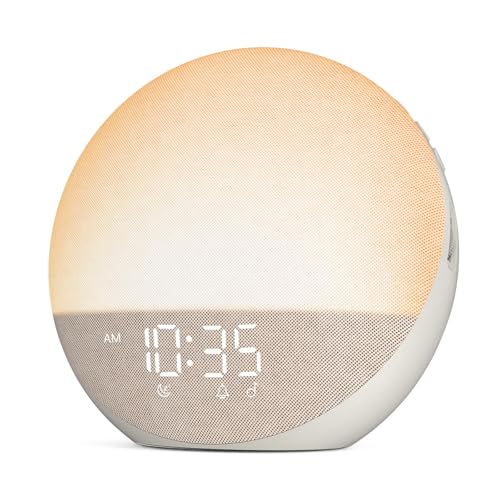
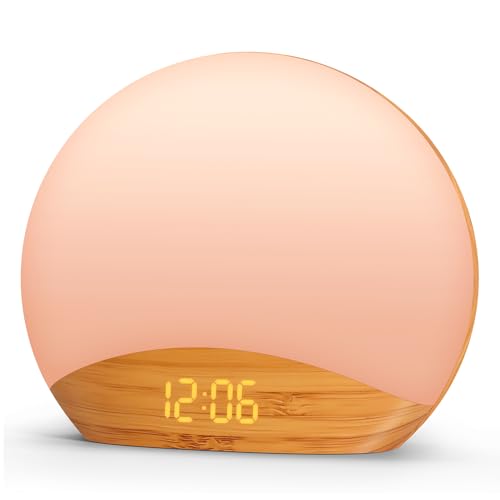


Buying Profiles at a Glance
Instead of chasing a single winner, think in profiles. The right profile depends on whether you value simplicity, low cost, or refined materials and extra calm wake features.
The All Round Profile
An overall profile balances clear sound, a readable display, and controls you can use without looking. Expect a solid case, battery backup, and a snooze control that is easy to find but hard to hit by accident. This profile suits most bedrooms and guest rooms because it asks little of the user. It costs more than a basic clock, yet the extra goes to reliability and clarity rather than to decorative extras you may never touch after the first week.
The Value Profile
A value profile keeps the core job strong and trims the rest. You still get an accurate clock, a firm alarm tone, and a display with adjustable brightness, but you may give up radio, wireless audio, or premium finishes. This profile suits students, spare rooms, and anyone replacing a failed clock quickly. The key check is warranty and backup power, because a low price means little if one outage erases your settings or the speaker fades within a year of daily use.
The Premium Profile
A premium profile adds refined materials, quieter buttons, a larger and clearer speaker, and often a gradual light or gentle tone that rises over several minutes. It suits light sleepers, shared bedrooms, and buyers who keep the same clock for many years. You pay for finish and calm design as much as for function. Before spending at this level, confirm that the extra features match your mornings, because a beautiful clock with a confusing menu still frustrates you at dawn.
How to Choose the Best Alarm Clocks Ever: Buying Guide
This is the core decision section. Work through each factor in order and note your must have and your nice to have for each one, then compare that short list with the product table above when you return to it later.
Purpose and Who It Is For
Purpose decides everything else. A clock for a heavy sleeper needs strong volume and a backup method such as vibration, while a clock for a child needs simple controls and a friendly display. A clock for a guest room needs instant clarity for a visitor who has never seen it before. Write down the sleeper, the room, and the wake time pattern first. That one note prevents most poor matches, because features only help when they serve that specific morning routine.
Price and Value
Price tiers for alarm clocks are compact, from under $25 for basic models to around $100 to $250 for premium designs with light and rich sound. Value means cost spread over years of daily use, so a slightly higher price for a stronger case and a longer warranty often wins. Avoid paying for app features you will set once and forget. When you judge the best alarm clocks ever for your budget, count backup batteries and replacement costs too, because small repeat costs add up.
Key Features That Matter
The features that matter most are alarm volume control, display dimming, battery backup, and a snooze you can limit or disable. Radio, Bluetooth, and USB charging help some buyers and clutter the experience for others. Dual alarms suit couples or weekday and weekend schedules. A gradual volume rise helps light sleepers wake without a jolt. Rank these by your routine rather than by list length, since a long feature list with weak basics still makes a poor daily clock.
Ease of Use
Ease of use shows up at 6 in the morning, not in a showroom. Buttons should be distinct by touch, labels should stay readable in low light, and setting an alarm should take seconds without a manual. After you set a new clock, change the alarm time once while half awake in a dark room during a trial evening. If you fumble or need your phone light to finish, the layout will annoy you for years, no matter how good the speaker sounds.
Size and Design
Size shapes both readability and nightstand fit. A larger display helps from across a room and for users with weaker vision, while a compact case suits small shelves and travel. Design also affects sleep, because a bright or busy face can light a dark room. Look for full dimming or an off setting for the display at night. Our guide to the best bedside alarm clocks goes deeper on nightstand sizing if space is your main constraint.
Materials and Build Quality
Quality materials feel firm, with buttons that press cleanly and a case that does not flex or creak. A weighted base keeps the clock steady when you tap snooze, and a matte finish resists glare from a lamp. Cheap glossy plastic can look fine at first but shows scratches and yellowing sooner. If you buy for a child, also check our guide to the best children's alarm clocks for tougher cases and simpler faces designed for small hands.
Durability and Care
Durability comes from a stable power connection, a backup system that you test, and controls built for daily pressing. Dust the display with a soft cloth, keep drinks a short distance away, and replace backup batteries on a yearly rhythm before they leak. Test the backup twice a year by unplugging the clock for a minute, because a dead backup cell fails silently until the one outage when you actually need it.
Types of Alarm Clocks
Types differ mainly by cost and finish rather than by the core job. Use these short profiles to place a model quickly before you study its details.
Budget Designs
Budget designs focus on time, alarm, and snooze with minimal extras. They suit dorms, spare rooms, and travel spares. The trade off is a smaller speaker and fewer dimming steps, so check display brightness carefully if your room is very dark at night.
Gift Designs
Gift designs favor attractive finishes, simple setup, and calm wake tones that suit many sleepers. They suit housewarmings and graduations because the recipient can use them the same evening. Include batteries if the design needs them, so the gift works straight from the box without a store trip.
Premium Designs
Premium designs add gradual light, richer sound, and refined materials. They suit primary bedrooms and buyers who wake at varied times and want a gentler start. If light based waking appeals to you, compare this group with our guide to the best sunrise alarm clock styles before you decide.
Mid Range Designs
Mid range designs balance cost and comfort, often adding radio, better dimming, and dual alarms. They suit most households as a long term main clock. This is usually the sweet spot where build quality rises noticeably without the steep price of premium finishes and specialty light features.
How to Make Your Alarm Clock Last Longer
A good clock should serve for years with minimal care. These habits prevent the most common early failures.
- Follow care instructions for cleaning and battery type, because the wrong cell or a wet cloth on the display can cause slow damage.
- Store a spare clock in a dry drawer with its batteries removed, so leakage does not ruin the contacts while it sits unused.
- Register the warranty and keep the receipt, because coverage claims go faster when the purchase date is already on file.
- Keep the cord relaxed and untangled behind the nightstand, since a tight bend at the plug is a frequent point of failure.
- Press buttons with a fingertip rather than a nail or a hard object, which keeps labels and switch surfaces intact for longer.
If you prefer the fewest possible controls, our guide to the best simple alarm clocks covers stripped back designs, and our general guide to the best alarm clock explains the wider category.
Frequently Asked Questions
How long does an alarm clock last?
A well built alarm clock often lasts five to ten years with daily use. The parts that age first are backup batteries, button contacts, and the power cord, not the timekeeping itself. You can extend life by replacing backup cells yearly and keeping the cord free of tight bends. If the display fades in patches or the alarm volume drops despite correct settings, replacement is usually more sensible than repair at this price level.
What features matter most in an alarm clock?
Volume control, display dimming, and battery backup matter most for almost every buyer. Those three decide whether the clock wakes you, lets you sleep in a dark room, and survives an outage. After that, rank dual alarms, snooze limits, and radio by your own routine. A useful extra test is button feel in the dark, which spec sheets never capture. Choose strong basics first and treat streaming or app extras as secondary bonuses.
Is an alarm clock a good gift?
Yes, an alarm clock makes a good gift when you match it to the recipient routine. Simple designs suit students and older relatives, while gradual light designs suit light sleepers who dislike harsh tones. Avoid highly personal app driven models unless you know the recipient enjoys setup steps. Adding batteries and a short note with the alarm setting steps makes the gift usable at once, which is a small touch that recipients remember.
Is it worth paying more for an alarm clock?
Paying more is worth it when the extra buys dimming range, build quality, or a gentler wake that you will use daily. It is less worth it when the extra only adds decorative finishes or app features you will ignore. Think in cost per year across a long service life rather than in shelf price alone. A modest step up from the lowest tier usually gives the clearest gain in reliability and daily comfort.
Our Verdict
Judge any clock by purpose, ease of use, and build quality before you look at extras or price. The comparison table above helps you apply those tests quickly across current options. Chosen with that order in mind, the best alarm clocks ever for your home will be the ones that wake you calmly, survive outages, and stay simple enough that you never think about them again.


