
Best Alarm Clock with Speakers: Which One Fits the Way You Use It for 2026
Disclosure: We may earn a commission when you buy through links on this page, at no extra cost to you. As an Amazon Associate I earn from qualifying purchases. Learn more

Discover the best alarm clock with speakers for your needs. We match features to real use cases so you avoid overpaying and get the right fit the first time.
There is no single clock that suits every bedroom, dorm room, and kitchen counter. A student who streams music at low volume needs something different from a traveler who packs light or a parent who wants calm radio in the morning. Start with how you will actually listen, then choose a best alarm clock with speakers design that matches that routine.
This guide sorts buyers by use case first, then explains sound, durability, and placement in plain terms. You will find the comparison table below helpful once you know which features matter most for your room and your budget.

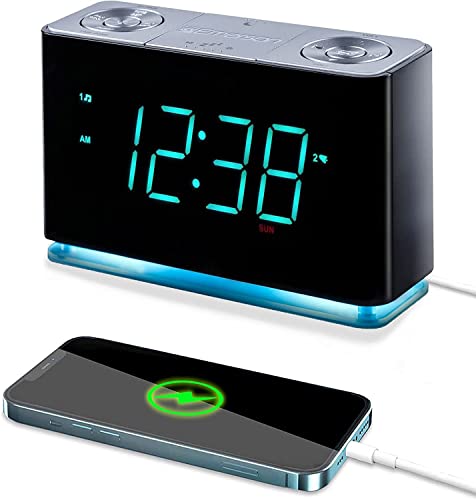
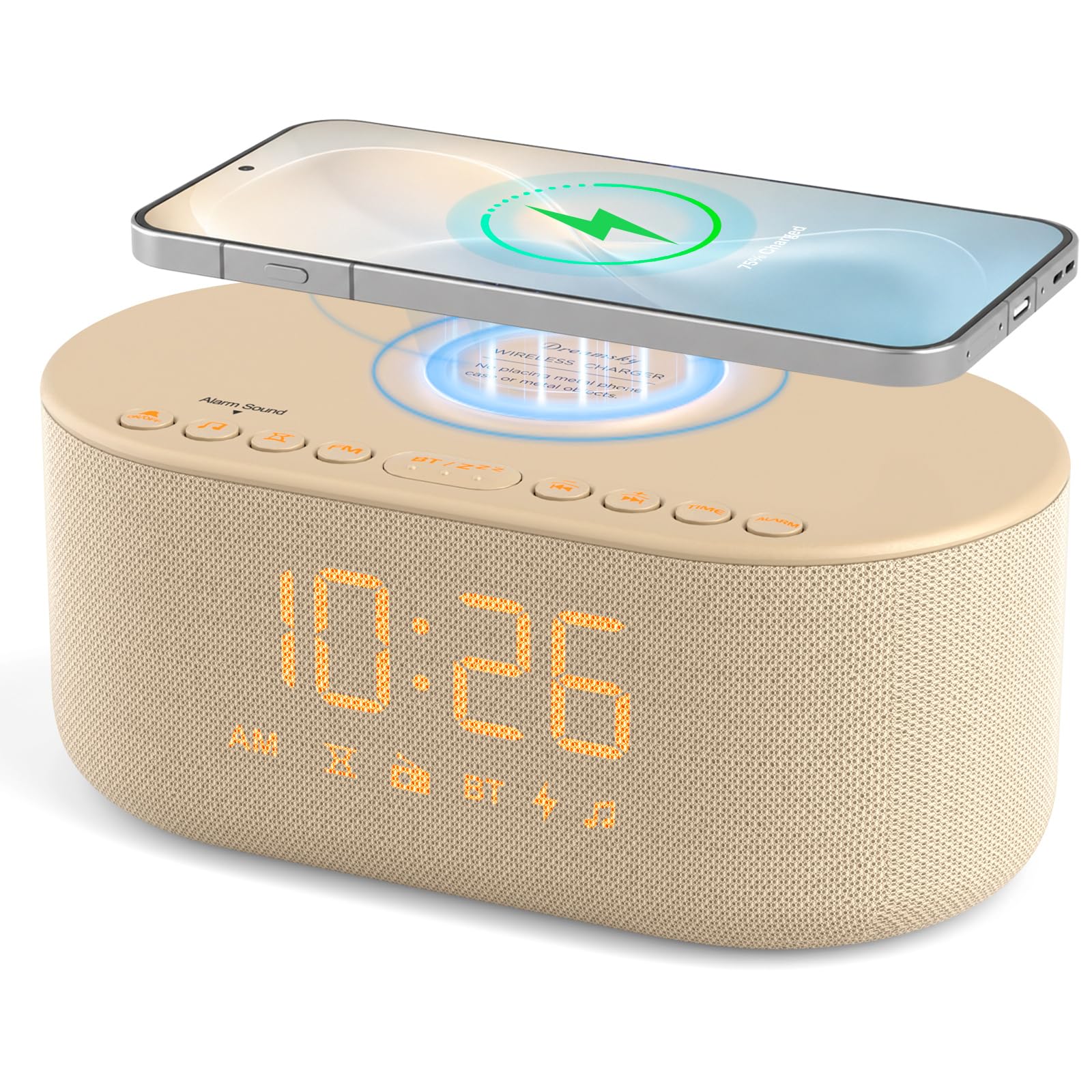


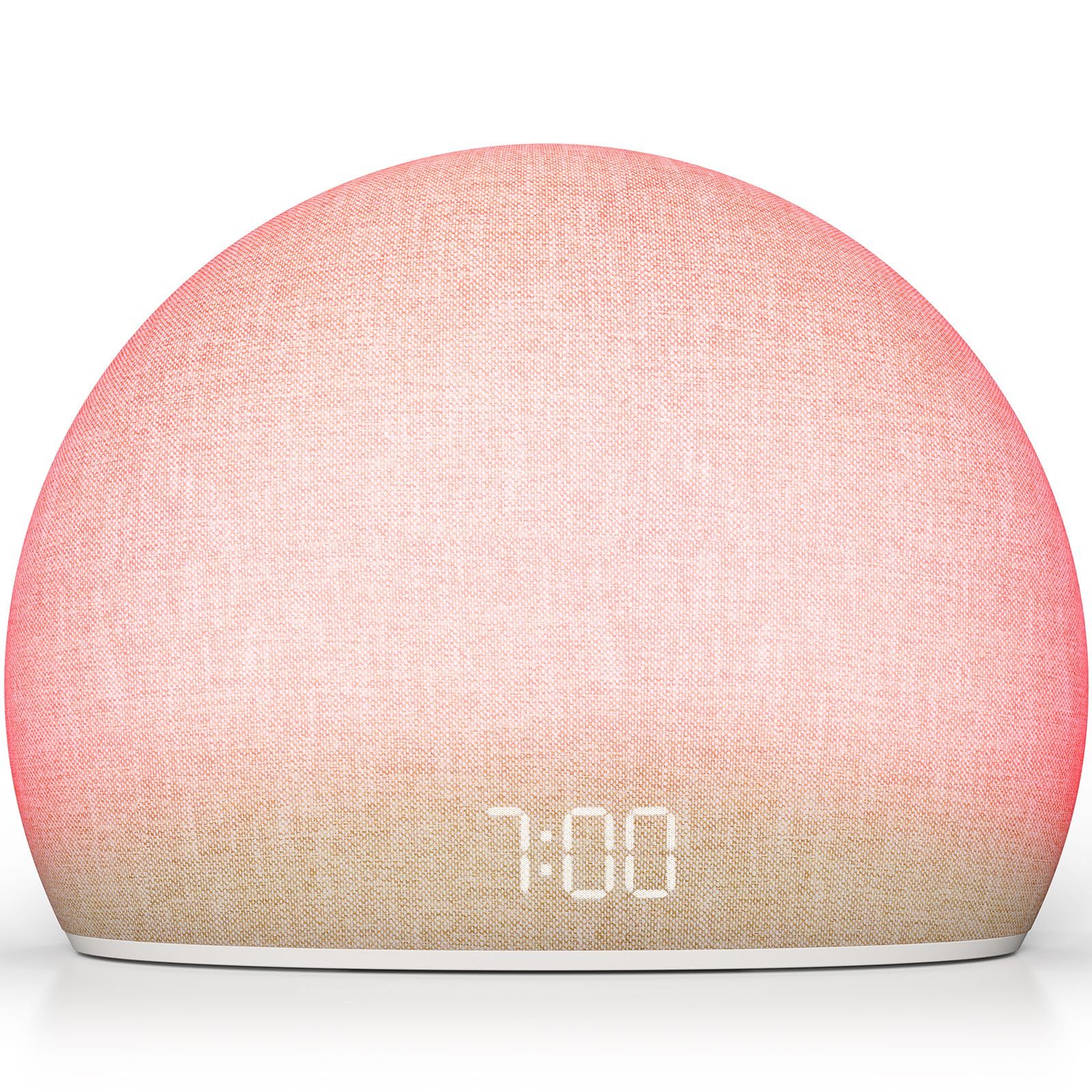
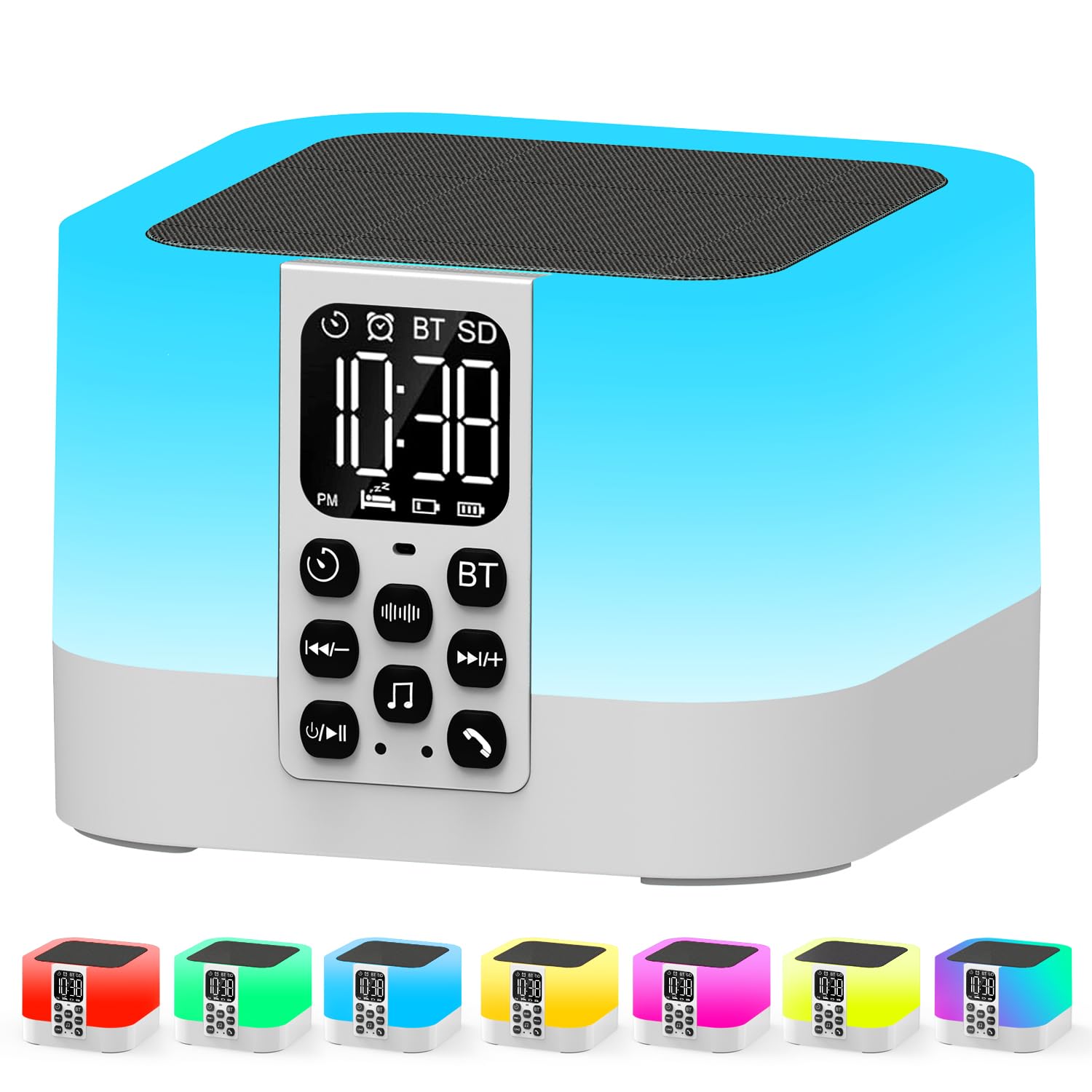
Who Should Buy Which Alarm Clocks
Matching the clock to the person prevents the most common regret, which is paying for power or features you never use. Read the group that sounds most like you, note the two or three priorities listed there, and carry those priorities into the feature section that follows.
For Students and Everyday Users
Students and everyday users usually need steady alarms, simple controls, and clear sound for music or podcasts at desk or bedside volume. A compact wired model or a basic Bluetooth model covers this well and keeps cost down. Look for a display you can dim at night, a snooze button you can find by touch, and battery backup so a power cut does not erase your wake time. Long battery life matters less here if the clock stays plugged in, but a backup cell that holds settings is worth having.
For Travelers and Commuters
Travelers need light weight, a small footprint, and a case or a sturdy shell that tolerates being tossed into a bag. Battery power matters more on the road, so check how many mornings you get from one charge and whether charging uses a common USB cable you already carry. Sound will be smaller from a tiny driver, and that is an acceptable trade for portability. If you often share a room, a vibrating option or a headphone jack helps you wake without waking everyone else in the space.
For Gamers and Power Users
Gamers and power users tend to care about clear voice sound for calls, low delay on wireless audio, and controls they can adjust without opening an app. A clock with a larger driver and a stable Bluetooth 5.3 connection handles game audio and chat with less lag than older wireless versions. Placement matters too, because a speaker aimed at a wall sounds muddy. If you compare options in this group, start from our guide to the best alarm clock basics, then add speaker quality and microphone clarity to your short list criteria.
Key Features to Compare
Speaker clocks combine two jobs, waking you and playing audio, so a weakness in either job shows up every day. Compare the five areas below in order, because durability and fit for your room shape your choices more than any single sound claim on a box.
Durability and Water Resistance (IP Rating)
An IP rating tells you how well the case resists dust and water, using two digits after the letters IP. IPX4 means splash resistance, which suits a bathroom shelf where steam and light splashes happen. IP67 means the unit can handle brief immersion and heavy dust, which suits outdoor or workshop use but is more than a quiet bedroom needs. In real life, wipe a splash resistant clock with a damp cloth only, and never charge it while the port is wet, because moisture in the charging port is a common cause of early failure.
Why Choose a Alarm Clock With Speakers
A built in speaker lets one device handle alarms, radio, podcasts, and calls, which saves outlet space and reduces clutter on a small nightstand. The limits are real too. A small clock will not fill a large living room, and its bass will be modest compared with a separate bookshelf speaker. Choose this format when convenience and an all in one footprint matter most. Choose separate gear when loud, full sound is your main goal and you have space for it on a shelf or desk.
Sound Quality and Tuning
Driver size and tuning shape sound more than watt claims do. A larger driver usually moves more air and gives fuller low notes, while a small driver can still sound clear for voice and radio. Frequency response describes the range of tones a speaker can produce, and a wider range only helps if the tuning stays balanced. For spoken word, favor a neutral tuning that keeps voices clear. For music in bed, a gentle bass lift can sound pleasant at low volume without disturbing a partner.
Placement and Room Size (for Speakers)
Room size decides how much speaker you need. A compact clock suits a bedroom or dorm, while a larger home or bookshelf style model suits a kitchen or living area where you listen from across the room. Keep the speaker at least a few inches from a wall so sound does not boom, and aim the front of the unit toward where you listen most. If gentle light helps you wake, compare this format with our guide to the best sunrise alarm clock options, which trade strong sound for a gradual glow.
Microphone Quality
A microphone matters if you take calls, join voice chat, or use a voice assistant from bed or from your desk. Clear pickup depends on mic placement and on noise handling, not just on the speaker itself. Test this in a normal room tone once you own a unit, speaking at your usual distance rather than leaning in close. If calls sound thin or distant to the other person, move the clock closer and away from a fan or an open window, because background noise competes with your voice.
Common Mistakes to Avoid When Buying Alarm Clocks
Most returns trace back to a short list of avoidable errors. Check your short list against these points before you buy.
- Judging by price alone, because the cheapest unit may lack battery backup, a dimmable display, or a warranty that covers the speaker.
- Ignoring the IP rating when the clock will live in a bathroom or kitchen, where steam and splashes shorten the life of an unprotected case.
- Buying too large for a small nightstand or too small for a large room, which leads to clutter or to sound that feels thin.
- Skipping codec and connection checks, so a wireless model pairs poorly with your phone and drops audio during alarms or calls.
- Forgetting to check warranty length and return terms, which matter more for a device you use every single morning.
Setup and Care Tips
Set the time, alarm tone, and display brightness on the first evening, then test the alarm at a low stakes time before you rely on it for work or school. Keep firmware updated if your model offers updates through an app, because updates often fix pairing and alarm bugs. Store a portable unit in a case to protect the drivers during travel, and keep the speaker grille free of dust with a soft dry brush. Place the clock where you must sit up or stand to silence it if you tend to snooze, because distance does more than volume to get you out of bed. Families comparing gentler options for kids can also see our guide to the best children's alarm clocks for age appropriate controls.
FAQs
Do I need a special codec?
No, most buyers do not need a special codec for alarm and casual listening duties. A codec is the method your phone and speaker use to send wireless audio, and basic support already sounds fine for radio, podcasts, and wake tones. A newer codec can reduce delay for video and games, which is a niche benefit. If you mostly listen to spoken word, spend your budget on driver size and controls instead of chasing codec labels.
Wired or wireless: which sounds better?
Wired models often sound slightly cleaner because the signal never travels through wireless compression. The difference is small at bedside volume, and wireless freedom usually matters more in daily use. Choose wired if the clock stays in one place and you value the most stable connection. Choose wireless if you move the clock between rooms or travel with it. Either way, a well tuned small speaker beats a poorly tuned larger one, regardless of the connection type you pick.
Is ANC worth the extra cost?
ANC is rarely worth extra cost on a bedside clock, because active noise cancelling is mainly a headphone feature. On a speaker clock, related noise reduction usually applies to the microphone for calls, not to the room around you. It can help call clarity in a noisy home, but it does little for alarm or music quality. Skip it unless you take frequent calls through the clock and your home is loud during the day.
What IP rating do I need for outdoor use?
For outdoor use, look for IP67 if the clock will face rain, dust, or poolside splashes on a regular basis. IPX4 handles light splashes and brief drizzle, which suits a covered porch but not an open patio in a storm. Remember that a rating covers the case, not the charging cable or an open port cover. Dry the unit fully before charging outdoors, because charging a damp port can damage the battery and void coverage.
How long does the battery last?
Battery life varies widely, from a backup cell that only preserves settings to portable models that play for many hours per charge. For a bedside clock, backup that survives an overnight outage is the key figure, not total play time. For travel, count mornings per charge at your normal alarm volume. Loud playback drains a battery far faster than a quiet alarm does, so judge claims by your loudest typical use, not by the quietest test a brand might quote.
Final Thoughts
Start with your use case, then weigh sound tuning, durability, and placement before you look at price. The product table above pulls those priorities together so you can compare at a glance. If you prefer the simplest possible routine, our guide to the best simple alarm clocks covers no fuss options, while our guide to the best bedside alarm clocks focuses on nightstand fit. Chosen well, the best alarm clock with speakers becomes the one device you stop thinking about, because it wakes you and plays your mornings without any daily friction.


