
The Best Airsoft Tank: Buying Guide and Top Picks for 2026
Disclosure: We may earn a commission when you buy through links on this page, at no extra cost to you. As an Amazon Associate I earn from qualifying purchases. Learn more

Choosing the best airsoft tank is easier with this guide to tank size, pressure, materials, regulators, and safe handling for every level of play.
An HPA setup lives or dies by its air supply, and a tank that is too small, too heavy, or paired with the wrong regulator will frustrate you all day. This guide walks through size, pressure, materials, and fit so you can choose the best airsoft tank for your build and your field. Start with the comparison table below, then use the sections here to check the details that listings often bury.
Whether you run a compact indoor build or a long outdoor rifle, the right tank balances shot count, weight on your back, and safe, consistent pressure from the first fill to the last game.


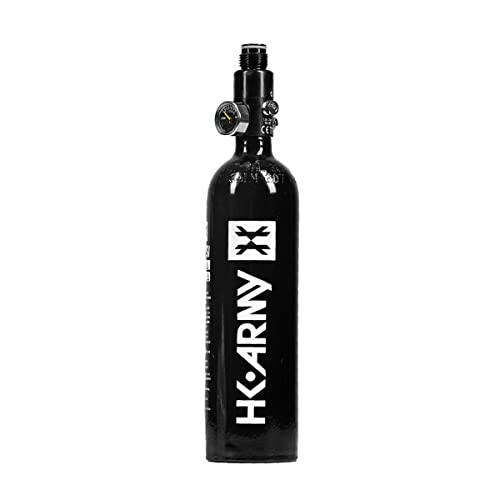

Tank Profiles at a Glance
This section profiles the three tank types most buyers end up choosing between. Match each profile to your play style and the way you carry your air.
All Around Profile
The all around profile is a mid size carbon fiber tank, commonly around 48 to 68 cubic inches at 4500 psi, paired with a reliable adjustable regulator. It gives most rifle players a full day of shots without refilling, stays light in a backpack or pouch, and works indoors and out. Expect to pay around $150 to $220 for the tank itself. Its only real limit is price, since composite construction costs more than metal, but the weight saving over a long day is the upgrade players feel most.
Value Profile
The value profile is an aluminum tank, often around 48 cubic inches at 3000 psi, and it suits new HPA users perfectly. Aluminum costs far less, commonly around $50 to $90, shrugs off knocks in a kit bag, and every field can fill it. You trade away shot count and carry more weight for the same air volume, and you may refill at lunch during heavy trigger days. For a first tank that teaches you the system without a painful price, this is the sensible starting point.
Upgrade Profile
The upgrade profile is a larger carbon fiber tank, around 77 to 90 cubic inches at 4500 psi, made for support players and long milsim events where fills are far apart. The extra capacity can double your time between refills compared with a small tank, and composite wrapping keeps the weight gain modest. Expect around $200 to $300. The catch is bulk, because a big tank needs a bigger pouch and can shift your balance, so try the size in your pack before committing your money.
How to Choose the Best Airsoft Tanks: Buying Guide
Among all the tank options on the market, the differences that matter are capacity, pressure rating, material, and the regulator that feeds your line. Work through each point below before you spend.
Skill Level and Intended Use
Beginners should favor simple, forgiving gear, meaning an aluminum tank and a basic regulator with a clear gauge. Intermediate players who know their shot volume can size a carbon fiber tank to their actual day. Advanced players tune output pressure for consistency and may own two tanks, a small one for short indoor games and a large one for events. Be honest about your level, because an oversized pro setup adds cost and bulk that a casual player gains nothing from.
Portability and Storage
Your tank rides in a pouch, a backpack panel, or a dedicated carrier, so measure that space before you order. Long tanks snag on doorways and brush, while short wide tanks sit stable and low. A padded carrier protects the regulator neck, which is the part you must never knock hard. At home, store the tank partly pressurized, out of direct sun and away from heat sources, and keep the regulator threads capped so grit cannot damage the seal surfaces.
Indoor vs Outdoor Use
Indoor fields run short games and close fills, so a small tank you refill between rounds is fine and keeps your kit light for fast movement. Outdoor and milsim play stretches fills over hours, which pushes you toward larger capacity and a finish that tolerates rain, dust, and being set down on rough ground. Temperature matters too, since cold air slightly lowers pressure readings outdoors. Size your tank for your longest typical day, not your shortest.
Size, Weight, and Fit
Use this simple size guide. Players under about 5 foot 6 with a light build usually prefer 36 to 48 cubic inch tanks. Average builds do well with 48 to 68 cubic inches. Taller players and support gunners who carry more weight comfortably can run 77 cubic inches and up. Weight follows material, because a carbon fiber tank can weigh about half as much as an aluminum tank of similar size. Fit the full setup, tank plus regulator plus line, and walk, kneel, and shoulder your replica before game day.
Value and Included Accessories
Compare the full kit price, not the bare tank price. Some bundles include a regulator, a remote line, a fill adapter, and a protective cover, while others sell every piece separately. Check the hydro test date printed on the tank, since a tank close to its retest date carries a hidden cost within a year or two. A thread protector and a spare set of O rings cost little but save a game day. Our guide to the best gear for airsoft helps you budget the rest of the kit around the tank.
Performance Characteristics
Performance here means consistent pressure, and that comes mostly from the regulator. A good regulator holds output steady as the tank empties, which keeps your velocity stable from game to game. Grip and handling matter in a different way, because a tank that sits still in its pouch keeps the line from tugging at your replica. Look for a grippy cover or sleeve, a gauge you can read at a glance, and a valve that opens smoothly without tools. Forgiveness counts too, since a setup that tolerates a slightly loose fitting with a fresh O ring beats one that leaks at the smallest knock.
Types of Airsoft Tanks
Intermediate/All Around Options
All around tanks are mid size carbon fiber models that balance capacity, weight, and price. They suit the widest range of players and hold resale value well. If you buy one tank for everything, buy this type, and pair it with an adjustable regulator so you can tune output for indoor limits in the morning and outdoor play later the same weekend.
Beginner Options
Beginner options are aluminum 3000 psi tanks. They are heavier and hold less air per fill, but they are cheap, tough, and simple, and every field compressor or scuba shop can fill them. Their durability and low price make them ideal loaner tanks too, so a beginner tank often stays useful in your kit long after you upgrade your main tank to composite.
Advanced/Performance Options
Performance options are large or ultralight carbon fiber tanks with fast, consistent regulators. They serve high shot volume roles and long events where a refill run costs playing time. They demand more care, stricter attention to test dates, and a bigger budget. Players at this level often log their fills and shot counts, which makes sizing the next tank a data decision rather than a guess.
Picking the Right Airsoft Tanks for Different Uses
Best Hpa Airsoft Tank
Choosing the best hpa airsoft tank setup comes down to three criteria that differ from casual play. First, regulator refresh rate, because rapid fire needs a regulator that recovers pressure quickly. Second, burst disk and safety ratings must match the tank pressure exactly. Third, line and fitting quality matter, since even a great tank loses its advantage through a cheap leaking line. Prioritize those three and capacity second, and remember that eye protection comes first in any kit, which our guide to the best airsoft mask covers in detail.
How to Make Your Airsoft Tank Last Longer
- Store out of direct sun and extreme heat. Heat raises internal pressure and ages composite wrapping, so keep the tank in a cool, shaded place.
- Check wear before each use. Inspect the wrapping or shell for cuts, dents, and fraying, check the gauge, and never use a damaged tank.
- Clean and dry after outdoor use. Wipe mud and moisture off the tank and regulator so grit stays out of the threads and seals.
- Follow manufacturer pressure guidance. Never fill past the rated pressure, and keep the hydro test and visual inspection current on the schedule printed for your tank.
- Protect the regulator neck. Carry the tank in a padded pouch and never lift or swing it by the regulator alone.
- Keep a little air inside. Storing a tank with modest pressure inside helps keep moisture and dust out of the valve.
Safety deserves one clear line. A pressurized tank stores serious energy, so if a tank is dropped hard, shows damage, or leaks at the valve, take it out of play and have a qualified technician inspect it before any further use. Power for the rest of your setup matters too, and our guide to the best airsoft battery covers the packs that run electronic triggers and accessories.
FAQs
Indoor vs outdoor: does it matter?
Yes, it matters mainly for capacity. Indoor games are short with fills nearby, so the right tanks for indoor play are small and light. Outdoor events stretch for hours, so you want more volume or a second tank. Pressure rating and material can stay the same either way. Many players solve both cases with one mid size tank and simply refill more often when they play indoors.
Is it worth buying premium as a beginner?
Usually not at the start. A premium carbon fiber tank is lighter and holds more air, but a beginner gains more from field time, a good regulator, and learning shot discipline. Start with aluminum, track how much air you actually use in a day, and upgrade once you know your number. Your first tank then becomes a reliable spare or loaner rather than money wasted.
What size should I get?
Most players should get a 48 to 68 cubic inch tank at 4500 psi if the budget allows, or the same size at 3000 psi in aluminum if it does not. Smaller players and indoor specialists can drop to 36 to 48 cubic inches. Heavy shooters and event players should look at 77 cubic inches and above. When torn between two sizes, pick the one that fits your carrier and your longest typical game day.
How long does it last?
An aluminum tank can serve for many years with current inspections, while carbon fiber tanks carry a total service life, often around 15 years, with periodic hydro testing along the way. Regulators typically need seal service every year or two of regular play. Lifespan depends on care, so a tank stored cool, kept clean, and never overfilled will outlast a neglected one by a wide margin.
The Bottom Line
Choose by capacity for your longest day, material for your budget and back, and a regulator that holds pressure steady. Check the product table above against those three points, and you will land on the best airsoft tank for your setup without overbuying.


