Best Airsoft Ear Protection in 2026: Every Type Explained Side by Side
Disclosure: We may earn a commission when you buy through links on this page, at no extra cost to you. As an Amazon Associate I earn from qualifying purchases. Learn more

Compare airsoft ear protection types by impact cover, noise rating, helmet fit and comms, with sizing, care and buying tips for adults and youth.
Ear gear for airsoft looks confusing at first glance because one product guards against BB strikes, another cuts loud noise, and some do both jobs at once. The best airsoft ear protection for you depends on which risk matters most at your field. This guide compares each type plainly so you can use the comparison table below with a clear plan.
Start by naming your main need. A mesh cover stops a BB from stinging bare skin but does nothing for a loud pyrotechnic blast. A sealed cup or plug reduces noise but may block calls you need to hear.

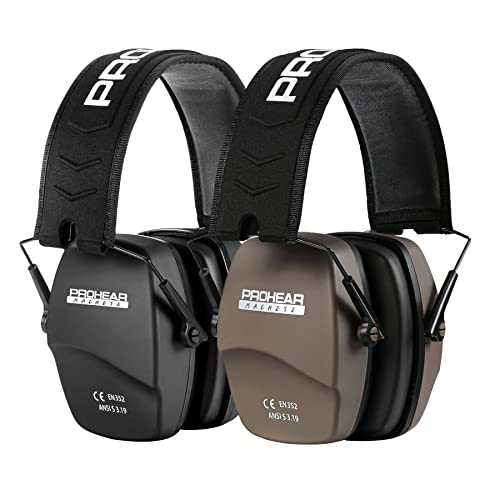


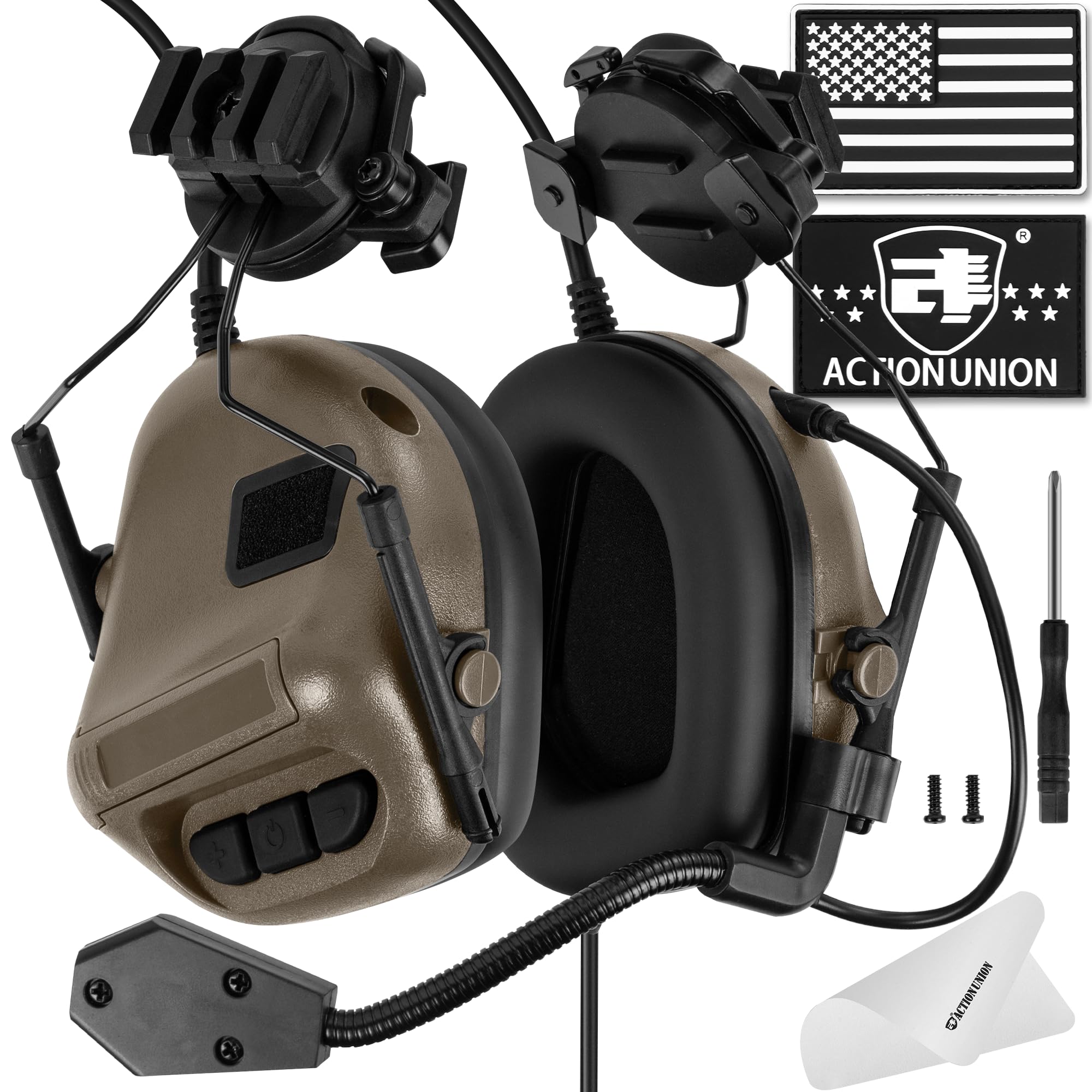
Types of Airsoft Ear Protection Compared
Four broad families cover almost every choice you will see. They differ in how they protect, how much sound they let through, and how well they sit with a mask, goggles and a helmet.
Advanced Performance Options for Airsoft Ear Protection
Electronic headsets use sealed cups with microphones that pass quiet sound through at a safe level and shut down loud impulse noise in an instant. Many add a radio jack or a boom microphone, so squad calls stay clear during fast games. Composite shells and padded bands suit long event days. Expect to pay about $60 to $180, plus batteries, and accept more bulk and more controls to learn.
Beginner Options for Airsoft Ear Protection
Passive cups and simple plugs are the easiest place to start. Foam plugs sit inside the ear canal and cost very little, while basic passive cups cover the whole ear and need no batteries or settings. Both cut noise well, but both also muffle voices and movement sounds around you. Most beginner friendly sets cost about $10 to $35, which leaves room in your budget for eye and face gear.
Kids and Youth Options for Airsoft Ear Protection
Youth players need smaller cups, a gentler clamp force and a band that stays put on a smaller head without sliding during a run. Look for cups that seal fully without pressing on glasses arms, and let an adult check the seal before every game. If a young player reports ear pain, ringing that does not fade, or muffled hearing after a game, stop play and seek medical care promptly, and talk with their clinician about personal hearing needs.
Intermediate All Around Options for Airsoft Ear Protection
Slim passive cups and entry level electronic headsets sit between the two extremes above. Slim cups fit better under a helmet and interfere less when you rest your cheek on a stock, while basic electronic sets restore some awareness of voices and footsteps. Prices often run about $35 to $70 for regular weekend players.
Advanced Performance Options vs Beginner Options: Which Should You Choose?
Choose on awareness first. Electronic headsets let you hear calls, footsteps and referee instructions at normal volume, while passive plugs and cups lower everything at once. Choose on communication next, because only electronic sets connect cleanly to a radio. Cost runs the other way, since passive gear is far cheaper and needs no batteries. Bulk also matters, because large cups can clash with a helmet or mask strap.
In practice, the best airsoft ear protection is the set that matches how your team plays. A coordinated squad at large outdoor events gains real value from headsets and radios. A casual player at a small local field often gains just as much safety from well fitted passive cups, with money left over for other protective gear.
How to Choose the Right Airsoft Ear Protection
Work through fit, noise rating, impact cover and field type in that order. A set with strong numbers on paper still fails if it leaks sound at the seal or pushes your goggles out of place. Try candidate sets with the exact head gear you wear on game day.
Size, Weight and Fit of Airsoft Ear Protection
The seal around your ear does most of the work for cups, so cup size and band tension matter more than headline ratings. Your whole outer ear should sit inside the cushion with no gaps at the jaw or temple. Heavier headsets, often about 10 to 14 ounces with batteries, need a wide padded band to spread the load. If a set pinches within ten minutes at home, it will feel worse after three hours of play.
Portability and Storage of Airsoft Ear Protection
Folding cups take far less room in a kit bag than fixed cups, and some bands fold the cups up inside the band itself. Plugs pack smallest of all, though they are also the easiest to lose between games. A hard case protects electronic headsets from crushed cups and bent cables in a crowded bag. Store your set where you pack your mask, so the two always travel together.
Performance Characteristics of Airsoft Ear Protection
For noise, look for an NRR value on sealed cups and plugs, often about 20 to 28 dB for cups and about 29 to 33 dB for foam plugs fitted well. That rating says nothing about BB impact, so check cover separately. Solid cups and mesh side covers shield skin from direct hits, while plugs leave the outer ear exposed. Electronic sets add directional microphones, which help you place where a call or shot came from.
Skill Level and Intended Use for Airsoft Ear Protection
New players benefit from simple gear they can fit correctly every time, with no modes or volume dials to set wrong. Regular players who join organized games gain more from headsets, because call outs decide many rounds. Event players at large sites should also weigh battery life, spare cables and weather sealing. Match the set to the games you actually attend this season, not to a rare event you might try once.
Indoor vs Outdoor Use of Airsoft Ear Protection
Indoor sites are loud in a small space, with hard walls that bounce sound back and pyrotechnics used at short range, so sealed noise protection matters most there. Outdoor fields spread sound out, but wind across headset microphones can mask soft calls and dry grass hides quiet movement. Mesh covers earn their place outdoors, where brush and close shots reach your ears. Many players keep plugs as a light spare for either setting.
Common Mistakes to Avoid
Most poor purchases come from treating impact cover and noise cover as the same thing.
- Buying mesh ear covers for a loud indoor site leaves your hearing exposed to pyrotechnic blasts at close range.
- Wearing cups over a thick hat or loose strap breaks the seal and lets far more noise reach your ear.
- Choosing adult size cups for a youth player leaves gaps at the jaw that cut protection sharply.
- Turning headset volume up to hear distant calls also raises background noise and tires your hearing over a long day.
- Sharing foam plugs between players spreads germs and gives the second player a poor fit.
Tips to Get the Most From Your Airsoft Ear Protection
Store your set out of direct sun and away from extreme heat, because heat softens cushions and ages the foam that forms the seal. Check cushions, bands and cables for wear before each use, and replace cracked cushions as soon as the surface splits.
Clean cups and covers after outdoor use with a damp cloth, then let them dry fully before you close the bag. Sweat and field dust break down cushion foam over a season. Keep electronic contacts dry, remove batteries before long storage, and test the volume controls at home so you never adjust them for the first time during a game.
Ear protection works as part of a full head setup, not on its own. When you settle your mask and eyewear, see our guide to the best face protection airsoft, our guide to the best eye protection for airsoft, our guide to the best airsoft head protection and our guide to the best airsoft lower face protection, then check that no strap or frame edge lifts your ear cups.
FAQ
Is premium airsoft ear protection worth buying for a beginner player?
No, premium airsoft ear protection is rarely worth buying for a beginner player. Start with passive cups that fit well and spend the savings on quality eye protection, which every field checks first. If your site offers loaner headsets during an event day, try one round with a headset before you commit, because comfort with your own mask tells you more than any feature list.
How long does airsoft ear protection usually last?
Airsoft ear protection usually lasts about two to four seasons of regular play. The cups and shells often outlast the soft parts, so treat cushions and foam tips as wear items rather than part of the main purchase. A simple test helps at home: if the band no longer holds gentle, even pressure on both sides, the set is near the end of its useful life.
What size airsoft ear protection should you get?
Get the airsoft ear protection size that seals around your whole ear with your usual game day hat or helmet in place. Head circumference measured just above the ears, often about 21 to 24 inches for adults, gives a better guide than age or clothing size. Youth players should size by that same measurement, then confirm the band still grips when they shake their head gently.
Does indoor or outdoor airsoft change the ear protection you need?
Yes, indoor or outdoor airsoft changes the ear protection you need. Indoor halls add echo, so a blast that seems modest outdoors can feel much sharper off concrete walls, and sealed cups earn their keep. Outdoors, add a retention strap or a band that sits under your helmet rim, because brush and low branches can knock loose cups out of place mid game.
Final Thoughts
Decide first whether you need impact cover, noise reduction or both, then buy the simplest type that seals well with your mask, goggles and helmet. Fit beats features every time, and the product table above helps you compare size, type and price on those terms.
When you judge best airsoft ear protection by seal, awareness and comfort over a full game day, the right family stands out quickly. Pick that family, check the fit at home, and play with your hearing guarded.