
Best Airsoft Head Protection 2026: Types Compared and How to Choose
Disclosure: We may earn a commission when you buy through links on this page, at no extra cost to you. As an Amazon Associate I earn from qualifying purchases. Learn more

Compare airsoft head protection types by coverage, fit, lens rating, airflow and price, with sizing help for adult and youth players and field rule notes.
Head protection in airsoft can mean a full face mask, a helmet worn with goggles and a mesh lower, or light padded headwear, and the names alone do not tell you how much stays covered. The best airsoft head protection covers your eyes, teeth and ears, fits without shifting, and passes your field rules. Use the comparison table below to match each type to the way you play.
Start with coverage, not looks. A close indoor arena, a wooded outdoor field and a youth game ask for different levels of cover, airflow and padding. The sections below compare the main types, then cover fit, lens ratings and care.

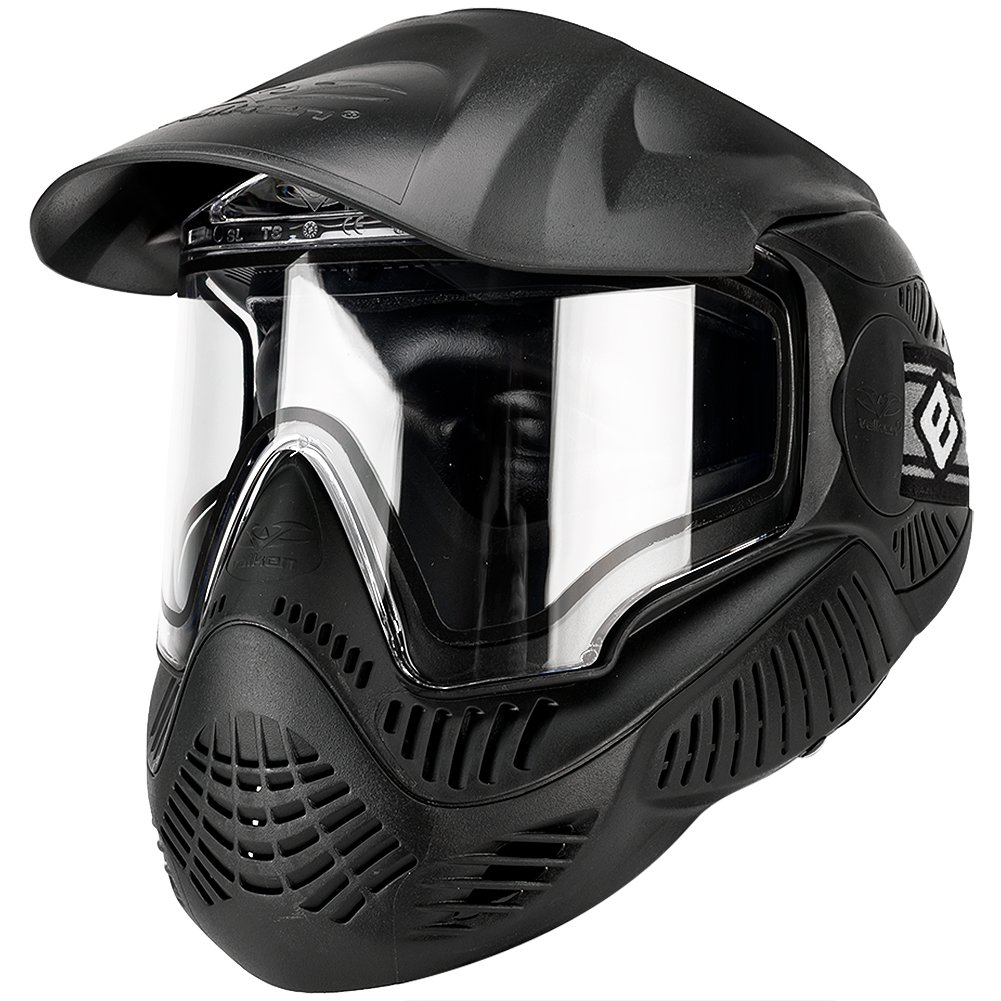
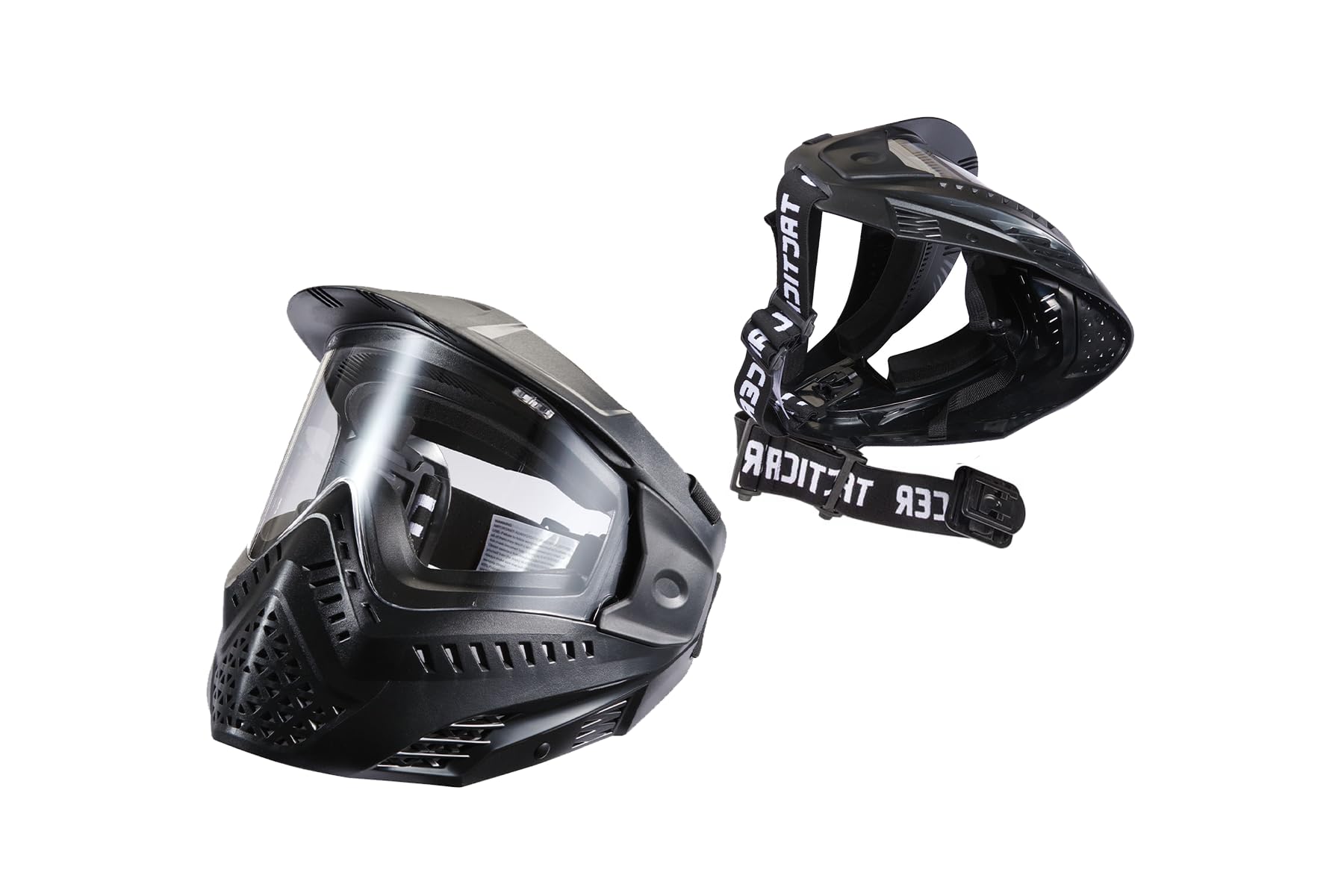
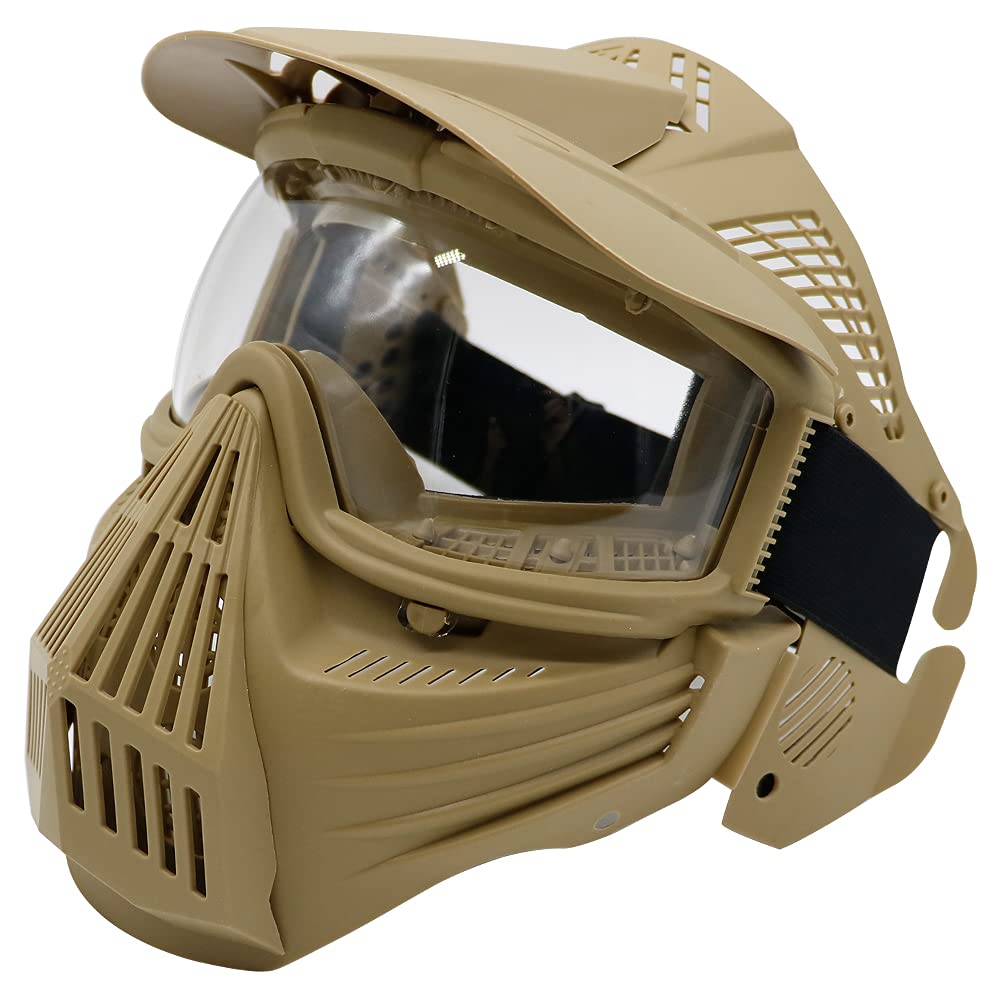
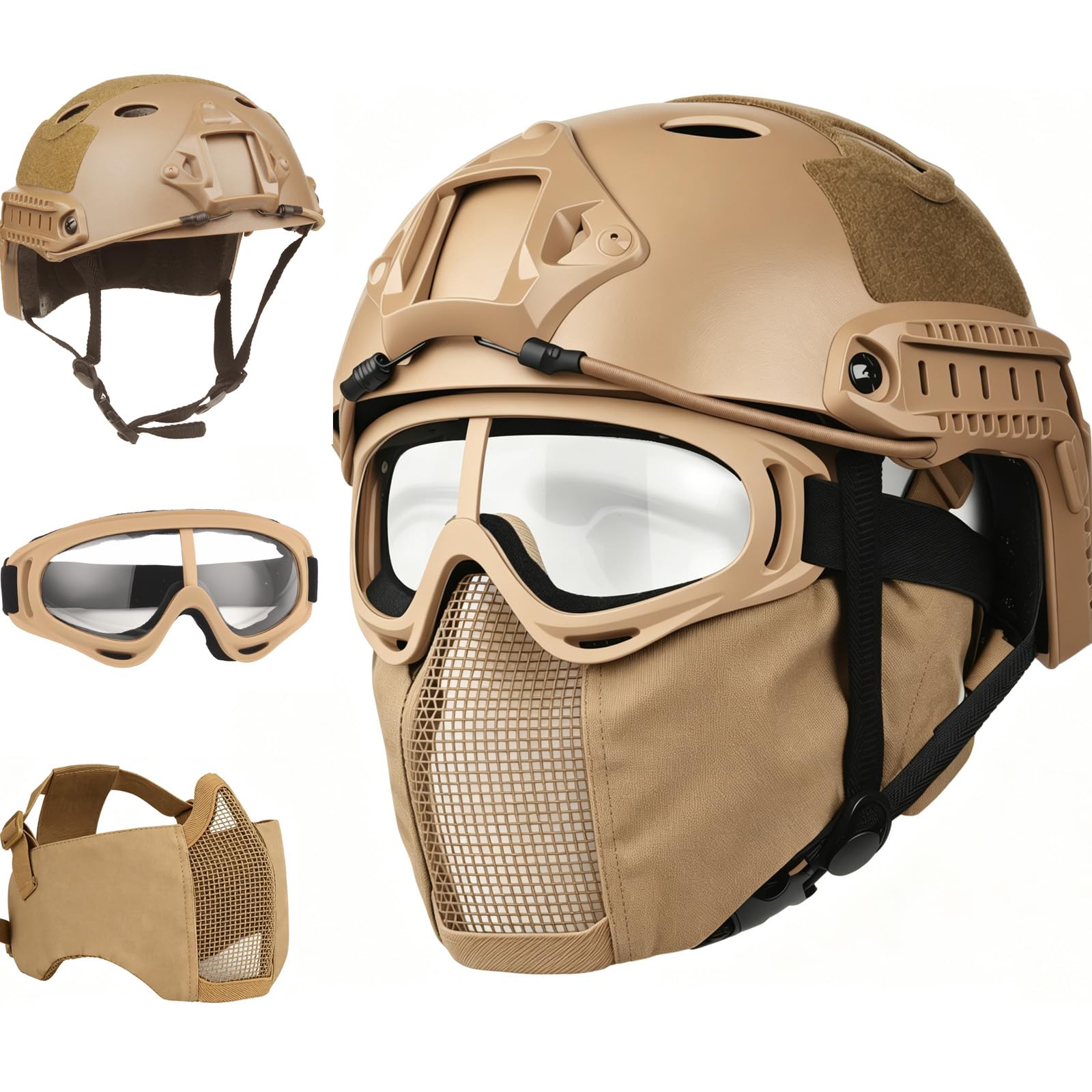


Who Should Buy Which Airsoft Head Protection?
Your experience, age and home field should decide your setup.
Beginner Players Who Want Simple Full Coverage
You want one item that guards your eyes, nose, mouth and cheeks at the same time. A full face mask suits you best, because you put it on, adjust one strap and play. Look for a wide lens, firm padding at the forehead and chin, and vents that let you breathe and speak clearly.
Intermediate and All Around Players Who Mix Separate Pieces
You play indoors and outdoors and like gear you can adjust for each site. A helmet or sturdy cap worn with sealed goggles and a mesh lower mask lets you swap one part at a time. This route costs more, about $60 to $150 for the full set, but each piece can be replaced on its own.
Kids and Youth Players Who Need a True Small Fit
Young players need protection sized for a smaller head, not an adult mask tightened to its limit. Look for youth sizing, light weight and full cover for the eyes, mouth and ears, since many fields require complete face cover for minors. An adult should check the fit before every game.
Types of Airsoft Head Protection Compared
Each type below trades coverage, comfort and freedom to aim in a different way.
Full Face Masks for Complete One Piece Coverage
A full face mask joins the lens, mouth guard and cheek cover in one shell, so there are no gaps at the nose or jaw. Most cost about $25 to $70 and suit new and youth players and indoor sites well. The wide lens gives a clear view, but the fixed shape can press on your cheek when you aim and can feel warm in summer. For masks that guard the whole face, see our guide to the best face protection airsoft.
Helmets Paired With Goggles and a Mesh Lower Mask
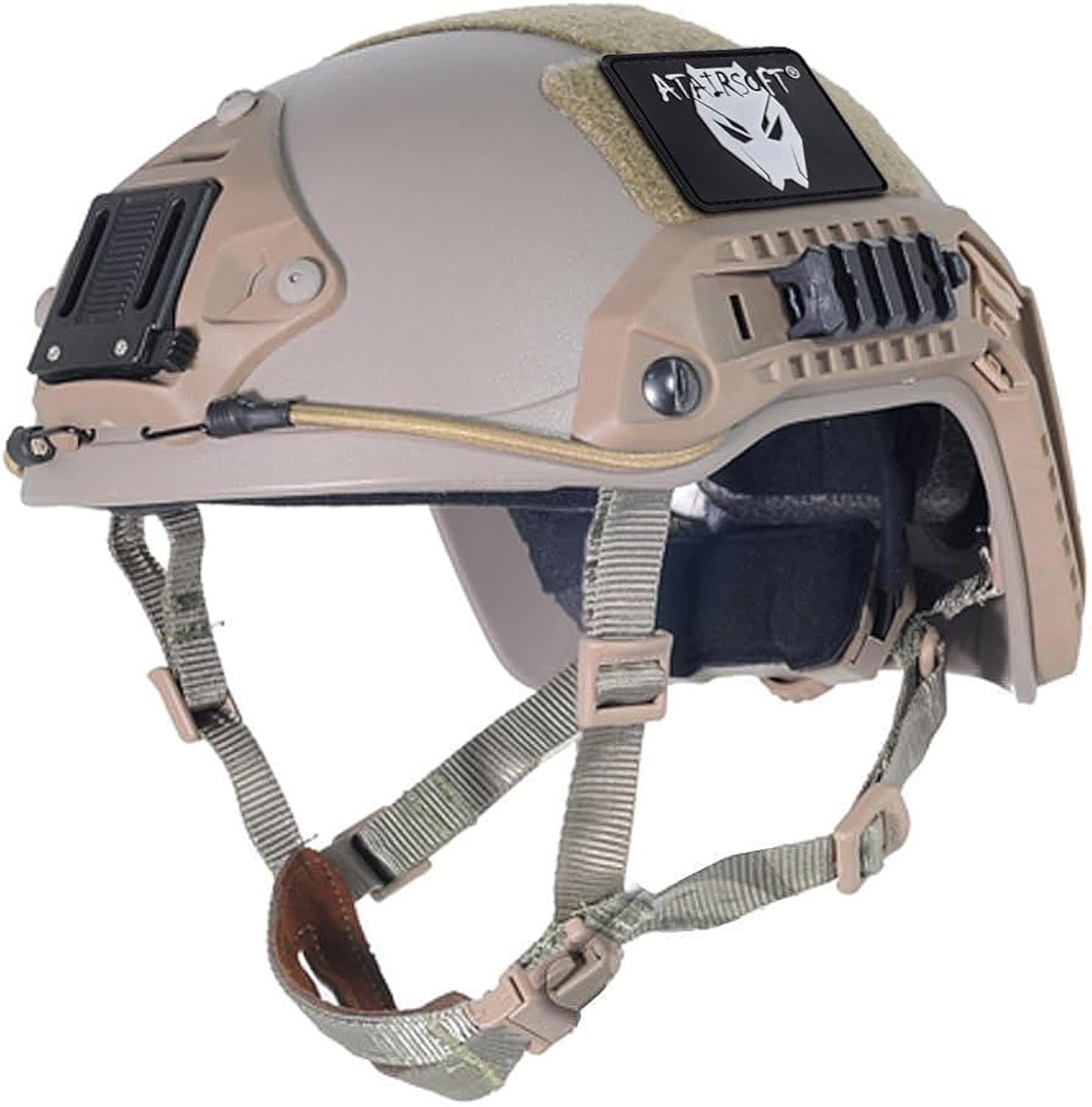
This modular setup uses a polymer helmet for the crown, sealed goggles for the eyes and a steel mesh or padded lower for the mouth and cheeks. You can fit each part to your face and adjust padding inside the shell. The trade off is setup time and a higher total price, and the parts must overlap with no skin showing. It suits regular players who want parts they can upgrade one at a time.
Padded Caps and Light Headwear for Limited Coverage
A padded cap or thick hat softens knocks from branches and low cover, and it adds shade outdoors. On its own it does not stop BBs to the eyes, teeth or ears, so most fields will not accept it as your only protection. Treat light headwear as a comfort layer worn with rated goggles and a lower mask, never as a stand alone guard.
Key Features to Compare
Compare these five points in order. Together they decide how safe, clear and comfortable your setup feels.
Lens Rating and Sealed Eye Coverage
Your eye protection should carry an ANSI Z87.1 rating and seal against your face, with no gap at the nose or temples where a BB could slip in. A clear lens suits indoor play, while tinted lenses change contrast outdoors. For ratings and lens choices in depth, see our guide to the best eye protection for airsoft. Stop playing and get medical care promptly if you have eye pain, blurred vision, bleeding, confusion, vomiting or a severe headache after a hit or a fall, and talk with your clinician about your personal needs before you play again.
Fit, Head Sizing and Strap Adjustment
Measure around your head just above your eyebrows and match that number to the size guide, since brands size their shells differently. Good protection stays in place when you look down, turn fast and rest your cheek to aim, without a hard pressure point at the forehead. Rear dials, padding sets and wide elastic straps all help fine tune fit. If a setup rocks on the smallest setting, it is the wrong size.
Ventilation, Breath Flow and Fog Control
Warm breath trapped inside a mask is the main cause of fog, so look for vents low on the face that push breath down and away from the lens. If you wear glasses, choose a deeper frame with room for them, because a lens pressed against your frames fogs faster.
Coverage for the Mouth, Ears and Cheeks
BBs sting most on bare skin, and a hit to a tooth can end a season, so check what each setup leaves open. Mesh lowers guard the mouth while still letting you speak, and padded ear covers guard a tender spot that hats miss; see our guide to the best airsoft mouth protection for lower face choices and our guide to the best airsoft ear protection for ear cover styles.
Materials, Durability and Accessory Compatibility
Polymer shells shrug off knocks and wet weather, steel mesh keeps its shape after repeated hits, and soft padding guards comfort but wears out first. Check that your goggles, lower mask, helmet and headset sit together without lifting each other out of place, since one raised edge can open a gap. Durable straps and replaceable foam matter more than bold colors.
How to Choose for Indoor and Outdoor Play
Indoor arenas put players close together, so hits land at short range and full face cover earns its place. Outdoor fields add sun, heat, brush and longer games, so ventilation, shade and a secure strap matter more. The best airsoft head protection for you meets the strictest rules among the fields you visit. Read the field rules on full seal goggles, lower face cover and youth cover before you order, since those rules override any product claim.
Common Mistakes to Avoid
- Buying a shop goggle with no impact rating leaves your eyes guarded by a lens never made for airsoft play.
- Wearing a loose mask that shifts when you aim opens a gap at the nose or temple.
- Lifting your mask mid game to clear fog puts your eyes at risk, so leave the field before you raise it.
- Choosing a cap alone leaves your teeth and ears bare and may break your field rules.
- Skipping the fit check for a youth player lets an adult size mask slide down over the eyes.
Caring for Helmets, Masks and Lenses After Play
Rinse dust and sweat from straps, foam and mesh with plain water after outdoor play, then let it dry fully and store it in shade away from high heat. Clean lenses with a soft microfiber cloth only, because gritty fabric and strong sprays can scratch lens coatings.
Check straps, foam, mesh and the lens for cracks or worn padding before each use, and retire any lens with a crack or deep scratch. Replace tired foam and frayed straps early, because small faults are often the first sign that a setup no longer holds its fit.
Frequently Asked Questions
What size airsoft head protection should I buy?
Buy the size that matches your head measurement taken just above your eyebrows, not the size you wear in hats. If you fall between sizes, choose the one whose padding set lets you remove a layer, since a roomy shell can be padded while a tight shell cannot grow. Try the fit with the goggles you will play in, because stacking pieces changes how the strap sits.
Does indoor or outdoor play change the airsoft head protection a player needs?
Yes, indoor play favors a full face mask, while outdoor play rewards airflow and shade. Indoor rounds also run shorter, so a warmer mask is easier to accept there. Outdoors, consider a light colored shell for hot sites, since dark shells absorb sun and heat your head faster. Match your spare lens tint to the site you visit most.
Is premium airsoft head protection worth buying for a beginner player?
Premium gear is worth it for a beginner only when the extra cost buys fit and lens quality, not decoration. A modest full face mask with a rated lens guards a new player well for about $25 to $70. Spend more once you know you will play often, and put the money toward a fog resistant lens and better padding. Skip costly rails and mounts until you own gear that needs them.
How long does airsoft head protection usually last?
A well cared for mask or helmet setup usually lasts several seasons of regular play. Straps and foam wear first and often need renewal within a year or two of heavy use, while shells and mesh last longer. Keep a spare strap and cloth in your gear bag, so a worn part found at check in does not end your day.
Can a padded cap count as airsoft head protection on its own?
No, a padded cap on its own does not count as full head protection at most fields. It softens bumps and adds shade, but it leaves the eyes, teeth and ears open to BBs. Some outdoor sites allow caps only when paired with rated sealed goggles and a lower mask. Ask the field staff before game day if you plan to rely on a cap.
Wrapping Up
Decide by coverage first, then fit, then airflow. Full face masks give new and youth players the simplest guard, modular helmet setups give regular players flexibility, and light headwear only works as a layer over rated eye and face cover. Check the product table above to compare types, sizes and prices against your field rules.
When you choose best airsoft head protection with those three points in mind, you get gear you will wear for every game, and worn gear is what actually guards you.


