Best Airsoft Backpack: A Buyer Checklist for 2026
Disclosure: We may earn a commission when you buy through links on this page, at no extra cost to you. As an Amazon Associate I earn from qualifying purchases. Learn more
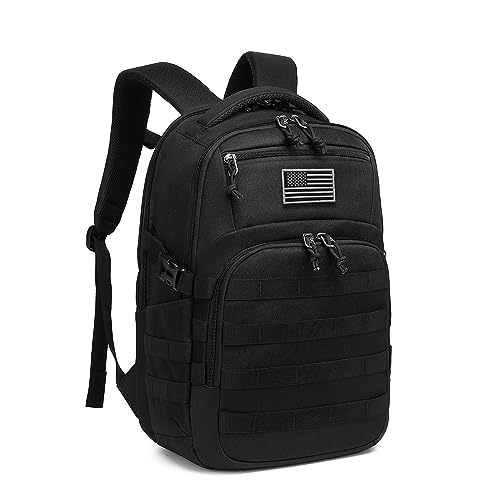
Use this buying guide for the best airsoft backpack to check size, fit, storage, materials and value before you buy for field days and travel.
A good airsoft pack does more than carry gear to the field. It protects your eye protection, keeps BBs and batteries separate, and stays comfortable during long walks between staging and play. This guide gives you a simple checklist for choosing the best airsoft backpack for your own kit, with clear thresholds for size, fit, materials, and value.
Use the comparison table below to spot the basic layout of each option first. Then work through the criteria in order, because a pack that looks strong in photos can still fail on shoulder fit, zipper quality, or internal organization once you load it.


How to Evaluate Airsoft Backpacks
Think of this section as a scorecard you can apply to any pack in the product table above. A pack does not need to win every category, but it should have no weak spot that affects safety, comfort, or the gear you carry most often. Note your scores as you read, and weak categories will stand out fast.
Skill Level and Intended Use
Start with how you actually play. A new player who attends a few rental days each season needs a simple main compartment, a padded pocket for a mask, and room for water and basic tools. A regular player who brings a primary replica, a sidearm, spare magazines, and a change of clothes needs more volume and stronger internal dividers. Advanced players who travel to large events should also look for lockable zippers and a structured back panel that keeps weight stable during long carries.
Size, Weight, and Fit
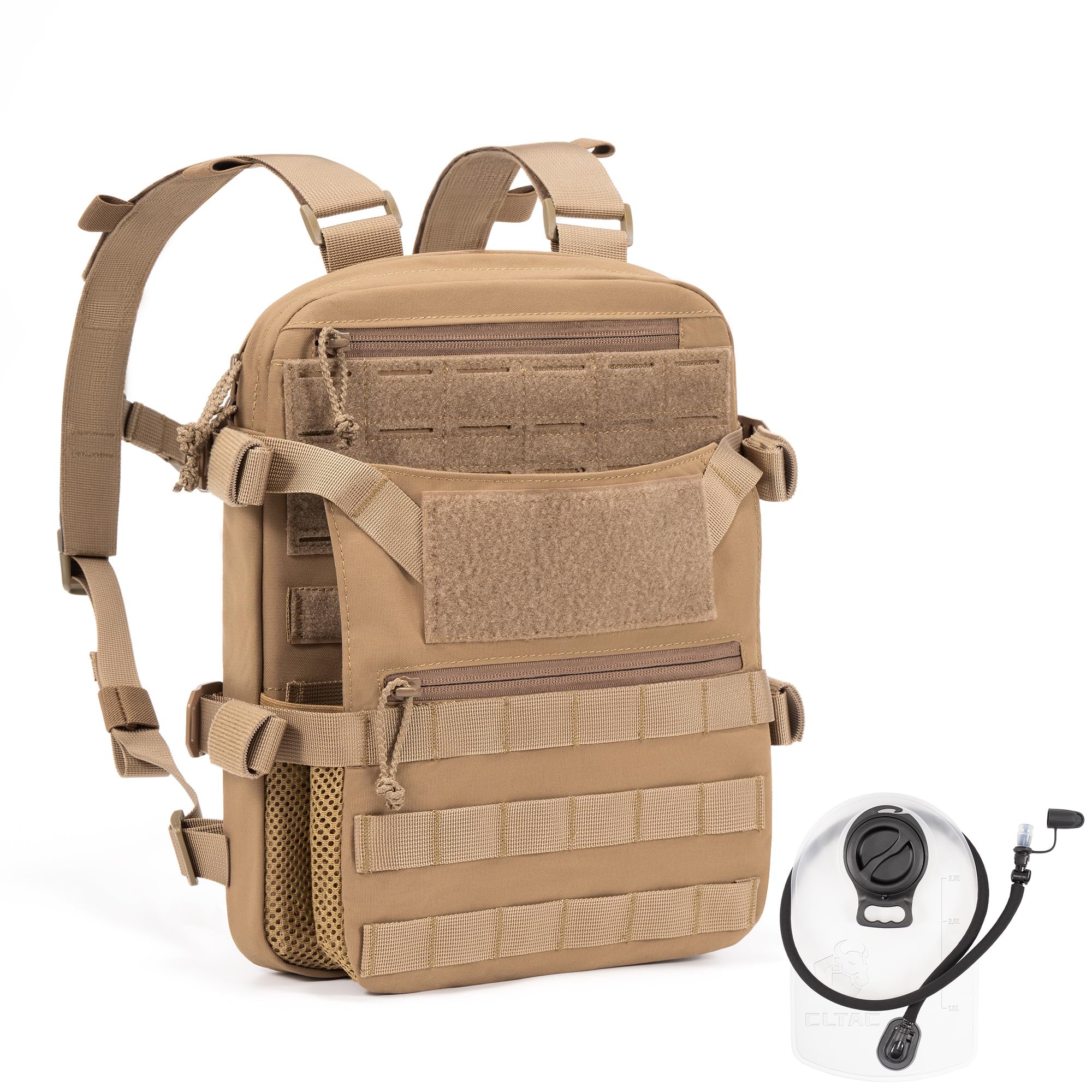
Most useful airsoft packs fall between about 20 and 35 liters. Under about 20 liters suits light skirmish kits, while packs above about 35 liters can feel bulky in tight staging areas. Check torso length against the maker size chart, and confirm the shoulder straps adjust low enough for smaller frames and high enough for taller players. An empty weight of roughly 2 to 4 lb is reasonable for a padded pack. If a loaded pack pulls your shoulders back or the hip belt, when fitted, sits above your hips, the fit is wrong for long days.
Value and Included Accessories
Value is not just the lowest price. Add up what is included, such as internal pouches, a hydration sleeve, rain cover, or removable dividers, and compare that total with a bare pack that needs those extras bought separately. A clear warranty of at least one year on zippers and seams is a good sign. Replacement straps and buckles that use standard sizes also add value, because a small broken part should not retire an otherwise sound pack after one season.
Portability and Storage
Consider how the pack travels and where it lives between games. A top carry handle, a flat base that stands upright in a locker, and side compression straps that tame a half load all make daily handling easier. At home, look for a shape that fits a closet shelf without crushing the back panel foam. If you also need a lighter option for trips away from the field, see our guide to the best packable backpacks for ideas on packs that fold into small spaces.
Indoor vs Outdoor Use
Indoor arenas reward a compact profile that will not snag on door frames or catch on barriers when you turn in narrow lanes. Outdoor fields reward water repellent fabric, covered zippers, and a base that wipes clean after mud or dust. Ventilation matters outdoors too, because a solid foam back panel can feel hot during summer games. Choose based on where you play most, and treat the other setting as a secondary need rather than buying two packs at once.
Safety and Certifications
A backpack itself carries no protective rating, so safety here means how well it protects the safety gear inside it. Look for a padded, separate pocket that keeps a mask lens from being scratched or crushed, since damaged eye protection must never be used. Your mask or goggles should carry an ANSI Z87.1 rating, and the pack should keep them away from hard tools and metal magazines. A bright interior or a small reflective detail also helps staff spot a left behind pack at dusk.
Materials and Construction
Denier ratings give a rough guide to fabric toughness, with about 600D polyester common on value packs and higher denier nylon on premium ones. More important in daily use are bar tack stitching at strap anchors, zippers that run smoothly under load, and a reinforced base panel. Turn the pack inside out if you can in store photos or descriptions and look for bound seams rather than raw edges. Abrasion at the base and strap points is where cheap packs fail first, so judge those areas closely.
What Good Options Look Like at Each Level
Instead of naming favorites, use these three profiles to judge any pack in the comparison table above. Match the profile to your playing habits first, then check that the specific pack in front of you meets the description. This keeps your choice based on evidence you can verify, not on a label.
Overall Balance to Look For
A balanced pack sits around 25 to 30 liters, weighs about 3 lb empty, and splits storage between one large main space and several smaller pockets. It should have a padded mask pocket, two water bottle pockets or a hydration sleeve, and shoulder straps with enough padding for a full day load. The trade off is that it will not be the lightest or the largest option. For most players who play twice a month, that balance is exactly the point, and it avoids buying a second pack later.
Value Balance to Look For
A value focused pack keeps the essentials and trims extras you may not need, such as a rain cover or a laptop style sleeve. Expect sound fabric, basic dividers, and a simple warranty, at a price often around $40 to $80. Check zipper quality closely at this level, because that is where savings sometimes hide. If the zippers run smoothly and the strap stitching looks dense and even, a value pack can serve a casual player well for several seasons of regular use.
Compact Balance to Look For
A compact pack of about 18 to 22 liters suits indoor play, younger players, and anyone who travels light with rental gear on site. Look for a low profile shape, minimal loose straps that can snag, and one well padded pocket for eye protection. The limitation is real: bulky items such as a full face mask plus a change of boots may not fit together. If your kit is small and your games are short, that limitation is acceptable and the easy carry is a genuine benefit.
Quick Buyer Checklist
Run through these questions before you buy. A pack that answers yes to most of them is likely to suit you well.
- Does the volume match the kit you actually carry, with a little room to spare?
- Does the torso length match your back measurement on the size chart?
- Is there a padded, separate pocket that protects your mask or goggles?
- Do the zippers open and close smoothly when the pack is fully loaded?
- Are strap anchor points reinforced with dense stitching?
- Can you organize BBs, batteries, and tools in separate pockets?
- Does the warranty cover zippers and seams for at least one year?
- Would you still choose it if you saw it beside the best everyday backpack options for daily use?
Red Flags to Watch For
Vague capacity claims with no liter rating or dimensions are a warning sign, because you cannot confirm your kit will fit. Missing information about fabric, warranty, or zipper brand suggests the maker expects few questions. A large number of reviews that praise the pack in identical language, posted in a short window, is another concern. Also be wary of packs with many loose external straps and no compression system, since those straps snag in staging areas. Finally, a very low price paired with a very short warranty, such as 30 days, usually means the maker does not expect the pack to last.
If you are comparing makers across several pack types, our overview of the best backpack brands can help you judge which companies support their gear with parts and clear warranties.
Setup and Care Tips
Load heavy items close to your back and low in the pack, with your mask on top in its padded pocket so it is never crushed. Before each game, check strap stitching, zipper pulls, and buckles for cracks or fraying. After outdoor use, empty the pack, brush off dirt, and let it dry fully with the pockets open before storing it. Store it out of direct sun and away from extreme heat, which can weaken fabric coatings and foam over time.
For trips that mix airsoft with general travel, it also helps to read about the best backpacks for travel, since airline size limits and airsoft volume needs do not always agree.
Frequently Asked Questions
How long does an airsoft backpack last?
A well made pack used twice a month typically lasts about three to five years before zippers or strap foam show real wear. Life shortens if the pack is routinely overloaded or stored damp. Rotating the load, drying the pack after wet games, and fixing a loose stitch early can add a season or more. Among the best airsoft backpacks, the longest lasting ones share dense stitching and replaceable buckles.
What size airsoft backpack should I get?
Choose about 20 to 25 liters for a light kit with a mask, BBs, water, and basic tools. Choose about 28 to 35 liters if you carry a change of clothes, extra magazines, and food for a full day. Measure your largest single item, usually the mask, and confirm the main compartment dimensions exceed it. When you are between sizes, the larger pack with compression straps usually adapts better than a small pack stuffed tight.
Indoor vs outdoor use for an airsoft backpack: does it matter?
Yes, it matters mainly for size and fabric. Indoor play favors a compact pack that moves through narrow spaces without snagging, while outdoor play favors water repellent fabric and a base that cleans easily. If you split your time, pick a midsize pack with covered zippers and use a simple liner bag for wet days. That single compromise works well for most mixed schedules.
Is a premium airsoft backpack worth buying as a beginner?
Usually not at first. A beginner kit changes quickly, and a midrange pack lets you learn what storage you actually use before spending more. Premium pricing makes more sense once you play monthly, carry your own full kit, and know your preferred volume. Spend the savings on properly rated eye protection first, because that is the item where quality protects you directly every single game.
Wrapping Up
Focus on three things: a volume that matches your real kit, a fit that stays comfortable under load, and construction that protects your eye protection and survives the base and strap wear points. Use the checklist above on the product table above, and the right best airsoft backpack choice for your routine will usually be clear. Buy for the games you play now, and leave a little room for the kit you are likely to add next season.