Best Airplane Headsets for 2026: Everything to Know Before Your First Purchase
Disclosure: We may earn a commission when you buy through links on this page, at no extra cost to you. As an Amazon Associate I earn from qualifying purchases. Learn more

Shopping for the best airplane headsets for the first time? Learn the terms, compare options, and avoid rookie mistakes with this easy guide.
Buying a headset for flying sounds simple until you start reading spec sheets full of codecs, drivers, and ratings you have never seen before. The good news is that choosing best airplane headsets for your needs comes down to a handful of ideas, and this guide explains each one in plain English. We will start with the basics, walk through the specs that actually matter in a cabin, and finish with the mistakes first time buyers make most often.
As you read, keep your own flights in mind, because a headset for a short domestic hop faces a different job than one for an overnight international route. When you reach the comparison table below, you will know exactly which rows deserve your attention and which ones you can safely ignore.
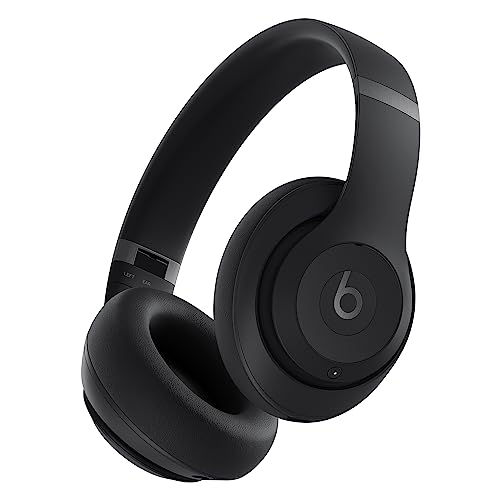
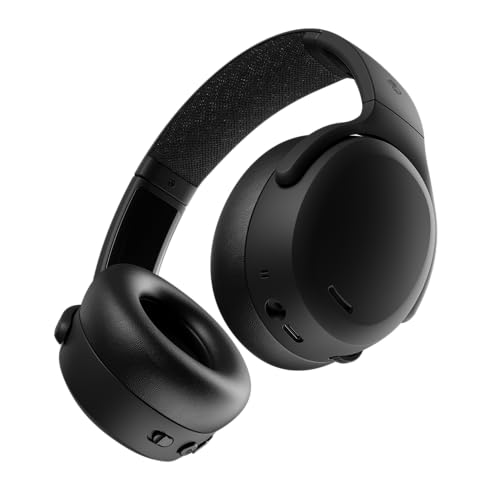


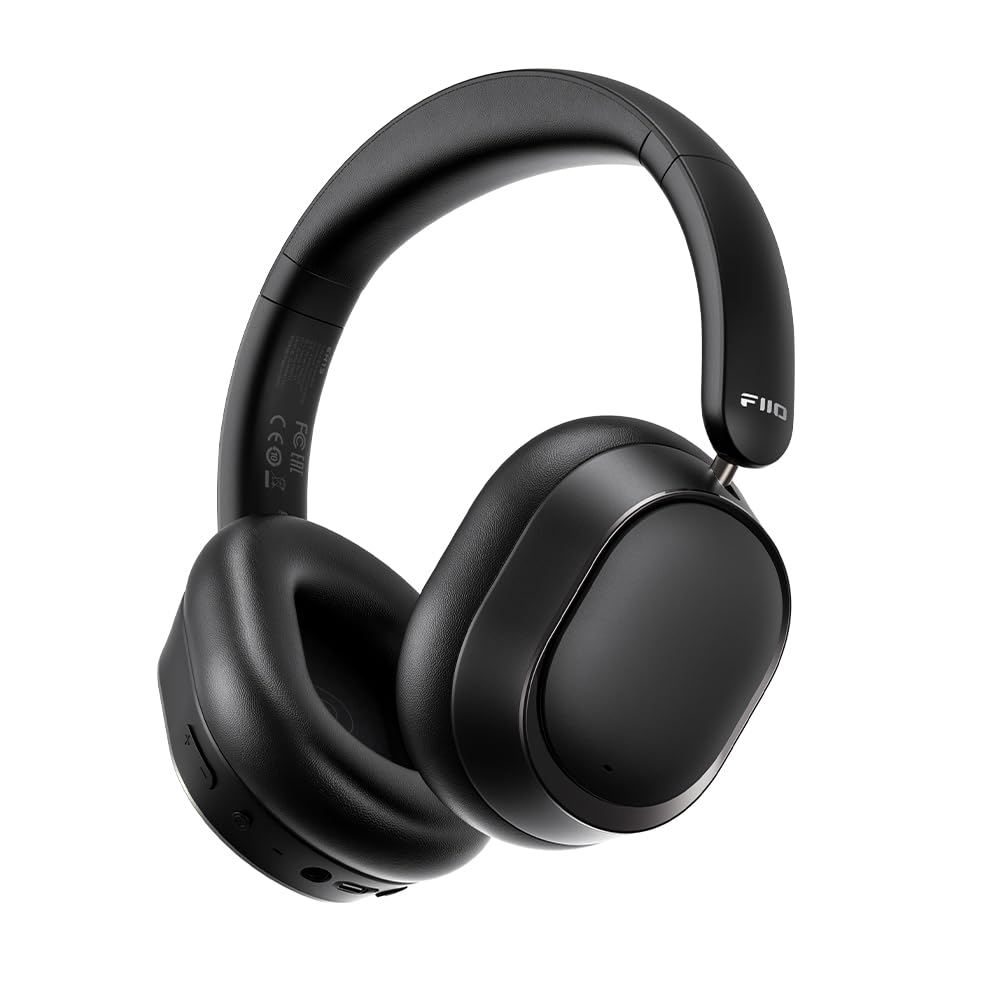
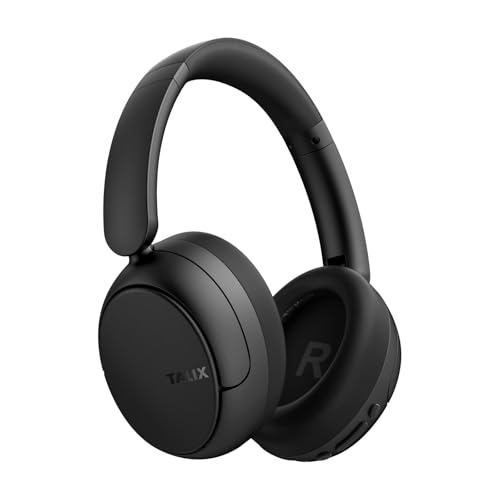
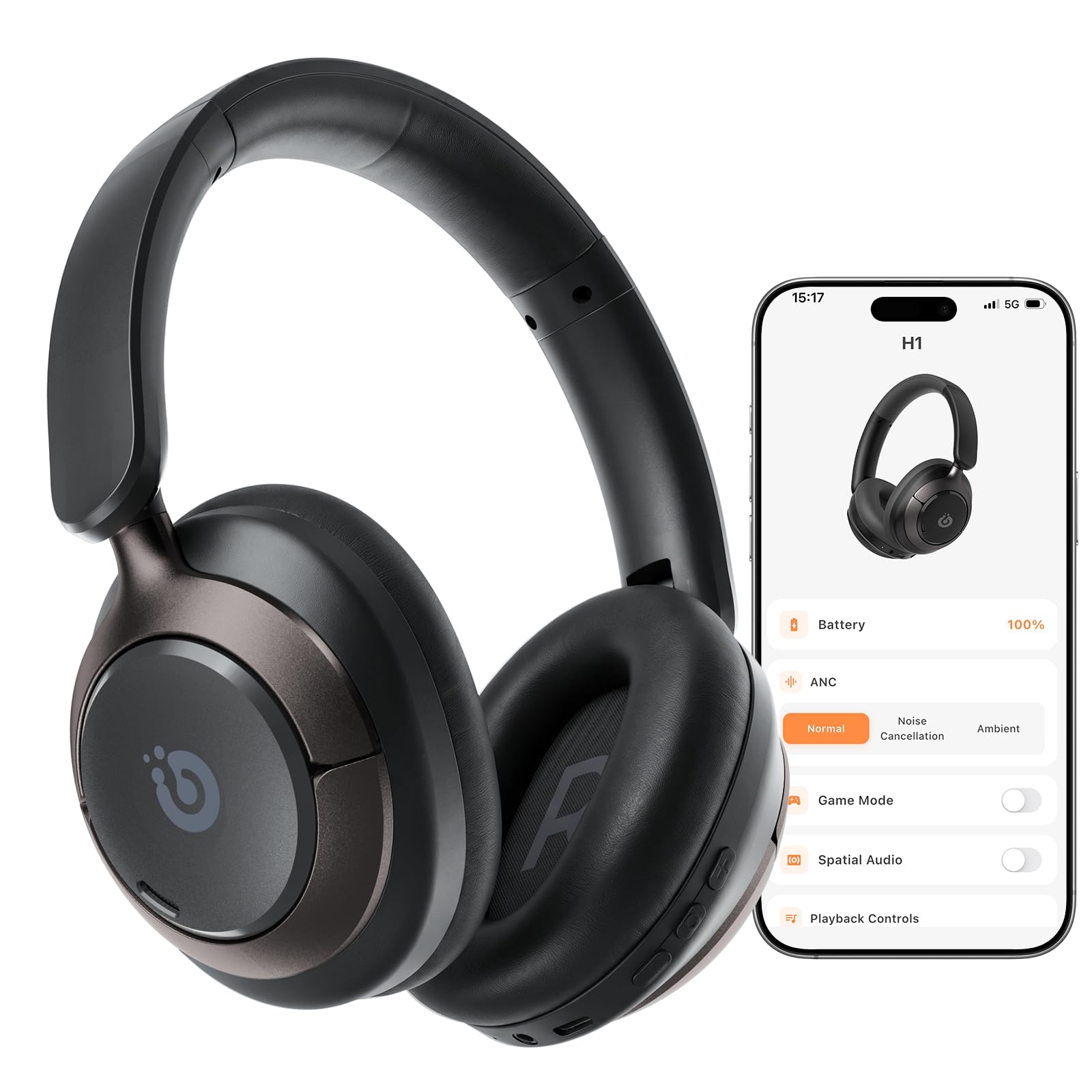
Airplane Headsets 101: The Basics for New Buyers
An airplane headset is any headphone or earbud set chosen mainly for use during flights, where steady engine drone, cabin chatter, and long wearing time shape what works well. Unlike a headset you wear for an hour at your desk, a travel headset has to stay comfortable for hours, pack small in a carry on bag, and connect easily to both your phone and the seatback screen in front of you.
Most models fall into two shapes. Over ear headsets surround your ears with padded cups, which usually gives the strongest noise reduction and the most relaxed fit on long routes. In ear models, often called earbuds, seal inside the ear canal with soft tips, take up almost no bag space, and suit travelers who pack light or sleep leaning against a pillow or headrest.
Nearly every travel headset today is wireless and connects by Bluetooth, though many also include a cable for the seatback entertainment system. A few terms will follow you through this guide. ANC, short for active noise cancellation, means the headset uses microphones and electronics to reduce outside sound. Drivers are the small speakers inside the cups or buds that produce the audio you hear. Battery life tells you how many hours of listening you get from one charge.
Key Specs Explained in Plain English
The five areas below decide most of your experience on a flight. Read each one, decide what matters for your trips, and then use the product table above to see how the best airplane headsets on your shortlist line up on those exact points.
Sound Quality and Tuning
Sound quality starts with the drivers. Larger drivers in over ear models, often around 40 mm, can move more air and tend to produce fuller bass, while smaller drivers in earbuds rely more on a tight seal for low end strength. Frequency response describes the range of tones a headset can reproduce, and a wider range on paper does not guarantee better sound in practice.
Tuning is the balance the maker chooses between bass, midrange, and treble. A bass heavy tuning makes movies feel dramatic but can blur dialogue. A neutral tuning keeps voices clear, which matters when you watch films in a noisy cabin. If clear speech and balanced music matter most to you, see our guide to the best quality headsets for more on how build and tuning come together.
Noise Cancellation and Isolation
Noise cancellation and noise isolation sound similar but work differently. Isolation is passive, meaning the physical seal of the cups or ear tips blocks sound the way earplugs do. Cancellation is active, meaning microphones listen to the cabin and the headset creates an opposing signal that reduces low steady sounds such as engine drone.
ANC works best on constant low frequency noise, which is exactly what an aircraft cabin produces for hours at a time. It is less effective on sudden sounds like a nearby conversation or a crying baby, so realistic expectations help. Stronger ANC usually costs more and can add a faint pressure feeling some listeners notice at first. If reducing cabin noise is your top priority, see our guide to the best noise cancelling headsets for a closer look at how dedicated cancelling models compare.
Comfort and Fit for Long Flights
Comfort decides whether a headset stays on your head or ends up in the seat pocket after two hours. Look at clamping force first. A headset that grips too firmly can cause soreness around the ears and jaw, while one that sits too loosely shifts every time you turn your head. Generous padding on the ear cups and headband spreads pressure and helps on longer routes.
Weight matters more than spec sheets suggest, because even a small difference feels larger during a six hour flight. Earbud buyers should check how many tip sizes come in the box, since a proper seal improves both comfort and bass. Glasses wearers may prefer cups with softer cushions that do not press the frames into the skin. Trying a headset at home before your trip, even for one evening of television, tells you more than any measurement.
Battery Life and Charging
Battery life on wireless travel headsets commonly runs from about 20 to 60 hours for over ear models and about 6 to 10 hours for earbuds, with the earbud case holding extra charges. Your longest planned flight, plus airport waiting time, is the yardstick that matters. A headset that covers your full travel day with room to spare saves you from hunting for an outlet between connections.
Charging speed is the second half of the picture. Many models offer fast charging that adds several hours of listening from a short plug in before you leave for the airport. Most newer headsets charge over USB C, so one cable can serve your phone and headset together. Note that using ANC shortens battery life on most models, so the headline figure usually assumes moderate volume with cancellation switched on.
Connectivity, Codecs, and Multipoint
Bluetooth 5.3 is the connection standard on many current models, and it brings a more stable link and lower power use than older versions. Codecs are the formats used to send audio, and common ones include SBC, AAC, aptX, and LDAC. Higher quality codecs can carry more detail, but your phone or tablet must support the same codec, or the connection falls back to a basic one automatically.
Multipoint is a feature worth wanting for travel, because it lets the headset stay connected to two devices at once, such as your phone and your laptop, and switch between them without repairing. Latency, the small delay between picture and sound, matters for video. Most modern headsets keep delay low enough for films, and a wired cable removes the delay entirely when you plug into a seatback screen.
Rookie Mistakes to Avoid When Buying a Headset for Flying
Most first purchase regrets come from a few predictable errors. Read these before you order, and you will sidestep the returns and exchanges that frustrate many new buyers.
- Buying on driver size alone: a bigger driver does not guarantee better sound, so you may pay more for numbers that never reach your ears.
- Ignoring the wired option: a headset with no cable or adapter plan leaves you silent when the seatback screen has no Bluetooth.
- Choosing earbuds with only one tip size: a poor seal leaks bass and cabin noise, so the headset sounds weak no matter how good its specs look.
- Forgetting about fit with glasses or hats: pressure points that feel minor at home can become painful three hours into a flight.
- Paying for features you will never use: extras like voice assistant controls add cost, and skipping them often frees budget for better cancellation.
- Skipping the return window check: comfort is personal, and ordering too close to your departure date leaves no time to exchange a poor fit.
Getting Started: Setup and First Use
Start by charging the headset fully before your first trip, using the cable in the box. While it charges, install the companion app on your phone if the maker offers one, because the app usually handles firmware updates, equalizer settings, and ANC level adjustments. Keeping firmware updated fixes small bugs and sometimes improves connection stability, so check for an update before each big trip.
Pairing takes a minute. Put the headset in pairing mode, open Bluetooth settings on your phone, and select the headset name when it appears. If your model supports multipoint, pair your second device right after the first so both are stored. Then test the headset at home with a film and some music, adjust the equalizer to your taste, and try each ear tip size if you bought earbuds.
Pack the headset in its case rather than loose in your bag, because a case protects the drivers and hinges from pressure and scratches. Add the charging cable and the audio cable to the same pouch so everything travels together. On board, connect to the seatback screen by cable if Bluetooth pairing with the screen is not offered, and keep the case in the seat pocket so the headset has a safe home during meals.
Frequently Asked Questions About Airplane Headsets
Does an airplane headset need a special audio codec?
No, an airplane headset does not need a special codec to work well on a flight. The standard SBC codec built into every Bluetooth device already handles films and music clearly. Higher quality options like AAC or LDAC add detail mainly with high quality music files at home. The useful travel tip is to check what your phone supports, because the headset can only use a codec that both devices share.
How long does an airplane headset battery last on one charge?
Most airplane headset batteries last long enough to cover a full day of travel, and many over ear models run well past a single long flight. A point the spec sheet rarely mentions is that checking the remaining charge in the companion app before you leave home prevents surprises at the gate. If the battery does run empty mid flight, models with a cable keep playing in wired mode, so your entertainment never fully stops.
Do wired airplane headsets sound better than wireless airplane headsets?
Wired airplane headsets can sound slightly cleaner, because a cable carries the full audio signal without compression. In a loud cabin, though, engine noise masks most of that difference, and the freedom of wireless usually wins for moving around the cabin. The practical answer is to choose a wireless model that also includes a cable, which gives you seatback screen access and a backup if the battery fades.
Is ANC worth the extra cost on airplane headsets?
Yes, ANC is worth the extra cost for most people who fly more than a couple of times a year. Beyond clearer audio at lower volume, reduced engine drone lowers listening fatigue, and many travelers find they rest and sleep more easily with the cabin hum turned down. If you fly only once a year on short routes, a well sealed passive headset may serve you just as well for less money.
What IP rating do airplane headsets need for outdoor use?
Airplane headsets need no IP rating for use inside a cabin, because the rating only measures protection against water and dust. It matters once the same headset leaves the airport with you. A rating like IPX4 resists sweat and light rain, while IP67 means the device survived full immersion in shallow water during testing. If you also plan to train with the same pair, see our guide to the best headsets for gym for fit and durability points that matter during workouts.
Final Thoughts
For a first purchase, focus on three things above all else: cancellation strong enough for engine drone, a fit you can wear for hours, and battery life that covers your longest travel day. Specs like codec support and driver size matter, but they refine a good choice rather than make one. Use the product table above to compare models on those core points, and you will land on a pair of best airplane headsets that suits your routes and your budget. Safe travels, and enjoy the quieter cabin.