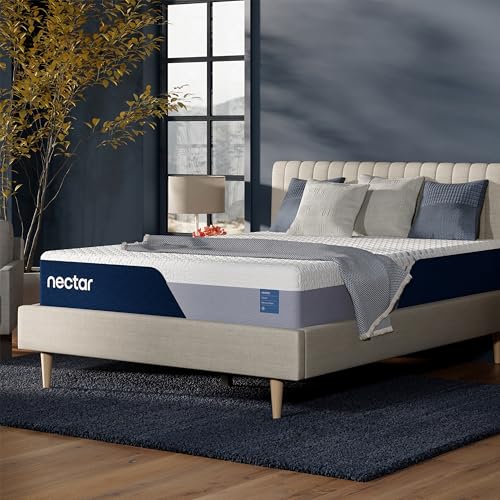
Best Airbed Mattresses: Our 2026 Checklist and Buying Guide
Disclosure: We may earn a commission when you buy through links on this page, at no extra cost to you. As an Amazon Associate I earn from qualifying purchases. Learn more
Use our practical checklist to choose the best airbed mattresses with confidence, covering support, firmness, pump design, sizes, materials, care, and value.
An airbed looks simple from the outside, yet two models with the same photo can sleep completely differently. One holds air for a week and supports your back; the other slowly sinks by two in the morning and leaves you stiff. The difference hides in the internal structure, the pump, and the quality of the seams, none of which a product photo shows.
This guide gives you the checklist we would use to sort the best airbed mattresses from the rest: what good support looks like, which materials last, and which numbers on the box actually matter. Start with the comparison table below, then score any model against the criteria that follow.
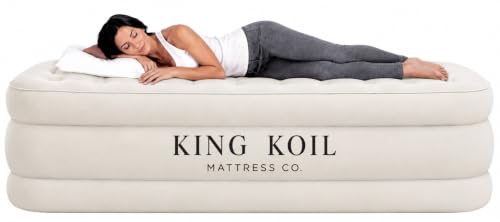
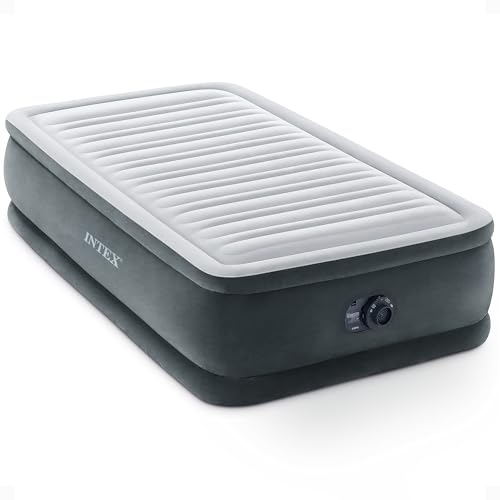
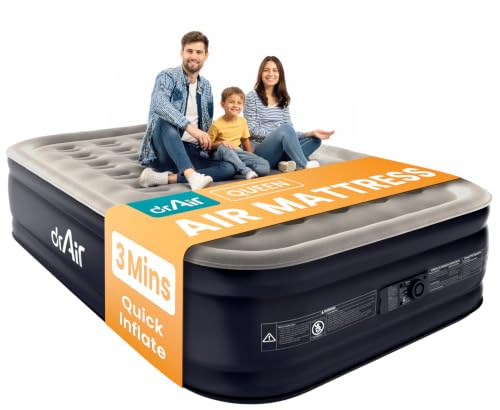
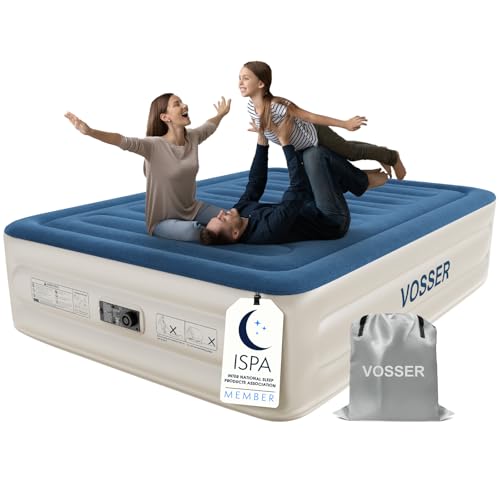


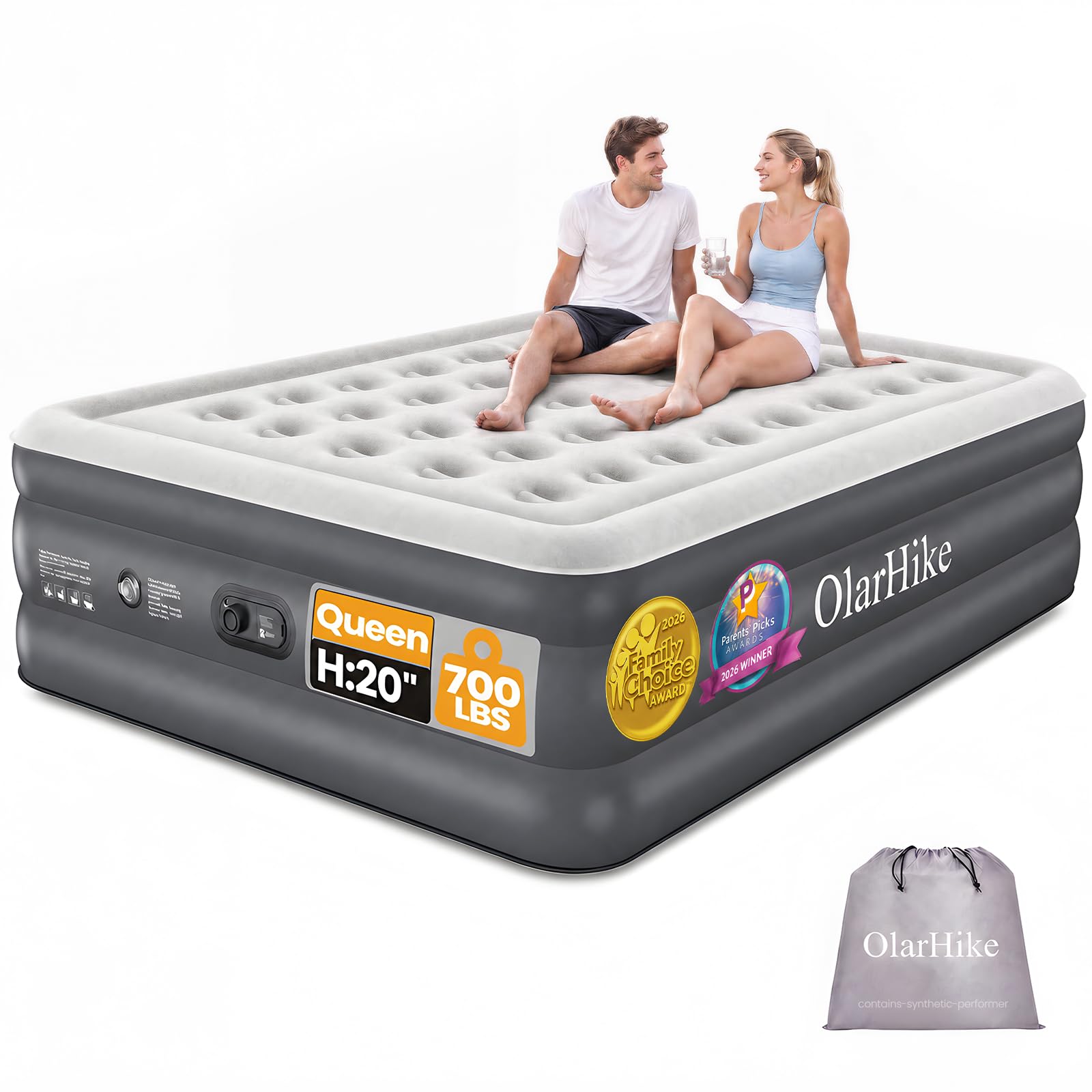
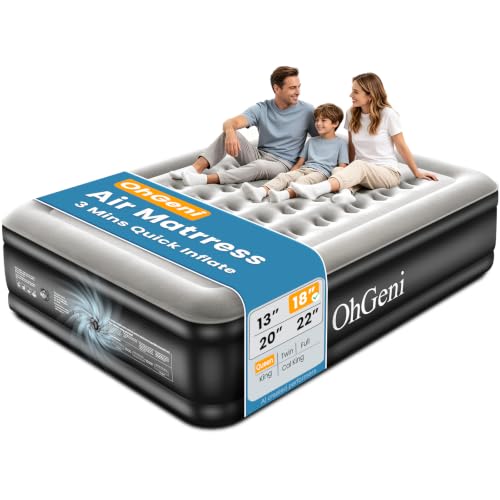
How We Evaluate Airbed Mattresses
Each criterion below includes a practical pass mark, so you can judge a listing in a few minutes. A model does not need to ace every line, but it should never fail on structure, pump reliability, or warranty.
Material and Fill
Most airbeds use PVC, and thicker material, often listed around 0.4 to 0.6 mm, resists punctures far better than thin vinyl. Newer models use fabric coated with TPU or a woven outer layer that feels less plasticky and stretches less overnight. A flocked top adds grip for sheets and a softer feel. If a model adds a foam comfort layer, memory foam gives close pressure relief while latex stays springier and cooler; a CertiPUR US mark on that foam means it meets emissions and content standards. Shoppers comparing foam beds can also see our guide to the best memory mattresses.
Support, Pressure Relief, and Edge Support
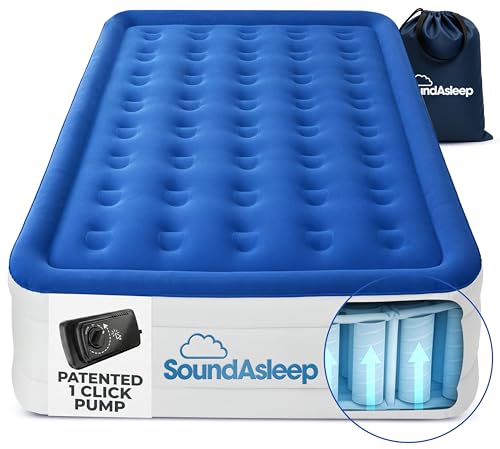
Support comes from the internal structure: coil beam and I beam designs divide the air into chambers so the middle does not balloon up when you lie down. Good pressure relief means your hips and shoulders sink slightly while your waist stays lifted, which keeps the spine in a neutral line. Edge support matters when you sit to dress or share the bed, so look for a raised or reinforced perimeter. If you wake with new numbness, tingling, or pain that spreads down a leg, stop experimenting with firmness and talk with a clinician, and see our guide to the best mattresses for back problems for longer term options.
Durability and Care
Durability shows in welded seams, a pump rated for repeated full inflations, and a repair patch included in the box. A fair pass mark is a warranty of at least one year on the pump and seams, plus a sleep trial or return window of thirty nights or more for home use models. Care should be simple: wipe clean with mild soap, dry fully before storage, and never fold the bed sharply along the same crease every time. Beds stored damp or in hot attics age fastest, whatever the brand promises.
Cooling and Breathability
An air core naturally sleeps temperature neutral, because there is little foam to trap body heat. Heat builds up only when a thick foam topper or a plastic feeling protector sits on top. Gel infused foam and open cell foam breathe better than dense memory foam, and a cotton or bamboo derived cover feels cooler than smooth vinyl against skin. One caution: thread count on a fitted sheet tells you little about cooling, since weave and fiber matter more. Hot sleepers should choose a breathable protector and skip heavy toppers.
Size and Fit
Airbeds come in twin, twin XL, full, queen, and king, with a few California king options, and heights from about 9 inches for camping styles to 18 to 22 inches for home models. Taller beds are easier to get out of, which matters for guests and older sleepers, but they need deep pocket sheets: check the pocket depth on your bedding before the bed arrives. Measure your floor space with the bed inflated, not from the box dimensions, because airbeds grow slightly as they fill. Leave a few inches around the pump for airflow.
Firmness, Loft, and Sleep Position
Firmness on an airbed is adjustable, which is its biggest advantage: add air for a firmer feel or release a little for a softer one. Side sleepers usually need a touch less air so shoulders and hips can sink, while back and stomach sleepers do better with a fuller, flatter surface. Heavier sleepers should choose a structured chamber design, because a simple single chamber bed hammocks under concentrated weight. Change the fill in small steps and sleep a full night before judging, since a bed that feels firm at bedtime softens as the air cools.
Certifications (CertiPUR US, OEKO TEX, RDS)
Certifications answer specific safety questions. CertiPUR US covers foam layers and checks emissions, content, and durability. OEKO TEX Standard 100 on a cover or fitted sheet means the fabric passed tests for harmful substances against skin. RDS, the Responsible Down Standard, only matters if a topper or duvet sold with the bed uses real down rather than a down alternative fill. A listing that names the certifying program and the component it covers is trustworthy; a vague claim of being certified, with no component named, is not.
Three Price Tiers That Pass Our Checklist
Best Overall Tier: Around $80 to $150
The overall tier is where most home buyers should shop. Expect a built in electric pump that inflates the bed in about three to five minutes, a structured chamber design, and a height around 18 inches in queen size. These beds hold air well across several nights, which makes them right for guest rooms and for temporary sleeping during a move or renovation. The common limit in this tier is noise: pumps are functional rather than quiet, and flocked tops can squeak slightly against some sheet fabrics.
Best Value Tier: Under $80
Value tier airbeds suit occasional guests, kids sleepovers, and camping near a power source. You give up some height, usually dropping to about 13 to 16 inches, and the internal structure gets simpler. The smart way to shop this tier is to protect the basics: thick material, a real warranty, and a pump with an automatic shut off. Our guide to the best time to purchase mattresses can help you time a sale. Accept that a value bed is a two or three year product with regular use, not a decade long one.
Best Premium Tier: Around $150 to $300
Premium airbeds add the features that make an airbed feel like a real bed: a secondary pump that silently tops up air during the night, dual chamber firmness controls for couples, and reinforced edges you can sit on. Some add a foam or pillow top layer for pressure relief. This tier makes sense for nightly use over several months, for hosts who entertain often, and for anyone whose back notices small changes in support. The limit is bulk: these are the heaviest models and the least fun to store.
Quick Buyer Checklist
Before you pay, answer these questions. Any no deserves a second look.
- Is the material thickness stated, and is it at least about 0.4 mm or a coated fabric?
- Does the bed have an internal chamber or beam structure rather than one open air space?
- Is the pump built in, and does it state an inflation time?
- Does the stated weight capacity cover your heaviest sleeper with room to spare?
- Will your existing sheets fit the inflated height, including pocket depth?
- Is there at least a one year warranty and a clear return window?
- Is a repair patch included in the box?
Red Flags to Watch For
- Vague material claims with no thickness, structure, or pump details anywhere in the listing.
- No certifications named for foam or fabric, or certification logos with no component identified.
- A pattern of feedback mentioning slow overnight leaks in the first month of use.
- A warranty measured in days rather than years, or one that excludes seams and pumps.
- Weight capacity far below rivals of the same size, which hints at thin material and weak welds.
Setup and Care Tips
Inflate the bed fully and let it sit for a few hours before the first night, because new material stretches and the bed will feel softer by morning; top it up once and it should settle. Keep a mattress protector on top to guard against sweat and small punctures, and wash sheets weekly in warm water as you would for any bed. Store the deflated bed loosely folded in a cool, dry place, and check the air monthly during long guest stays rather than waiting for a flat bed at midnight.
FAQs
How often should I replace my airbed mattress?
Replace an airbed when it needs topping up every night, when a seam leak returns after patching, or when the internal structure fails and the surface bulges unevenly. With regular nightly use that point often arrives in two to four years; guest beds used a few weeks a year last much longer. One point worth knowing: a slow loss on the first night is usually material stretch, not a leak, so judge the bed from the second night onward.
Are cooling airbed mattresses worth it for hot sleepers?
For most hot sleepers, a standard airbed already sleeps cooler than a foam mattress, so a special cooling model is rarely worth a large premium. Spend the money instead on a breathable protector and cotton or linen bedding, which change surface feel more than any gel layer under you. Do check one thing: some flocked tops feel warm and slightly sticky in humid rooms, and a smooth top with a good sheet avoids that problem entirely.
How do I wash airbed mattresses safely?
Wipe the surface with a cloth dampened with mild soap and water, then dry it completely with a towel and open air before deflating. Never submerge the bed, never let water reach the pump intake, and skip bleach and abrasive powders that weaken PVC and flocking. For a stubborn smell, a light sprinkle of baking soda left for an hour and vacuumed off works well. Always let the flocked top dry fully, because packing a damp bed away invites mildew.
Is a higher thread count always better for airbed bedding?
No, a higher thread count is not always better. Past roughly 400, makers often use thinner yarns twisted together to inflate the number, and the sheet can feel heavier without lasting longer. For an airbed, fit matters more: a deep pocket fitted sheet with strong elastic stays put when the surface shifts slightly overnight. A breathable cotton percale around 200 to 300 thread count is a practical sweet spot for most sleepers.
What firmness is best for back pain on an airbed mattress?
A medium firm feel suits most people with back pain, and on an airbed you reach it by inflating fully, then releasing small amounts of air until your hips sit level with your shoulders. Avoid the hammock effect of an underfilled bed, which lets the spine curve all night. If pain persists for more than a few weeks, wakes you at night, or comes with numbness or weakness, see a doctor rather than adjusting bedding, since those signs need medical assessment.
Wrapping Up
Score the structure, the pump, and the warranty first, then fine tune firmness and bedding. Match the tier to how often the bed will be used, and let the checklist, not the photo, make the call. If back comfort drives your choice, talk with your clinician about your personal needs before you settle on a firmness. The best airbed mattresses for your home are waiting in the product table above, and now you know exactly how to check them.