Best Air Rower Machine: Types Compared and How to Choose for 2026
Disclosure: We may earn a commission when you buy through links on this page, at no extra cost to you. As an Amazon Associate I earn from qualifying purchases. Learn more

Compare types of the best air rower machine by frame, resistance feel, storage, noise and cost so you can choose the right rower for your home gym.
Air rowers all use a fan flywheel, yet the machines built around that fan differ a lot in frame strength, monitor quality, storage, and price. That is why two rowers with the same resistance idea can feel like very different purchases once they are in your home. This guide to the best air rower machine compares the main types side by side, explains where each type fits, and gives you a clear way to judge build and space before you order. Start with the comparison table below, then use the type guide to find your match.
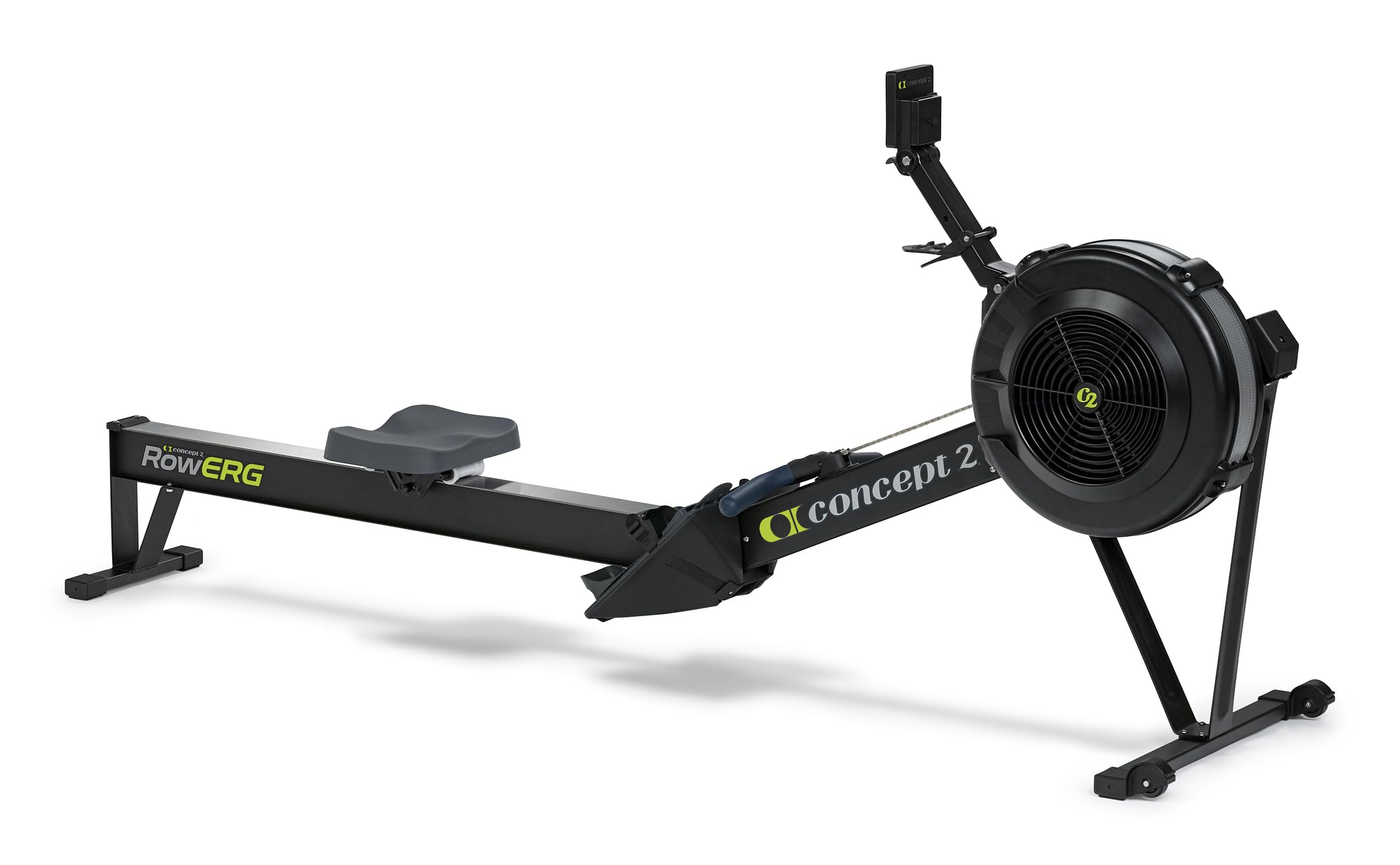

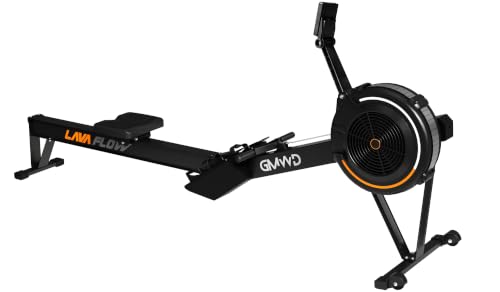


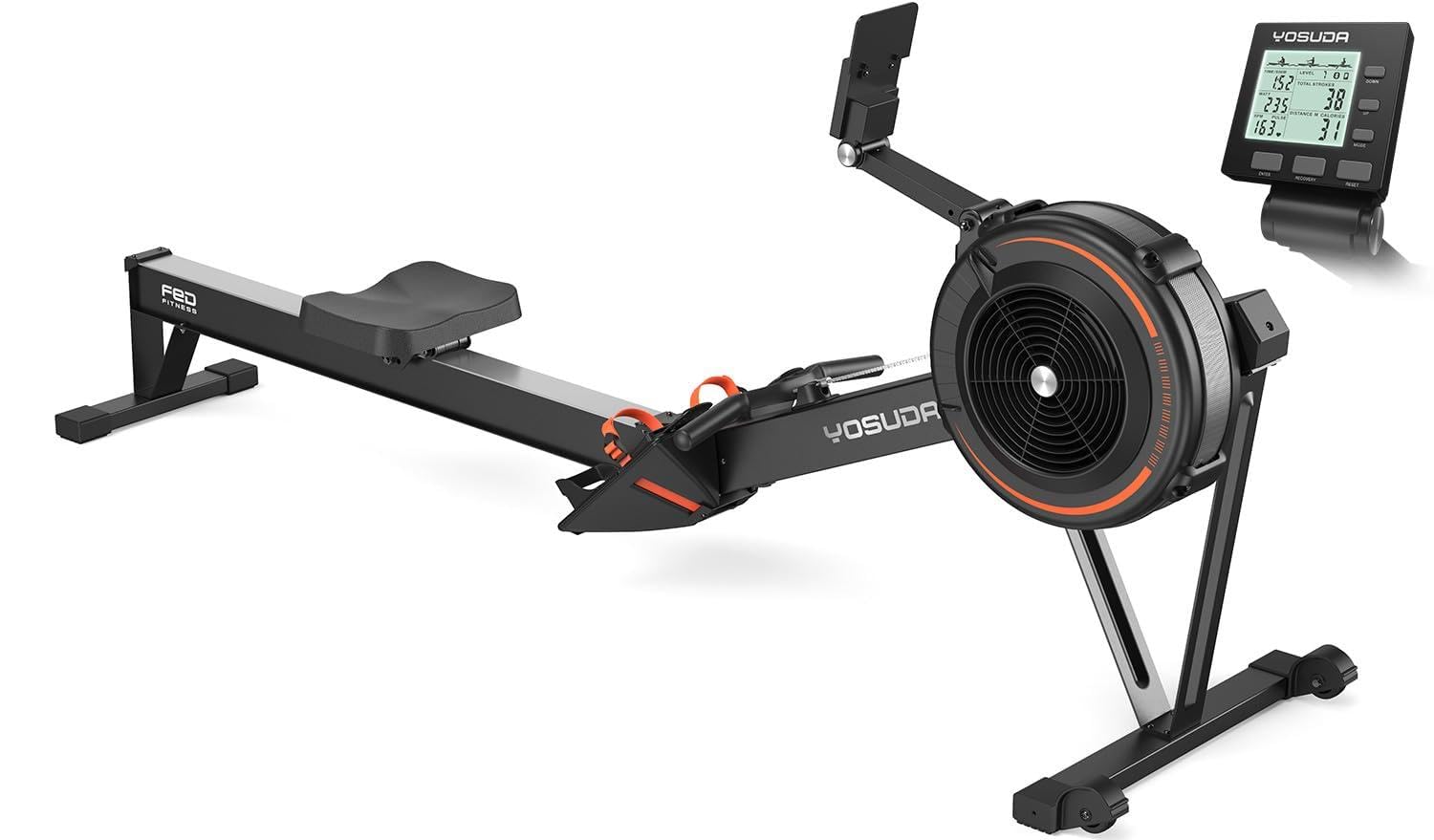

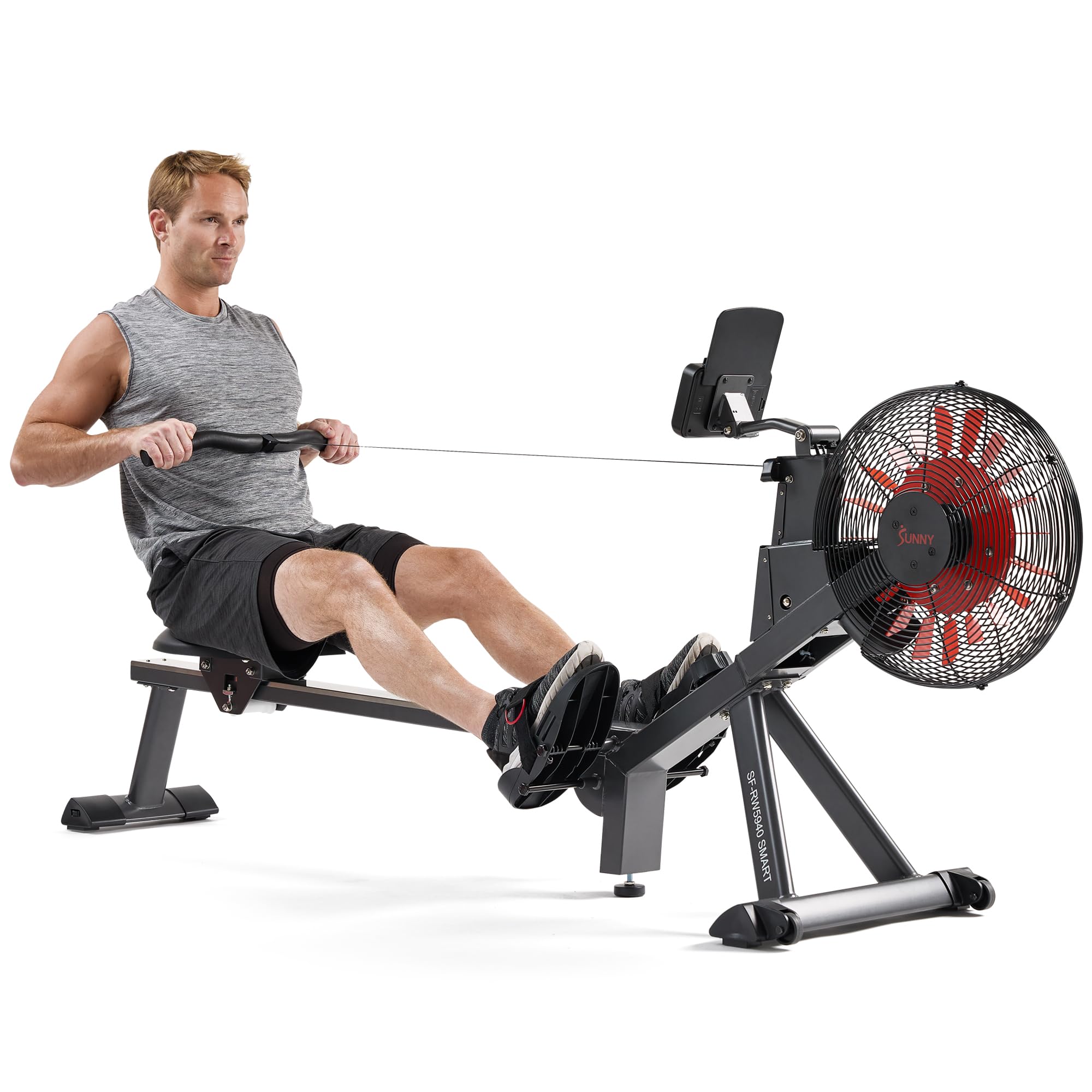
Types of Air Rower Machines Compared
Every air rower gets harder as you pull harder, because fan resistance rises with your effort. The real choice is the platform around the fan: how strong the rail and frame are, how useful the monitor is, how the machine stores, and how long parts will last. The four types below cover nearly the whole market, from gym duty machines to compact models for small homes.
Commercial Grade Models
Commercial grade models use a heavy steel frame, a long monorail, and a fan housing built for daily use by many people. They usually carry the highest weight capacity, often around 400 to 500 lb, and the longest warranties on frame and parts. The rowing feel is smooth and consistent, and chains, handles, and footplates are made to be serviced rather than replaced as a whole. The trade offs are price, often around $900 to $1,400, a large footprint, and more fan noise than quieter resistance types. Choose this type for a dedicated gym space, tall or heavy rowers, and training you plan to keep for years.
Smart Connected Models
Smart connected models pair an air flywheel with a richer monitor, Bluetooth links to training apps, and sometimes a screen or device holder for guided sessions. The value is feedback and structure: pace, distance, watts, and workout history that help you train with a plan. Resistance still comes from the fan, so the feel stays natural and self paced. Expect prices around $700 to $1,300 depending on frame quality. Check whether key features need a paid subscription, and confirm the monitor still works well if you cancel. This type suits data driven rowers who train indoors often.
Budget Starter Models
Budget starter models, often around $250 to $500, use lighter frames, shorter rails, and simpler monitors to reach a lower price. They can be a sensible first step if you are finding out whether rowing fits your routine, and many fold or stand upright for storage. Limits show up in weight capacity, often around 220 to 300 lb, in less stable feel at high power, and in shorter parts warranties. Tall rowers should check rail length with care, because a short rail can cut your stroke. Choose this type for light to moderate use and a tight budget, with a plan to upgrade if rowing becomes your main training.
Compact and Foldable Models
Compact and foldable models are built around storage. Some split into two pieces, some fold the rail up, and some stand on end against a wall. They fit apartments, spare bedrooms, and shared living spaces where a full length machine cannot stay out all day. The compromise is usually a shorter rail, a lower weight capacity, and a frame that feels less planted during hard intervals. Measure both the in use length and the stored footprint, because a rower that stores small but needs a long clear floor to use can still fail in a small room. This type suits space limited homes with regular but not extreme training loads.
Commercial Grade Models vs Smart Connected Models: Which Should You Choose?
Compare these two premium paths on what you will notice each week. For frame and lifespan, commercial grade wins, with heavier steel, higher capacity, and serviceable parts. For guidance and motivation, smart connected wins, with app workouts, richer metrics, and easy tracking over time. For noise and simplicity, commercial grade is plainer but has fewer electronics to maintain, while connected models add screens and firmware to manage. For total cost, add any subscription to the connected price across three years before you judge. Choose commercial grade if you already follow a training plan and want the machine to last. Choose smart connected if structure and feedback are what keep you consistent. Either way, confirm rail length, capacity, and warranty before you pay for features.
How to Choose the Right Air Rower Machine
Once the type is clear, four checks separate a good purchase from a return. Work through warranty, space, build, and resistance in that order, and write down your room measurements and user weights before you shop so listings cannot move your standards.
Warranty for Frame, Parts, and Labor
A strong warranty signals how the maker expects the machine to age. Look for a long frame cover, often 5 to 10 years on better models, with shorter cover for parts and labor. Ask what counts as a wear part, such as the chain, handle strap, and seat rollers, and whether those parts are sold separately at a fair price. A rower with cheap and available spares can outlast a costlier machine with no parts support. Keep your proof of purchase and register the product if the maker asks.
Space, Footprint, and Ceiling Height
Most air rowers need about 8 to 9 feet of length and about 2 feet of width in use, plus room behind the rail for your body at the back of the stroke. Ceiling height matters if you store the machine upright or split it for storage, so measure the stored height against your ceiling and door frames. Leave space to walk around the machine for cleaning and chain care. A mat underneath protects floors and makes the footprint easy to see before you commit to a layout.
Build Quality and Weight Capacity
Judge build by frame material, rail design, and the stated weight capacity with a margin above your own weight and training force. A steel frame and a single solid rail usually feel more stable than light multi piece frames. Check seat rollers, footplate adjustment, and handle grip, because these touch points decide comfort on longer rows. If you are comparing resistance styles, our guide to the best magnetic rower machine explains how magnetic models trade the air fan feel for quieter operation.
Resistance Type and Range
Air resistance has no fixed levels in the magnetic sense. Your effort sets the load, and a damper lever changes how much air reaches the fan, which changes the feel of each stroke rather than setting a true resistance level. A lower damper suits quicker and lighter strokes, while a higher damper feels heavier and slower. This self pacing is why air rowers suit both gentle steady rows and hard intervals. If you want silent late night training, compare carefully with magnetic resistance before you decide.
Tips to Get the Most From Your Air Rower Machine
- Use a mat to protect floors and reduce noise, and place it on a level surface so the frame does not rock.
- Wipe down the rail, handle, and seat after each workout, because sweat and dust make rollers feel rough over time.
- Tighten bolts monthly during the first season, then check them each season once parts have settled.
- Learn sound form first: push with the legs, swing the hips, then draw the arms, and reverse that order on the way forward.
- Start with short and steady sessions and add time before you add intensity, so joints and grip adapt safely.
Form is the know how point that protects both results and comfort. Film one short set from the side each month and look for a flat back, relaxed shoulders, and a handle path that stays level. If you feel pain in your back, knees, or shoulders, stop and get advice from a qualified coach or clinician before you build volume. Readers who train for on water rowing can see our guide to the best rowing machine for rowers for needs that go beyond general fitness. For broader model comparisons, see our guide to the best rated rower machine as a starting point for ratings based shopping.
Air Rower Machines: Your Questions Answered
How long does an air rower machine last?
A well built air rower can last many years, often a decade or more in home use, because the fan design is simple and parts can be serviced. Life depends on frame quality, chain care, and how often the machine is used at high power. Budget models with lighter frames and limited parts support tend to wear sooner. Cleaning the rail and checking bolts and the chain on schedule will extend the life of any type.
Which type of air rower is better for beginners?
A mid priced sturdy model or a compact model with a clear monitor is usually the best start, because it feels stable and teaches pace without a large cost. True beginners benefit more from good form and a rail that fits their height than from premium features. Budget models are fine for testing interest, but check capacity and rail length first. Whatever you choose, begin with short sessions and build gradually.
Is an air rower quiet enough for an apartment?
An air rower makes a whooshing fan sound that rises with effort, so it is louder than a magnetic rower during hard work. On a mat, at moderate pace, and with doors closed, many apartment users manage well during daytime hours. Late night high intensity sessions are the hardest case. If thin walls and night training are central to your life, weigh a magnetic model seriously before you buy.
Is a subscription required for a smart air rower?
Usually no for basic rowing, because the monitor will still show pace, distance, time, and watts without a paid plan. A subscription is more often tied to guided classes, extra programs, or app history features. Check exactly what stops working if you cancel, and add the yearly plan cost to the machine price. A connected model should still make sense as a plain rower if you drop the plan later.
How much space do I need for an air rower machine?
Plan on about 8 to 9 feet of clear length and about 2 feet of width while rowing, plus safe space to step on and off. Stored size varies by type, from a split design in a closet to an upright machine that needs ceiling clearance. Measure your room, your storage spot, and the path between them, including door turns. A machine that is easy to move will be used more in a shared home.
Final Thoughts
Pick the type that fits your space and training style, then confirm capacity, rail length, and warranty before you spend on extras. The product table above will help you compare those basics across current options. Chosen with care, the best air rower machine gives you simple, self paced, full body training that can stay useful in your home for years.