Best Air Purifiers with UV Light: Buying Guide for 2026
Disclosure: We may earn a commission when you buy through links on this page, at no extra cost to you. As an Amazon Associate I earn from qualifying purchases. Learn more

Use this buying guide for the best air purifiers with uv light to compare CADR, True HEPA filtration, UV safety, noise and room size before you buy.
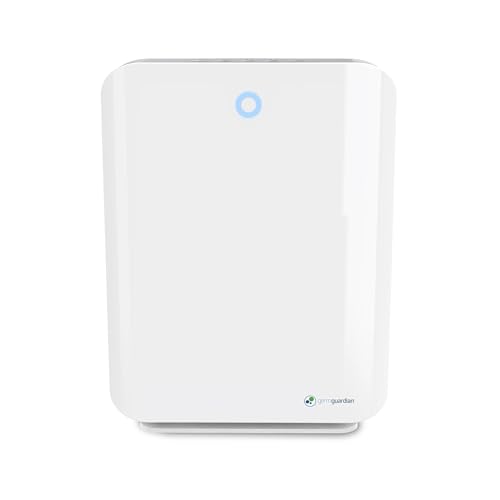
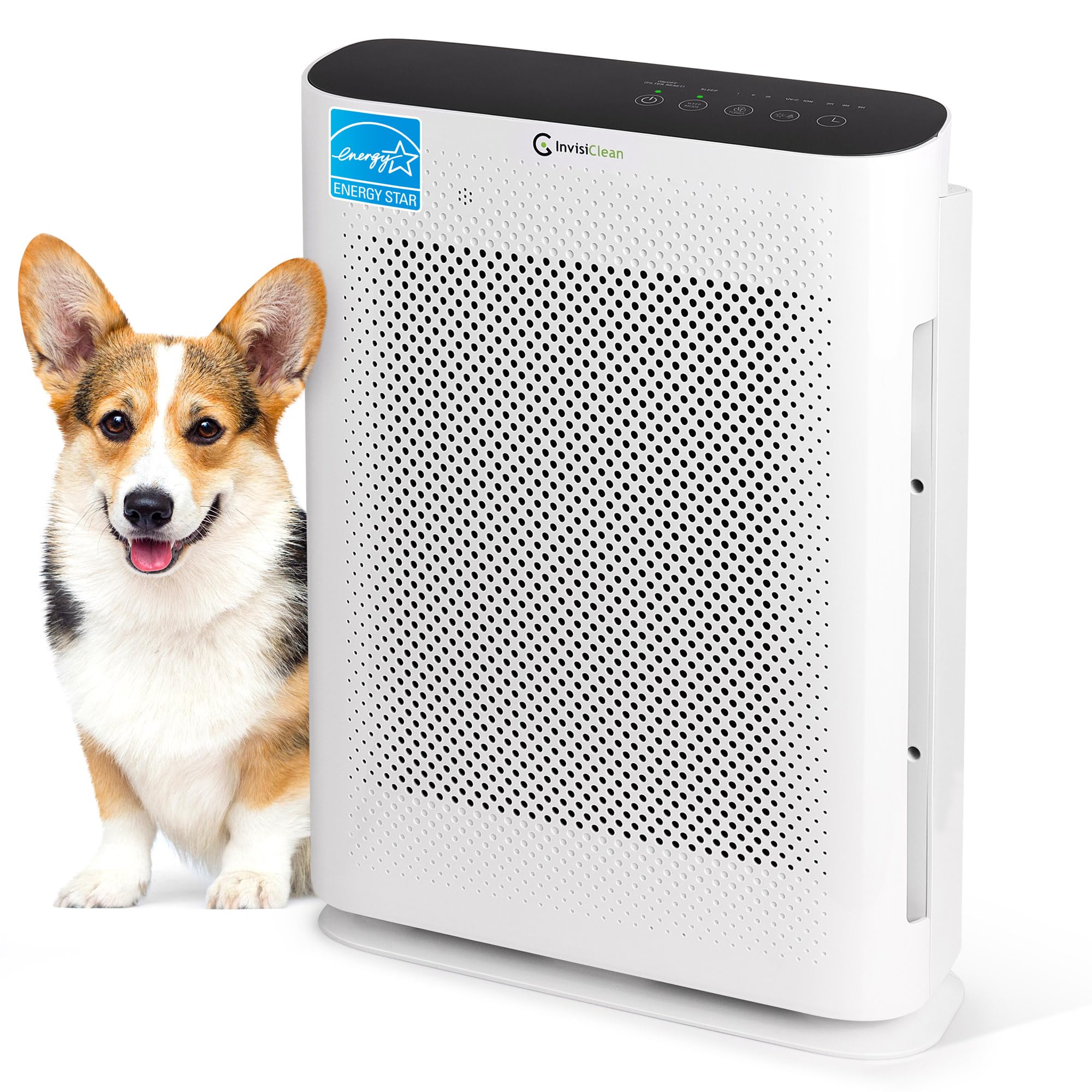
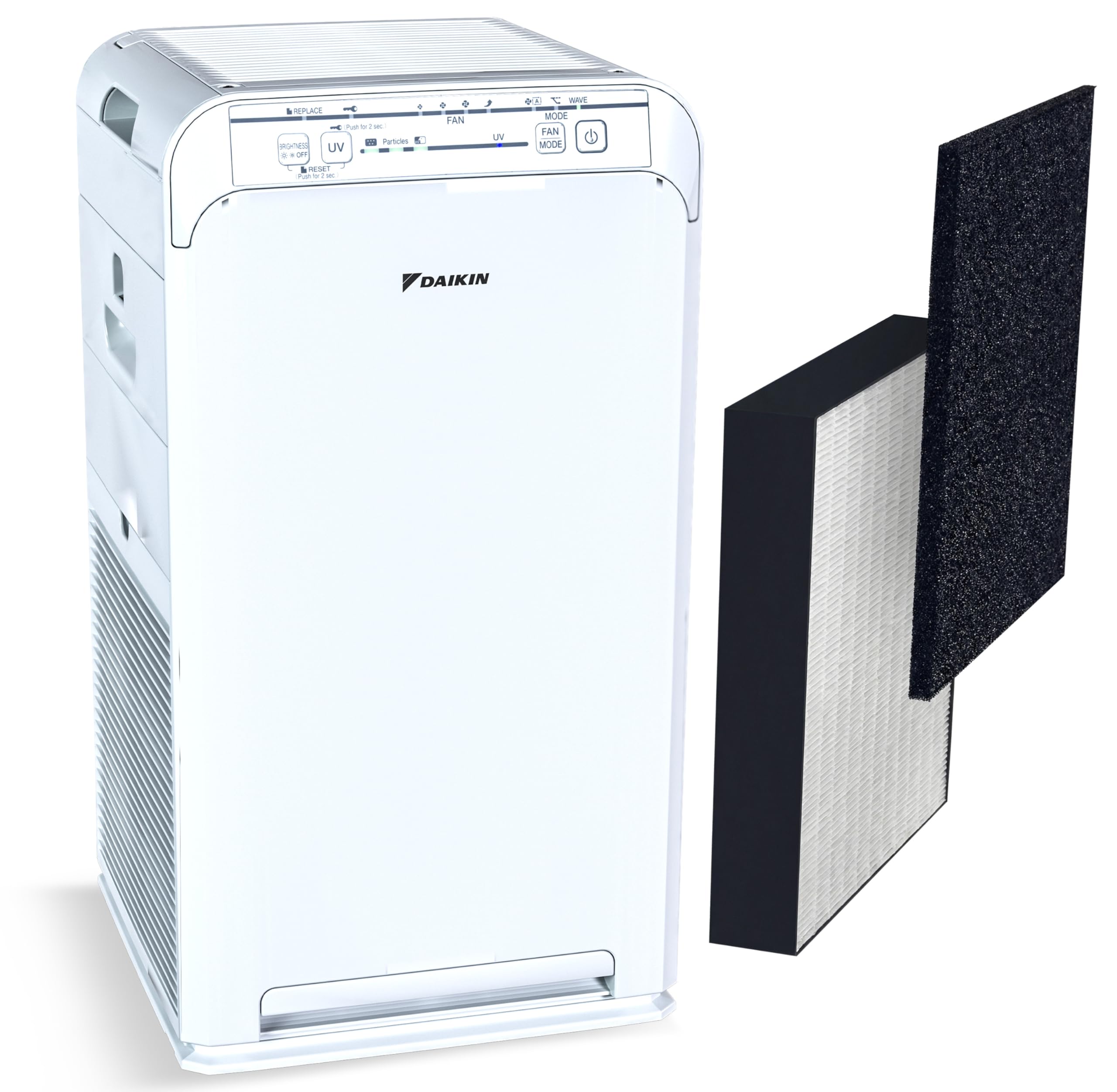
UV light sounds like a simple extra layer of cleaning, but it should never be the main reason you choose a purifier. Filtration, room fit, and safe lamp design matter far more for daily results. This guide to the best air purifiers with uv light explains what UV can and cannot do, which specs prove real cleaning power, and where buyers often waste money. Start with the comparison table below, then work through the buying guide to match a model to your room, your health needs, and your budget.




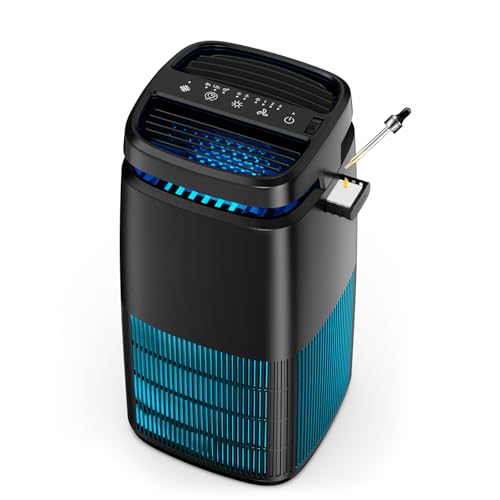

How to Judge UV Models at a Glance
Think of UV as a supporting feature inside a sealed chamber, not as a room disinfecting system. Air must pass close to the lamp for long enough to matter, and fast airflow can limit that exposure. The strongest reason to consider a UV model is a well built filtration system that also keeps the lamp fully enclosed and easy to maintain.
Overall Profile
The strongest overall profile pairs True HEPA filtration and a solid carbon stage with an enclosed UV lamp you can turn off if you wish. It should carry a CADR rating suited to your room, run quietly on low, and use a sensor only as a helper rather than a substitute for correct sizing. Lamp replacement should be simple, with clear pricing and a stated lamp life in hours. If a listing leads with UV and barely explains its filters, treat that as a warning sign.
Value Profile
A good value profile skips decorative extras and puts money into filter size, sealing, and a fan that can clean a bedroom or office without constant turbo use. Around $120 to $220 is a common range where you can find honest CADR ratings and replaceable UV bulbs without paying for large room hardware you do not need. Check the yearly cost of the HEPA filter, carbon filter, and bulb together, because a low purchase price can hide high upkeep.
Premium Profile
Premium UV models, often around $300 to $600, should offer more than a lamp. Expect higher CADR for large rooms, more carbon for odors and smoke, better build quality, and clearer safety certification. Some add detailed air quality displays and scheduling that help you run the unit hard when a room is empty and quietly when you return. Pay this much only when the room is large, odor load is high, or you need the unit to serve an open plan area every day.
How to Choose an Air Purifier With UV Light
The buying decisions below apply to every UV model, whether it is a small portable unit for a bedroom or a large unit for a family room. Read them in order, because room fit and filtration decide most of your result before UV enters the picture at all.
Why Choose an Air Purifier With UV Light
UV light inside a purifier is aimed at microbes that collect on or pass near the lamp, and some owners like that extra step during cold and flu season. Its limits are just as important: UV does not trap dust, pollen, or dander, and it does not remove odors or gases. Choose UV if you value the added feature in a sealed design. Skip it if the model sacrifices filter quality, raises upkeep too much, or cannot be switched off.
Room Size and Coverage
Start with square feet and CADR. For most homes, aim for about 4 to 5 air changes per hour in the room where the unit will run most. AHAM publishes room size guidance tied to CADR, which is more useful than a vague maximum area claim. Buying a little extra capacity lets you use a lower and quieter fan setting. If you are comparing broader options, see our guide to the best home air purifiers for how room by room sizing changes the plan.
Filter Type and Replacement Cost
True HEPA media is the workhorse for particles, while activated carbon helps with odors, cooking smells, and some gases. Ask how thick the carbon stage is, how often each filter needs replacement, and what a full set costs each year. A UV bulb is another consumable, often lasting about a year of regular use. Add bulb and filter costs together before you judge value, and confirm that parts are easy to order and not tied to a single seller.
Installation and Placement
Most UV purifiers need no installation beyond unboxing, leveling the unit, and removing filter packaging before first use. Place it on a hard and stable surface with clearance around the intake and outlet, away from curtains and soft bedding that can block airflow. Keep it in the room where you spend the most hours, with doors mostly closed while it runs. Never look directly at an exposed UV lamp, and choose only designs where the lamp is fully shielded during normal use.
Noise Level and Sleep Mode
Check the noise level on low, not just the lowest number in marketing copy. Bedrooms and nurseries need a low setting that will not disturb sleep and a sleep mode that dims lights and slows the fan. Remember that a very quiet setting also cleans more slowly, which is another reason to size up. If you work from home, test how the medium setting sounds during calls, because that may be the setting you use most during the day.
Performance Ratings That Matter
CADR tells you how fast a unit delivers cleaner air for dust, pollen, and smoke, and higher numbers suit larger rooms. Ignore ratings that do not fit purifiers, and be wary of any listing that hides CADR behind vague area claims. ENERGY STAR certification can signal lower power use for the cleaning delivered. A smart sensor that samples air quality and adjusts fan speed can help, but only when the base filtration and CADR are already right for the room.
Smart Controls and Sensors
Useful smart features include a particle sensor, a clear display, a timer, and app alerts when a filter or bulb needs attention. Wifi control can help you start the unit before you get home or run it hard while a room is empty. None of this replaces a good filter seal or correct placement. If you prefer simple controls, a manual dial model with honest ratings will serve you better than a connected model with weak filtration. For a wider comparison of cleaner styles, see our guide to the best air cleaners and purifiers.
Types of Air Purifiers With UV Light
UV models fall into a few broad types, and the type should follow your room and routine. A small unit that you will move and clean is better than a large unit that ends up unplugged in a corner.
Portable Units
Portable units suit bedrooms, offices, and rentals where you may move the purifier as needs change. They are easy to place and clean, and bulb and filter changes are usually simple. Their limit is capacity, so most will struggle in a large open plan room. Choose this type when one room matters most and you want the option to move the unit at night.
Large Room and Whole Home Units
Larger units bring higher CADR, bigger filters, and longer intervals between filter changes, at the cost of size, weight, and price. They fit living rooms, open kitchens, and homes with pets that shed heavily. True whole home cleaning usually needs either a very large unit placed centrally or more than one unit in key rooms. Be honest about floor space and noise before you buy the biggest model.
Smart and Wifi Models
Connected models add sensors, schedules, and remote control, which can help in homes with changing occupancy. They suit owners who like data and will use alerts for filter and bulb care. The trade off is higher price and more electronics that can fail. If you are shopping on a tight budget, our guide to the best inexpensive air purifiers shows where simple designs can still deliver solid particle cleaning without UV or app extras.
How to Make Your Air Purifier Last Longer
- Replace or clean filters on schedule, because a loaded filter strains the fan and reduces airflow through the UV chamber.
- Keep doors and windows mostly closed while the unit runs, so cleaned air is not replaced at once by outdoor pollen and dust.
- Leave clearance around the intake and exhaust, and vacuum the exterior vents with a soft brush each month.
- Wipe the sensor lens gently as the manual directs, since a dusty sensor can misread air quality and run the fan at the wrong speed.
- Track bulb hours if the unit does not, and replace the UV bulb on time rather than waiting for visible dimming.
- Vacuum and dust the room regularly, because source control lowers the load on every filter stage.
One more know how point: run the purifier before you need the room, not only after odors or dust are already strong. Starting it an hour before bedtime lets the quieter setting do more of the work. Readers who want combined moisture and cleaning should compare carefully with our guide to the best humidifiers air purifiers, since combo units involve extra tank cleaning and different trade offs.
Air Purifiers: Your Questions Answered
What size air purifier do I need for my room?
Measure your room in square feet and choose a CADR that supports about 4 to 5 air changes per hour for allergy or smoke needs. A small bedroom often needs only a modest portable unit, while a living room over 300 square feet needs a larger model. When in doubt, size up so you can run a lower and quieter setting and still clean the air at a useful rate.
How often should I replace the filter in a UV air purifier?
Most HEPA filters last about 6 to 12 months and carbon filters often need earlier replacement when odors return. The UV bulb follows its own schedule, commonly around 8,000 to 11,000 hours or as the manual states. Heavy pet use, smoke, and dusty homes shorten every interval. Use the indicator as a prompt, then confirm by sight, smell, and the calendar.
Do air purifiers with UV light really work?
Yes for particles, when the unit has True HEPA filtration, good sealing, and the right CADR for the room. The UV stage may help with microbes near the lamp, but it is not the main cleaning method and it does not remove dust or odors by itself. Think of filtration as the engine and UV as an optional extra, and judge any model on that basis first.
Where is the best place to put a UV air purifier?
Place it in the room you use most, on a firm surface with open space around the intake and outlet. Keep it a short distance from walls and furniture, near the main particle source but not hidden behind it. Bedrooms benefit from placement where cleaned air can reach the bed without the fan blowing directly on you. Keep the lamp access panel closed and cords away from foot traffic.
Is a UV air purifier expensive to run all day?
No, most home units cost modestly to run on low and medium, similar to a small fan. Turbo raises power use, so automatic mode can save money by slowing down when the sensor reads clean air. Add the yearly filter and bulb cost to your estimate, because upkeep usually costs more than electricity over a full year of daily use.
Wrapping Up
Choose filtration and room fit first, safety and bulb upkeep second, and smart extras last. Compare the options in the product table above with those priorities in mind, and be skeptical of any model that sells UV as a substitute for a real filter. When the basics are right, the best air purifiers with uv light can give you strong particle cleaning with an added UV step you understand and can maintain.