Best Air Purifiers with Reusable Filters: Budget, Midrange, and Premium Guide for 2026
Disclosure: We may earn a commission when you buy through links on this page, at no extra cost to you. As an Amazon Associate I earn from qualifying purchases. Learn more
Compare the best air purifiers with reusable filters by room size, CADR, noise and care costs with this clear buying guide and simple home checklist.
Reusable filter models can look like an easy way to cut waste and avoid repeat filter bills, yet prices and cleaning demands vary a lot. Some units use a washable prefilter over a disposable main filter, while others use a permanent filter you vacuum or rinse on a set schedule. This guide to the best air purifiers with reusable filters helps you judge where extra money truly improves cleaning power, quiet operation, and ease of care. Compare the options in the comparison table below, then use the tiers and checklists here to narrow your choice.
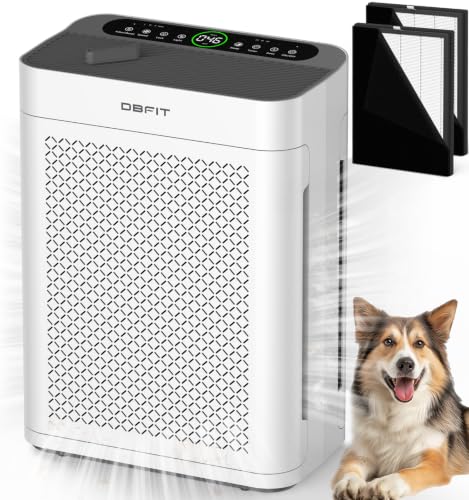
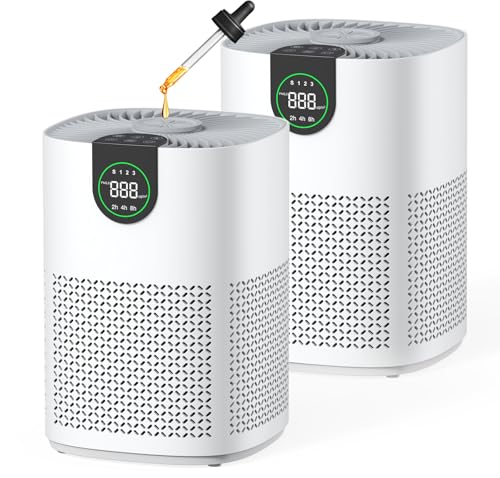
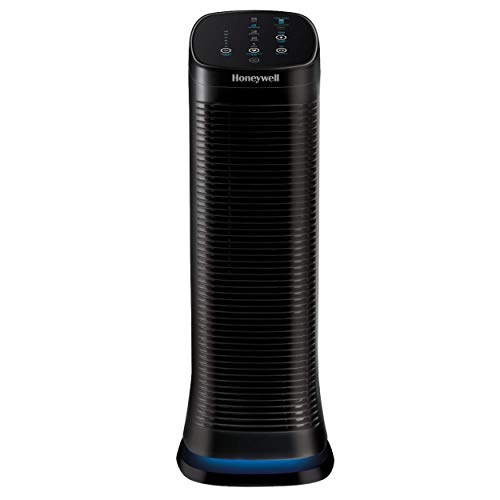


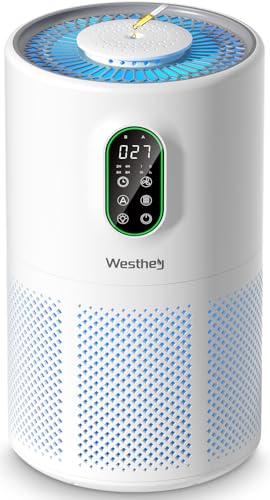

How to Shop by Budget Without Overpaying
Start with your room and your tolerance for upkeep, not with the lowest price. A reusable filter only saves money if you will clean it on time and if the rest of the filtration still matches your needs for dust, pollen, pet dander, or smoke. The three budget levels below describe what to prioritize at each spend, what trade off to expect, and who should move up a tier.
Budget Tier Priorities
At the budget level, around $80 to $150, put clean air delivery and simple controls ahead of apps and decorative extras. Look for a washable prefilter that lifts out without tools, a clear filter cleaning reminder, and a fan that is strong enough for a bedroom or small office. Expect mostly manual settings, a smaller coverage rating, and a main filter that may still need replacement even when the outer filter is reusable. This tier suits a single small room and a buyer who is happy to vacuum the prefilter every few weeks.
Midrange Tier Priorities
Midrange models, often around $150 to $300, usually add a larger filter area, better sealing around the filter frame, and an air quality sensor that adjusts fan speed for you. That combination matters because leaks around a filter can matter as much as the filter media itself. You may also get a quieter sleep setting and a reusable metal or foam prefilter that is easier to rinse and dry. For most living rooms and primary bedrooms, this is the level where daily use feels least fussy and cleaning stays quick.
Premium Tier Priorities
Premium models, often around $300 to $550, should earn their price with higher CADR for large rooms, stronger carbon filtration for odors, and construction that makes cleaning simple rather than messy. Look for tool free access, washable parts that dry fast, and replacement parts that will stay available for years. Extra displays and voice control are nice, but they are not the reason to pay more. Choose this tier for open plan spaces, heavy pet use, or wildfire smoke concerns where you need sustained power without constant manual adjustment.
What Your Money Gets You at Each Price Tier
The same reusable label can hide very different designs. Read the product details closely to learn which part is reusable, which part is disposable, and how the maker tells you to clean each part. A model that saves you one filter purchase a year but needs long drying time may suit a patient owner and frustrate someone else.
Budget Tier: What to Expect
Budget units are usually portable units built for one small room. Controls are often buttons or a simple dial, and the reusable part is commonly a washable prefilter that catches hair and large dust before air reaches the main filter. Noise on the highest setting can be noticeable, and odor control is often light because the carbon layer is thin. Plan on more hands on care and less automation.
Midrange Tier: The Sweet Spot for Most Buyers
Midrange units tend to balance coverage, noise, and care in a way that fits most homes. A smart sensor can raise fan speed when cooking or cleaning stirs up particles, then drop back down when air clears. Filter frames often seal better, housings feel sturdier, and cleaning intervals are clearer. If you want guidance on related designs, see our guide to the best hepa filter air purifiers for how True HEPA media differs from looser HEPA type claims.
Premium Tier: When Spending More Pays Off
Premium units justify the jump when you need more air changes in a large room, not just a longer feature list. Larger intakes, dual filters, and more carbon by weight help with persistent odors and smoke. Some use permanent filter systems that you vacuum rather than wash, which can reduce drying downtime. Warranty length and parts support also improve at this level, and those details matter for a machine you may run daily for years.
Features Worth Paying For and Ones to Skip
A short feature list can be more useful than a long one. Focus on coverage, sealing, filter care, and sound, then treat lights, decorative panels, and extra scent features as extras you can skip. The points below help you compare spec sheets without getting lost in marketing terms.
Room Size and Coverage
Match CADR to your room in square feet and aim for about 4 to 5 air changes per hour when allergies or smoke are a concern. AHAM guidance links CADR to room size, so a rating that only lists a maximum area with no CADR deserves extra caution. Leave space around the intake and outlet when you measure. A unit that fits the room on paper but sits blocked behind furniture will not clean as well in real use.
Safety Features
Look for recognized electrical safety certification such as UL or ETL listing and, for performance claims, AHAM verification where available. A stable base, guarded fan intake, and an automatic shutoff if a panel opens are practical pluses in homes with children or pets. Avoid any model that produces ozone as part of cleaning unless you fully understand the health concerns. If anyone in the home has asthma, talk with their clinician about what type of cleaner is appropriate.
Filter Type and Replacement Cost
Reusable does not always mean every filter lasts forever. Many designs pair a washable prefilter with a True HEPA filter and a carbon filter that still wear out. Ask how often each part needs cleaning or replacement, what a full year of care costs, and whether you must wait for a washed part to dry fully before reuse. Readers comparing close designs may also find our guide to the best air purifiers with washable filters useful for the small wording differences that change upkeep.
Noise Level and Sleep Mode
Noise level matters most in bedrooms, nurseries, and home offices where the purifier runs for hours. Look for a stated sound level on the lowest setting and a sleep mode that dims display lights. A low setting near the level of a quiet room will be far easier to live with than a lowest setting that still hums through calls or sleep. Remember that the quietest setting also moves the least air, so size the unit so low or medium can still do useful work.
Why Choose an Air Purifier With Reusable Filters
The main gains are less waste, fewer repeat purchases, and a routine that can cost less over several years if you follow it. The trade off is your time and attention, because a clogged reusable filter cuts airflow and cleaning power. These models fit owners who like simple maintenance and keep a calendar reminder. If you know you will forget washing and drying steps, a model with a longer life disposable filter may serve you better despite higher running costs.
Long Term Costs to Factor In
Add up electricity, any disposable stages that remain, cleaning supplies, and likely replacement of worn seals or prefilters over three to five years. ENERGY STAR certified models can lower power use when you run the unit all day, but fan speed matters more than the label alone. Check warranty terms for the motor and electronics, and confirm that filters and washable parts are sold by more than one retailer. Readers who want a broader view of placement and whole home use can see our guide to the best home air purifiers before they commit to a single room plan. Also keep the manual, because using water or soap on a filter that should only be vacuumed can ruin it and void support.
Care routine is a practical know how point many buyers miss. Set a phone reminder for the first cleaning date, and note how long a washed filter needs to dry in your home. Keep a simple log on the unit with tape if needed. A second know how point is placement: run the purifier in the room where you spend the most time with doors mostly closed, and keep it at least a few inches from walls and curtains so intake air can reach it freely. For general background on cleaner types, see our guide to the best air cleaners and purifiers and compare how mechanical filtration differs from electronic methods.
Air Purifiers: Your Questions Answered
How often should I replace the filter in an air purifier with reusable filters?
You replace only the parts the maker marks as disposable, and you clean the reusable parts on their stated schedule. Many prefilters need washing or vacuuming about once a month, while a main HEPA stage may last 6 to 12 months. Shorten the interval if you have shedding pets or visible dust builds up fast, and never run the unit with a damp filter unless the manual allows it.
Is an air purifier with reusable filters expensive to run all day?
No, most home units use about as much power as a light bulb or small fan on low and medium settings. Cost rises on turbo, so an automatic mode with a smart sensor can save money by slowing the fan when air is already clean. Check the watt rating and your local power price for a closer estimate, and favor ENERGY STAR models if the unit will run in a bedroom overnight.
Do air purifiers with reusable filters really work?
Yes, a well sealed unit with True HEPA filtration can reduce airborne dust, pollen, and pet dander when it is sized correctly and run long enough. Reusable prefilters help by catching large particles before they load the main filter. They do not remove gases unless the unit also has enough activated carbon, and they do not replace ventilation, cleaning, or medical care for allergies or asthma.
What size air purifier do I need for my room?
Choose a CADR that fits your room area and ceiling height, with extra capacity if you want to run the fan on a quieter setting. For a bedroom of about 150 square feet, a modest portable unit is often enough. For a living room of 300 square feet or more, look for a higher CADR and plan on 4 to 5 air changes per hour if smoke or strong allergy triggers are present.
Where is the best place to put an air purifier with reusable filters?
Put it in the room you use most, on a hard floor or stable surface, with clear space around the intake and outlet. Keep it near the main source of particles, such as a pet resting area or a bedroom door, but not hidden behind a sofa. Avoid corners that trap airflow, and keep cords out of walkways. Moving a portable unit between a living room by day and a bedroom at night is fine if you will actually do it.
Wrapping Up
Decide by room size first, then by how much cleaning you will truly do, and then by noise on the setting you will use most. The product table above can help you compare coverage and care demands side by side. If you want lower waste and lower repeat filter spending and you will keep the routine, the best air purifiers with reusable filters can be a smart and practical fit for your home.