Best Air Purifiers for Removing Smoke: What Actually Matters Before You Buy for 2026
Disclosure: We may earn a commission when you buy through links on this page, at no extra cost to you. As an Amazon Associate I earn from qualifying purchases. Learn more

Use this checklist to choose the best air purifiers for removing smoke, with clear guidance on CADR, carbon filters, room size, noise, and running costs.
Smoke is two problems at once: tiny particles you can see in a haze and invisible gases that carry the lingering smell. A checklist built for dust alone will not solve both, so this guide scores best air purifiers for removing smoke on particle capture, carbon weight, room coverage, and honest running costs. Use the criteria below to judge any model in the comparison table below before you spend anything.
Work through each section in order. By the end you will know which numbers to trust, which claims to ignore, and what a fair price looks like for your room size.



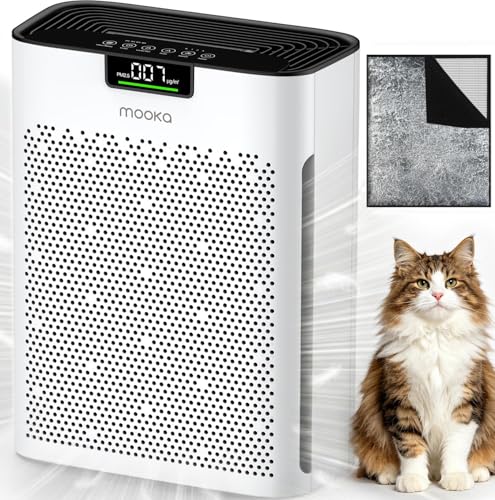
How We Evaluate Air Purifiers
Every unit is judged against the same thresholds, so a compact bedroom model and a large living room unit are held to standards that fit their jobs. A score only counts when the maker publishes the underlying number, because a claim you cannot verify is just advertising.
Features That Matter for Removing Smoke
Smoke particles are far smaller than dust or pollen, so you need a True HEPA filter rated to trap particles down to 0.3 microns, paired with a deep bed of activated carbon for gases and odor. A thin carbon sheet is a weak point: look for carbon measured in pounds rather than a light coating. A smart sensor that reacts to rising particle levels is useful, but filtration depth matters more than app features.
Room Size and Coverage
Match the unit to your room in square feet, then check the air changes per hour. For smoke, aim for 4 to 5 air changes per hour, which means the clean air delivery rate should suit a room noticeably smaller than the maximum area printed on the box. A unit rated for 500 square feet will clear smoke well in a room of about 250 to 300 square feet. Oversizing slightly is smart because you can run a bigger unit on a quieter speed.
Performance Ratings (CADR, BTU, Pints/Day, CFM)
CADR, the clean air delivery rate, is the number that matters here, and it is listed separately for smoke, dust, and pollen. Always read the smoke CADR figure, since it is usually the lowest of the three. BTU and pints per day belong to air conditioners and dehumidifiers, not purifiers, so ignore them on a purifier listing. CFM describes raw fan airflow and is less useful than CADR, which measures air that has actually been cleaned.
Safety Features
Look for UL or ETL certification, which confirms the electrical parts passed independent safety checks, and AHAM verification, which confirms the published CADR was measured by a standard method. Tip over shutoff and overheat protection matter in homes with pets or children who might knock a tower unit. Avoid any device that produces ozone as a cleaning method, because ozone irritates lungs and adds a new pollutant while removing an old one.
Energy Efficiency and Operating Cost
A purifier only works while it runs, and smoke control usually means running it for many hours a day. Check the watt draw on the speed you will actually use, not just the lowest setting. ENERGY STAR certified models use less power for the same clean air output. A typical midsize unit running all day on a medium speed often costs only a few dollars a month in electricity, so filter costs, not power, dominate the real budget.
Filter Type and Replacement Cost
Price the replacement filter before you buy the machine. A True HEPA filter usually lasts 6 to 12 months, but heavy smoke shortens that life because carbon saturates faster than the HEPA layer wears out. Add up one full year of filters and compare that figure across models; a cheap unit with costly filters can pass a pricier unit within two years. Washable prefilters help by catching lint and pet hair before they clog the main filter.
Installation and Placement
Purifiers need no installation beyond unboxing, removing the plastic wrap from the filters, and plugging in. Placement does the real work: keep at least a foot of clearance around the intake and the outlet so air can circulate freely. Put the unit in the room where smoke gathers, not in a hallway, and keep it away from corners where airflow stalls. If smoke drifts in from a patio door, placing the unit near that entry path clears it faster.
Three Profiles That Pass Our Checklist
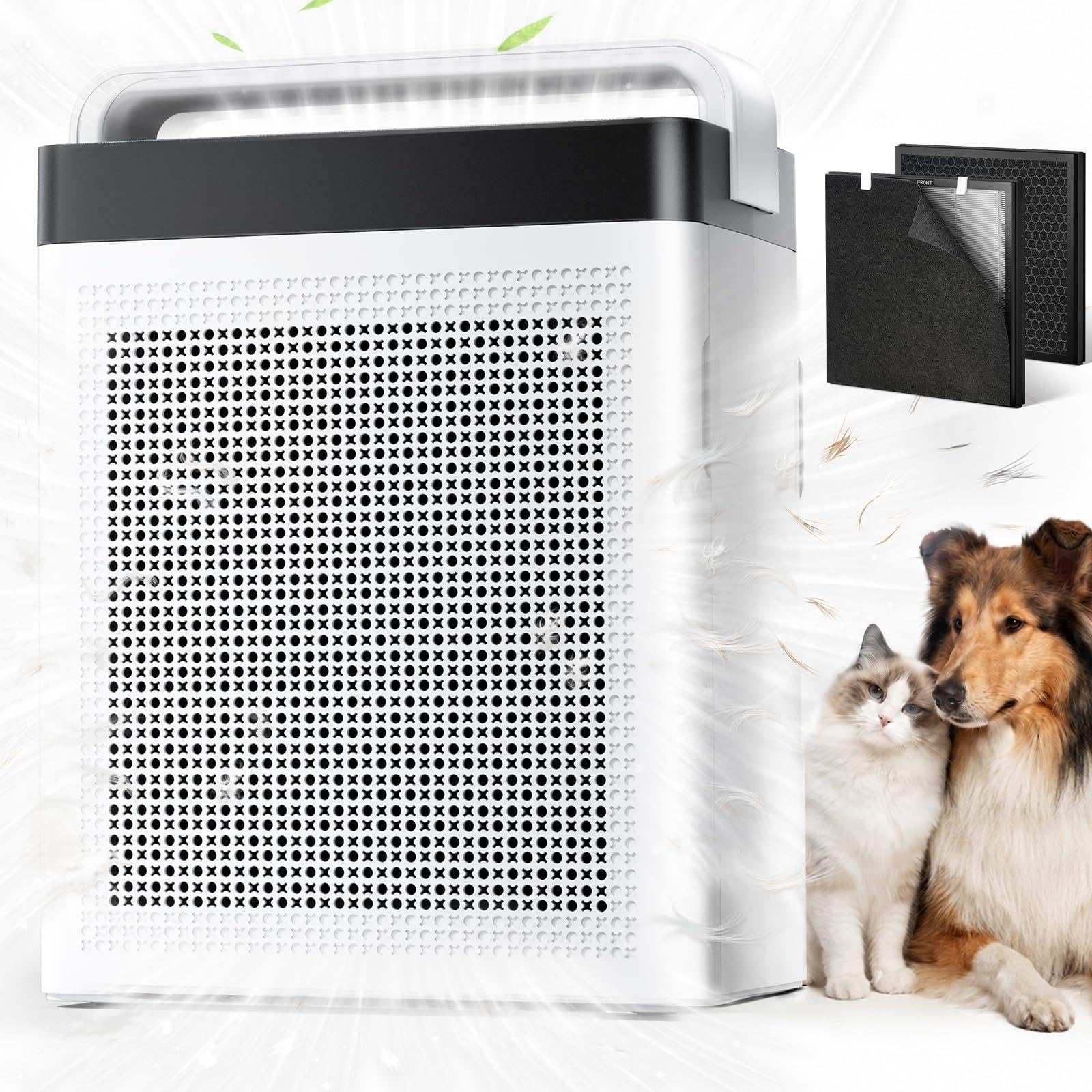
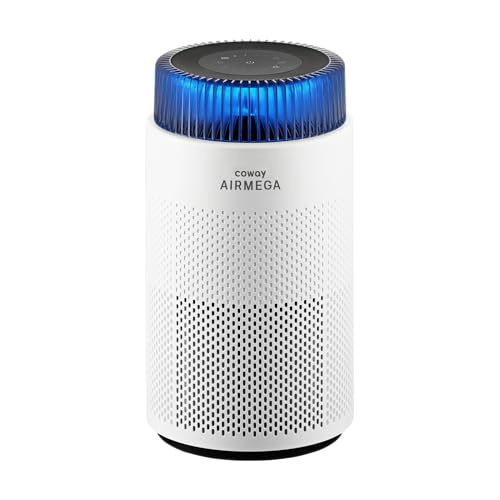
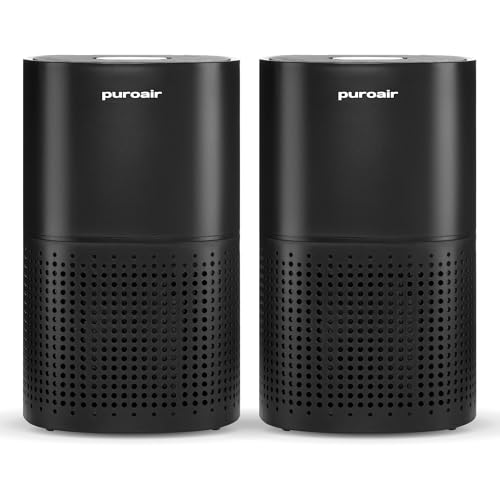
Instead of naming models, use these three profiles to match the product table above to your space and budget. Each profile meets the criteria in the evaluation section, and each involves one honest trade off.
Overall Profile
This profile fits a main living room of about 300 to 400 square feet where smoke from cooking, a fireplace, or a nearby smoker is a regular event. Expect a smoke CADR high enough for 4 to 5 air changes per hour, several pounds of activated carbon, and a noise level on medium that lets you hold a conversation. Prices usually land around $250 to $400. The limitation is size: these units are furniture, not accessories, and they need floor space with clear airflow.
Value Profile
The value profile suits a bedroom or home office up to about 200 square feet. You still get True HEPA filtration and a real carbon filter, but the carbon bed is thinner, so odor control fades sooner under daily smoke exposure. Prices often sit around $120 to $200, and replacement filters tend to be cheaper too. The trade off is coverage: move it into a large open plan room and it will run at full speed without ever fully clearing the air.
Compact Profile
Compact units fit a desk corner, a small nursery, or a dorm room where floor space is scarce. They handle light, occasional smoke, such as a candle or a single cigarette smoked near an open window, and they cost around $70 to $120. Their CADR is low, their carbon is minimal, and they cannot rescue a room where smoking happens all day. Treat this profile as a helper for mild problems, and size up if smoke is a daily issue in your home.
Quick Buyer Checklist
Answer these questions before you buy. A no on any of the first four means keep looking.
- Does the listing publish a smoke specific CADR, not just a single headline number?
- Is the filter a True HEPA filter rather than a vague HEPA type or HEPA style filter?
- Does the carbon filter have real weight or depth, rather than a thin scented sheet?
- Will the unit deliver 4 to 5 air changes per hour in your actual room size?
- Have you priced one full year of replacement filters?
- Is the noise level on medium speed low enough for the room where it will run?
- Does the unit carry UL or ETL certification and AHAM verified ratings?
- Is there a return window long enough to test it against a real smoke event?
If you are comparing broader categories first, our guide to the best air cleaners and purifiers explains how purifiers differ from other air cleaning devices.
Red Flags to Watch For
Skip any listing that advertises coverage in square feet without publishing CADR, because the area claim is then unverifiable. Be wary of ionic or ozone features presented as a bonus for smoke, since they add risk without removing odor. A warranty of only a few months on a motor that should run daily is another warning sign. Finally, treat a wall of short, generic five star reviews with no detail about smoke as a reason to pause, and check whether the maker sells replacement filters at all before you commit. Readers focused only on lingering smells may also want our guide to the best odor removing air purifiers for carbon focused advice.
Setup and Care Tips
Remove every filter from its plastic packaging before the first run, a step many owners miss, and note the filter change date on a phone calendar. Keep doors and windows closed while the unit runs during a smoke event, because open windows refill the room faster than the filter can clear it. Vacuum the washable prefilter monthly to protect the main filter. If smoke exposure is heavy, shorten the carbon filter interval rather than waiting for the indicator light.
Frequently Asked Questions
What features matter most in air purifiers for removing smoke?
A deep activated carbon filter and a True HEPA filter matter most, because smoke is both particles and gases. One extra point many buyers miss: check whether the carbon is pellet based or a thin sheet. Pellet carbon holds far more odor, and some makers sell a smoke specific replacement filter with extra carbon for the same machine.
What size do I need for my room?
Choose a unit whose smoke CADR supports 4 to 5 air changes per hour in your room. As a shortcut, divide the maker stated maximum area by two for smoke duty. Also measure your ceiling height: rooms with ceilings above 9 feet hold more air volume, so a tall living room may need the next size up even at the same square footage.
Do air purifiers really work?
Yes, a properly sized purifier measurably lowers particle counts and reduces smoke odor over a few hours of running. It cannot remove smoke that has soaked into curtains, carpets, and upholstery, which keep releasing odor for weeks. Wash or air out soft furnishings as well, and treat the purifier as one part of clearing a room rather than the whole solution.
How often should I replace the filter?
Plan on 6 to 12 months for the HEPA filter and often sooner for carbon under regular smoke exposure. A useful signal is your nose: when the unit runs but the room still smells of stale smoke an hour later, the carbon is likely saturated even if the indicator light is quiet. Mark the install date on the filter frame with a pen so you can judge its real age.
Where is the best place to put it?
Place it in the room where smoke collects, with clear space around the intake, and as close to the smoke source as is practical and safe. Keep it at least a few feet from a fireplace or stove for heat safety. Raising a small unit on a sturdy stand can help in a room where smoke drifts high, since warm smoke rises before it cools and settles.
Is it expensive to run 24/7?
No, most home purifiers draw about as much power as a light bulb on their middle speeds, so daily running usually costs a few dollars a month. The bigger expense is filters. Running on auto mode with a smart sensor cuts both costs, because the fan slows once the air clears instead of holding full speed all night.
Our Verdict
Judge every candidate on smoke CADR for your room, carbon depth, and the yearly filter bill, and the right choice usually becomes obvious. Living rooms need the overall profile, bedrooms do well with the value profile, and compact units only suit light, occasional smoke. Compare your shortlist against the product table above, and you will land on the best air purifiers for removing smoke for your home without paying for features that do not help. For whole house options, see our guide to the best home air purifiers, and for smoke specific designs, our guide to the best smoke removal air purifiers goes deeper, as does our guide to the best home air purifiers for smoke.