Best Air Pumps for Hydroponics 2026 Guide for Everyday Use
Disclosure: We may earn a commission when you buy through links on this page, at no extra cost to you. As an Amazon Associate I earn from qualifying purchases. Learn more

How to choose an air pump for hydroponics: airflow, noise, outlet count and reliability, so plant roots stay oxygenated and your system runs quietly.
Choosing best air pumps for hydroponics is about steady oxygen for roots, since hydroponic plants rely on dissolved oxygen in the nutrient solution. A pump that is too weak leaves roots starved, while an oversized pump wastes energy and can disturb young plants. The comparison table below compares pump sizes and types.
Airflow is measured in liters per minute, but usable airflow depends on depth, tubing length, and air stone type. Deeper reservoirs need more pressure, and long tubing loses airflow along the way. Check pump specs against your reservoir depth and the number of air stones you plan to use.

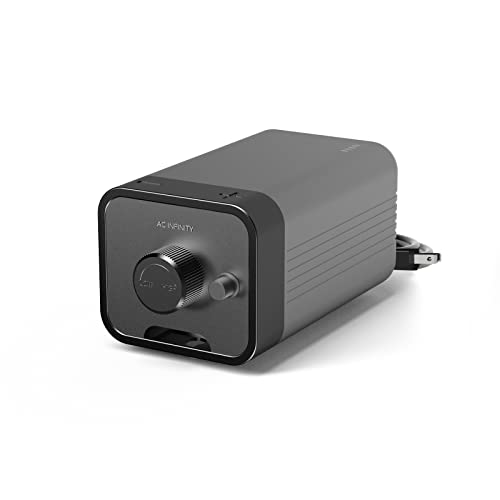
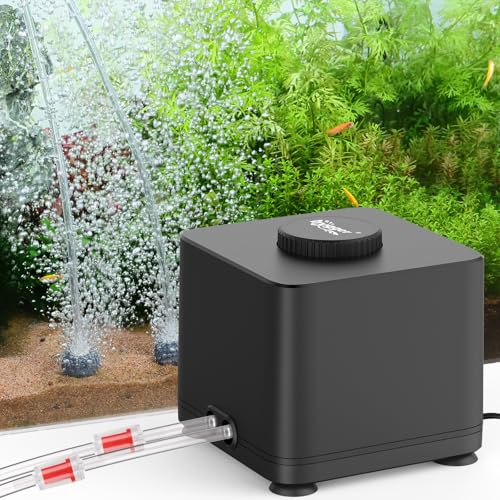


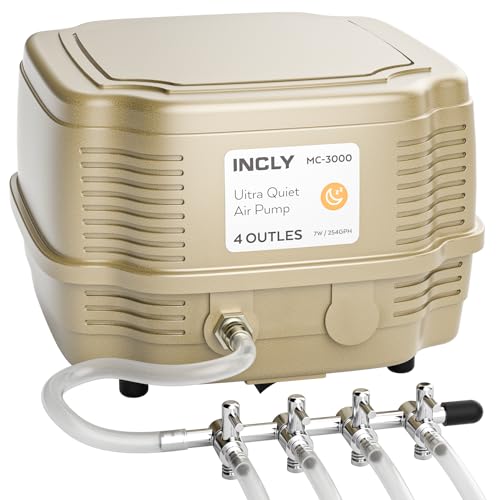


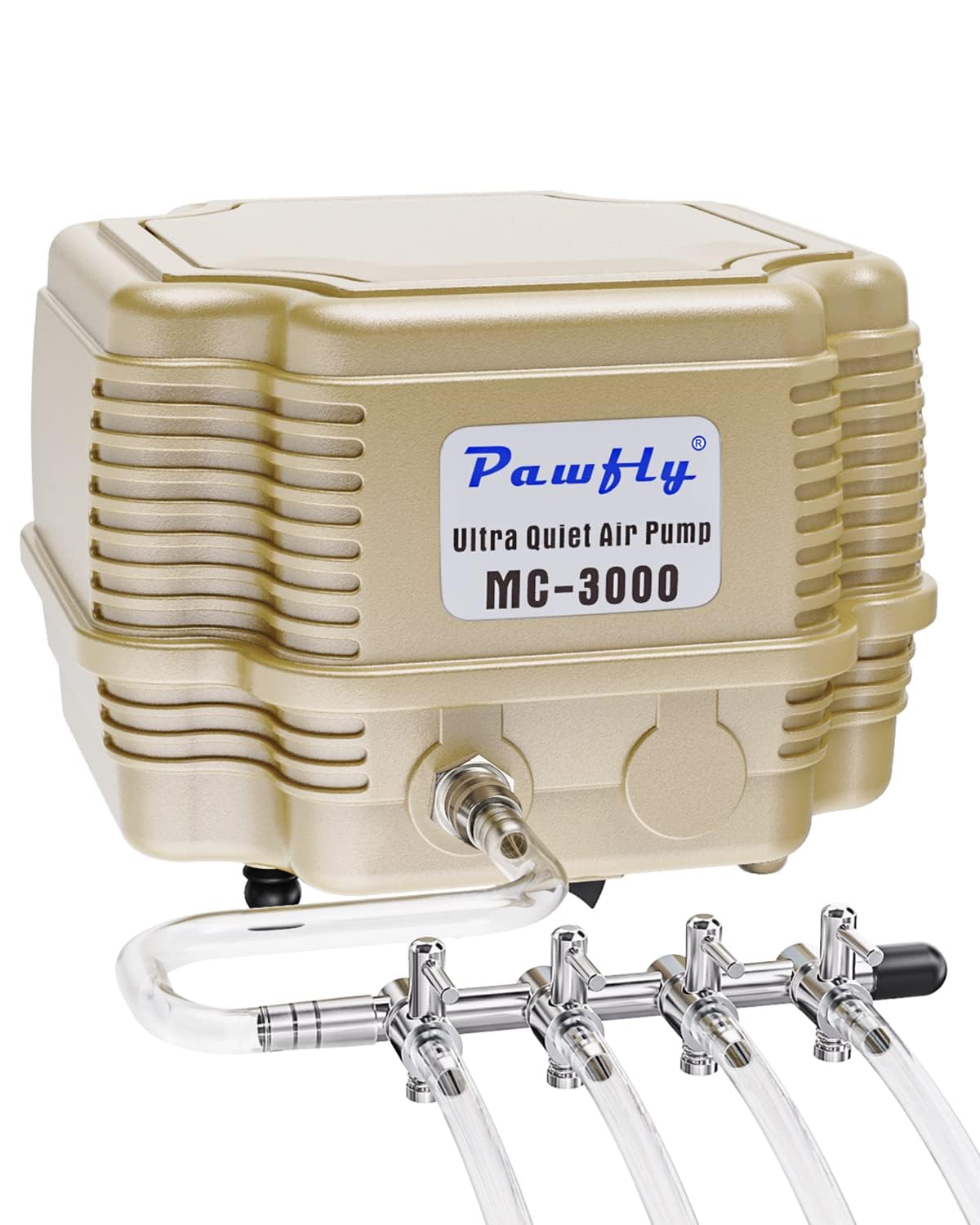
This guide covers airflow, noise, outlet count, and reliability in plain terms. You will learn how to size a pump for your system, reduce noise in living spaces, and keep a pump running through long growing cycles.
Who Should Buy This Type
These pumps suit home hydroponic growers who run deep water, nutrient film, or aerated reservoirs. They work well for herbs, salads, and houseplants grown indoors where quiet operation matters. If you grow in a living space, noise and vibration matter as much as airflow.
They are less suited to large commercial systems that need industrial blowers and complex manifolds. For home systems with a few reservoirs, a well sized aquarium style pump usually covers the job. Check your system size before buying, since oversized pumps waste energy and add noise.
Key Features That Matter Most
Airflow rating: Airflow rating tells you how much air the pump moves, but depth and tubing reduce real output. Choose a pump rated above your minimum need, since you can control flow with valves. Check the rating at your reservoir depth, not just at zero depth.
Noise level: Noise matters in living spaces, since pumps run for many hours daily. Diaphragm pumps run quieter than piston models, and rubber feet reduce vibration transfer. Place the pump on a soft surface away from walls that amplify sound, and check noise in your real room.
Outlet count: Outlet count decides how many air stones or reservoirs one pump can serve. A pump with two or four outlets suits multi reservoir systems, while a single outlet suits one tank. Use valves to balance flow, since outlets rarely share air evenly without adjustment.
Reliability: Reliability matters because roots suffer quickly if a pump stops for long. Check diaphragm replacement availability, since diaphragms wear over time. Keep a spare pump or diaphragm for important crops, and inspect the pump regularly for heat and vibration changes.
Types and Options Compared
Hydroponic air pumps come as diaphragm, piston, and linear models, and each suits a different system size. Diaphragm pumps suit home systems and run quietly. Piston pumps suit deeper reservoirs and higher pressure. Linear pumps suit larger systems with steady airflow, but they cost more.
- Diaphragm pumps for quiet home hydroponic systems.
- Piston pumps for deeper reservoirs and higher pressure.
- Linear pumps for larger steady airflow systems.
- Compact pumps for single small reservoirs.
Fit, Size, and Everyday Setup
Place the pump above water level when possible, since this prevents back siphoning if power fails. Use check valves on air lines, and keep tubing short and straight to reduce airflow loss. Position air stones evenly in the reservoir so oxygen reaches all roots, not just one corner.
Test airflow with all stones connected, since adding stones reduces flow to each one. Adjust valves to balance bubbles, and check for dead spots where roots look pale or slimy. Clean air stones regularly, since clogged stones reduce airflow and strain the pump.
Budget and Long Term Value
Hydroponic air pumps often range from about $20 to $100, with diaphragm models cheapest and linear models higher. Add air stones, tubing, check valves, and spare diaphragms to the upfront price. Compare energy use, since a pump running daily adds to electricity bills over a growing season.
Value comes from reliability and noise control more than from maximum airflow. A quiet pump that runs steadily beats a powerful pump that vibrates loudly and fails early. Check warranty terms and diaphragm availability, since a pump without spares is costly to maintain.
You may also find these related guides useful as you compare options: best air pumps, best pumps for hydroponics.
Care and Maintenance
Clean air stones regularly, since algae and mineral build up clog pores and reduce bubbles. Check tubing for kinks and leaks, and replace cracked tubing promptly. Inspect diaphragms for wear, and replace them at the first sign of reduced airflow or louder noise.
Keep the pump dry and dust free, and ensure ventilation around it to prevent overheating. Do not let the pump sit in water or nutrient spills, since moisture damages motors. A few minutes of checks each week keeps roots oxygenated and pumps lasting longer.
Common Mistakes to Avoid
A common mistake is sizing a pump by reservoir volume alone, without checking depth and stone count. Another is placing the pump below water level without check valves, which risks back siphoning. Size by depth and outlets, and always use check valves for safety.
Ignoring noise is another trap, especially for bedroom or living room grows. Test noise in your real space, and use soft mounts to reduce vibration. A pump that annoys you will be turned off, which harms roots far more than a slightly lower airflow.
Keeping Roots Healthy Between Checks
Healthy roots in hydroponics look pale and firm with fine root hairs, while roots starved of oxygen turn brown, slimy, and soft, so a quick visual check during nutrient changes tells you more than any gauge. Check roots weekly, and note changes in color, smell, and bubble patterns, since a weakening bubble stream often signals a clogged stone or a failing diaphragm before plants show stress. Water temperature also affects oxygen, because warm water holds less dissolved oxygen than cool water, so reservoirs in warm rooms need stronger airflow than the same system in a cool basement. Shade reservoirs from direct sun and keep them away from heat sources to hold temperature steady through summer.
Backup planning protects crops during power cuts and pump failures, since even a short outage in warm weather can stress roots quickly. A small battery powered air pump kept charged for emergencies can keep a single reservoir alive through a brief outage, and a spare diaphragm costs little compared with losing a crop. Label tubing and valves clearly, so anyone helping while you are away can find the pump, check bubbles, and restart it if needed. Keep a simple log of pump checks, stone cleanings, and nutrient changes, because patterns in that log often reveal problems, such as a stone that clogs every three weeks, before they become emergencies.
Frequently Asked Questions
How much airflow does hydroponics need?
Airflow needs depend on reservoir size, depth, and plant type, but a steady stream of fine bubbles across the reservoir is a good sign. Deeper water needs more pressure, and more air stones split flow, so choose a pump rated above your minimum. Use valves to balance bubbles, and watch roots for pale or slimy signs that suggest low oxygen.
Can I run one pump for several reservoirs?
Yes, if the pump has enough airflow and outlets for all reservoirs, with valves to balance flow. Adding reservoirs reduces airflow to each one, so test bubbles with everything connected. Use a manifold for even distribution, and keep tubing lengths similar where possible. For important crops, a spare pump adds safety.
Why is my air pump noisy?
Noise often comes from vibration transfer to hard surfaces, worn diaphragms, or clogged air stones that strain the pump. Place the pump on a soft surface, clean stones regularly, and check diaphragms for wear. If noise rises suddenly, inspect the pump promptly, since a failing diaphragm can stop airflow and harm roots.
How often should air stones be cleaned?
Clean air stones every few weeks, or sooner if bubbles weaken or become uneven. Soak stones in a mild cleaning solution, rinse well, and dry before reuse. Clogged stones reduce oxygen and strain the pump, so regular cleaning protects both plants and equipment. Replace stones that stay clogged after cleaning.
What happens if the air pump stops?
Roots lose oxygen quickly, especially in warm water, and can suffer within hours in deep water systems. Check pumps daily, keep a spare pump or diaphragm for important crops, and use an alarm or timer check if you grow valuable plants. Warm water holds less oxygen, so summer failures are more serious than winter ones.
Final Thoughts
The right hydroponic air pump gives steady oxygen, runs quietly, and lasts through long growing cycles. Use the product table above to compare pump types, then size by depth and stone count rather than volume alone. Reliable airflow matters more than maximum power.
In short, best air pumps for hydroponics should keep roots oxygenated, stay quiet in your home, and run reliably day after day. Choose a pump with spare parts available, use check valves, and clean stones regularly for healthy plants.