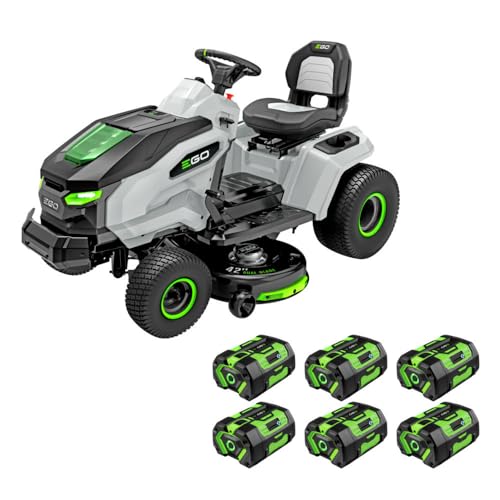
Best Agricultural Mowers in 2026: Which One Fits the Way You Use It?
Disclosure: We may earn a commission when you buy through links on this page, at no extra cost to you. As an Amazon Associate I earn from qualifying purchases. Learn more

The best agricultural mowers compared by type, deck width and power for small plots, pasture and rough ground.
There is no single mower that suits every farm, field and pasture. The best agricultural mowers for a small plot of hay ground are a poor match for clearing brush along a fence line or for keeping many acres of pasture trimmed. This guide starts with how you work, then matches mower type, deck width and power to that job so you can read the comparison table below clearly.
Think first about your land rather than about brands. Note how many acres you cut, how thick the growth is, how rough the ground is and how often you mow. Those facts point you toward a finish mower, a rotary cutter, a flail mower or a large zero turn far faster than any price tag can.
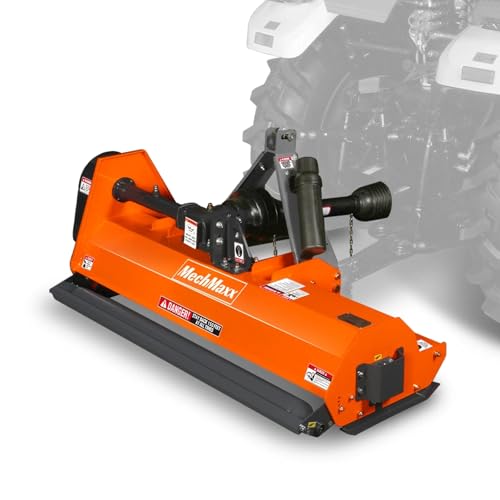
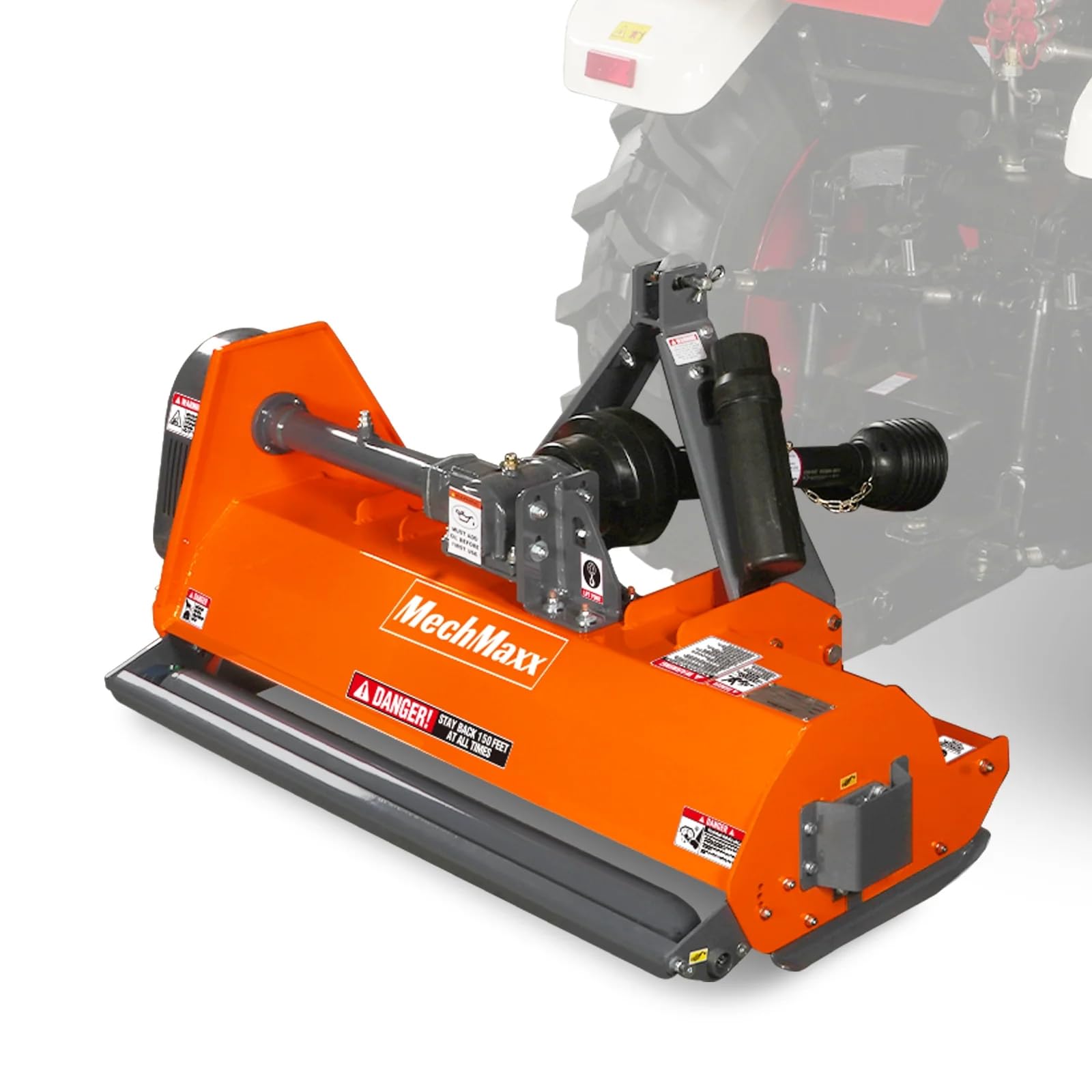


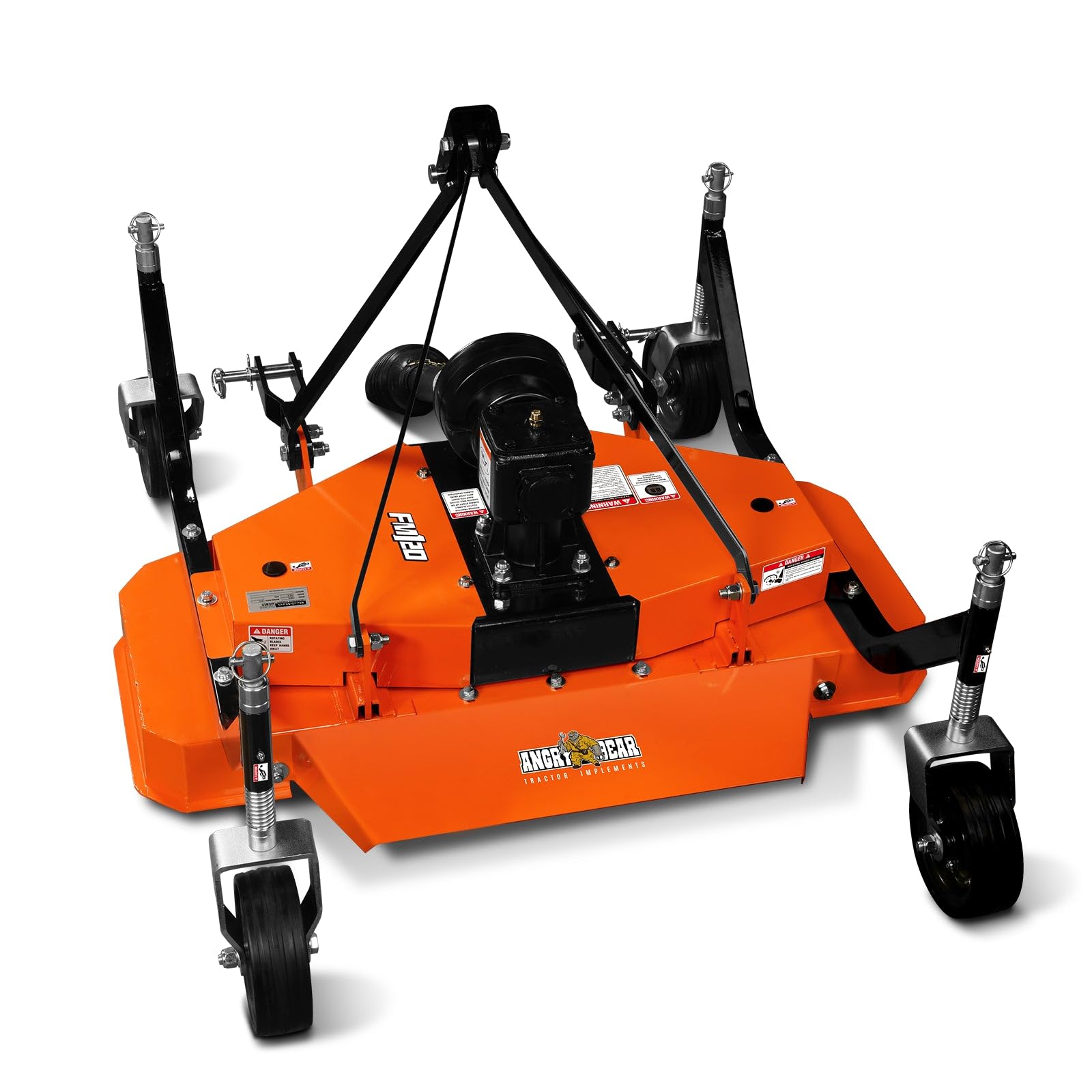


Who Should Buy Which Agricultural Mowers?
Your acreage, growth and storage space shape the right choice more than any single feature does.
Small Acreage Growers Who Need Easy Storage
You may cut one to five acres around a house, barn and garden, and the mower must share space with tools and feed. A compact tractor with a rear mounted finish mower or a mid size zero turn keeps the footprint small and turns neatly around trees. Self propelled push mowers still help along fence lines where a deck cannot reach.
Frequent and Serious Farm Users
You mow often, cover rough ground and cannot afford long downtime in the growing season. Look for a thick steel cutting deck, a strong driveline, grease points you can reach and parts that local dealers stock. A flail mower suits rough pasture, while a rotary cutter handles thicker brush. If your ground is open and smooth, see our guide to the best ztr mowers for fast work around obstacles.
Growers Working in Bad Weather and Tough Conditions
You cut damp grass, uneven pasture and ground with stones, ruts and hidden stumps. Choose a mower built for impact, with heavy blades or flails, solid skids and full safety shielding around the driveline. Ground clearance matters on rutted tracks, and sealed bearings last longer in dust and mud.
Weekend Beginners on a Working Smallholding
You may be new to farm mowing and want controls that feel simple from the first pass. A riding mower or a compact zero turn with clear levers and a simple height dial is a calm starting point for smooth fields and large yards. For ground that is mostly grass rather than brush, see our guide to the best riding mowers and compare seat comfort and deck size before you spend.
Key Features to Compare
Compare these factors in the same order for every model. That habit stops a wide deck or a low price from hiding weak power, poor shielding or a cutting height range that does not suit your grass.
Mulch, Bag and Side Discharge Options
How a mower handles clippings changes both the finish and the health of the ground. Mulching cuts clippings finely and returns them to the soil, which suits pasture you cut often. Bagging collects clippings and seed heads near gardens and paddocks, but bags fill fast on large areas. Side discharge spreads clippings in a row and copes best with tall, wet growth.
Power Source for Field Work
Many agricultural mowers draw power from a tractor through a power take off shaft, which gives strong, steady cutting without a second engine to service. Gas engines suit standalone riding and zero turn mowers for grass and light field work, and they refuel quickly. Diesel suits larger tractors that work many hours and need strong torque. Battery models suit small, quiet jobs near buildings, but runtime limits them on open acreage.
Engine Size, Tractor Power and Runtime
Match power to both deck width and growth thickness, not to deck width alone. A wide deck in light grass may need modest power, while a narrower rotary cutter in dense brush can demand much more. Check the maker guide for the minimum tractor horsepower and the correct shaft speed, and never run a mower above its rated input. For battery mowers, higher voltage and more amp hours mean longer runtime.
Cutting Deck Width and Build Quality
Deck width decides how many passes an acre takes and whether the mower fits through your gates and between rows. Common tractor finish and rotary decks run from about 48 to 84 inches, while wide area models go further for open fields. Thicker steel resists dents from stones, and a floating deck follows uneven ground more closely for a steadier cut.
Cutting Height Adjustment and Blade Type
Cutting height for pasture and hay ground often sits higher than for a lawn, commonly about 2 to 8 inches depending on mower type and crop. A single lever or pin system that sets all wheels at once saves time and prevents a tilted deck. Blade style matters just as much. Swinging blades on a rotary cutter ride over stumps, flails shred brush and leave a finer finish, and straight finish blades give the cleanest cut on smooth grass.
Matching Deck Size and Power to Your Land
Start with the land you cut most, not the largest field you own. For one to three smooth acres, a deck of about 42 to 54 inches on a riding or zero turn mower is usually enough. For three to ten acres, a deck of about 54 to 72 inches behind a compact tractor cuts passes sharply while still fitting most gates. Above ten acres, wider decks and batwing rotary cutters save real hours, but they need more tractor power and storage room.
Growth type can change that answer as much as acreage can. Thin grass forgives a smaller engine, while thick brush and woody stems up to about 1 to 2 inches across call for a rotary or flail mower rated for that thickness. That balance is what separates the best agricultural mowers from machines that feel strained by midsummer. If you also keep a large home lawn, see our guide to the best grass mowers for finer finish options, and see our guide to the best motor mowers for engine driven choices on smaller plots.
Common Mistakes to Avoid When Buying Agricultural Mowers
Most costly errors happen before the mower reaches the field.
- Choosing on price alone often leaves you with a thin deck that dents and cracks on rough ground.
- Ignoring discharge options leads to windrows of clippings that smother the grass beneath them.
- Buying a deck wider than your gates and rows means whole areas stay uncut all season.
- Running a mower on a tractor with too little power stalls the blades and strains the driveline.
- Skipping the warranty and parts check can leave a broken mower idle for weeks during peak growth.
- Removing or ignoring safety shields exposes you and others to thrown stones and moving shafts.
Care and Maintenance: Tips to Get the Most From Your Agricultural Mower
Keep blades sharp, and plan to sharpen or replace them each season or sooner if the cut looks torn. Never cut more than one third of the grass blade at once, since deeper cuts stress the plants and leave clippings that clump under the deck. After each use, clear packed grass from under the deck once the engine is off and the blades have stopped, and check shields, belts and shaft guards before the next job.
Grease fittings on the schedule in your manual, check oil and filters on engine driven models, and store batteries indoors in winter. Keep the mower under cover so rain cannot sit on bearings and bare metal. Stop work and get professional help at once if a shaft vibrates hard, a guard breaks or you find a cracked blade, and never reach under a raised deck held only by hydraulics. Use solid stands for any work beneath the machine.
Agricultural Mowers: Your Questions Answered
Is a zero turn mower worth it for one acre of farm land?
Yes, a zero turn mower can be worth it for one acre if the ground is smooth and mostly grass. Its tight turns save time around trees, beds and outbuildings that a tractor would circle slowly. Savings shrink on rough or steep ground, where a tractor mower feels steadier.
How often should I sharpen agricultural mower blades?
Sharpen agricultural mower blades when the cut starts to look ragged or grass tips turn pale and frayed. For many farms that means a check after about 8 to 10 hours of cutting in stony ground, and less often on clean pasture. Always balance a blade after sharpening, because an uneven blade vibrates and wears bearings. Keep a spare set so a swap does not cost you a dry day.
What size agricultural mower do I need for my land?
The right size depends on your gate width and row spacing as much as on acreage. Walk your narrowest opening with a tape before you shop, and choose a deck a few inches narrower than that gap. A deck that fits everywhere but needs one extra pass beats a wider deck that cannot enter some fields at all.
Are battery agricultural mowers as good as gas models?
Battery models match gas for light grass cutting on small areas near buildings, and they start quietly with little upkeep. Gas still leads for long sessions, thick growth and fields far from a charging point. A useful middle path is a battery mower for yards around the farmhouse and a tractor mower for open land.
How long does an agricultural mower last?
A well kept agricultural mower often serves for about 10 to 15 years of farm use. Life depends most on storage under cover, clean bearings and prompt repair of bent blades and worn belts. Decks stored outdoors rust from the underside first, so a dry shed adds more years than any single upgrade.
Our Verdict
Match the mower to your land first: deck width that fits your gates, power that suits your growth and a discharge mode you will use. Then check build quality, shielding and local parts support. Use the product table above to compare those points before you decide.
When you judge best agricultural mowers by the work in front of you rather than by the largest spec sheet, the right choice is usually clear. Buy the simplest machine that handles your thickest growth with power to spare.