
Best All Round Worming Tablets for Dogs: Which One Fits the Way You Use It in 2026
Disclosure: We may earn a commission when you buy through links on this page, at no extra cost to you. As an Amazon Associate I earn from qualifying purchases. Learn more

Learn how to choose the best all round worming tablets for dogs by weight, age and coverage, with dosing, safety and storage guidance in a clear checklist.
No single tablet suits every dog, because coverage, dose size, and schedule all depend on weight, age, health, and where you live. A product that works well for a large outdoor dog may be wrong for a small puppy or a dog on other medication. This guide helps you choose the best all round worming tablets for dogs by matching the label to your dog rather than by brand claims.
Use the comparison table below to compare coverage and dosing intervals at a glance. Then read the sections that follow, and confirm your final choice with your veterinarian, especially for puppies, pregnant dogs, and dogs with any ongoing illness.


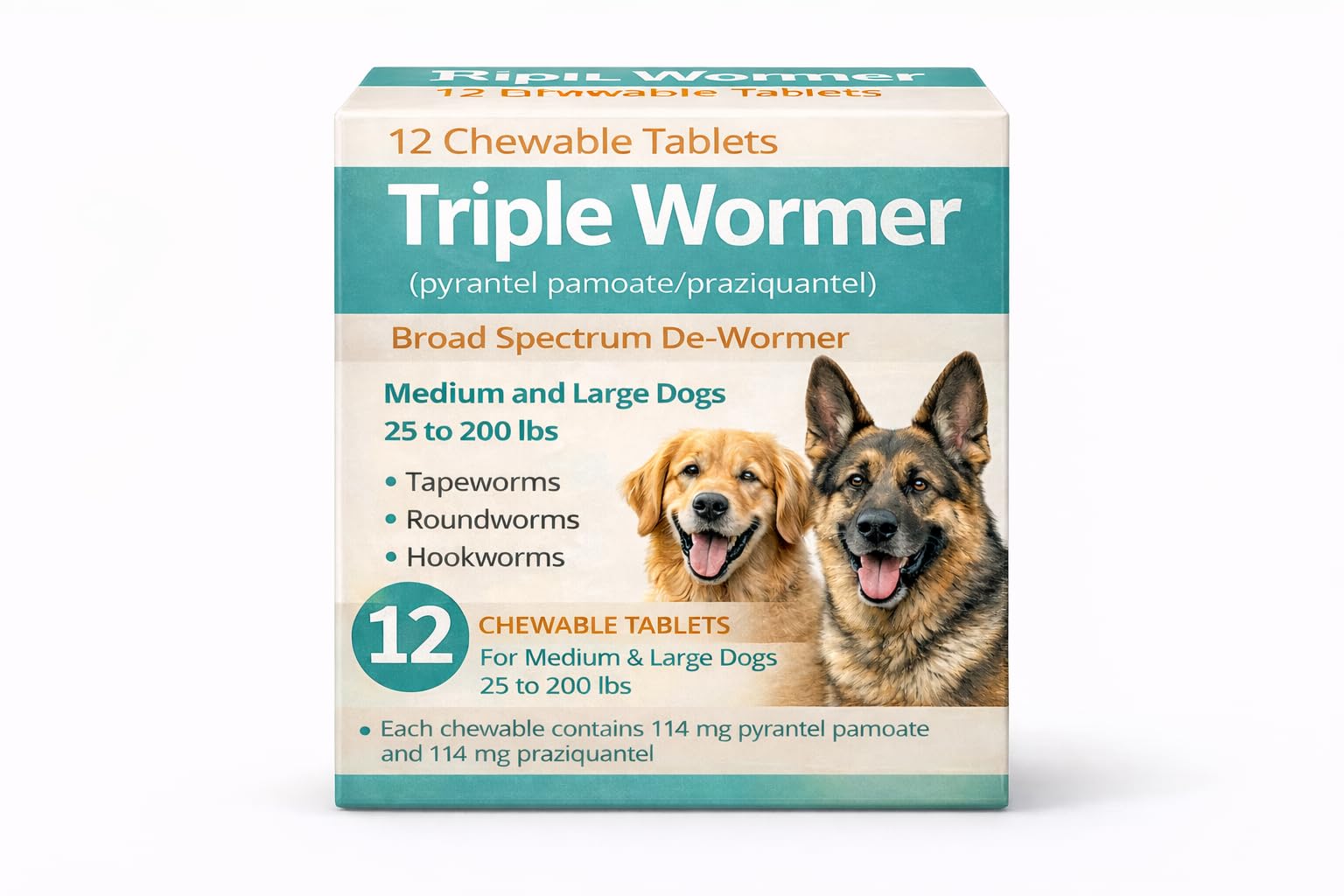

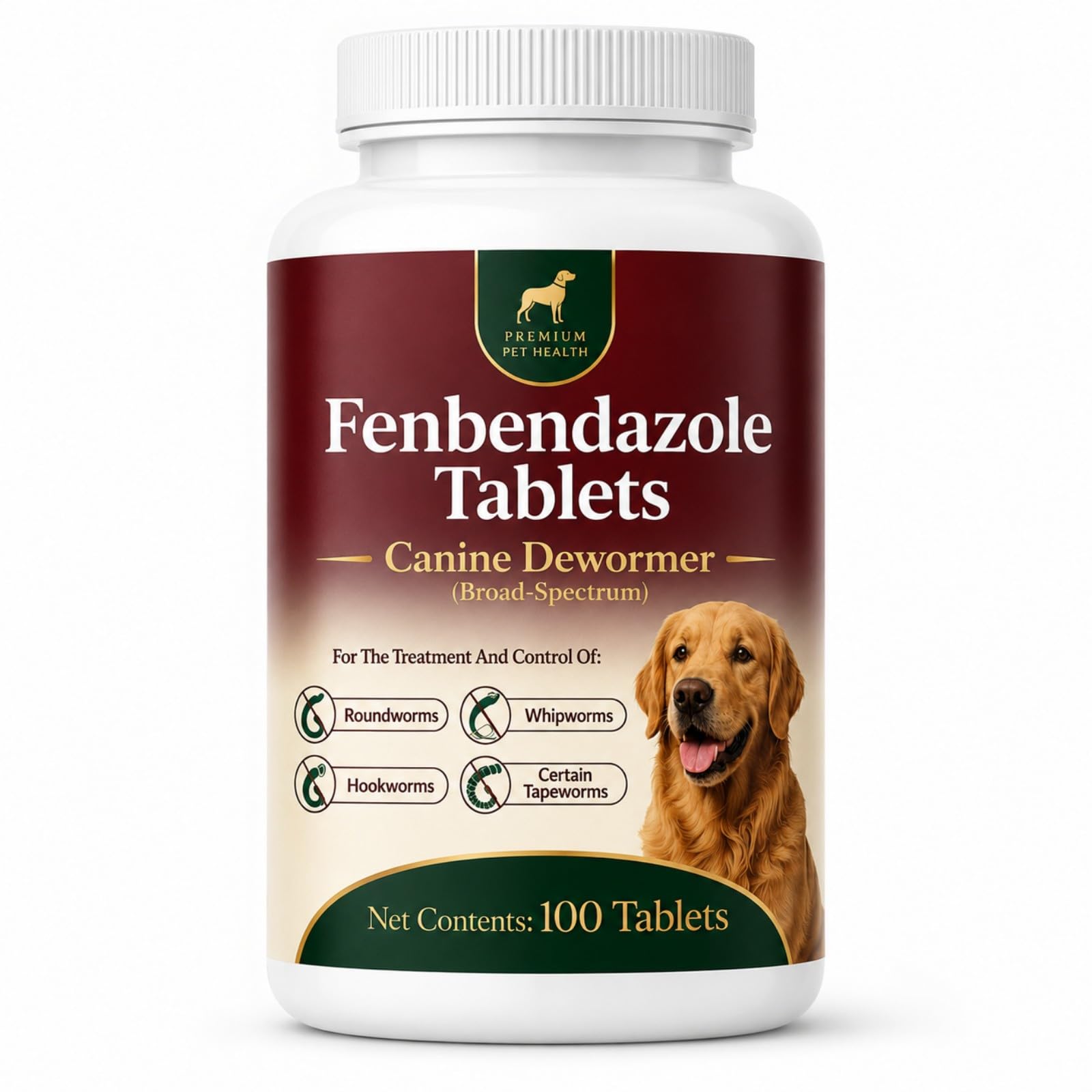
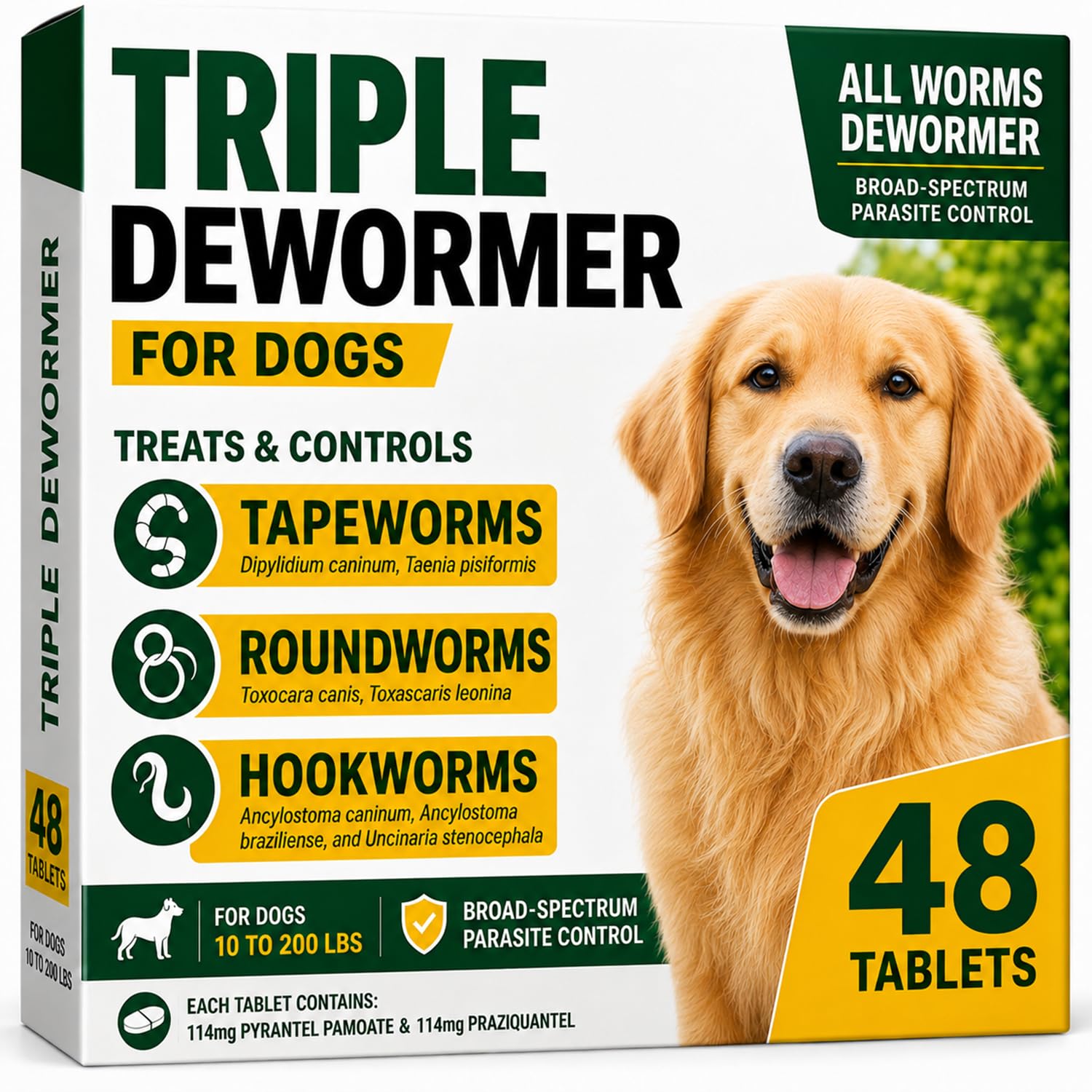
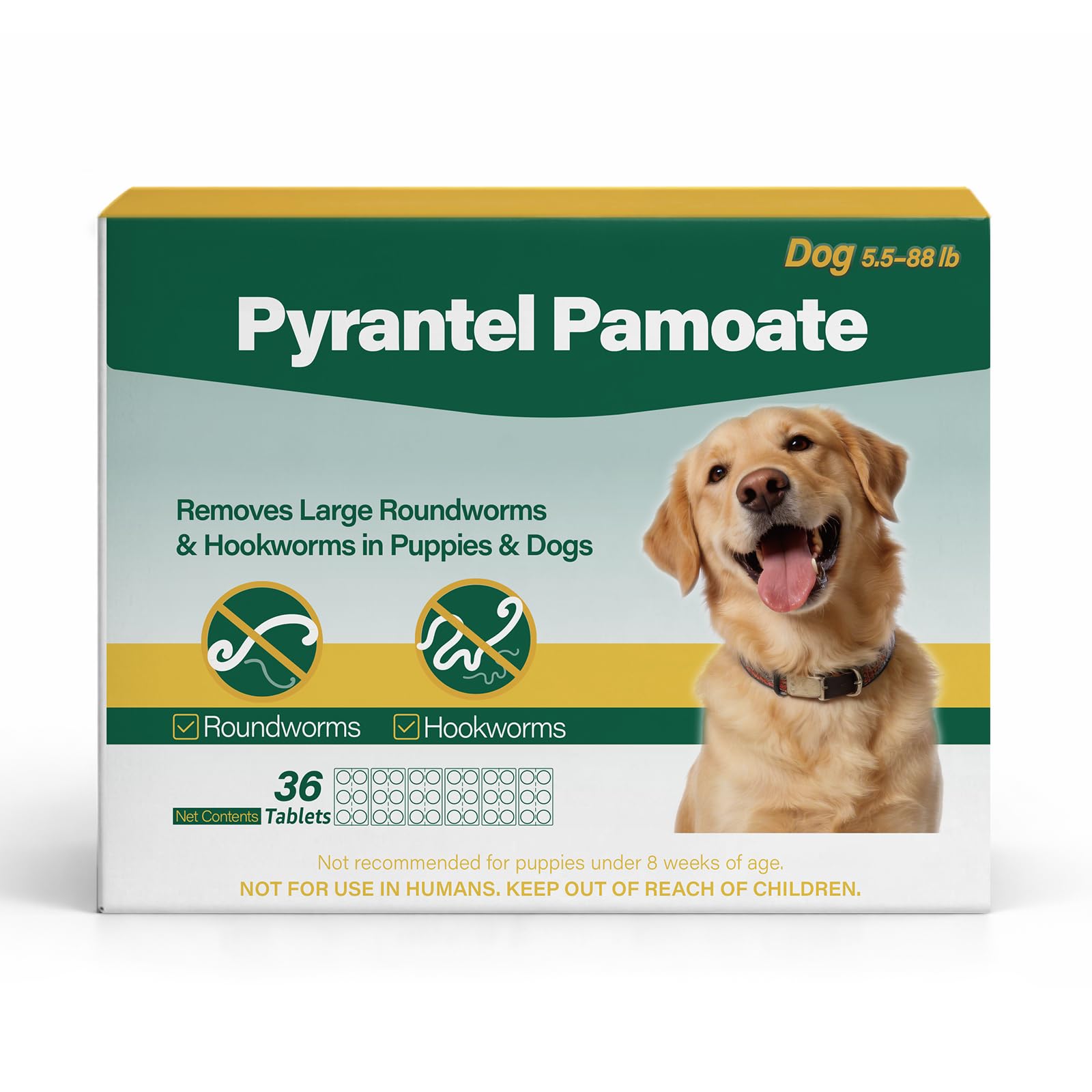
Who Should Buy Which Worming Tablets?
For Owners of Puppies and Small Dogs
Puppies need more frequent worming than adult dogs because roundworm can pass from the mother before and after birth. Look for tablets that are licensed for young puppies at low body weights, with clear age limits printed on the pack. Small dogs also need fine dose steps, so a tablet that splits accurately or comes in small weight bands helps you avoid giving too much or too little.
Weigh your puppy every week while it grows, because a dose that was correct last month can be too low this month. Ask your vet to set the schedule for the first six months rather than guessing from a general chart.
For Owners of Large and Active Dogs
Large dogs that swim, hunt, or walk in areas with slugs, snails, and wildlife face wider parasite exposure. Prioritize broad coverage that includes tapeworm where risk is present, and check whether lungworm cover is included or needs a separate product in your region. Large weight bands can mean buying two tablet sizes for a dog near a boundary, so check the total cost per dose.
Active dogs also pick up fleas that carry tapeworm, so worming works best alongside flea control. Our guide to the best flea tablets for dogs explains how the two routines fit together without doubling up on the same active ingredient.
For Households With Several Dogs
In a home with several dogs, the simplest safe system is one product family with clear weight bands for each animal. Label each pack with the dog name and the next due date so no dog gets a double dose and no dog gets missed. Treat all dogs in the home on the same day, because an untreated dog can reinfect the others through shared ground and bedding.
Keep tablets for different weight bands in separate containers. Tablets that look alike are easy to mix up, and a dose meant for a large dog can be unsafe for a small one.
Key Features to Compare
Parasites Covered
Coverage is the first thing to check, because all round in a product name can mean different things on different labels. Most core tablets target roundworm, hookworm, and whipworm, while tapeworm cover varies and may need a specific active ingredient. Heartworm prevention is a separate monthly routine in many countries and is not included in a standard intestinal worm tablet.
Read the exact parasite list on the pack rather than the front label claim. If heartworm is a risk where you live, see our guide to the best heart worming tablets for dogs and talk to your vet about testing before you start prevention, since giving prevention to an infected dog can be dangerous.
Dose by Weight and Age Limits
Every worming tablet is dosed by body weight, so an accurate recent weight is essential. Weigh your dog at home by weighing yourself holding the dog and then alone, or ask your vet clinic to weigh the dog for free. Never estimate weight for a puppy, a dog that has lost weight through illness, or a dog near the top of a weight band.
Check the minimum age and minimum weight on the label. Some tablets are not licensed for very young puppies, for breeding or pregnant dogs, or for certain herding breeds with a known gene sensitivity to some drug classes. Your vet can advise on breed specific risks before you buy.
Format and Ease of Giving
A tablet only works if your dog actually swallows it, so format matters more than many owners expect. Flavored and chewable style tablets suit dogs that take treats willingly, while small plain tablets suit dogs that accept food wrapped around a dose. If your dog reliably spits tablets out, ask your vet about alternative formats rather than crushing a tablet that the label says must be given whole.
Give the dose with a small amount of food unless the label says to give it on an empty stomach. Watch your dog for a few minutes afterward to confirm the tablet went down and was not hidden in a cheek pouch and dropped later.
Dosing Schedule and Record Keeping
Adult dogs are wormed on a regular schedule that the product label and your vet set, while puppies follow a much closer schedule in the first months of life. Dogs at higher risk, such as those that eat slugs, hunt, or live with young children, may need more frequent treatment on vet advice. The right interval depends on lifestyle and local risk, not on the biggest number printed on a box.
Keep a simple record with the date, the product name, and the dose given for each dog. Set a phone reminder a few days before the next dose is due so you can reorder in time. The product table above lists dosing intervals side by side, which makes gaps in your current routine easy to spot.
Safety, Side Effects and Vet Guidance
Most dogs tolerate licensed worming tablets well, but mild vomiting, loose stool, or brief tiredness can occur after a dose. Warning signs that need prompt vet care include repeated vomiting, collapse, seizures, blood in the stool, or a puppy that stops eating. Stop and call your vet rather than giving a second dose if your dog reacts badly.
Never give a dog a worming product made for cats, horses, or people, and never combine two worming products on the same day unless your vet tells you to. If your dog takes long term medication, for example for allergies, check for clashes first; our guide to the best allergy tablets for dogs shows why a full medication list matters when you add any new tablet.
Common Mistakes to Avoid When Buying Worming Tablets
- Guessing the weight. An underdose leaves worms alive, and an overdose raises the risk of side effects, so weigh first every time.
- Assuming all cover is the same. Tapeworm, lungworm, and heartworm cover differ by product, so read the parasite list on the pack.
- Missing puppy intervals. Puppies need far more frequent treatment than adult dogs in the first months of life.
- Buying for the wrong region. Parasite risks and licensed products differ by country, so check local rules and vet advice.
- Skipping records. Without a written date, owners often dose too early, too late, or twice by accident.
Regional differences are a common source of confusion for owners who move or buy online. If you are comparing rules in another market, our guide to the best worming tablets for dogs australia shows how schedules and product names can change between countries.
Storage and Giving Tips
Store tablets in their original blister or container, in a dry cupboard away from children and from the dog itself. Flavored tablets smell like treats, and a dog that eats a whole pack can receive a dangerous overdose, so treat the pack like any other medicine. Check the expiry date before each dose and return expired packs to a pharmacy or vet clinic for safe disposal.
One tip helps: give the tablet at a calm moment, follow it with a small drink of water or a tiny meal if the label allows food, and praise the dog right away. Practicing with a plain treat on non dosing days makes the real day far less stressful for dogs that dislike tablets.
Frequently Asked Questions
What features matter most in worming tablets for dogs?
The features that matter most are the exact parasites covered, the weight band accuracy, and the dosing interval you can keep. A tablet with broad cover is only useful if the dose matches your dog weight today and you give it on schedule. Check age limits and breed warnings on the label as well, since those decide whether a broadly suitable product is safe for your specific dog.
How often should dogs get worming tablets?
The interval depends on the product label, your dog age, lifestyle and local parasite risk, so ask your vet to set the plan. Puppies are treated far more often than adults in their first months of life. Contact with young children, hunting, scavenging and local lungworm or heartworm risk can all change the schedule, so confirm it at your annual vet visit.
Can puppies take the same tablets as adult dogs?
Some puppies can take the same product family as adult dogs, but only when the label licenses that age and weight. Puppy doses are smaller, weight bands are tighter, and intervals are much shorter. Never split an adult tablet for a puppy unless the label and your vet both say that splitting gives an accurate dose, because the active ingredient may not be spread evenly through the tablet.
What if my dog spits out a tablet?
If your dog spits out a whole tablet right away, you can usually offer it again once with food. If part of the dose was swallowed, or you find a partly dissolved tablet later, do not guess and give a full second dose. Call your vet, explain what you saw and when, and follow their advice on whether to redose now or wait until the next scheduled date.
Do worming tablets also prevent heartworm?
Standard intestinal worming tablets do not usually prevent heartworm. Heartworm prevention is a separate product given monthly in regions where the parasite occurs, and dogs may need a blood test before starting it. If you travel with your dog to a heartworm region, raise this with your vet before the trip, because prevention must often start before or during travel to work as intended.
When should I see a vet instead of dosing at home?
See a vet instead of dosing at home if your dog has worms visible in vomit, weight loss, a swollen belly, persistent diarrhea, or blood in the stool. Puppies that fail to grow, pregnant dogs, and dogs that reacted badly to a past dose also need vet care first. Home worming is routine prevention for healthy dogs, not a treatment plan for a dog that is already unwell.
Wrapping Up
Choose by coverage first, then by accurate weight band, then by a schedule you will actually keep. That order protects your dog better than any front label claim, and it keeps spending focused on the parasites that matter where you live. For a simpler comparison of core options, see our guide to the best dog worming tablets alongside the product table above.
Talk with your veterinarian about your dog personal needs, health history, and local parasite risks before you settle on a routine. With the right best all round worming tablets for dogs choice and a written record of dates, worm control becomes a short task a few times a year rather than a recurring worry.


