
Best All Weather Dog Boots in 2026: Which Type Is Right for You?
Disclosure: We may earn a commission when you buy through links on this page, at no extra cost to you. As an Amazon Associate I earn from qualifying purchases. Learn more

Compare the best all weather dog boots by type, waterproofing, traction and fit, so you can choose the right paw protection for rain, mud and snow.
Rain, dry pavement and mud can all appear in one week, and one set of boots has to handle the lot. The best all weather dog boots protect paws from wet ground, road salt and sharp grit. This guide compares boot types so you can judge the product table below with confidence.
Start with the ground your dog walks on most. A city dog needs grip and a barrier against salt, while a trail dog needs a tougher sole and a closure that stays shut in mud.
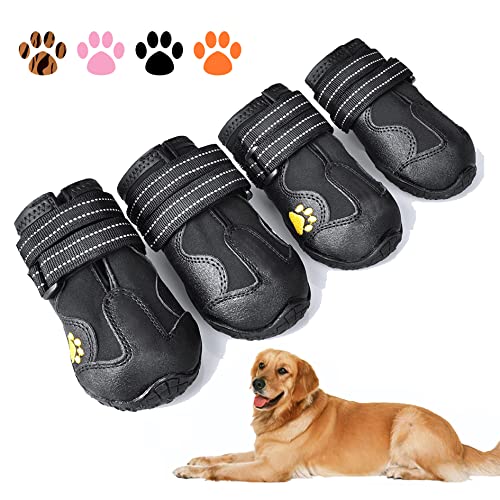
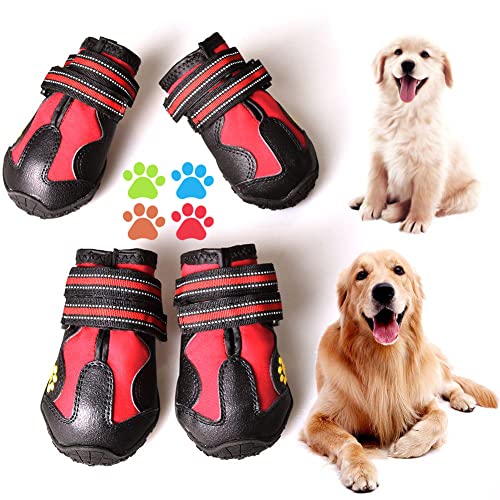
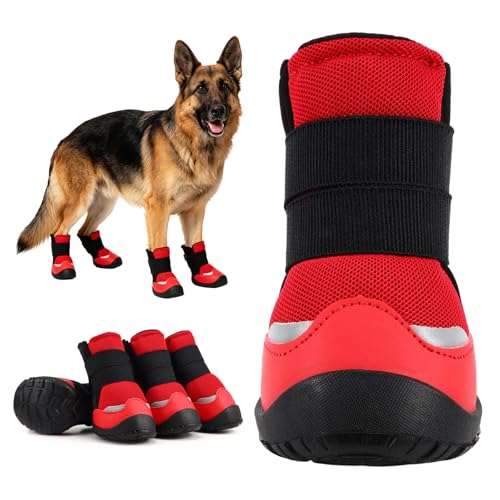
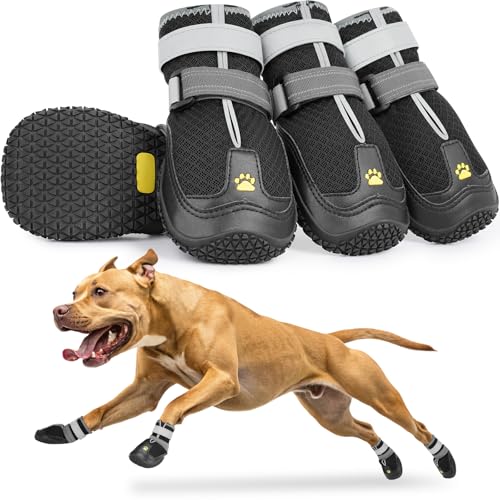
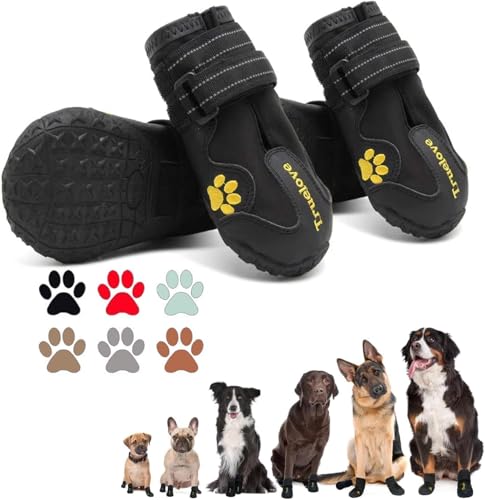
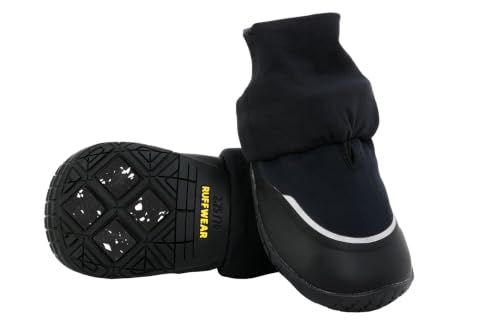
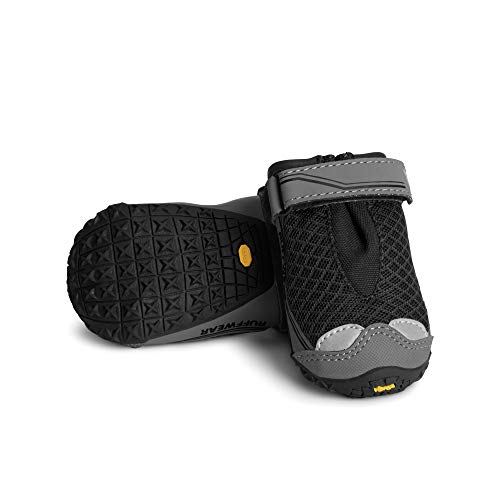
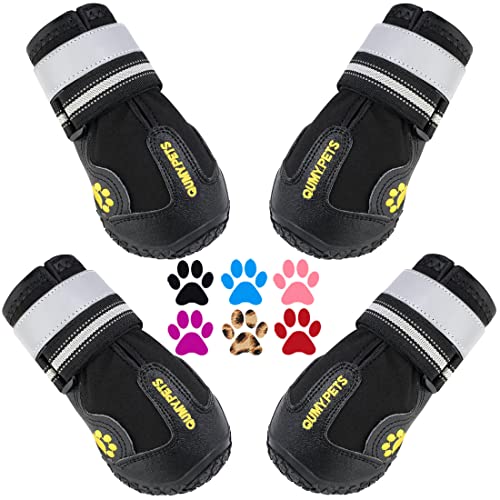
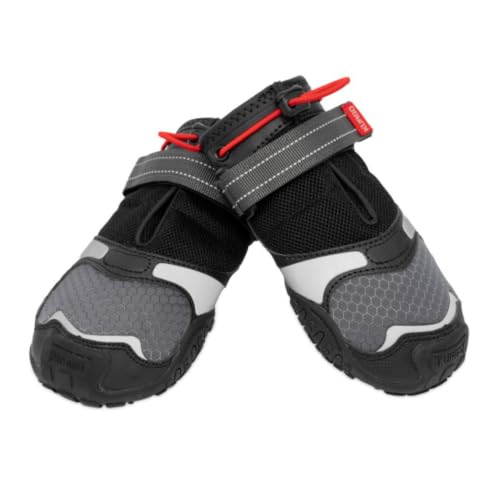
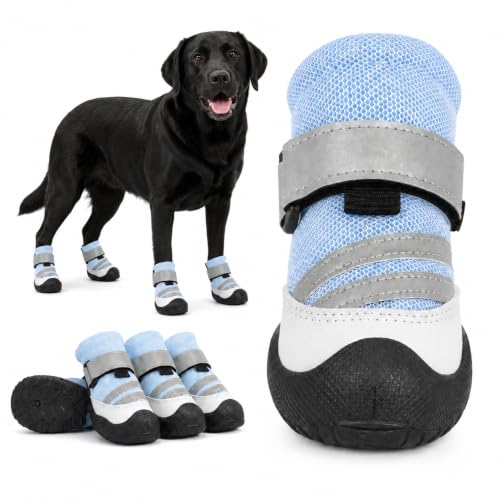
Who Should Buy the Best All Weather Dog Boots?
Pick by the walk you repeat most often. Your usual surface, weather and paw condition point you to the right type.
City Dogs Walking on Wet Pavement and Salt
You walk on sidewalks that stay slick after rain and gritty after winter salting. Choose a waterproof shell boot with a textured sole and a close fit at the ankle, so water and salt stay off the paw pads.
Trail Dogs Crossing Mud, Rock and Shallow Water
You cover uneven ground where a thin sole would let stones press into the paw. Choose a rubber soled boot with a sturdy upper and two closures, because one strap alone often loosens in mud. Look for a sole that bends at the toes.
Dogs With Sensitive, Dry or Healing Paws
Some dogs lick cracked pads or recover from a small paw injury. A soft lined boot can keep grit and moisture away while the paw heals. Watch for limping that grows worse, swelling, discharge, bleeding or an unusual smell, and have your veterinarian check those signs promptly rather than covering them. Talk with your veterinarian about personal needs before using boots during recovery.
Types of Weather Dog Boots Compared
Three broad types cover most weather, and each trades protection against breathability and feel. The best all weather dog boots for most homes balance those trades well. Sets of four usually cost about $25 to $60.
Waterproof Shell Boots for Rain and Snow
These boots use a coated or sealed upper that sheds rain, slush and spray from wet roads. They suit cold and wet months best, because the barrier also holds warmth and moisture inside. On warm days, keep walks shorter in this type, since paws grow damp from the inside.
Breathable Mesh Boots for Dry and Mild Days
Mesh boots use open weave panels that let air move around the paw while still guarding against hot pavement, dust and light grit. They are the lightest type and most dogs accept them fastest, because the upper folds with the paw. They will not keep paws dry in steady rain.
Rubber Soled Boots for Trail and Mixed Ground
These boots pair a molded rubber sole with a fabric upper, giving stronger grip and stone protection than thin covers. They handle mud, wet grass and gravel well, and the sole lasts longer on rough ground. The trade off is weight, so small or elderly dogs may prefer a lighter type in town.
Key Features to Compare
Compare these factors in the same order each time, so price cannot hide a boot that slips off.
Waterproofing and Breathability in Dog Boots
Waterproofing comes from coated fabric, sealed seams and a cuff that closes above the paw so puddle water cannot run in. A boot can still feel damp if warm air from the paw condenses against a sealed shell, which is why breathable panels help on mild days. Choose sealed boots for rain and salt, and part mesh boots when walks are mostly dry.
Outsole Traction and Sole Flex in Dog Boots
The outsole tread decides grip on wet tile, icy patches and loose gravel. Deep, spaced lugs clear mud, while a finer textured pattern grips smooth pavement better. The sole should flex where the toes bend, because a dog pushes off with the toes. Favor soles that bend at the front third.
Closures That Keep Dog Boots On
Most boots stay on with hook and loop straps, and two straps hold better than one because the lower strap secures the paw and the upper closes the ankle. A strap should wrap fully around with room to spare, since a strap that barely meets will peel open in mud. Avoid elastic only designs for active dogs, because elastic stretches and the boot works loose.
Upper Durability and Paw Protection in Dog Boots
The upper takes scuffs from curbs, brush and your dog's nails at the toe, so reinforced toes last longer for dogs who scramble on rock. Inside, flat seams matter as much, because a raised seam can rub the dew claw. Choose softer lining for thin coated breeds with delicate skin.
Weight and Natural Gait in Dog Boots
A boot changes how a paw meets the ground, so weight and bulk shape your dog's stride from the first step. Light boots suit small dogs, senior dogs and dogs new to footwear, because heavy boots encourage an exaggerated lifting step that tires legs. Start with the lightest boot that still gives the sole thickness your ground demands.
How to Measure and Fit Dog Boots
Measure each paw while your dog stands with full weight on it, because a paw spreads wider under load. Place the paw on paper, mark the widest points and the length from heel pad to longest nail, then match those numbers to the size chart. Front paws are often wider than back paws, so measure one of each.
Fit checks happen on a hard floor at home first. The boot should sit snug at the ankle without twisting when your dog turns, and the toes should reach near the front without pressing the end. Let your dog walk indoors briefly, then check for red marks or a nail catching in the lining. Short indoor sessions build acceptance better than one long first walk.
For cold protection, see our guide to the best dog boots for cold weather. For softer footwear for dry pavement, see our guide to the best dog shoes.
Choosing Weather Dog Boots for Your Situation
Season decides which trade off matters most. A dog may need a sealed boot in January and an airy boot in July, and one type forced into both jobs usually means damp or hot paws.
Best Warm Weather Dog Boots: Which Type Works Best
In heat, breathable mesh uppers, light colors and thin flexible soles protect pads from hot pavement without trapping warmth around the paw. For summer specific tread and venting details, see our guide to the best hot weather dog boots. Keep summer walks to cooler hours, because boots guard the pads, not the whole dog, against heat.
Common Mistakes to Avoid
These errors cause most lost boots and sore paws.
- Guessing size from breed alone leaves boots twisting, because dogs of one breed vary widely in paw width.
- Strapping boots as tight as possible restricts the paw and makes a dog chew at the straps within minutes.
- Starting with a long outdoor walk overwhelms a new wearer, and a boot lost in mud is rarely found.
- Wearing sealed waterproof boots on hot days traps sweat against the pads and softens the skin.
- Walking on after losing one boot leaves that paw open to salt, glass and rough ice.
Care and Maintenance of Dog Boots
Rinse mud, salt and grit off after wet walks with plain water. Open each boot fully and air dry it away from direct heat, because strong heat can crack coated fabric and warp rubber soles. Salt left in the tread can sting the paw on the next walk.
Between outings, clean the hook and loop surfaces and inspect soles for cuts or wedged stones. Retire a boot when the sole wears smooth at the toe, since a worn sole slips when grip matters most. Store dry boots in a breathable bag.
FAQ
How should all weather dog boots fit on a dog?
All weather dog boots should fit snugly at the ankle, stay put when the dog shakes a paw, and leave a small space ahead of the longest nail. A useful home test is a short hallway walk, then a check that no boot has rotated sideways. Rotation often means the next size down, not tighter strapping.
How long does it take a dog to get used to wearing boots?
Most dogs adjust within a few short sessions spread over about three to seven days. The high stepping walk at first is normal and fades as the dog learns the ground feel is safe. Pair each session with a favorite treat, and end while the dog is still calm.
Do all weather dog boots protect paws from hot pavement?
Yes, a closed boot with a real sole blocks direct contact between pads and hot pavement. Heat still builds inside a dark sealed boot during a midday walk, so test the ground with the back of your hand before setting out. Light colored mesh boots stay cooler than black waterproof boots in strong sun.
How often should you replace all weather dog boots for a dog?
Replace a set when tread wears smooth, straps stop gripping or the upper cracks, which for daily walkers often means about six to twelve months of use. A young dog can also outgrow a well kept set before it wears out. Remeasure every few months for young dogs, and after any weight change in older dogs.
Can a dog wear all weather dog boots for a full day outing?
A dog can wear boots for long outings if you build up gradually and check the paws at every rest stop. Long wear raises the chance of rubbed skin where straps sit. Carry a spare boot, and remove the boots during long indoor rests so paws can dry.
Our Verdict
Match the boot type to your most common ground first, then confirm size with a standing paw measurement, and check that two straps hold without twisting. Waterproof shells win in rain and snow, mesh wins in heat, and rubber soles win on trails. Use the product table above to compare sole, closure and price.
Chosen with those points in mind, the best all weather dog boots become part of the routine rather than a struggle at the door. Start indoors and keep early walks short.


