
Best air pumps for fish tanks 2026: Buying Guide
Disclosure: We may earn a commission when you buy through links on this page, at no extra cost to you. As an Amazon Associate I earn from qualifying purchases. Learn more

Learn how to choose air pumps for fish tanks, from tank size and flow control to quiet setup and check valves, so your aquarium stays healthy and calm.
Shopping for best air pumps for fish tanks can feel confusing because so many options look similar at first glance. This guide is written for aquarium keepers who need steady oxygen and water movement, and it focuses on the practical differences that affect daily use rather than headline claims. Use it to narrow your shortlist before you spend money.
A fish tank air pump works quietly in the background, yet it affects everything in the tank. It drives air stones and sponge filters, keeps water moving, and helps oxygen reach the fish. A pump that is too weak leaves still corners, while one that is too strong can stress small fish and stir up the substrate.
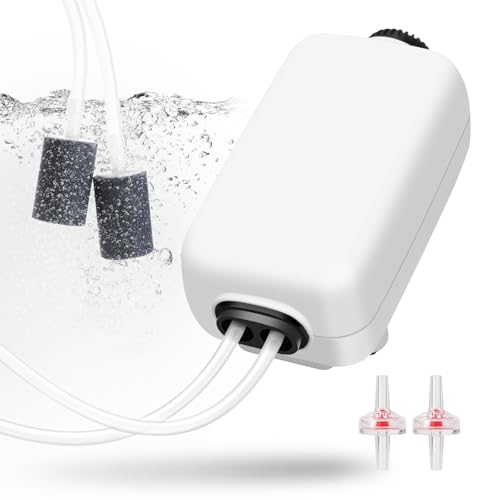


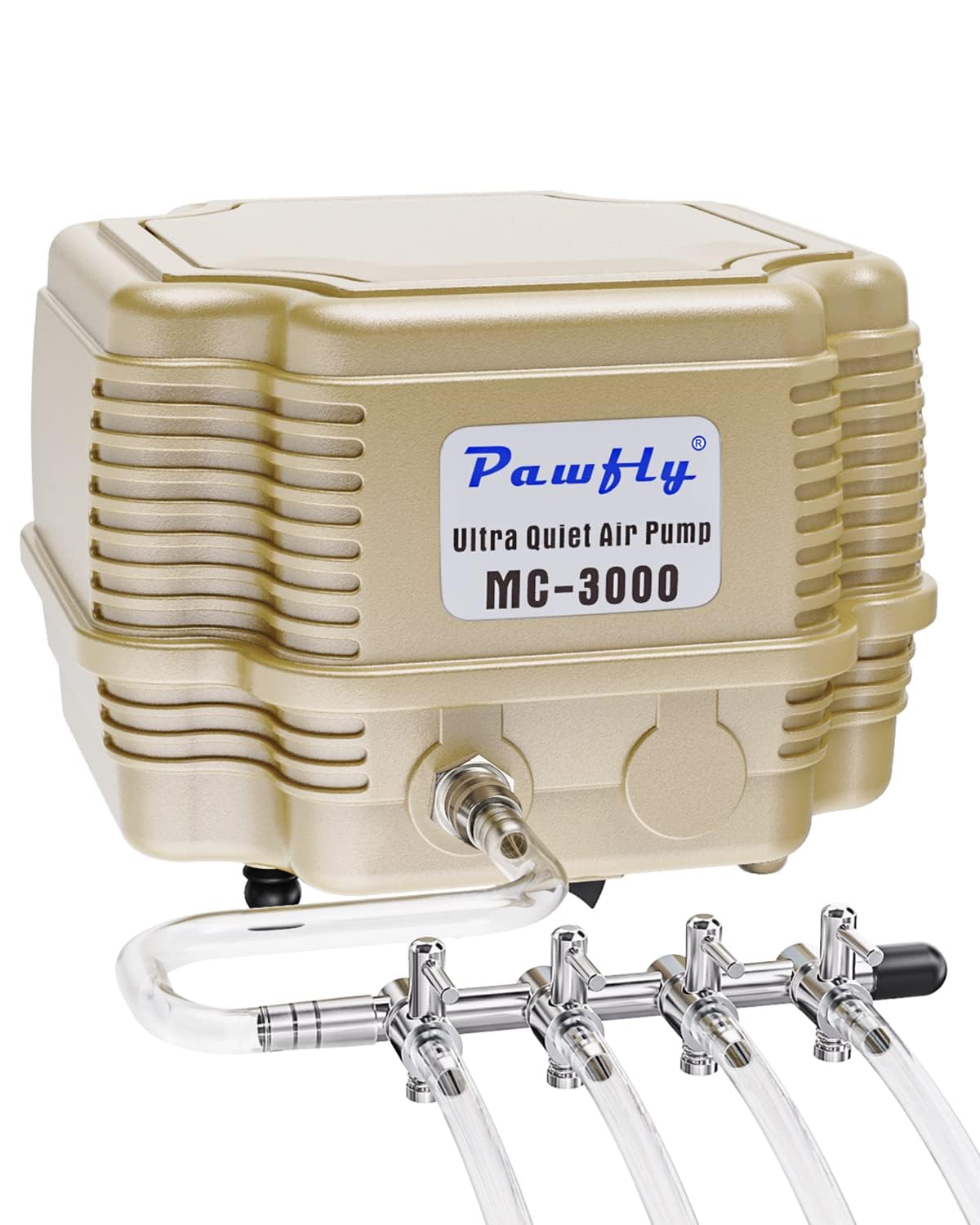

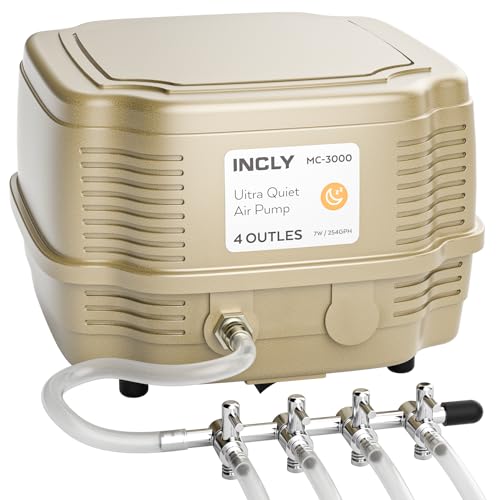
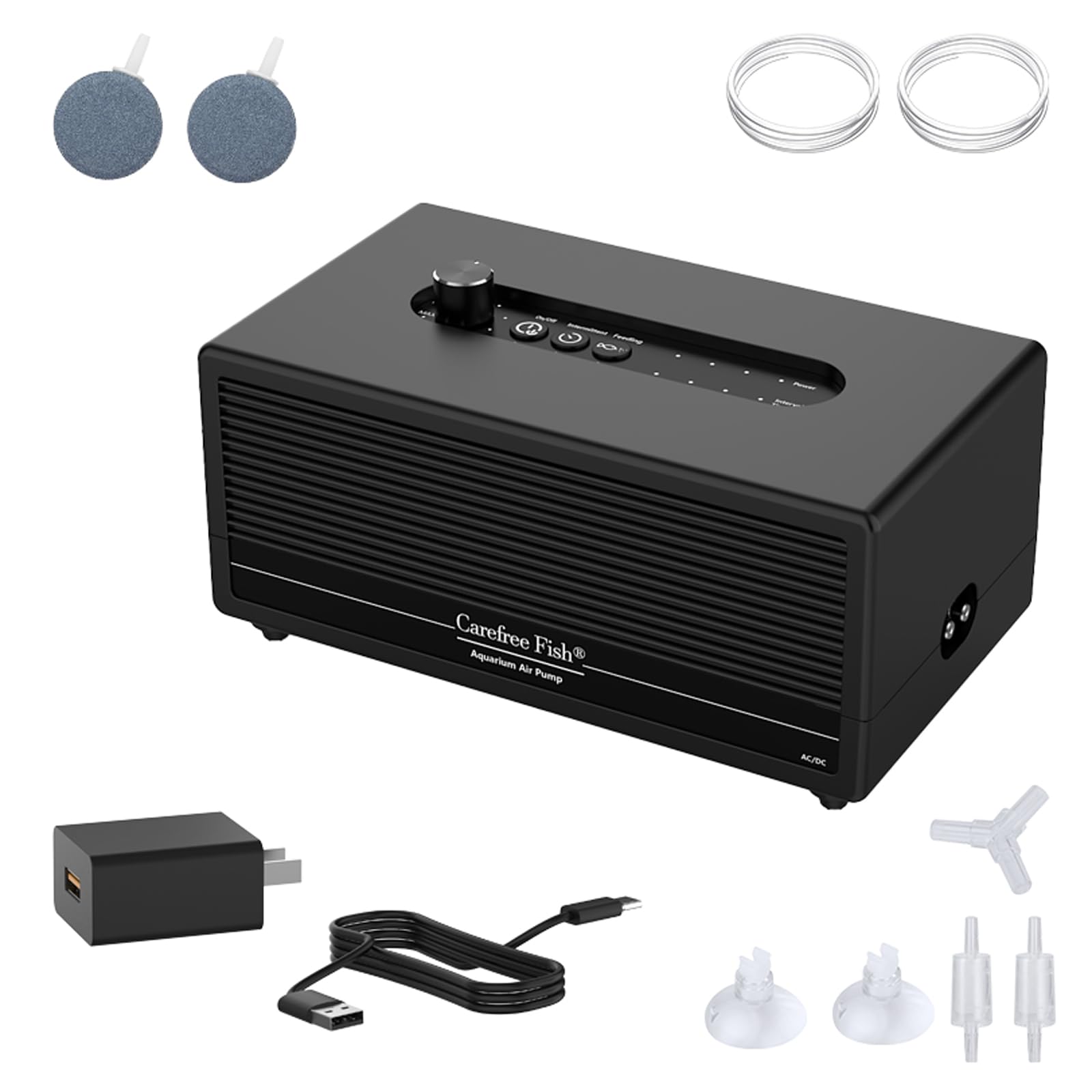


The comparison table below gives a quick overview, while the sections that follow explain what each feature means in real use. Take your time with the sections that match your situation most closely, because a feature that matters little to one buyer can matter a great deal to another.
Who Should Buy Best air pumps for fish tanks
This category suits buyers who want a dependable option for regular use rather than a specialist tool for a single task. If your routine includes the everyday situations described above, a well chosen model will serve you better than a cheaper option that misses a key feature or a premium option whose extras you never use.
It may not suit you if your needs are highly specialist or if you already own a setup that covers this job well. In that case, focus on the one gap in your current setup instead of replacing everything. A targeted upgrade usually gives better value than a complete change.
Key Features to Compare
Use this list as a checklist when you compare models side by side. Tick off the features that matter for your routine and ignore the rest, because chasing every feature often pushes you toward a more expensive model without improving your daily experience.
- Output matched to tank volume and depth
- Quiet operation with low vibration
- A check valve to prevent backflow
- Adjustable flow or a valve for control
- Durable diaphragm and easy to find spares
When two models look equal on paper, the deciding factor is often comfort or ease of use in your own setting. A feature that sounds minor in a description can become a daily frustration if it does not fit your hands, your room, or your routine.
Setting Up the Pump for Steady Flow
Position matters as much as power. Place the pump above the water level where possible, or fit a check valve if it must sit lower. Keep the air line as short and straight as you can, because long lines and tight bends reduce flow and make the pump work harder.
Test the flow with the air stone in place before you add fish. Watch the bubble pattern across the tank and adjust the valve until the flow is even. A steady stream of fine bubbles is better than a violent burst in one corner, which can disturb plants and stress shy fish.
Planning for Everyday Use
Think about a normal week rather than a perfect day. How often will you use this, where will you store it, and who else might use it? Answers to those questions reveal practical needs that a specification list hides, such as cleaning, charging, storage, and replacement parts.
Also plan for upkeep from the start. A product that is easy to clean, maintain, and repair will cost less over time and cause fewer frustrations than one that needs special care. Check whether spares, straps, filters, or covers are easy to find before you commit.
Common Mistakes to Avoid
One common mistake is buying on price alone and discovering a missing feature later. Another is buying the largest or most powerful option when a mid range model would have suited daily use better. A third is ignoring size and fit, which matter more than most buyers expect until the product arrives.
Take measurements, check return terms, and read the maker guidance for care and limits before you order. A few minutes of checking now can save a return, a restocking fee, or months of living with a poor fit.
A Final Check Before You Order
Start your final check by revisiting your original reason for buying. What problem are you solving, and does your shortlisted option solve it directly? Products often bundle extra features that distract from the core job, so returning to your original need keeps the decision grounded and prevents overspending on extras.
Then look at ownership costs beyond the purchase price. Consumables, replacements, subscriptions, and maintenance can add up over a year or more. A slightly higher upfront price can be good value if running costs are low, while a cheap purchase with expensive upkeep may cost more in the end.
End by checking reviews for patterns rather than single opinions. One unhappy buyer may reflect bad luck, but repeated mentions of the same weakness deserve attention. Look for comments from people with a routine similar to yours, because their experience is the most relevant guide to how the product will work for you.
Caring for Your Choice Over Time
Once you have chosen, give the product a fair trial in your normal routine before judging it. A new item often feels unfamiliar at first, and a few days of regular use reveal far more than a first impression. Keep the packaging and receipt during this trial period so a return remains simple if the fit proves wrong.
Pay attention to small details during that first period, such as comfort after an hour, ease of use when you are tired, and whether the product fits naturally into your day. These details decide long term satisfaction more than any single feature, and they are hard to judge from a description alone.
If a minor issue appears, check whether a simple adjustment solves it before giving up. A different setting, a better position, or a small accessory can turn a frustrating first week into a good long term choice. Maker guides and community tips often cover these adjustments in plain language.
Finally, keep a note of what worked and what did not, especially if you buy similar products in future. Your own notes become a personal buying guide that saves time and money next time, because you will remember which features mattered and which promises proved empty.
Related Guides
If you want to compare a related option, see our guide to best fish tank pumps for more detail on that choice. If you want to compare a related option, see our guide to best air pumps for more detail on that choice. If you want to compare a related option, see our guide to best portable air pumps for more detail on that choice.
Frequently Asked Questions
What size air pump does my tank need?
Size depends on tank volume, depth, and what the pump must drive. Deeper tanks need more pressure, and a pump driving several air stones or a sponge filter needs more output than one driving a single stone. Check the maker stated tank range and choose a pump rated slightly above your tank size.
How can I make an air pump quieter?
Place the pump on a soft surface away from the tank glass, keep the air line free of kinks, and check that the diaphragm is not worn. A humming pump often sits on a hard shelf that amplifies vibration, so a foam pad underneath can make a clear difference.
Do I need a check valve with an air pump?
Yes, in most setups. A check valve stops tank water flowing back into the pump if the power fails or the pump sits below the water level. It is a small, cheap part that protects the pump motor and avoids a wet floor.
How often should I replace air stones and tubing?
Air stones clog over time and produce larger, uneven bubbles, which usually means it is time to clean or replace them. Tubing hardens and can crack at the joints, so inspect it every few months and replace any section that feels stiff or discoloured.
Can one pump run several tanks?
It can, if the output is split with valves that let you balance the flow to each tank. Without valves, the shallowest tank will take most of the air and the deeper tank will get very little. A gang valve gives you control over each line.
Final Thoughts
Choosing the right best air pumps for fish tanks comes down to matching the product to your routine, your space, and your budget, in that order. The product table above can help you compare options, but your own daily use is the best guide to which features deserve priority.
Shortlist two or three options, check them against the points in this guide, and choose the one you will enjoy using every day. A thoughtful choice now pays off in comfort and value for a long time afterwards.


