
Best Airline Crates for Dogs: Everything to Know Before Your First Purchase for 2026
Disclosure: We may earn a commission when you buy through links on this page, at no extra cost to you. As an Amazon Associate I earn from qualifying purchases. Learn more

Shopping for the best airline crates for dogs for the first time? Learn the terms, compare options, and avoid rookie mistakes with this easy guide.
Buying a crate for a flight feels different from buying one for your home. The airline can refuse a crate at the counter, and a sizing mistake can end a trip before it starts. This guide walks you from the basic terms to a confident choice, so your first set of best airline crates for dogs options makes sense instead of overwhelming you.
We will cover how these crates work, the specs that actually matter, and the mistakes that catch new buyers most often. You can scan the comparison table below first if you like, then read on to understand what each line in that table really means for your dog.


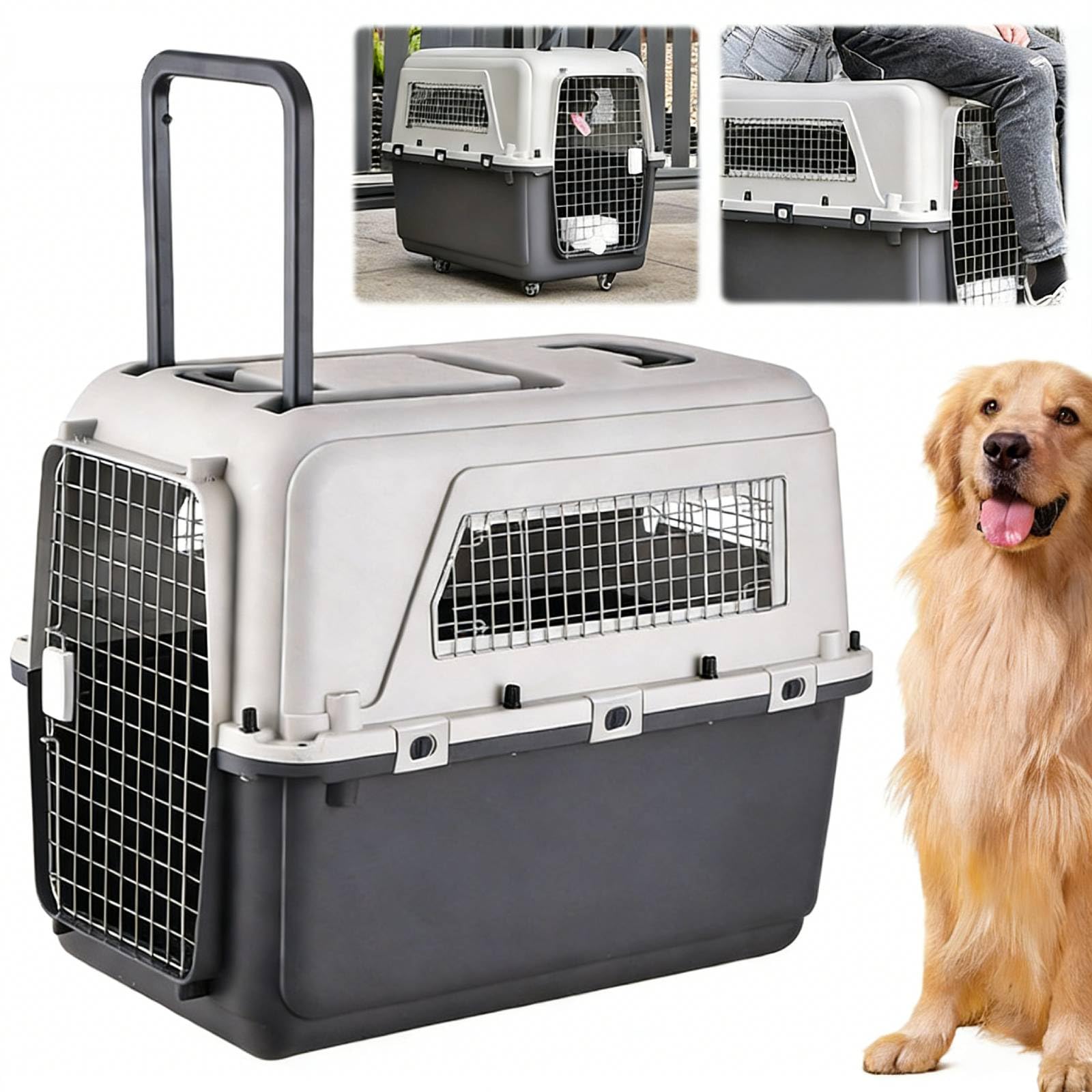
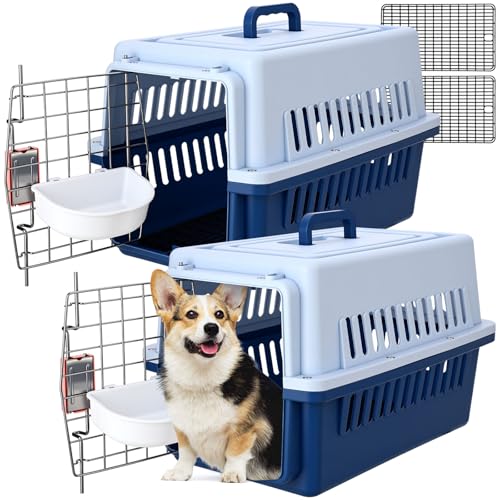

Airline Crates 101: The Basics
An airline crate is a rigid travel kennel built to keep a dog safe in the cabin or in the cargo hold of a plane. Unlike a soft carrier for a car ride, it must hold its shape when stacked, strapped, and handled by airport staff. Most models are hard plastic shells with a metal wire door, ventilation openings on the sides, and two halves that bolt together.
Airlines work from rules set by the International Air Transport Association, often shortened to IATA. Those rules cover size, ventilation, door security, and labeling. Each airline then adds its own limits on total weight, crate dimensions, and which routes accept animals at all. That is why a crate can be fine for one airline and one route, yet fail the rules for another.
A few terms come up again and again. Interior dimensions are the space your dog actually gets, and they matter more than the larger outside measurements. Ventilation means open slots or mesh panels that let air move through the walls. Hardware means the bolts and fasteners that join the top and bottom halves, and metal hardware is a common airline requirement.
Key Specs Explained in Plain English
Features That Matter for Dogs
Dogs need room to stand, turn around, and lie down in a natural position, and that simple test drives every sizing decision. Look for ventilation on at least three sides for cabin travel and on all four sides for international cargo travel, since many airlines require the extra airflow. A secure door latch matters because dogs push and paw at doors when they feel stressed. A leak proof bottom tray protects the crate and the aircraft if a nervous dog has an accident. Smooth interior walls with no sharp edges or chewable parts also matter, because a bored dog will test anything that sticks out during a long wait.
Intended Use and Who It Is For
Start by deciding where your dog will ride. Small dogs under the weight limit of the cabin can often travel under the seat in a soft carrier, while larger dogs travel in the cargo hold in a rigid crate like the ones in this guide. If your dog flies in cargo, our guide to the best dog crates for airline travel explains how airlines handle that process from check in to pickup. Owners planning one vacation flight need a different crate from owners who relocate often or fly for shows and breeding. Frequent travelers should value durability and replacement parts more, while one trip buyers can focus on correct fit and approval.
Key Performance Specs
The first spec to check is interior height. Your dog should stand without the tips of the ears or the top of the head touching the roof, with a few inches of clearance to spare. Interior length should let the dog lie flat without curling tight, measured from nose to the base of the tail plus extra room. Weight matters too, because airlines weigh the dog and crate together and many set a combined limit, often around 100 lb for cargo travel. Door size and strength come next, since a wide door makes loading calmer and a sturdy frame resists bending. Finally, check the total outside dimensions against the maximum size your airline lists for the aircraft on your route.
Safety and Certifications
No single global certificate guarantees acceptance, so treat claims with care. A crate that follows IATA design guidance is a strong starting point, but your airline makes the final call at the airport. Look for a door that latches securely and cannot be pushed open from inside, plus space for live animal labels and feeding instructions on the outside. Metal bolts joining the two halves are safer than plastic clips, which can crack under pressure. If your dog is anxious, talk with your veterinarian before the trip about calming options, and never sedate a dog for a flight unless your veterinarian advises it directly, since sedation can affect breathing and balance at altitude.
Build Quality and Materials
Most airline crates use molded hard plastic for the shell, and thicker plastic with reinforced corners handles stacking and rough handling better than thin, flexible panels. Steel wire doors resist chewing and bending better than plastic doors. Rust resistant metal hardware lasts longer if the crate will sit in garages or travel often. Owners with giant breeds should read our guide to the best airline crates for large dogs, because very large dogs need stronger shells and larger door frames than standard sizes provide. Flex the crate walls with your hand if you shop in person. Walls that bow easily under light pressure may not hold up in a busy cargo area.
Warranty and Customer Support
A clear warranty tells you the maker expects the crate to last. Look for coverage on cracks in the shell, door defects, and hardware problems for at least a year. Good support also means you can buy spare doors, bolt sets, and trays instead of replacing the whole crate after one damaged part. Keep your receipt and a photo of the crate label, since support teams often ask for both. Before a trip, confirm that replacement hardware can reach you in time, because a missing bolt found the night before a flight is a stressful and avoidable problem.
Rookie Mistakes to Avoid
- Buying by weight alone. Two dogs of the same weight can have very different heights and lengths, so always measure your dog and match the interior space, not just a weight chart.
- Choosing a crate that is too small. A snug crate may feel cozy at home, but airlines can refuse it if your dog cannot stand and turn with ease.
- Skipping the airline rules. Size limits, breed rules, and temperature limits change by airline and season, so check the exact rules for your flight before you pay.
- Waiting until travel week to train. A dog that meets the crate on departure day will panic, so start short, positive crate sessions weeks ahead.
- Using plastic clips instead of bolts. Many airlines require metal hardware, and clips can fail inspection even on an otherwise good crate.
Getting Started: Setup and First Use
Read the manual before first use, even for a simple two piece crate. Join the halves with every bolt in the set, tighten them evenly, and check that the door swings freely and latches with a firm click. Attach the water cup, add the required labels, and place absorbent bedding flat on the floor so it cannot bunch up and block the door.
Clean and inspect the crate regularly, especially before a trip. Wash the shell with mild soap, dry it fully, and look for cracks around the bolt holes and door frame. At home between trips, some owners keep the crate out as a resting spot, and if looks matter in your living room you can compare styles in our guide to the best looking dog crates. For dogs that also travel by car, our roundup of the best travel crates for dogs covers lighter options for road use, while owners of big breeds at home may also want the best dog crates for large dogs for daily use.
Training is the final setup step. Feed meals near the crate, then inside it with the door open, then with the door closed for short periods. Add the sounds and motion of a car ride once your dog relaxes inside. A calm dog that chooses the crate on its own will handle airport noise and waiting far better than a dog that only knows the crate from one stressful day.
FAQs
What features matter most in airline crates for dogs?
Correct interior size matters most, followed by a secure metal door and strong bolted construction. Ventilation on all required sides and a leak proof floor come next. One point many buyers miss is handle strength. Staff lift loaded crates by the handles, so solid molded handles or a sturdy top grip help keep your dog level and calm during transfers between carts and the aircraft.
Are expensive airline crates worth it?
They can be worth it if you fly often or own a large, strong dog. Higher prices usually buy thicker shells, better doors, and spare parts that stay available for years. For a single trip with a small, gentle dog, a sound midrange crate that passes your airline rules is often enough. Spend first on fit and hardware, and only then on extras like premium finishes or added storage.
How much should I spend on an airline crate?
Most buyers spend about $50 to $250, depending on size. Small crates often fall under $100, while giant sizes with heavy doors can cost well above $200. Budget extra for a water cup, absorbent bedding, labels, and a spare bolt set. If a price looks far below similar sizes, check the wall thickness and hardware material before you trust it with a cargo flight.
How do I maintain an airline crate?
Wash the shell and tray after each trip, dry all parts fully, and store the crate indoors away from strong sun, which can make plastic brittle over time. Check bolts, the door latch, and the hinges before every use and replace bent or rusty hardware at once. A quick wipe of the door wire with a damp cloth stops grime from building up around the latch, which keeps the closing action smooth and secure.
What features matter most when buying airline crates?
Focus on airline acceptance first, then fit, door security, and ventilation. A crate with lovely extras is useless if the counter staff refuse it. One extra check that helps is the label area. Smooth flat spots on the shell hold live animal stickers and feeding notes well, and clear labels reduce handling mistakes when several animals travel on the same flight.
Final Thoughts
The right choice comes down to three things: interior room your dog can stand and turn in, construction that passes your airline rules, and a door and hardware set you trust. Match the crate to where your dog will ride, train early, and inspect the crate well before departure day. Compare your shortlist with the product table above, and you will find the best airline crates for dogs choice for your trip with far less stress.


