Best Air Pumps for Air Mattresses for 2026: Which One Fits the Way You Use It?
Disclosure: We may earn a commission when you buy through links on this page, at no extra cost to you. As an Amazon Associate I earn from qualifying purchases. Learn more
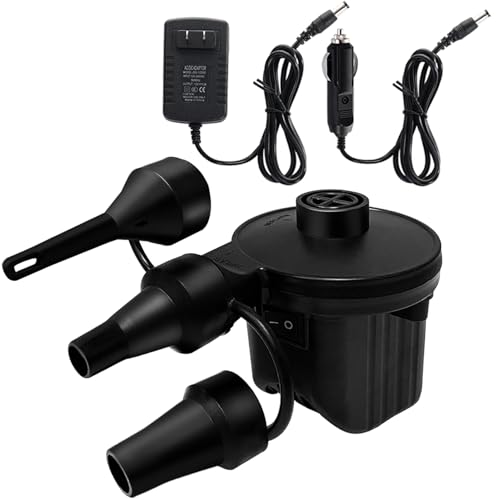
Not all air pumps fit every routine. See which best air pumps for air mattresses match how you actually use them, what features to prioritize, and what to skip.
There is no single pump that is best for everyone, because an air mattress lives very different lives in different homes. One sleeps guests every month, one goes camping, and one stays up full time in a small apartment. When you shop for the best air pumps for air mattresses, your routine, not a spec sheet, should lead the choice.
This guide sorts buyers by how they actually use the mattress, then explains the features that matter for each routine. Use the comparison table below as a quick map, then read the sections that match your situation.
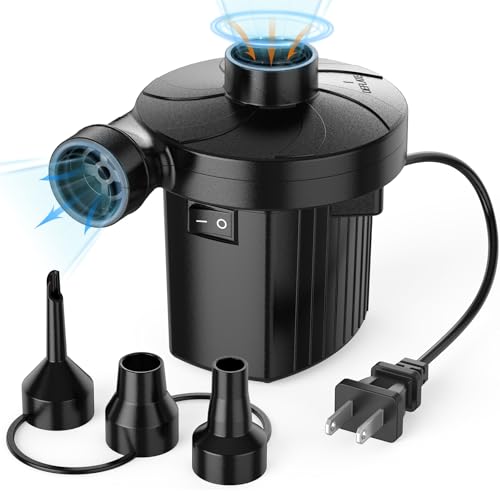
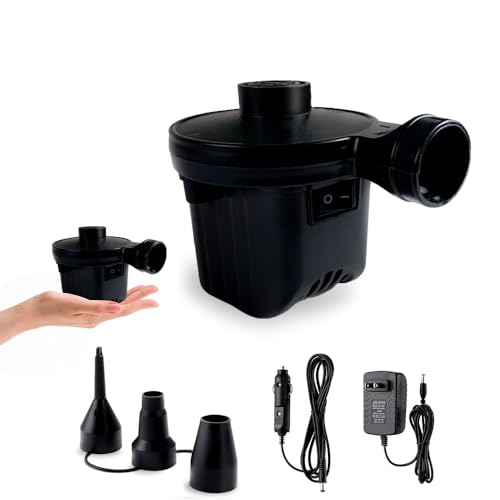


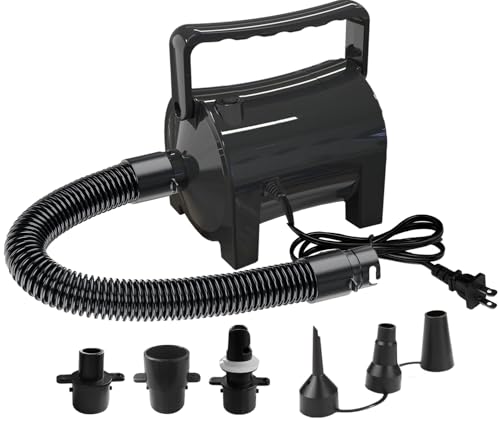

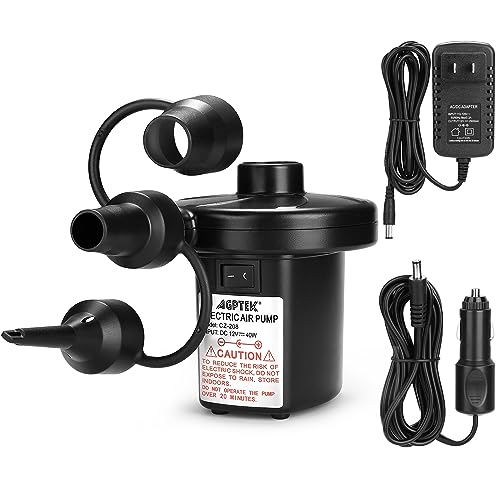


Who Should Buy Which Air Pumps?
For First Time Buyers
First time buyers need a pump that is simple, reliable, and hard to misuse. Choose a basic electric plug in pump with clearly marked inflate and deflate ports, a small set of nozzle adapters, and instructions printed on the body. Skip pumps with many modes and tiny controls. Your first goal is a firm, even fill on the first try, plus a deflate mode that pulls air out so the mattress folds flat for storage. A model that works with standard valves also protects you if you replace the mattress later.
For Gift Shoppers
Gift shoppers should favor compatibility and calm. A pump with several nozzle sizes fits the widest range of mattresses, pools of valves, and inflatable furniture the recipient may already own. Look for a tidy storage bag, a clear warranty, and a power cord long enough to reach a wall outlet from the floor. Avoid battery only models as gifts unless you know the recipient camps, since a plug in pump is the safer everyday choice. A quiet motor is a thoughtful extra, because a gift that wakes the house at setup time rarely feels generous.
For People Who Want the Best Performance
Performance buyers care about speed, firmness control, and repeat results. Look for a high airflow rating, a deflate mode with real suction, and either a pressure based auto shutoff or a simple dial that returns to the same setting each night. A secondary pump function that tops up air quietly is valuable on mattresses used for weeks at a time. Sturdy hose connections matter here too, because a small leak at the nozzle wastes the speed you paid for. This is the group that benefits most from comparing the dedicated options in our guide to the best air mattress pumps.
For Value Seekers
Value seekers need a fair balance of price and durability, not the lowest price on the page. A mid priced electric pump with a metal or reinforced housing around the motor, replaceable nozzle tips, and a warranty of at least one year usually outlasts two bargain pumps. Check what the pump includes before you call it cheap. If you must buy adapters, a case, and batteries separately, the total climbs fast. Value also means repairable habits, such as a hose that detaches for storage instead of bending at the same weak point every time.
Key Features to Compare
Features That Matter for Air Mattresses
Air mattresses need high volume at low pressure, which is the opposite of a tire inflator. Look for airflow described in cubic feet per minute or in simple fill time claims for a queen mattress, usually a few minutes for a good electric model. The nozzle must seal against your valve type, whether that is a large Boston style valve, a double lock valve, or a small pinch valve. A deflate port is nearly as important as inflation, since trapped air makes storage bulky and stresses seams. Automatic shutoff at a set firmness is the premium feature that most improves daily use.
Motion Isolation and Noise
Pump noise matters in two moments. The first is inflation at night, when a loud motor and a vibrating plastic housing can carry through a quiet home, so rubber feet and a solid body are worth having. The second is sleep itself. A pump cannot improve motion isolation directly, but the firmness it delivers can, because a well filled mattress spreads movement instead of letting one sleeper dip and roll the other. If your mattress has a built in pump with a quiet top up mode, ask how loud that cycle is, since a sudden hum at 3 a.m. bothers light sleepers more than the first fill.
Certifications (CertiPUR US, OEKO TEX, RDS)
These three labels belong to the mattress and bedding world, not to pumps, and knowing that saves confusion. CertiPUR US covers foam, OEKO TEX covers textiles tested for harmful substances, and RDS covers responsibly sourced down. None of them tells you anything about a pump motor or its wiring. For a pump, look instead for a recognized electrical safety listing, such as UL or ETL marks, clear ventilation slots that stay unblocked, and instructions that warn against running the motor past its stated duty cycle. Apply the foam and fabric labels when you shop for the mattress itself.
Material and Fill
On a pump, material means the housing, hose, and moving parts rather than foam or fill. A tough ABS style housing shrugs off drops, a flexible hose that resists kinking keeps airflow steady, and a quality diaphragm or fan inside decides how long the pump keeps its strength. The fill of your mattress is simply air, which is why pump control matters so much. Slight changes in air volume change firmness a lot, especially as room air cools overnight and the mattress feels softer by morning. A pump that makes small top ups easy is therefore a comfort feature, not a luxury.
Durability and Care
A durable pump survives heat, dust, and storage. Motors overheat when intake vents clog or when a small pump runs far past its rated minutes, so choose a model sized for your largest mattress and let it rest between fills. Wipe the body with a dry or slightly damp cloth, keep the hose loosely coiled, and store the nozzles together so none vanish. Warranty length tells you how much the maker trusts the motor, and a clear support path matters if a switch fails. Treat care as part of the purchase, since most pump deaths trace back to heat and rough storage.
Common Mistakes to Avoid When Buying Air Pumps
- Judging by price alone. The cheapest pump often lacks a deflate mode and a sealing nozzle, so you pay later in time and frustration.
- Ignoring valve fit. A powerful pump with the wrong nozzle leaks air at the joint and may never reach the firmness you want.
- Buying a tire inflator by mistake. High pressure and low volume tools fill air mattresses painfully slowly and can stress valves built for gentle airflow.
- Oversizing or undersizing the pump. A tiny travel pump overheats on a tall queen mattress, while a huge pump is needless bulk for a twin used twice a year.
- Skipping the warranty check. Motors are the first part to fail, so a short or unclear warranty is a real cost, not fine print.
Setup and Care Tips
Before guests arrive or a trip begins, do one full practice run. Unroll the mattress, fit the nozzle firmly, inflate to a firm but not drum tight feel, and let it sit for an hour to confirm it holds air. Mark which nozzle fits your valve with a small piece of tape, so setup in the dark stays calm. This test also reveals slow leaks while returning the mattress is still easy.
For storage, deflate fully with the pump suction mode, fold the mattress loosely rather than creasing it hard, and keep the pump and hose in the same bag. If your mattress stays inflated for weeks, check firmness every few days and top up in short bursts. When you shop for a replacement bed or a second one, our guide to the best air mattresses explains the valve and height choices that pair best with the pump you own.
Air Pumps: Your Questions Answered
What features matter most in air pumps for air mattresses?
Valve fit, airflow, and a true deflate mode matter most, in that order. A pump that seals well and moves a lot of air at low pressure will fill a queen mattress in minutes and empty it flat for storage. Auto shutoff is the next upgrade if you inflate often. One extra check is cord or battery practicality. A pump you cannot position flat and stable beside the valve will leak air no matter how strong its motor claims to be.
How often should I replace my air pump?
Replace your air pump when it takes far longer to fill than it once did, overheats quickly, or loses its seal at the nozzle. Many household pumps last several years with light use, while a pump run weekly may wear sooner. Before replacing, clean the intake vents and test a different outlet, since dust and weak power mimic motor failure. If the body cracks around the hose joint, replacement is safer than tape, because leaks there strain the motor.
Are cooling air pumps worth it for hot sleepers?
No pump cools air in any meaningful way, so a cooling claim on a pump is not worth paying for. Cooling is a mattress surface and bedding question, handled by fabric choice and room airflow. What a hot sleeper should want from a pump is a full, even fill, because a sagging mattress traps body heat in the dip. Also note that air pumped in on a warm evening contracts as the room cools, so a morning top up restores support better than any cooling feature would.
Is a higher thread count always better?
No, and thread count has nothing to do with a pump at all. It is a sheet fabric measure, and even for sheets it can mislead. For pump shopping, the honest equivalents are airflow, duty cycle, and nozzle fit. A seller who leads with bedding language on a pump listing is mixing categories. Spend your attention on fill time for your mattress size and on whether the pump can also deflate, since those two facts predict your daily experience.
How do I wash air pumps safely?
You do not wash an electric air pump. Unplug it or remove its batteries, then wipe the housing with a dry cloth or one that is barely damp, and keep all moisture away from vents, switches, and the nozzle opening. Clean loose dust from the intake with a soft brush. Water inside a motor housing is a safety risk and a common cause of failure, so never rinse a pump or use it with wet hands near the outlet. Let it dry fully before storage.
What firmness is best for back pain?
A medium firm feel suits many sleepers, but there is no single firmness that treats back pain, and an air mattress is a flexible guest or short term bed rather than a medical fix. The advantage of a good pump is small adjustments, so you can add or release a little air across several nights and note what helps. See a doctor or qualified clinician promptly if pain shoots down a leg, causes numbness or weakness, follows an injury, or keeps returning, and ask that clinician about your personal sleep setup.
Final Thoughts
Match the pump to your routine first, then confirm valve fit and airflow, then let warranty and noise break any tie. First time and occasional users do well with a simple plug in model, while frequent hosts gain the most from auto shutoff and a strong deflate mode. For a wider look at styles beyond mattress use, our guide to the best air pumps covers the broader category.
Chosen with those points in mind, the best air pumps for air mattresses stop being a gamble and become a small tool that quietly does its job. Compare your finalists in the product table above, and talk with your clinician about personal needs if back or joint pain is part of your decision.