
Best air max shoes 2026: Buying Guide
Disclosure: We may earn a commission when you buy through links on this page, at no extra cost to you. As an Amazon Associate I earn from qualifying purchases. Learn more

Learn how to choose air max shoes for running or daily wear, from cushioning and fit to running versus lifestyle models, so you pick a pair for your routine.
Shopping for best air max shoes can feel confusing because so many options look similar at first glance. This guide is written for people who like visible cushioning and a street ready look, and it focuses on the practical differences that affect daily use rather than headline claims. Use it to narrow your shortlist before you spend money.
The appeal here is a shoe that feels soft underfoot and still looks good away from a run. Try them on with the socks you normally wear and walk around for several minutes, because the air unit changes how the heel sits. Pay attention to whether your heel feels held in place or whether it lifts as you step.


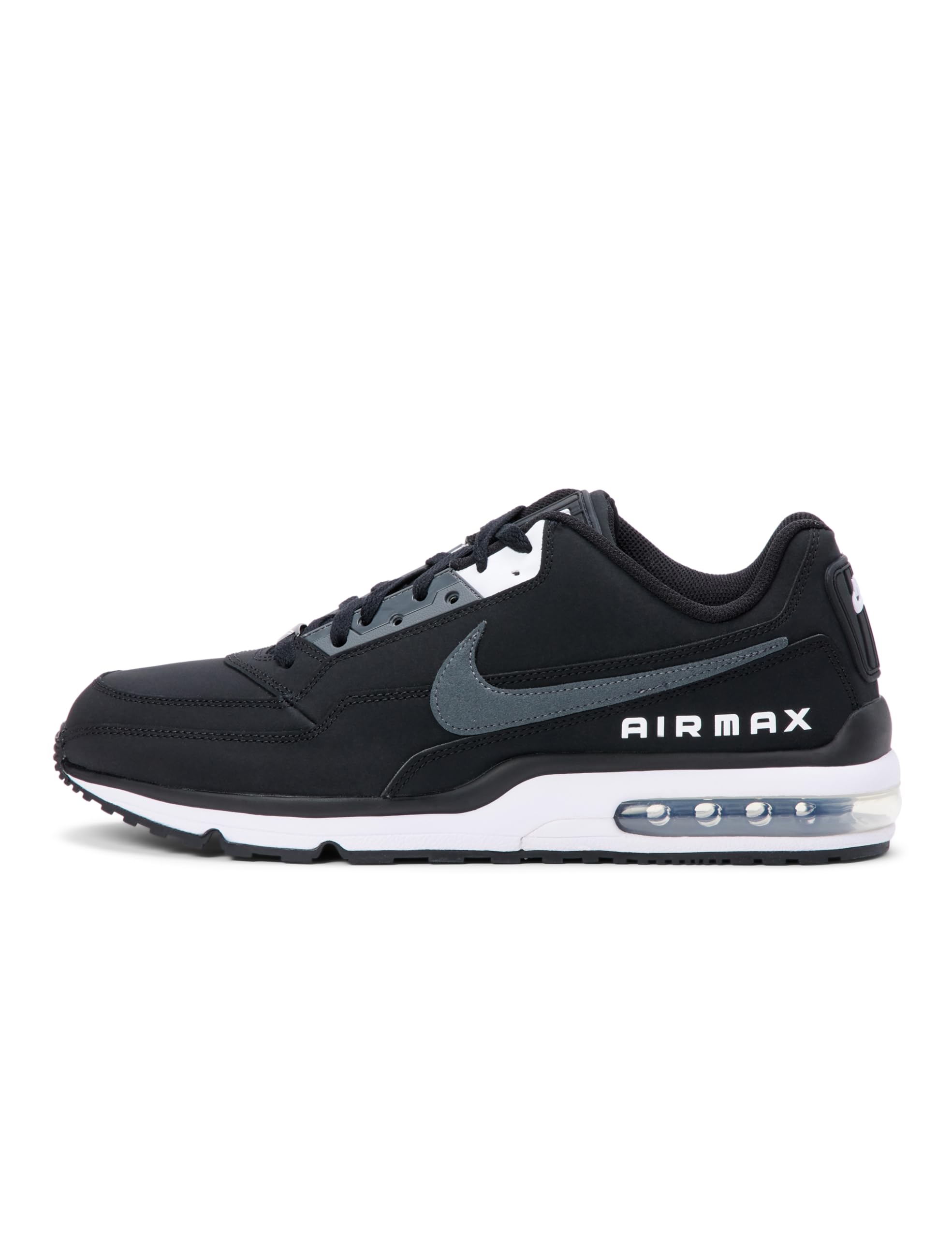


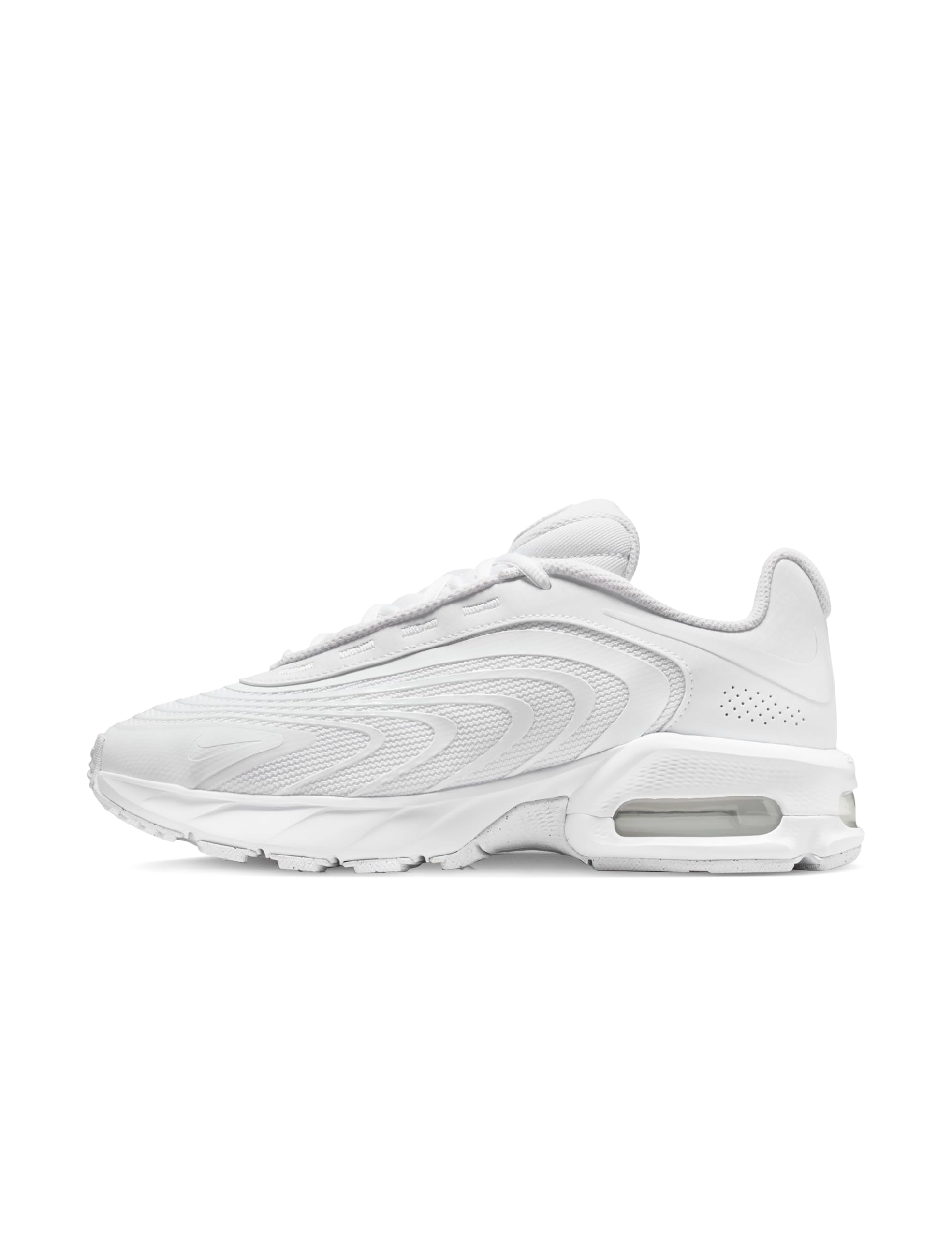
The comparison table below gives a quick overview, while the sections that follow explain what each feature means in real use. Take your time with the sections that match your situation most closely, because a feature that matters little to one buyer can matter a great deal to another.
Who Should Buy Best air max shoes
This category suits buyers who want a dependable option for regular use rather than a specialist tool for a single task. If your routine includes the everyday situations described above, a well chosen model will serve you better than a cheaper option that misses a key feature or a premium option whose extras you never use.
It may not suit you if your needs are highly specialist or if you already own a setup that covers this job well. In that case, focus on the one gap in your current setup instead of replacing everything. A targeted upgrade usually gives better value than a complete change.
Key Features to Compare
Use this list as a checklist when you compare models side by side. Tick off the features that matter for your routine and ignore the rest, because chasing every feature often pushes you toward a more expensive model without improving your daily experience.
- Visible air cushioning in the heel or full sole
- An upper that holds the midfoot without pinching
- Outsole grip suited to your usual surfaces
- Toe room that lets toes spread naturally
- A weight you are happy to wear all day
When two models look equal on paper, the deciding factor is often comfort or ease of use in your own setting. A feature that sounds minor in a description can become a daily frustration if it does not fit your hands, your room, or your routine.
Running Models Versus Lifestyle Models
This is the most important distinction in the range. Running models are tuned for forward motion, with a flexible forefoot and a breathable upper, while lifestyle models put more weight on looks and all day comfort. Neither is wrong, but buying a lifestyle model for marathon training, or a racing model for standing all day, will disappoint.
Check the product description for the intended use and look at the sole pattern. A running sole usually has flex grooves and a smoother heel strike area, while a lifestyle sole may be flatter and stiffer. If you plan to do both, choose a model that leans toward your main activity and accept a small compromise on the other.
Planning for Everyday Use
Think about a normal week rather than a perfect day. How often will you use this, where will you store it, and who else might use it? Answers to those questions reveal practical needs that a specification list hides, such as cleaning, charging, storage, and replacement parts.
Also plan for upkeep from the start. A product that is easy to clean, maintain, and repair will cost less over time and cause fewer frustrations than one that needs special care. Check whether spares, straps, filters, or covers are easy to find before you commit.
If you feel sharp pain, swelling, numbness, or a change in foot color while running or walking, stop and rest, and talk with a clinician if the symptoms persist or return. Shoes can support comfort, but they do not diagnose or treat foot problems.
Common Mistakes to Avoid
One common mistake is buying on price alone and discovering a missing feature later. Another is buying the largest or most powerful option when a mid range model would have suited daily use better. A third is ignoring size and fit, which matter more than most buyers expect until the product arrives.
Take measurements, check return terms, and read the maker guidance for care and limits before you order. A few minutes of checking now can save a return, a restocking fee, or months of living with a poor fit.
A Final Check Before You Order
A short checklist before ordering can save a return. First, confirm that the size and fit suit your space, your body, or your existing setup, depending on the product type. Second, check that the features you care about most are present, not just mentioned in passing. Third, confirm the total cost, including any accessories you will need on day one.
Also consider how you will look after the product over time. Cleaning, charging, storage, and occasional replacement parts all affect long term satisfaction. A product with simple care needs will usually serve you better than a complex one that demands constant attention, even if the complex one looks more impressive at first.
If you are choosing between two close options, pick the one that fits your most common day rather than your most exciting day. Everyday comfort and reliability matter more than rare peak performance for most buyers, and the right everyday choice is the one you will be glad you made months later.
Caring for Your Choice Over Time
Long term value comes from regular care as much as from the initial choice. Follow the maker guidance for cleaning and storage, and set a simple routine that you can actually keep. A product that is easy to maintain will stay in good condition far longer than one that needs elaborate care you abandon after a month.
Watch for early signs of wear and deal with them promptly. A loose fitting, a worn part, or a fading battery often starts small and grows into a bigger problem if ignored. Replacing a small part early is usually cheaper and simpler than replacing the whole product later.
Think about how your needs may change over the next year. A product with a little room to grow, whether in size, capacity, or features, adapts better than one that only just meets today needs. That flexibility is worth a small premium when the alternative is buying twice.
When the time comes to replace the product, your experience with this one will guide the next choice. Note which features you used daily and which you ignored, and let that list shape your next shortlist. Good buying gets easier with each thoughtful purchase.
Related Guides
If you want to compare a related option, see our guide to best nike air max shoes for more detail on that choice. If you want to compare a related option, see our guide to best air jordan shoes for more detail on that choice.
Frequently Asked Questions
What makes air max shoes different from other cushioned shoes?
The visible air unit in the sole is the main difference, and it is designed to absorb impact while keeping the shoe light. The rest of the shoe still matters, so check the upper support, the outsole grip, and the fit around the midfoot before you decide.
Are air max shoes good for running?
Some models are built for running and some are built mainly for style and daily wear. A running model will have a more flexible forefoot and a lighter upper, while a lifestyle model may be heavier and stiffer. Match the model to how many miles you actually run each week.
How should air max shoes fit?
They should feel snug around the midfoot with room for your toes to spread, and your heel should not slip. Because cushioning compresses over time, a shoe that feels perfect but very soft in the shop may feel less supportive after a few months of daily wear.
Do air max shoes suit wide feet?
Some versions run narrow, especially around the toe box, so wide footed buyers should try a wide version where one exists or size up only after checking the length. A shoe that is too long will cause your foot to slide forward, which can lead to blisters on longer walks.
How long do air max shoes usually last?
For daily wear, expect the cushioning to feel best for the first several months and then gradually firm up. Rotating two pairs, keeping them dry, and avoiding constant use on rough ground will help the soles and uppers last longer.
Final Thoughts
Choosing the right best air max shoes comes down to matching the product to your routine, your space, and your budget, in that order. The product table above can help you compare options, but your own daily use is the best guide to which features deserve priority.
Shortlist two or three options, check them against the points in this guide, and choose the one you will enjoy using every day. A thoughtful choice now pays off in comfort and value for a long time afterwards.


