Best All Purpose Running Shoes 2026 Buying Guide
Disclosure: We may earn a commission when you buy through links on this page, at no extra cost to you. As an Amazon Associate I earn from qualifying purchases. Learn more

Compare all purpose running shoes by cushion, support, fit, and road feel, with sizing, rotation, and care guidance for daily training and easy runs.
One pair of running shoes has to handle easy recovery miles, steady training days and the odd faster session, and it should still feel good when you walk to the store afterward. The best all purpose running shoes do that by pairing balanced cushioning with a comfortable fit and an outsole that grips wet pavement.
This guide explains the shoe types, the features that matter, and how to fit and care for a pair. Use the product table above to compare current options once you know which kind of shoe suits your stride.



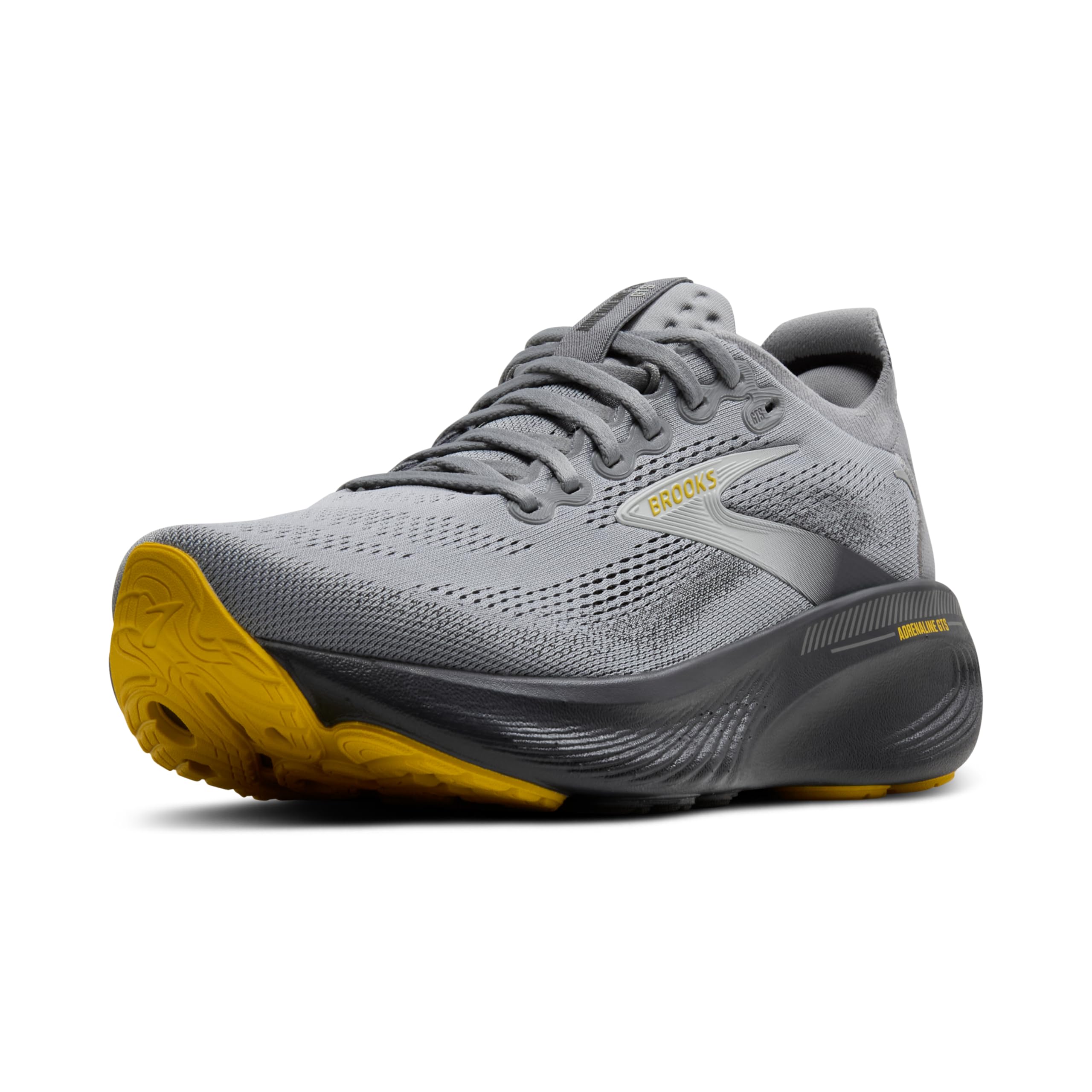

Who Should Buy All Purpose Running Shoes
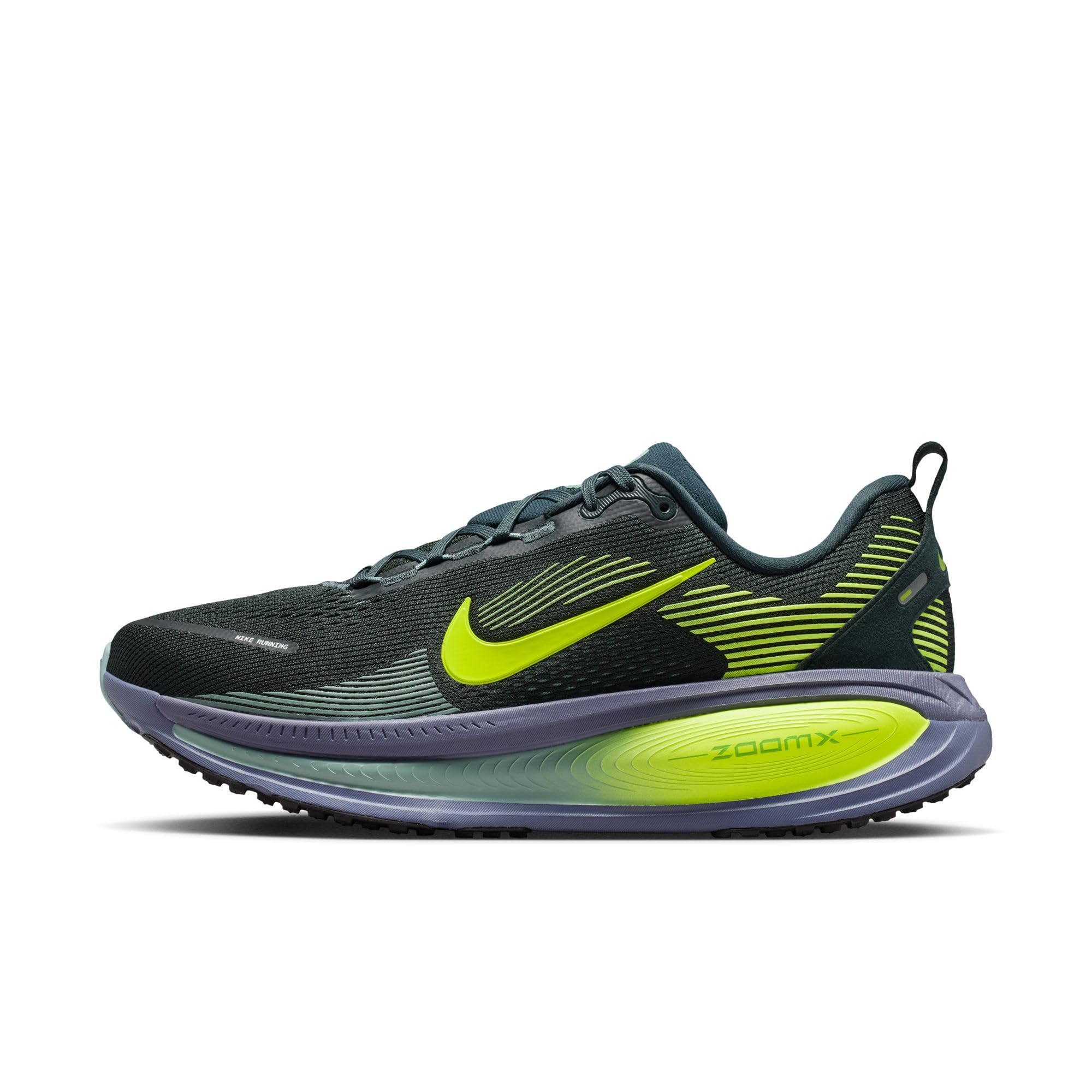
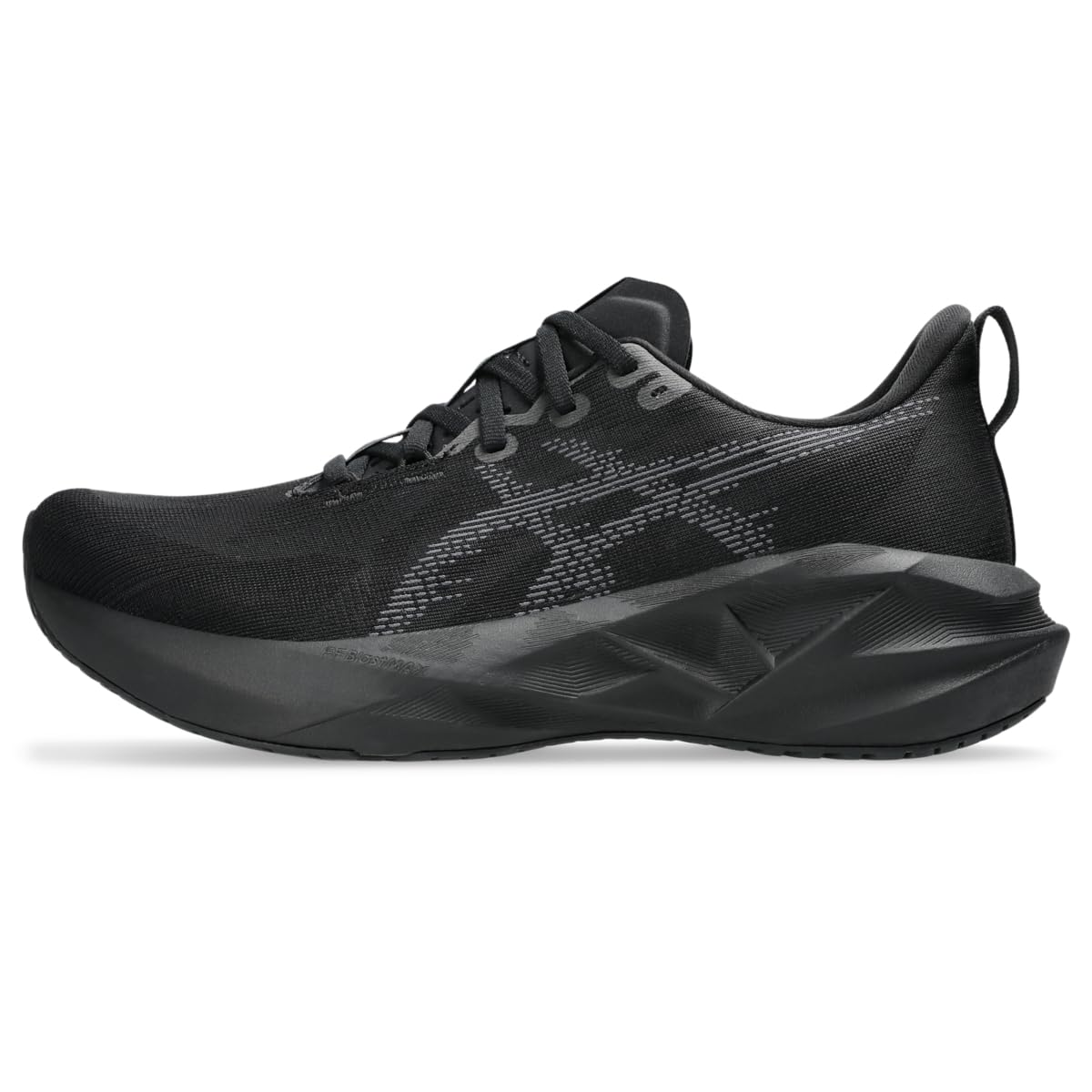
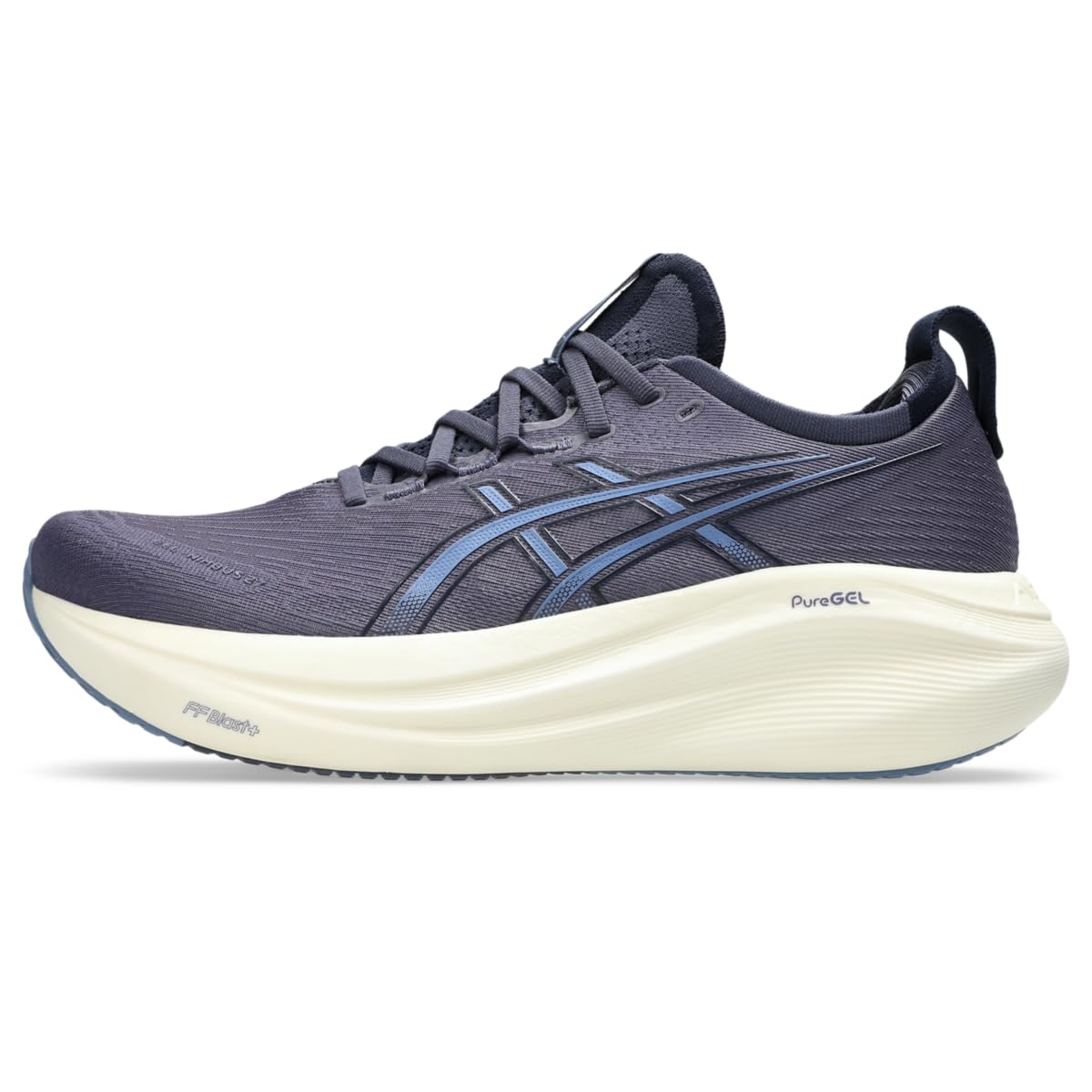
These shoes suit runners who log a few road miles each week and want one dependable pair rather than a rotation of specialists. They also suit new runners who are still finding their pace, and people who split time between running and walking. Racers chasing times will eventually want lighter shoes for fast days, and trail runners need lugs that road shoes lack.
Types Compared
Daily Trainers
Daily trainers balance cushioning and weight for regular road miles and recovery runs. They are the safe default for most runners and the core of this category.
Light Tempo Shoes
Lighter, snappier shoes feel quicker for faster sessions but give up some cushioning on very long runs. They suit runners who mostly run short and quick.
Stability Shoes
Stability shoes add guidance for runners whose feet roll inward more than usual. If you have worn out the inside edge of old shoes quickly, a stability model may feel steadier. Neutral shoes suit most other runners.
Key Features to Compare
Cushioning
Cushioning should stay even over long miles, neither mushy nor harsh. Thick soft foam feels plush for easy runs, while firmer foam gives a more responsive ride. Heavier runners often prefer a little more cushioning.
Support and Stride
Support that suits a neutral stride gives a steady ride without correcting your foot. If you overpronate, look for guide rails or a firmer medial post. A gait check at a running store takes a few minutes and helps you choose.
Fit and Upper
The upper should hold the midfoot without pinching and give your toes room to spread. Breathable mesh keeps feet cooler in warm weather, and a padded heel collar prevents slipping. Feet swell on a run, so leave a thumb width ahead of the longest toe.
Outsole Grip and Durability
Rubber coverage under the heel and forefoot protects the foam and grips wet pavement. Shoes with exposed foam are lighter but wear faster. Expect roughly 300 to 500 miles from a good pair.
Matching a Shoe to Your Running
Think about the surface and the pace of most of your runs. Pavement and treadmill miles reward softer, more cushioned foam, while mixed paths and track work reward a firmer, more responsive midsole. If you run four or more days a week, consider two different pairs, a cushioned one for easy days and a lighter one for faster efforts. If you run two or three days a week, a single balanced daily trainer is enough.
Body weight matters too. Heavier runners compress foam more, so they often feel better in shoes with extra midsole volume or a firmer foam. Lighter runners can enjoy softer foams without bottoming out. Whatever you choose, pay attention to how your legs feel the day after a run: persistent soreness in the same place is a signal to try a different shoe.
Weather also plays a role. Waterproof uppers keep feet drier but run warmer, so many road runners prefer breathable mesh and just accept damp socks in the rain.
Fit, Rotation and Compatibility
Try shoes late in the day with the socks you run in, and walk and jog a few steps. Your heel should stay put, and nothing should rub. If you use custom insoles, check that the shoe has a removable footbed. Rotating two pairs when mileage rises lets the foam recover between runs and may extend the life of both.
Budget and Value
Expect to spend about $90 to $180 for a solid pair, with simpler models below that range and premium models above it. Older versions of popular models often drop in price when a new version arrives and can be a bargain if the fit is the same. Consider the cost per mile rather than the sticker price.
Care and Safety
Air shoes out after wet runs, and stuff them with paper to absorb moisture. Do not machine dry them. Replace them when cushioning feels flat, the outsole is worn smooth or you notice new aches. If pain, swelling or numbness persists during running, talk with a clinician or podiatrist.
Common Mistakes to Avoid
- Buying on looks or price alone, without checking fit.
- Choosing shoes a half size too small, which leads to bruised toenails.
- Running in worn out shoes long past their cushioning life.
- Buying a racing flat as an everyday shoe.
- Skipping a break in period before a long run.
Related Guides
For a wider view, read our guide to the best running shoes. Tennis shoe wearers who also run may like the best tennis shoes for running, and brand focused buyers can compare the best nike running shoes. See also the best male running shoes and the best ladies running shoes.
Frequently Asked Questions
How do I choose the right all purpose running shoes?
Start with how often and how far you run, then pick a cushioned daily trainer with a fit that suits your foot shape. Try a few models and keep the one that feels comfortable from the first step.
What size matters most for running shoes?
Length and width both matter. Running shoes are often a half size larger than street shoes, to leave room for swelling. Check the width options if your forefoot feels squeezed.
How much should I spend on running shoes?
About $90 to $180 covers most good daily trainers. Spend more only if a premium model fits better or lasts longer for your mileage.
How do I care for my running shoes?
Let them dry naturally after wet runs, rotate pairs, wipe off mud, and keep them away from heat. Replace them when cushioning flattens.
Can I use all purpose running shoes for the gym?
Yes for treadmill work and light gym sessions. For lateral drills and heavy lifting, a cross trainer gives more side support.
Final Thoughts
Choose a cushioned, comfortable daily trainer in your size and stride type, and check that the outsole will last through your weekly mileage. Compare options in the product table above. The best all purpose running shoes are the ones you will happily lace up for most of your runs.