Best Air Mattresses That Don't Leak: Buying Guide for 2026
Disclosure: We may earn a commission when you buy through links on this page, at no extra cost to you. As an Amazon Associate I earn from qualifying purchases. Learn more
Compare the best air mattresses that don't leak with this buying guide on seams, valves, pumps, and materials, plus care tips for a full night of sleep.
Waking up on a half flat mattress at 3 a.m. is one of the fastest ways to ruin a guest visit or a camping trip. Most slow leaks do not come from one big hole. They come from weak seams, a loose valve, or thin material that stretches a little more each night. This guide to the best air mattresses that don't leak shows you how to spot strong construction before you buy. Use the comparison table below to check height, size, and pump type as you read.
A mattress that holds air well is not always the most expensive one. What matters is how the seams are bonded, how the valve seals, and whether the internal structure spreads your weight instead of pulling at one weak point.

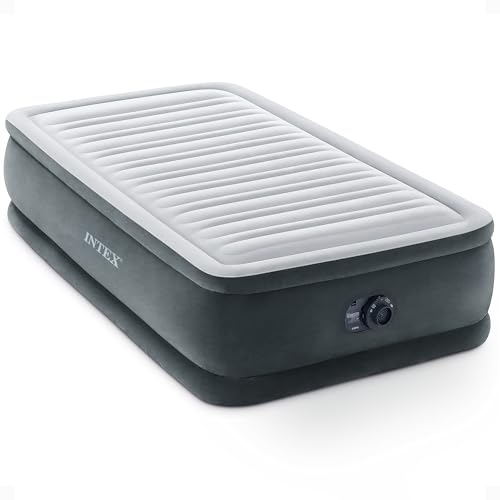



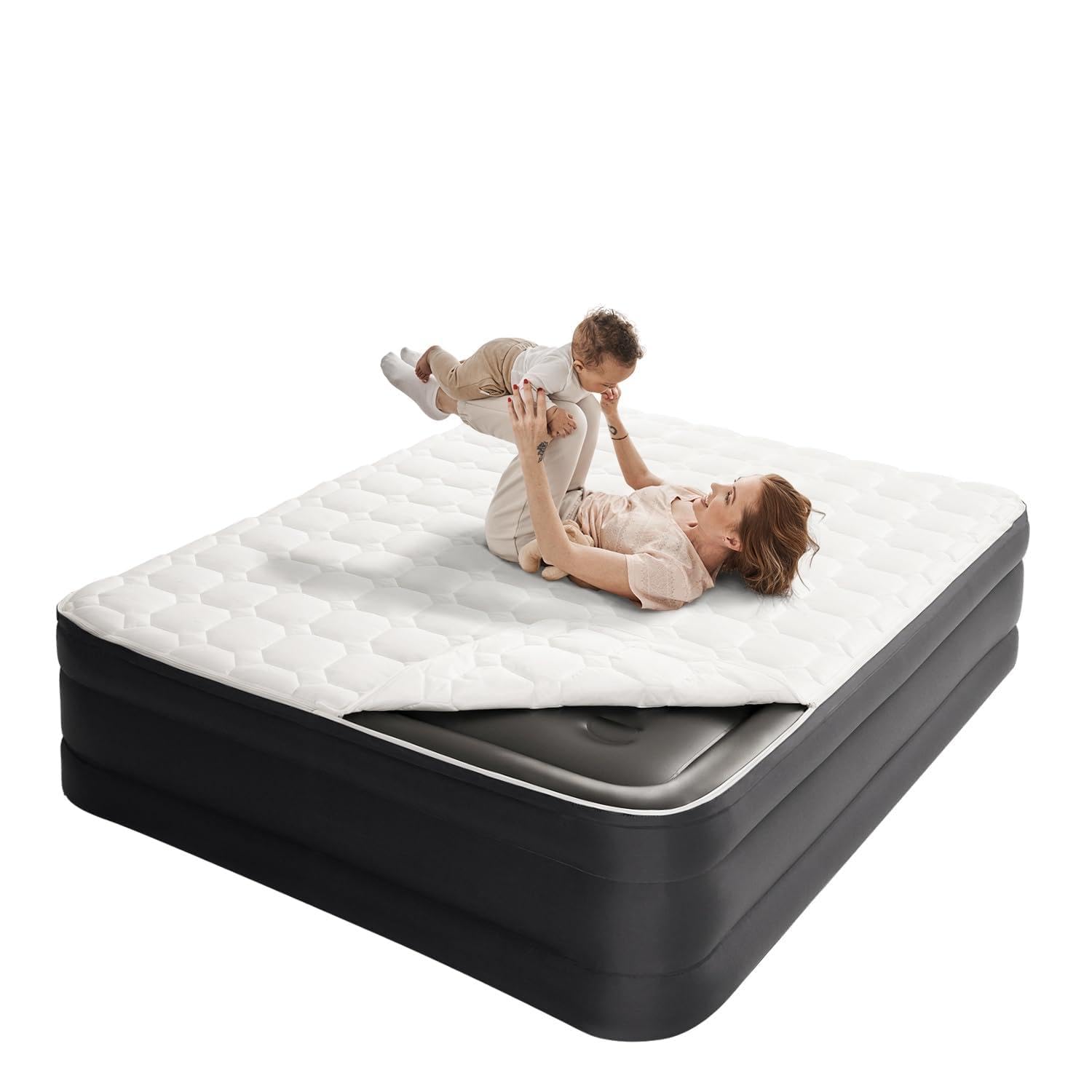


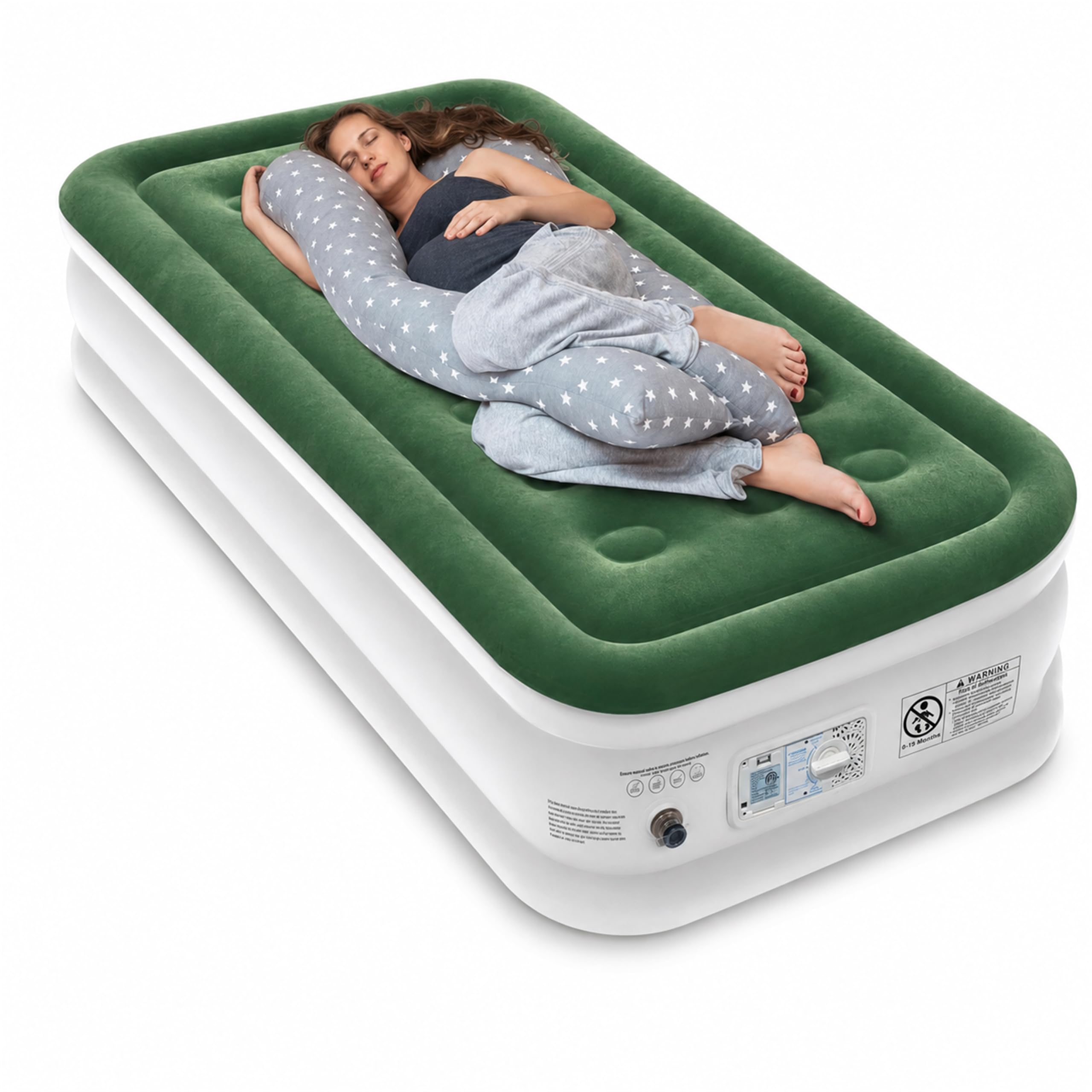
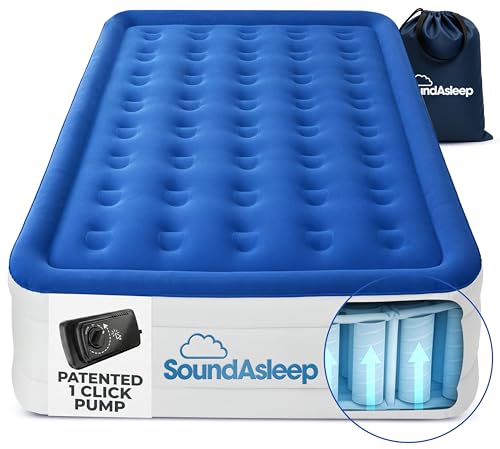
Three Buying Profiles at a Glance
The Overall Profile to Look For
Look for a raised bed, usually about 18 to 22 inches high, with welded seams, a flocked sleeping surface, and a built in electric pump that shuts off at the firmness you set. This profile suits guest rooms and longer visits because the height makes getting in and out easier. Expect to pay about $80 to $150. The main trade off is weight, since a raised bed with a pump is bulky to carry and needs an outlet nearby.
The Value Profile to Look For
A value pick in profile terms is a standard height bed, about 9 to 13 inches, with reinforced seams and a simple twist valve that locks in two stages. It will not feel as close to a real bed, and you may need a separate pump, but a well made one can hold air for several nights. Prices often sit around $35 to $70. Check that a repair patch and clear warranty terms are included, because value beds vary the most in quality control.
The Upgrade Profile to Look For
Upgrade models add a secondary pump or sensor system that quietly tops up air during the night, plus thicker puncture resistant material and a carry bag. That constant pressure support helps couples, because movement on one side changes pressure on the other. Expect about $150 to $250. The trade off is noise from the top up pump and more parts that can fail, so a warranty of at least one year matters more at this tier.
How to Choose the Best Air Mattresses That Don't Leak: Buying Guide
Material and Construction
Material is the single biggest factor in whether a bed leaks. Most models use PVC vinyl, and thickness matters more than marketing words. Look for a stated gauge or a description of multilayer or reinforced material, since thin single layer vinyl stretches at the seams and forms pinholes over time. Some newer beds use TPU coated fabric, which flexes with less stretching and resists cracking in cold rooms.
Heat welded seams described as reinforced or double welded tend to outlast glued seams, which can soften with heat and age. Look for wide, even seam lines with no puckering. A flocked top also protects the surface from friction and helps sheets stay in place.
Valves, Pumps, and Seals
More air escapes at the valve than anywhere else. A good valve has a firm cap, a one way internal flap, and a wide mouth that locks with a clear click or a full twist. If the cap feels like the only seal, skip that model. Air slowly pushes past a loose cap all night, and the bed feels fine at bedtime and soft by morning.
Built in pumps reduce leaks from repeated opening of the valve, because you inflate and deflate through the pump housing. Manual pumps mean the valve opens more often, which wears the seal faster. Practical tip: after inflating, press the valve area and listen. A faint hiss tells you the seal will not hold overnight.
Size and Fit
Choose size by sleeper, not by room alone. A twin suits one adult or a child, a full gives one adult room to turn, and a queen is the practical minimum for two adults. Check the inflated dimensions in the listing, because air beds often measure one to two inches smaller than a standard mattress of the same name. That gap affects fitted sheets, which can pull loose and tug at the surface.
Height changes both comfort and leak risk. Taller beds hold more air, so a tiny leak changes firmness more slowly, but they put more pressure on side seams. For an older guest, the easier exit of a raised bed usually outweighs that concern. For camping, a lower bed fits tent headroom better.
Internal Support and Pressure Spread
Edge support matters if you sit on the side to dress. Look for a reinforced perimeter or wraparound frame structure. Readers comparing a permanent bedroom fix often look at the best mattresses that don't sag and keep the air bed for guests only.
Firmness and Sleep Position
An air bed lets you dial firmness by adding or releasing air, and that adjustability is its main advantage. Back sleepers usually do best with a firm fill that keeps the hips level. Side sleepers should release a little air so the shoulder and hip sink slightly, which reduces pressure points. Stomach sleepers need the firmest setting of the three, because a soft surface lets the lower back arch.
Do not judge firmness in the first five minutes. Lie down for at least ten minutes, because air redistributes slowly under body weight. New material also stretches a small amount during its first few uses, and that stretch can feel like a leak even when no air escaped.
Warranty, Trial, and Durability Checks
A warranty of at least one year is a useful signal, and longer coverage on the pump is better still. Read what the warranty actually covers. Seam splits and valve failure should be included, while punctures from use usually are not. Keep your receipt and the box until you have slept on the bed at least twice, because most defects show up during the first few inflations.
Before a guest arrives, inflate the bed fully and leave it unloaded for 24 hours. A small softening is normal as air cools, but a clear sag points to a real leak. If you are also replacing a permanent bed, note that many modern beds work on platform bases, as covered in our guide to the best mattresses that don't need box springs.
Types of Air Mattresses by Use
Raised Beds With Built In Pumps
These are the closest to a real bed and the best choice for guest rooms. The pump inflates the bed in about three to five minutes and the height suits older guests. Downsides are bulk, outlet access, and a higher price. For leak resistance, choose one with an auto shut off pump and reinforced side walls, and store it fully dry so the pump housing does not trap moisture.
Standard Height Beds
A standard bed is lighter, cheaper, and quick to roll up for storage or travel. It sits low, which makes it stable for children and fine for short stays. Because the air volume is smaller, even a small leak changes how it feels, so seam quality matters even more here. This is the type where paying a little more for thicker material gives the clearest payoff.
Camping and Travel Beds
Camping models trade the electric pump for a battery, rechargeable, or manual pump and use tougher outer fabric for rough ground. Always use a ground cloth under one outdoors, since most field punctures come from below. A patch kit belongs in the carry bag, not in a drawer at home.
Care and Maintenance Tips
- Inflate the bed on a clear floor. Sweep the area first, because a single grit particle under a full bed can work into a pinhole over several nights.
- Leave a little room for temperature change. Air expands in heat and contracts in cold, so a bed filled rock hard in a warm afternoon can strain its seams by evening.
- Clean with mild soap and water only. Harsh cleaners and solvents can soften PVC and weaken seams, and the bed must dry fully before storage to prevent mildew.
- Store the bed loosely folded in a cool indoor space, never in a hot attic or a freezing garage, since temperature extremes make vinyl brittle.
- Find a slow leak with soapy water. Brush it over seams and the valve while the bed is inflated and watch for bubbles, then patch on a clean, dry, fully deflated surface.
- Keep pets off the sleeping surface where you can. Claws are the most common cause of punctures that owners mistake for seam failure.
If your air bed is a stopgap while you shop for a permanent bed, our guide to the best mattresses that won't sag explains which support cores hold their shape longest.
Air Mattresses That Don't Leak: Your Questions Answered
Why does my air mattress feel softer in the morning even with no leak?
Cooling air is the usual reason. Air filled into a warm room contracts as the room cools overnight, so the bed feels softer even though no air escaped. Material stretch during the first few uses adds to the effect. Top the bed up once before sleep on its second night in a cold room, and only start leak hunting if the softening keeps getting worse after the first week.
How do I clean an air mattress safely?
Use a cloth with mild soap and lukewarm water, wipe the surface, then rinse with a clean damp cloth. Never submerge a bed that has a built in pump, and keep water away from the pump housing and cord. Let the bed air dry fully while inflated, because drying it inflated exposes folds where moisture hides. Skip bleach and abrasive pads, which damage the flocked surface and can weaken seam edges.
What firmness is best for back pain on an air mattress?
A medium firm fill that keeps your hips level with your shoulders is the usual starting point for back sleepers. If you wake with a stiff lower back, add a little air. If your shoulders ache, release a little. Air beds are a short term solution for most people with back pain, so if pain persists, worsens, or comes with numbness or leg weakness, see a doctor or physical therapist rather than adjusting firmness night after night.
How often should I replace my air mattress?
Replace it when seams start to split, the valve no longer seals after cleaning, or patches stop holding for more than a night or two. With indoor guest use a few times a year, a well made bed often lasts several years. Heavy nightly use shortens that life a lot, because every inflation cycle flexes the seams. A bed used every night is working far beyond its design, and replacement within a year is common.
How can I tell a real leak from normal air loss?
Start with the valve, since it causes most slow losses. Clean any dust from the seal, close it firmly, and mark the bed height against a wall before bed. A real leak shows a steady, repeatable drop in the same conditions, while cooling causes a one time softening that levels off.
Wrapping Up
Seam quality, a valve that seals in two stages, and material thick enough to resist stretching are the three checks that matter most. Match the profile to your use, guest room, travel, or camping, and run the 24 hour check before the first guest sleeps on it. For a clear side by side view of sizes and pump types, look back at the product table above and compare it against the best air mattresses that don't leak criteria in this guide before you decide.