Best Air Mattresses for Long Term Use 2026: A Buyer Guide for Nightly Sleep
Disclosure: We may earn a commission when you buy through links on this page, at no extra cost to you. As an Amazon Associate I earn from qualifying purchases. Learn more
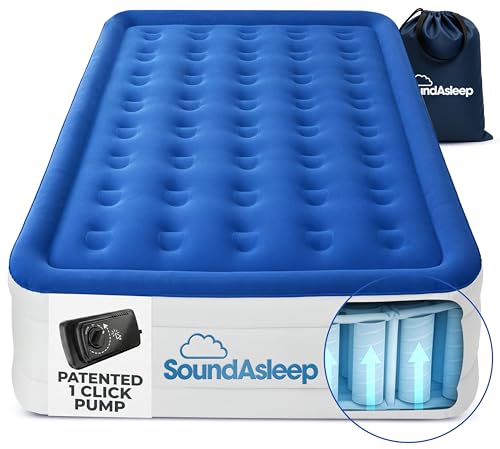
A long term air mattress needs a strong pump, thick material and steady support. Learn what lasts, what leaks and how to choose one for nightly sleep.
A guest mattress that gets used twice a year can get away with thin material and a slow pump. A mattress you sleep on every night cannot. The best air mattresses for long term use need stronger seams, a pump built for daily cycles, and a sleeping surface that stays level from bedtime to morning. The comparison table below shows the main options side by side.
This guide explains the key choices in plain language, compares the main options, and helps you avoid common mistakes.





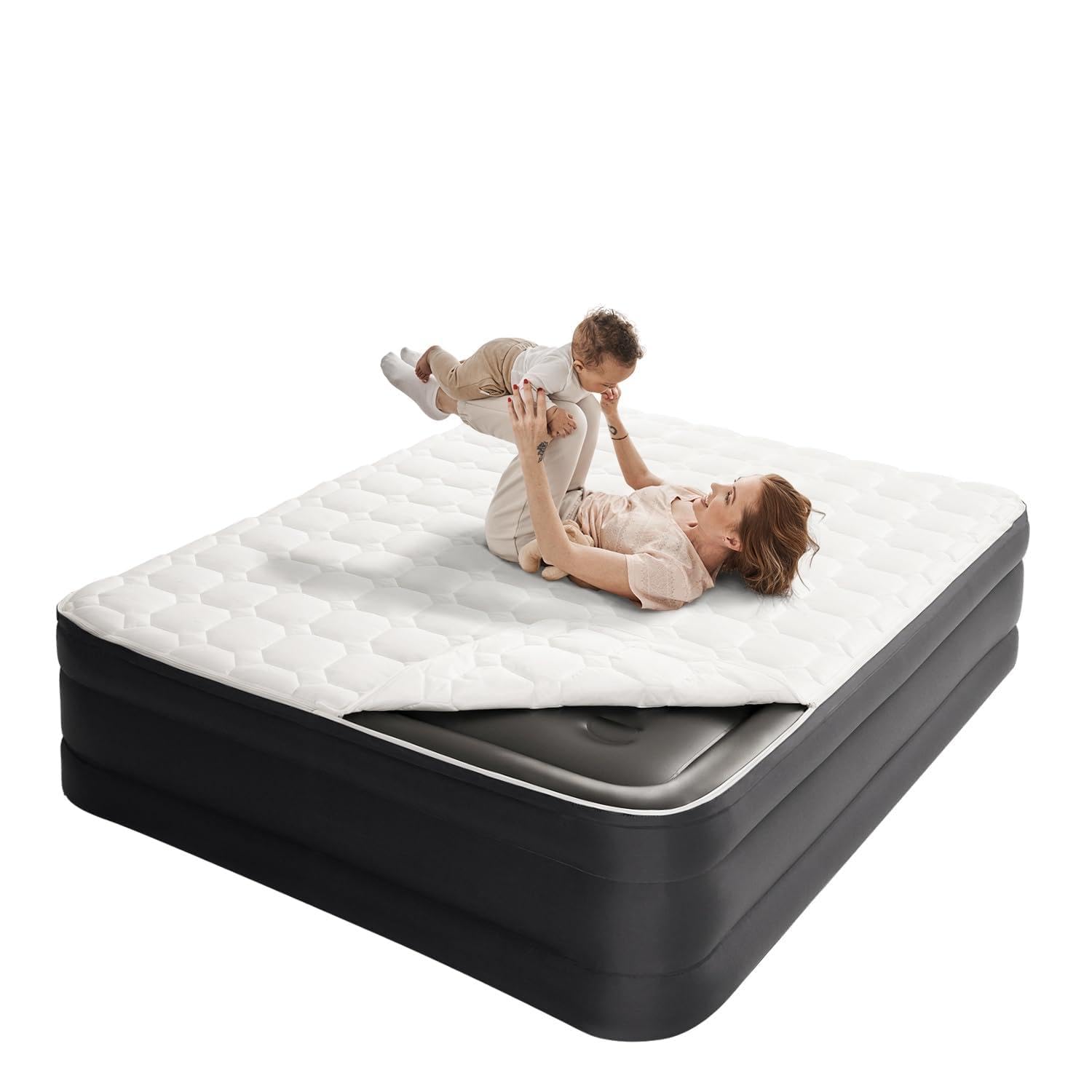

The Basics
Long term use also changes what comfort means. A mattress that feels plush for one night may sag at the hips after a month of nightly use. Look for a model that lets you adjust firmness in small steps, holds air through the night, and keeps its shape when only one side of the bed is loaded. That combination matters far more than a soft top layer.
The sections below explain each feature in plain language, with practical levels to look for and trade offs to weigh. Use them as a checklist while you compare options, and note which features matter most for your own routine.
Best Air Mattresses for Long Term Use: Key Features to Compare
Pump Strength and Daily Reliability
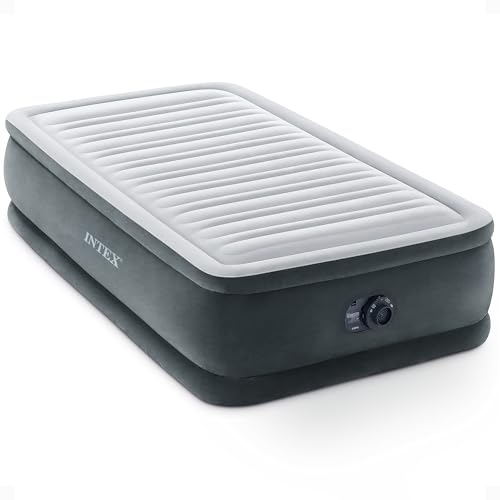
A built in pump on a nightly mattress runs far more often than a guest pump, so motor quality matters. Look for a pump that inflates quietly, reaches full firmness without straining, and includes a simple way to top up air during the night. A pump with a manual backup is useful during a power cut. Check how the pump is protected from dust and how easy it is to reach for cleaning.
Material Thickness and Seam Quality
Thicker vinyl or reinforced material resists punctures and slow leaks better than thin guest grade material. Seams should feel even and well sealed, with no thin spots near the corners where stress concentrates. A flocked or fabric covered top adds grip for sheets and feels less plasticky against skin. Thicker material also tends to hold its shape better under a heavier sleeper.
Internal Construction and Support
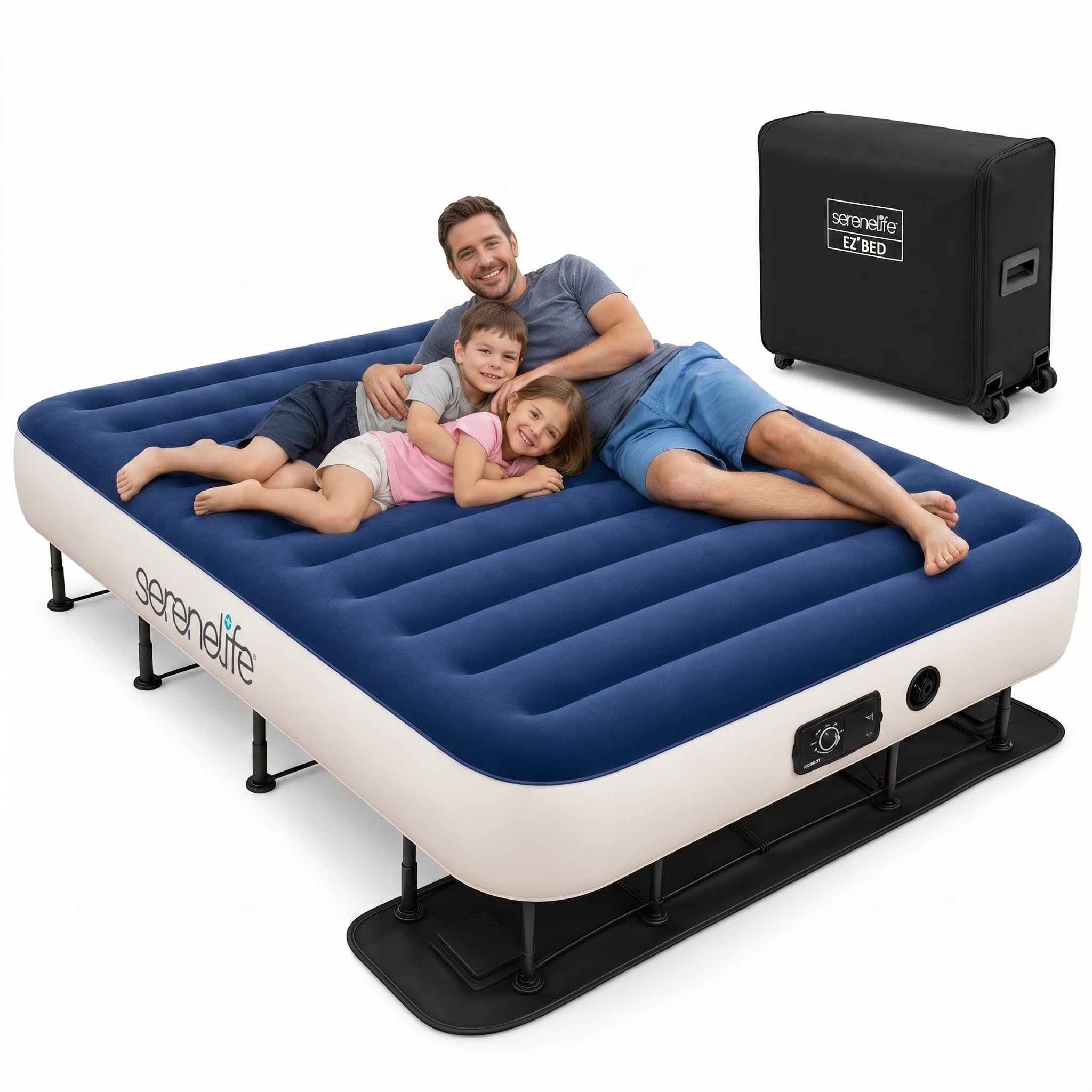
Air mattresses use internal chambers or coils to spread weight and stop the middle from dipping. For nightly use, look for a design that supports the hips and shoulders evenly and keeps both sleepers level. Some models add a raised edge that makes getting in and out easier. Lie on the mattress for several minutes in the store if you can, and notice whether your hips sink lower than your shoulders.
Height, Size, and Sheet Fit
A taller mattress feels more like a regular bed and is easier to get out of in the morning, but it also needs deeper sheets and more floor space. Measure your room and check that the inflated size leaves room to walk around the bed. Standard sheet sizes fit most raised models, but very tall models may need deep pocket sheets. Decide whether you want a low profile model that stores flat or a tall model that stays set up.
Leak Resistance and Repair Options
Every air mattress loses a little air over time, but a good long term model should need only a small top up every few nights. Ask what repair kit is included and whether patches and valves are easy to replace. A mattress with a standard valve is easier to service than one with a proprietary part. Keep the mattress away from sharp bed frame edges and rough floors to cut the risk of punctures.
Warranty and Nightly Use Terms
Read the warranty wording before you buy, because some warranties treat nightly use differently from occasional guest use. A longer warranty on the pump and seams is a good sign that the maker expects daily use. Keep your receipt and note the date you start sleeping on the mattress. If the mattress loses air quickly in the first weeks, contact the seller early rather than waiting for the problem to grow.
Who Should Buy This Type
Nightly sleepers, people furnishing a small apartment, and anyone who needs a bed that can be moved or stored should consider a long term air mattress first. It suits renters who move often and households that need a spare bed that can become a main bed for months. It is less suited to sleepers who need a very firm orthopedic surface or who dislike any air adjustment at night. If you share the bed, test how much movement transfers when one person turns over.
If the description above matches your routine, the features in the comparison table above will help you narrow the choice. If it does not match, a related guide may suit you better, and the related guides near the end of this article point to useful comparisons.
Mistakes to Avoid
- Choosing on first night softness alone, without checking how the mattress holds up after weeks of use.
- Skipping the pump test and discovering a loud or slow pump after the return window closes.
- Buying the wrong height for your sheets, bed frame, or room layout.
- Placing the mattress on a rough floor or sharp frame edge that invites punctures.
- Ignoring warranty terms that exclude nightly use.
Care and Upkeep Over Time
Protect the mattress with a fitted cover and a smooth layer between the mattress and the floor or frame. Top up air in small steps rather than over inflating, since over inflation stresses seams. Clean the surface with a damp cloth and let it dry fully before folding it away. Store it loosely folded in a dry place, away from heat and sharp objects, and check the valve before each longer period of use.
Related Buying Guides
For related comparisons, see our guides to the best air mattresses for everyday use, the best air mattresses for home use, the best air mattresses for guests and the best twin air mattresses.
Frequently Asked Questions
How often should a long term air mattress need topping up?
A healthy long term model should need only a small top up every few nights, not a full refill every morning. New mattresses sometimes stretch slightly in the first week, so a little extra air loss early on is normal. If you wake up on the floor or need a full refill daily, check the valve, seams, and surface for a slow leak with soapy water. Persistent daily loss usually means a fault worth raising with the seller.
Is an air mattress good for back sleepers?
Back sleepers usually do best on a medium firm surface that keeps the hips level with the shoulders. An adjustable air mattress helps because you can fine tune firmness until your lower back feels supported without pressure. A thin pillow under the knees can ease strain for some back sleepers. If back pain is frequent, severe, or new, ask your doctor before relying on a new mattress to fix it.
What size should I choose for nightly use?
Choose the largest size your room allows, since nightly sleepers benefit from extra width for turning. A twin suits one sleeper in a small room, while a queen suits couples and taller sleepers. Check the inflated width and length, not just the packed size, and leave space to walk around the bed. Deep pocket sheets matter more as height increases.
Can I use regular sheets on a tall air mattress?
Most raised models accept standard deep pocket sheets, but very tall mattresses may need extra deep pockets. Measure the inflated height before buying sheets, and choose a fitted sheet with strong elastic so it stays in place. A mattress protector also helps sheets grip and protects the surface from sweat and spills.
How do I find a slow leak?
Inflate the mattress fully, then listen and feel around the valve, seams, and corners. A mix of water and a little dish soap brushed over suspect areas will bubble where air escapes. Mark the spot, dry the area, and apply the repair patch exactly as directed. If the leak sits on a seam or the pump housing, contact the seller, since those faults are harder to repair at home.
Final Thoughts
Choose firmness control, seam strength, and pump reliability over a soft first impression, and you will sleep better for months rather than nights. Check the comparison table above once more for height and pump type, then match the size to your room and sheets. A careful choice now saves nightly top ups and early replacement later. The best air mattresses for long term use reward buyers who check support, read the warranty, and protect the mattress from day one.