Best Air Mattresses for Everyday Use of 2026: Complete Buying Guide
Disclosure: We may earn a commission when you buy through links on this page, at no extra cost to you. As an Amazon Associate I earn from qualifying purchases. Learn more
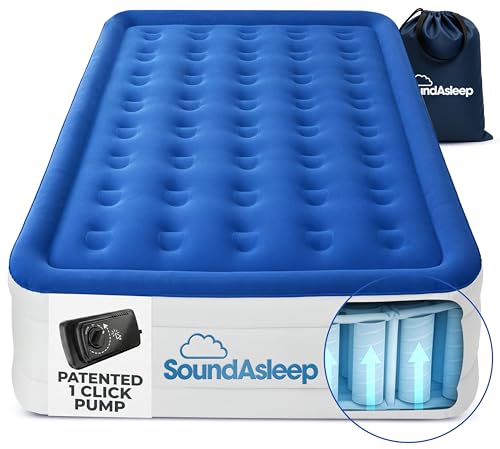
Compare the best air mattresses for everyday use by height, construction, pump, and weight capacity for a durable air bed you can sleep on nightly.
An air mattress that gets slept on every night has to be a lot tougher than one pulled out for the occasional guest. The best air mattresses for everyday use have thick, reinforced vinyl, a built-in pump, a raised height that is easy to get into, and a design that holds air through the night. This guide explains which features keep a daily-use air bed comfortable and which shortcuts show up as sagging, leaks, and noise.
Use the product table above to compare current options, then read on to match size, height, and construction to how you plan to use it.

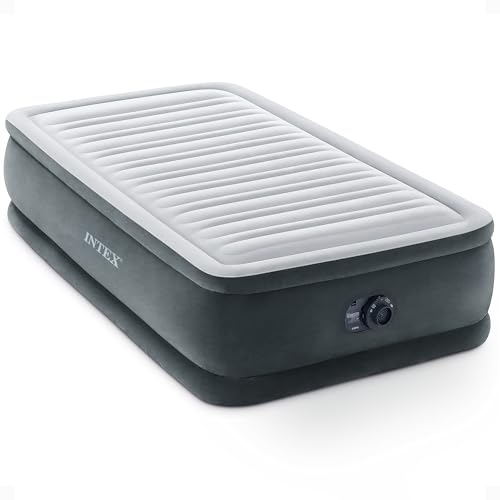
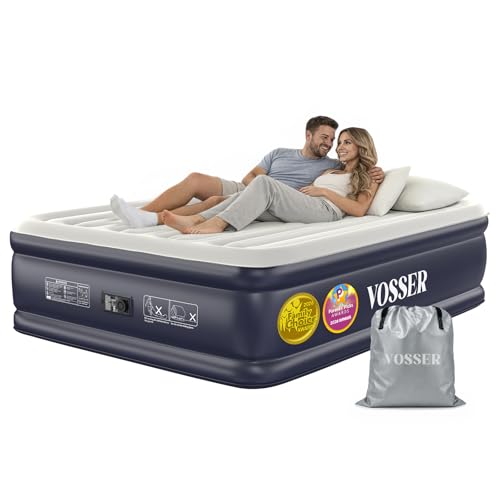

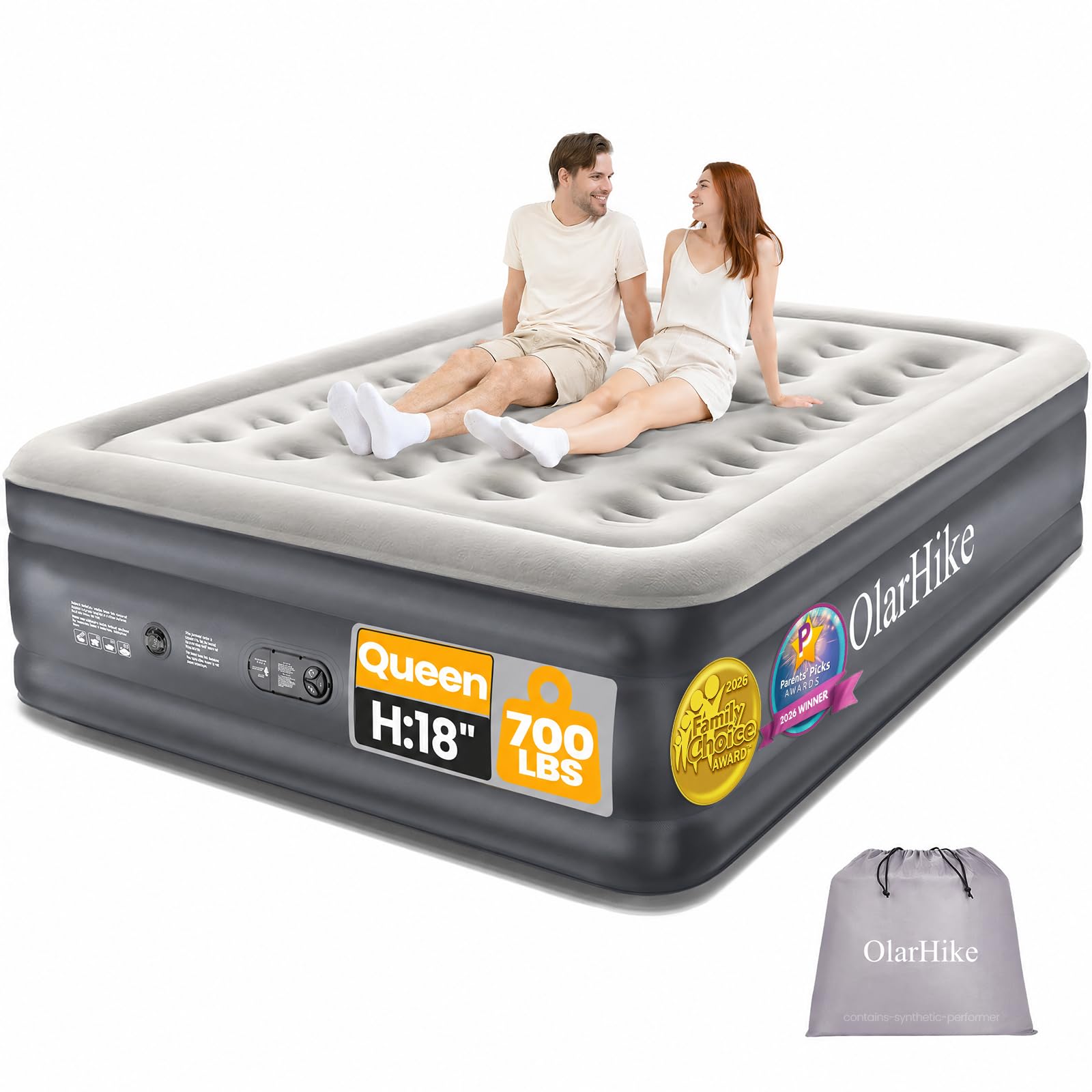

Who Needs an Everyday Air Mattress?
Small Apartments and Studio Living
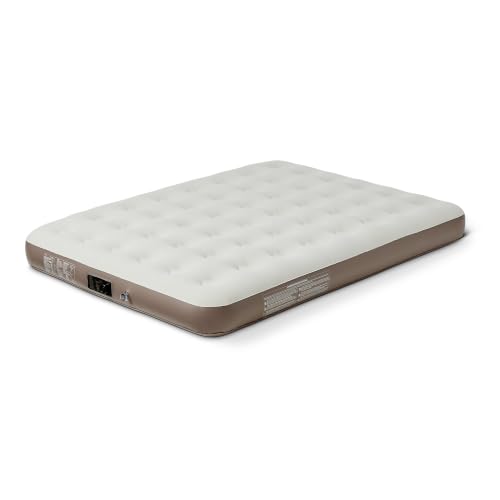
An air mattress deflates into a small bag, which suits tight spaces, short leases, and rooms that must double as living areas. Look for a model that inflates in a few minutes and packs away without a struggle.
Temporary Housing and Frequent Movers
Between moves, a quality air bed can serve for weeks or months. Prioritize a high weight capacity, double-layer construction, and a built-in pump so you never lose a separate piece.
Guest Rooms That Get Used Often
If a relative or roommate stays regularly, a raised queen with a firm top feels closer to a real bed and holds up to repeated inflation. For short stays, see our guide to the best air mattresses for guests.
Key Features to Compare in the Best Air Mattresses for Everyday Use
Height and Comfort
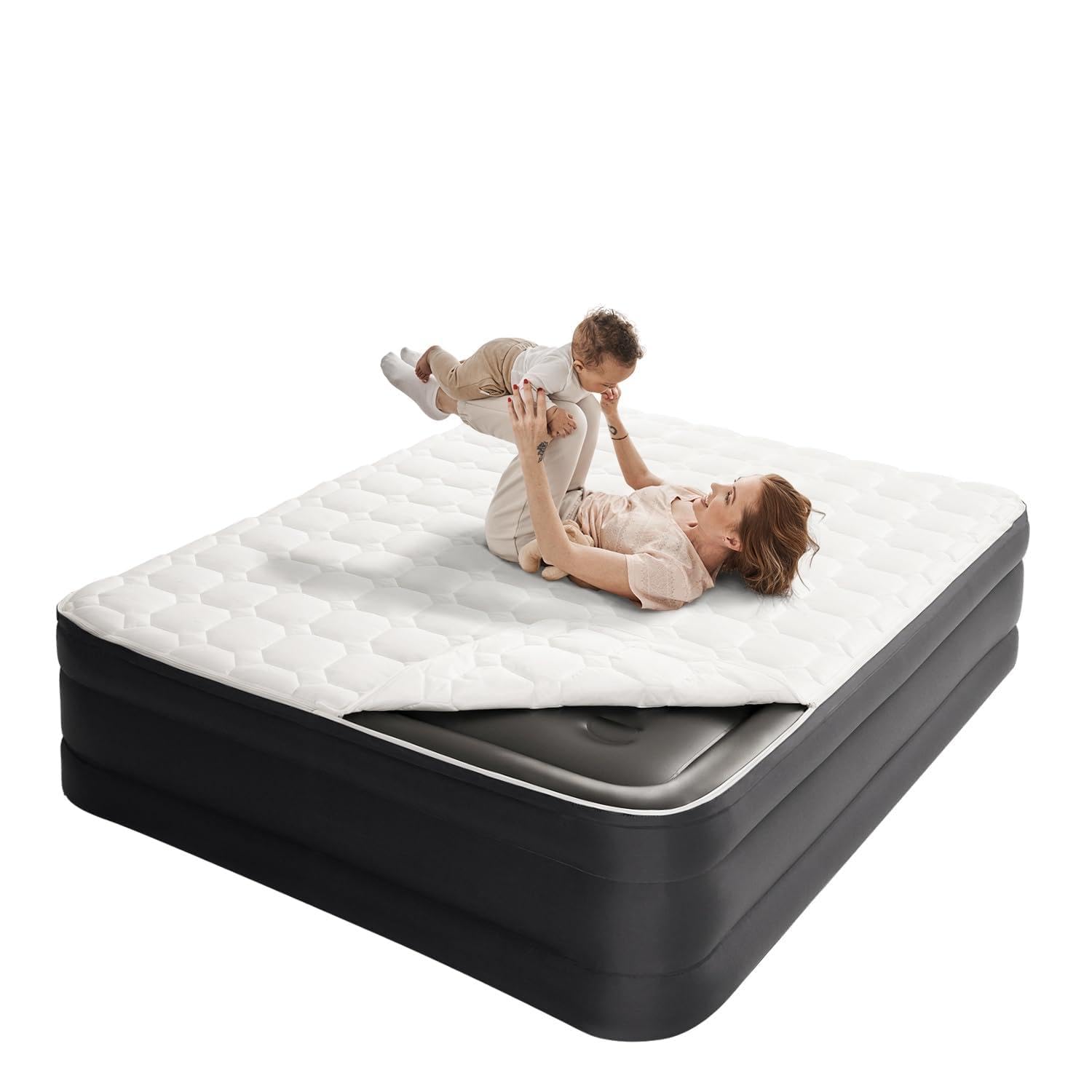
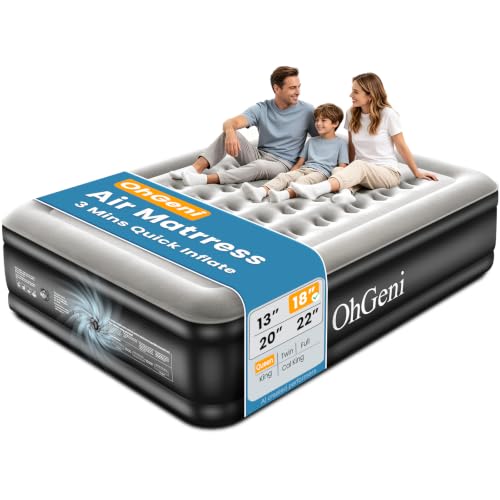
Raised models of 18 to 20 inches are easier to climb on and off than floor-level beds, which matters if you sleep on one nightly. A flocked top feels softer, stays cleaner, and keeps sheets from sliding.
Construction and Internal Support
Internal beams or coils keep the mattress flat and stop it from ballooning in the middle. Look for double-layer, puncture-resistant vinyl, and check reviews for seam strength, since seams are the most common failure point.
Built-In Pump and Inflation
A built-in electric pump should inflate the bed in a few minutes and let you adjust firmness. Quiet pumps are easier to live with. Models with a battery or dual power option help if outlets are far away.
Weight Capacity and Size
Choose a model rated for the combined weight of everyone who will sleep on it, with room to spare. Queen is the most popular size, while twin suits kids and narrow rooms. For single sleepers, see our guide to the best twin air mattresses.
Air Retention
All air mattresses lose a little pressure overnight as vinyl stretches. Models with good valves and quality material need fewer top-ups. If you plan long term use, our guide to the best air mattresses for long term use goes deeper on durability.
Common Mistakes to Avoid
- Buying a thin, single-layer camping mattress for nightly use.
- Ignoring the weight rating when two people will sleep on it.
- Placing it on a rough floor, which can cause punctures and wear.
- Skipping a mattress protector or fitted sheet, which helps with grip and cleanliness.
- Over-inflating, which strains seams and can make the bed feel hard.
Care and Maintenance
- Top up the air before bed, since vinyl relaxes during the first hours.
- Wipe the surface with a damp cloth and let it dry completely before storing.
- Keep it away from pets' claws, sharp objects, and direct heat.
- Store deflated and loosely folded in a dry spot.
- Patch small leaks with the repair kit as soon as you find them.
Frequently Asked Questions
Can you sleep on an air mattress every night?
Yes, if it is a raised, double-layer model with a decent weight rating. Check the air level regularly and keep it on a smooth surface.
How often should I replace my air mattress?
Daily-use models often last one to three years. Replace it when it will not hold air, seams separate, or the top layer stretches.
What firmness is best?
Most sleepers like a medium-firm setting, but a slightly softer inflation can feel better for side sleepers. Adjust in small steps and give it a night to settle.
Do air mattresses need a pump?
A built-in pump is the most convenient. Models without one need a separate electric pump, which is easy to lose. For broader options, see our guide to the best air mattresses for home use.
How do I stop it from losing air overnight?
Inflate it fully, let the vinyl stretch for 20 minutes, then top it up. Check valves for dirt and look for tiny holes with soapy water.
Final Thoughts
For nightly sleeping, choose thick vinyl, a raised height, a built-in pump, and a weight rating that fits your household. Compare options in the product table above, and the best air mattresses for everyday use will give you a comfortable bed without the bulk of a frame and box spring.